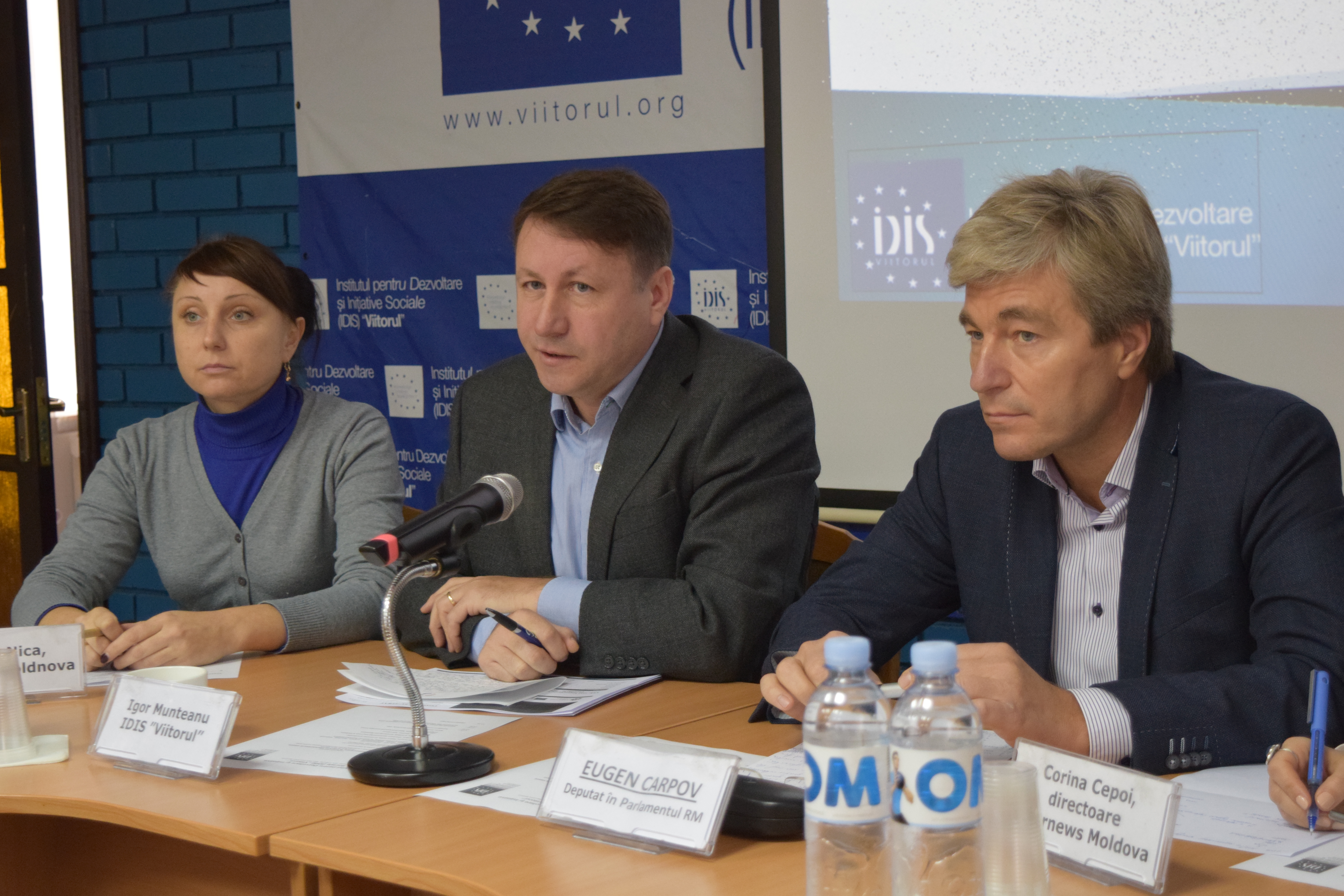
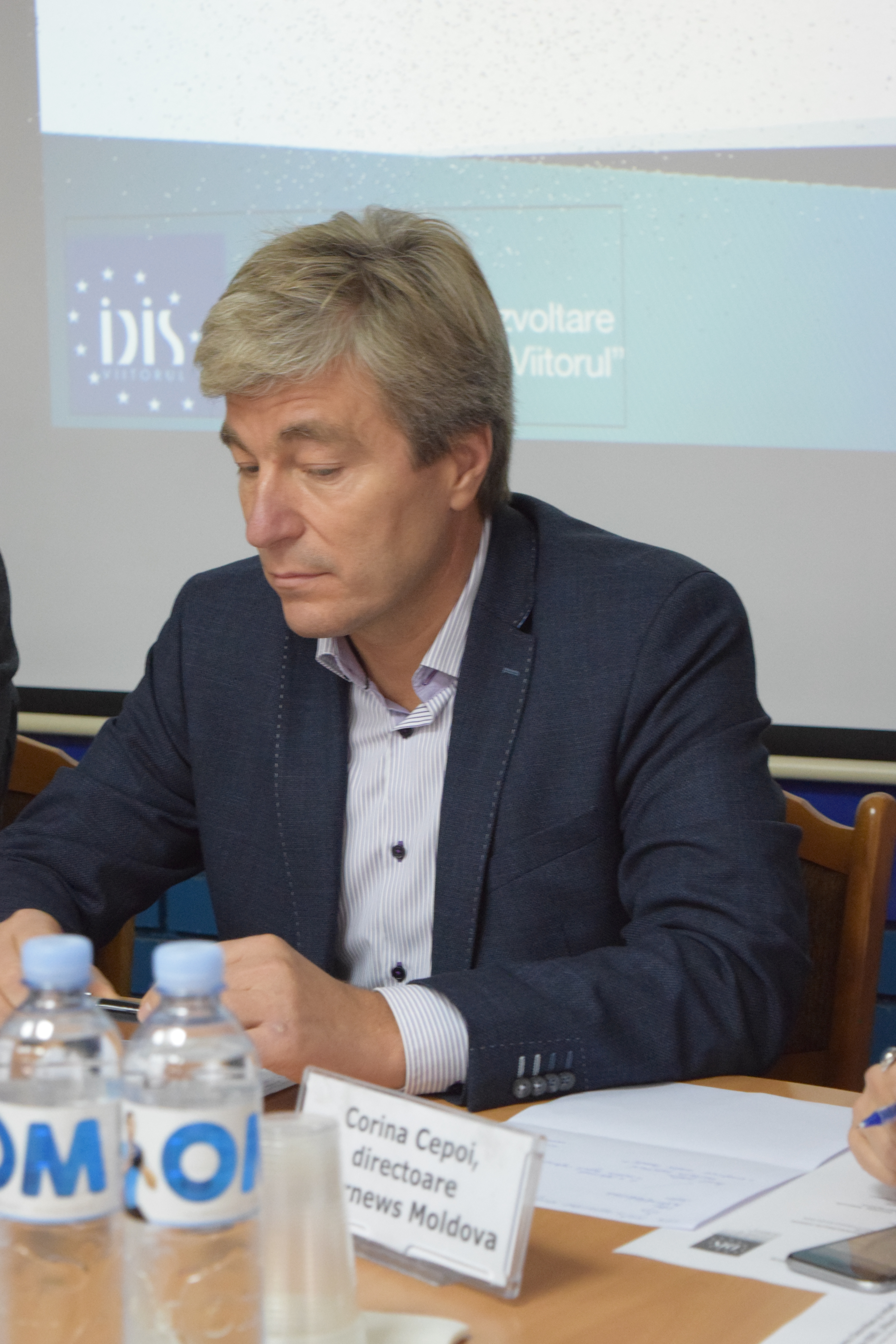
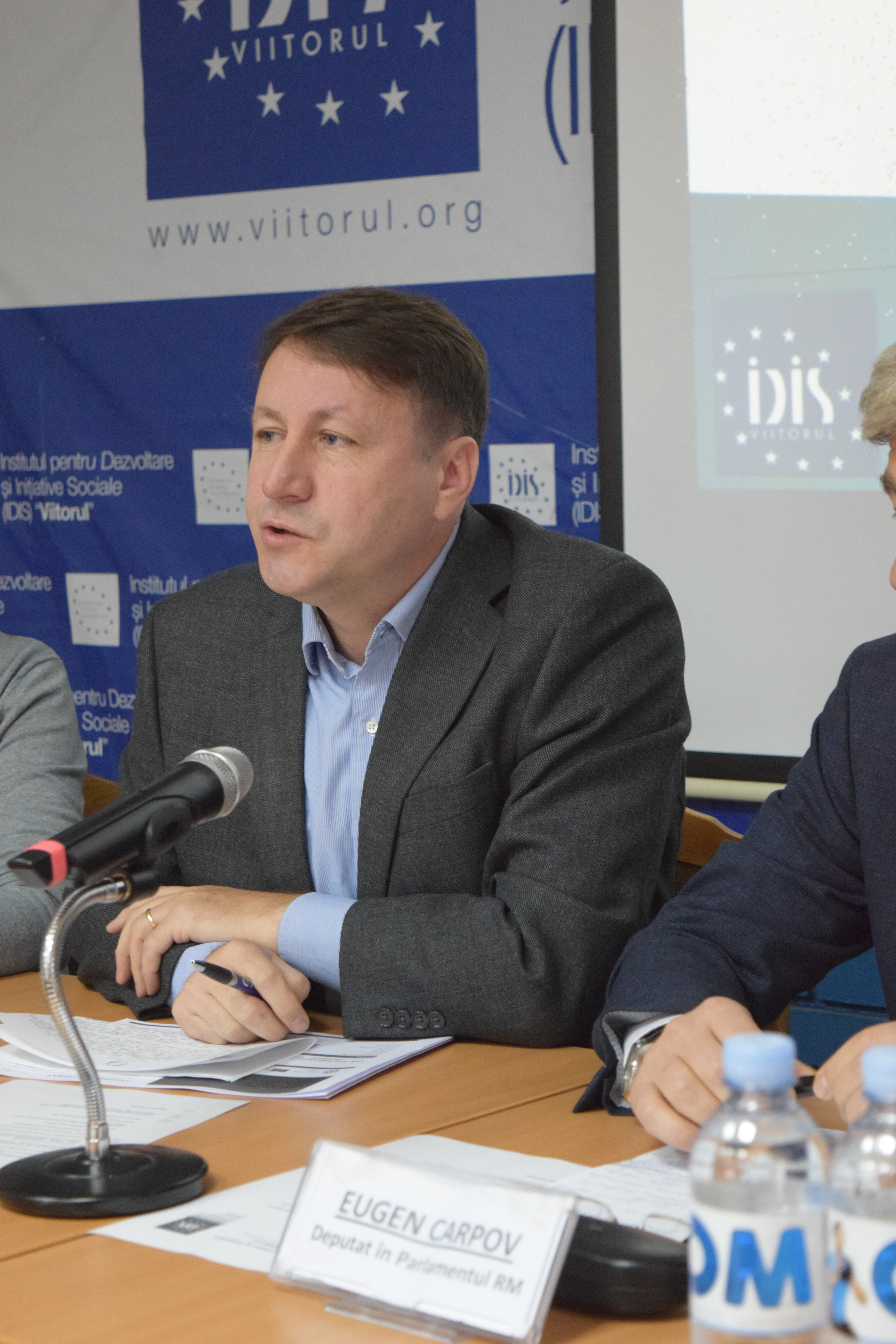
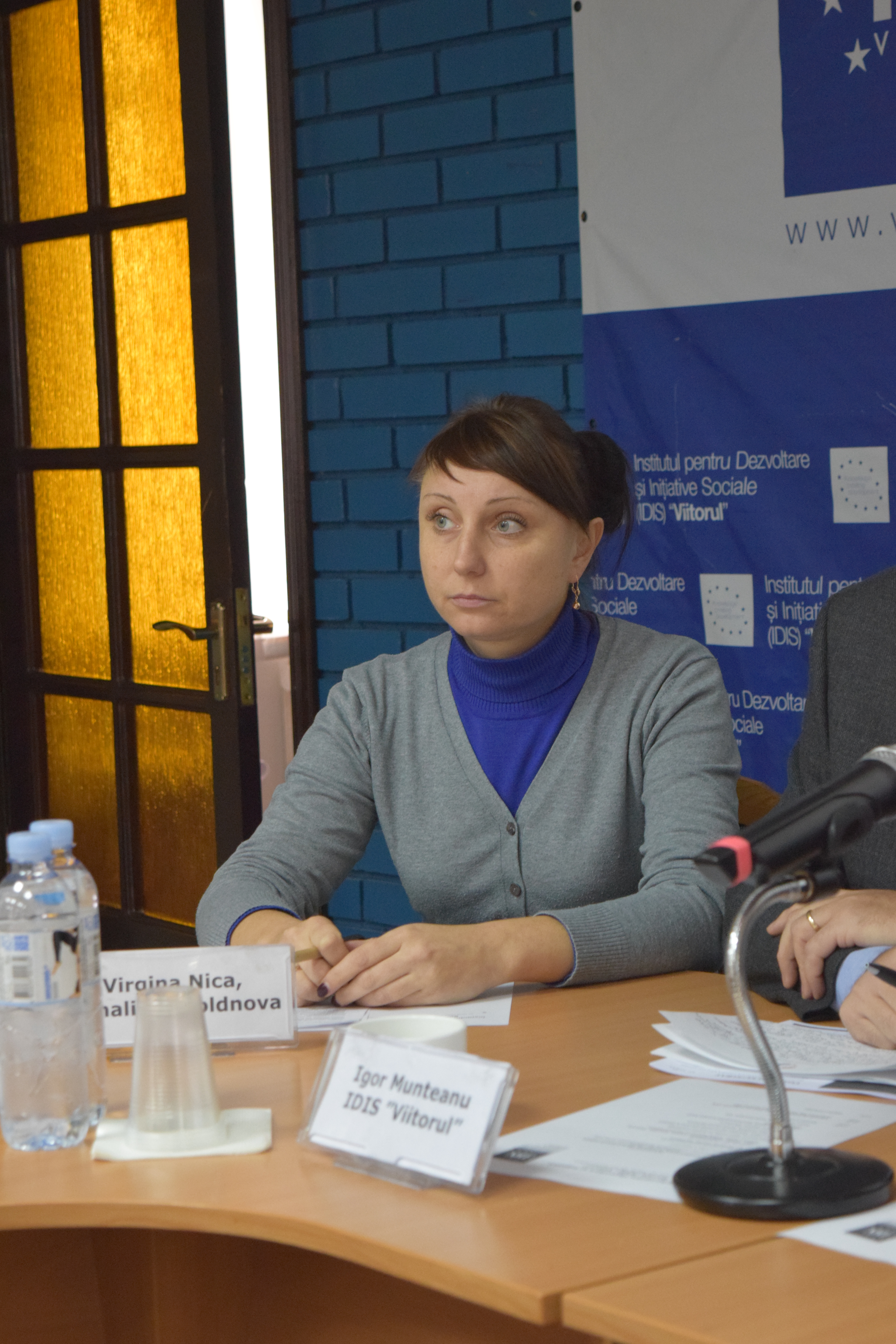
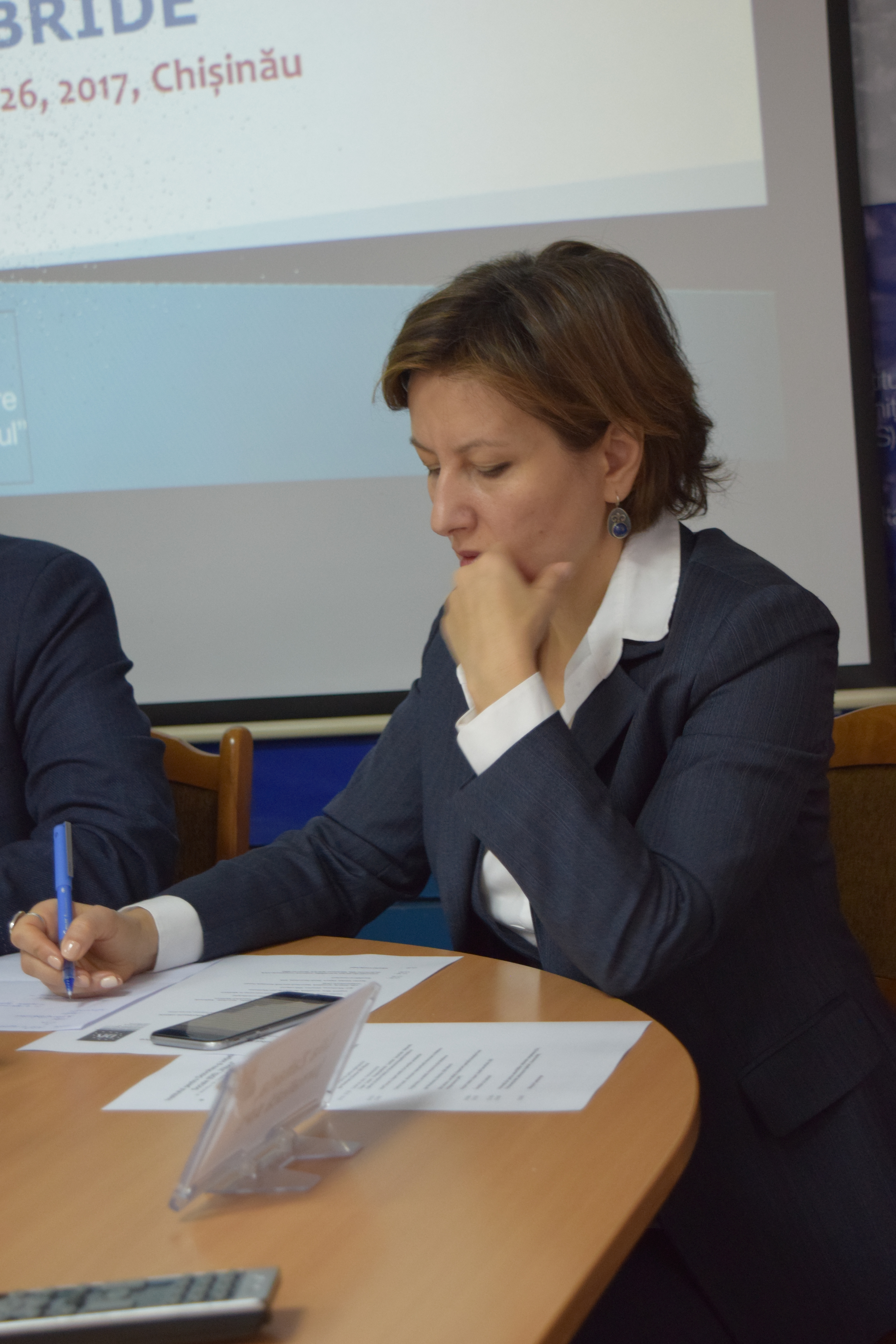
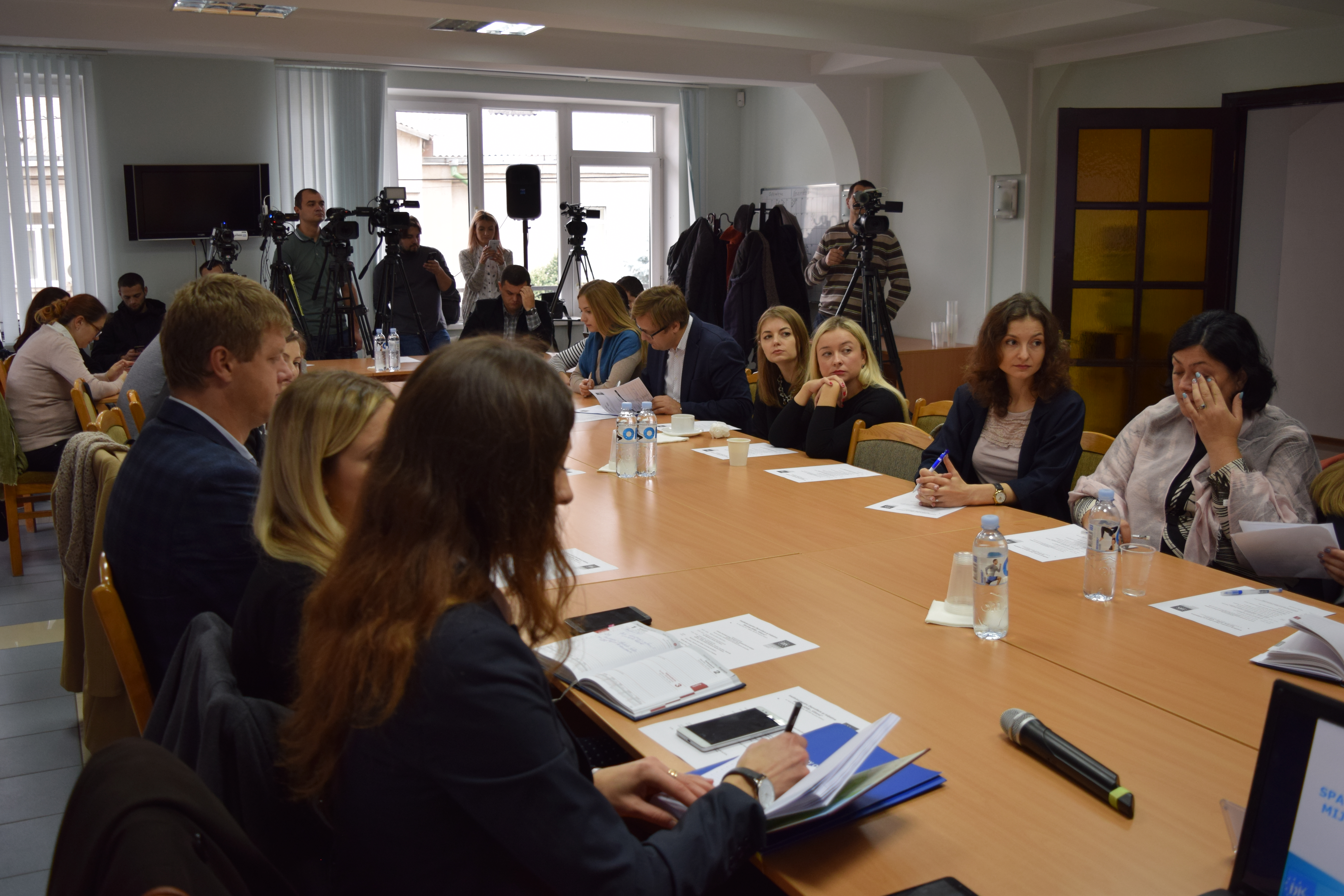
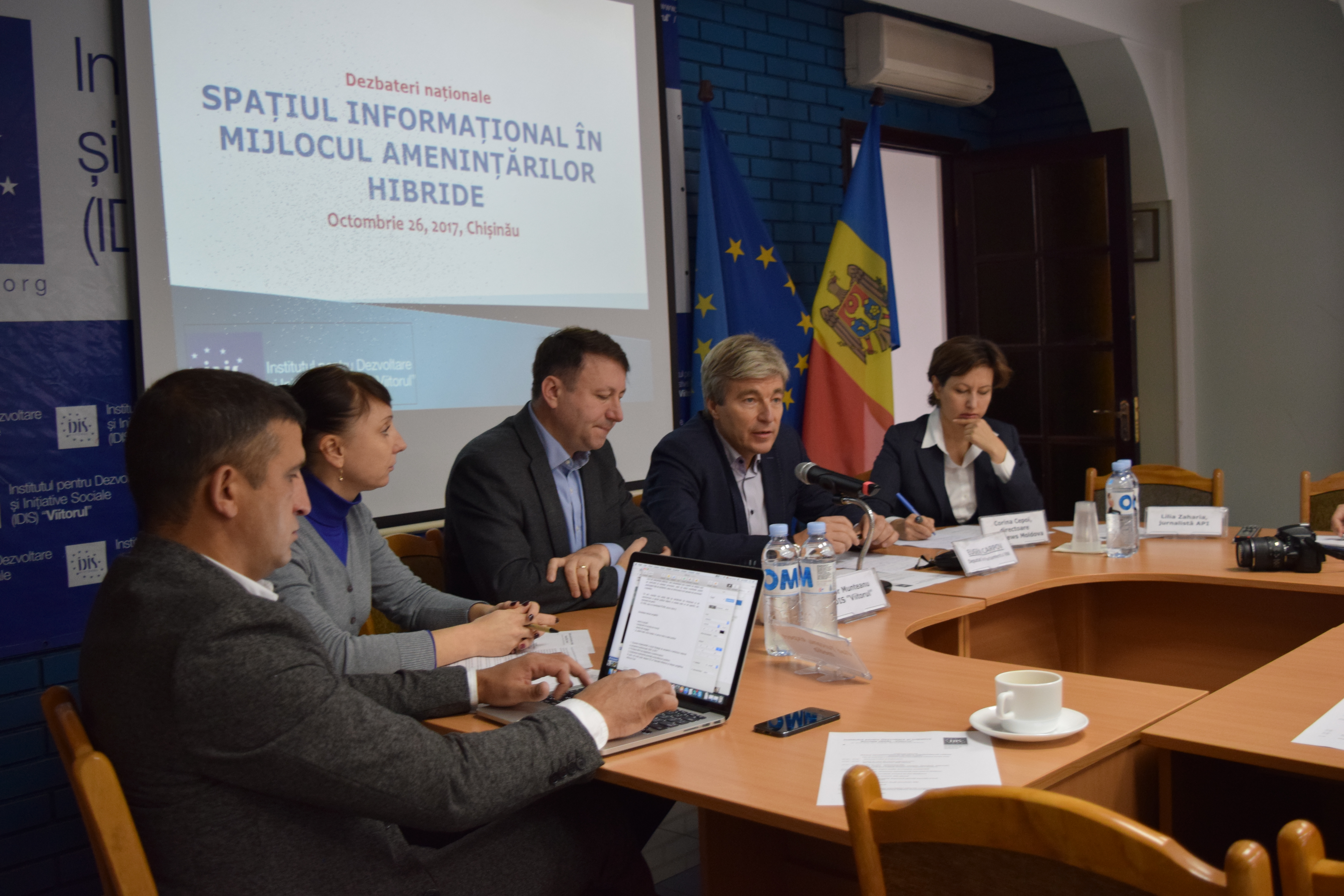
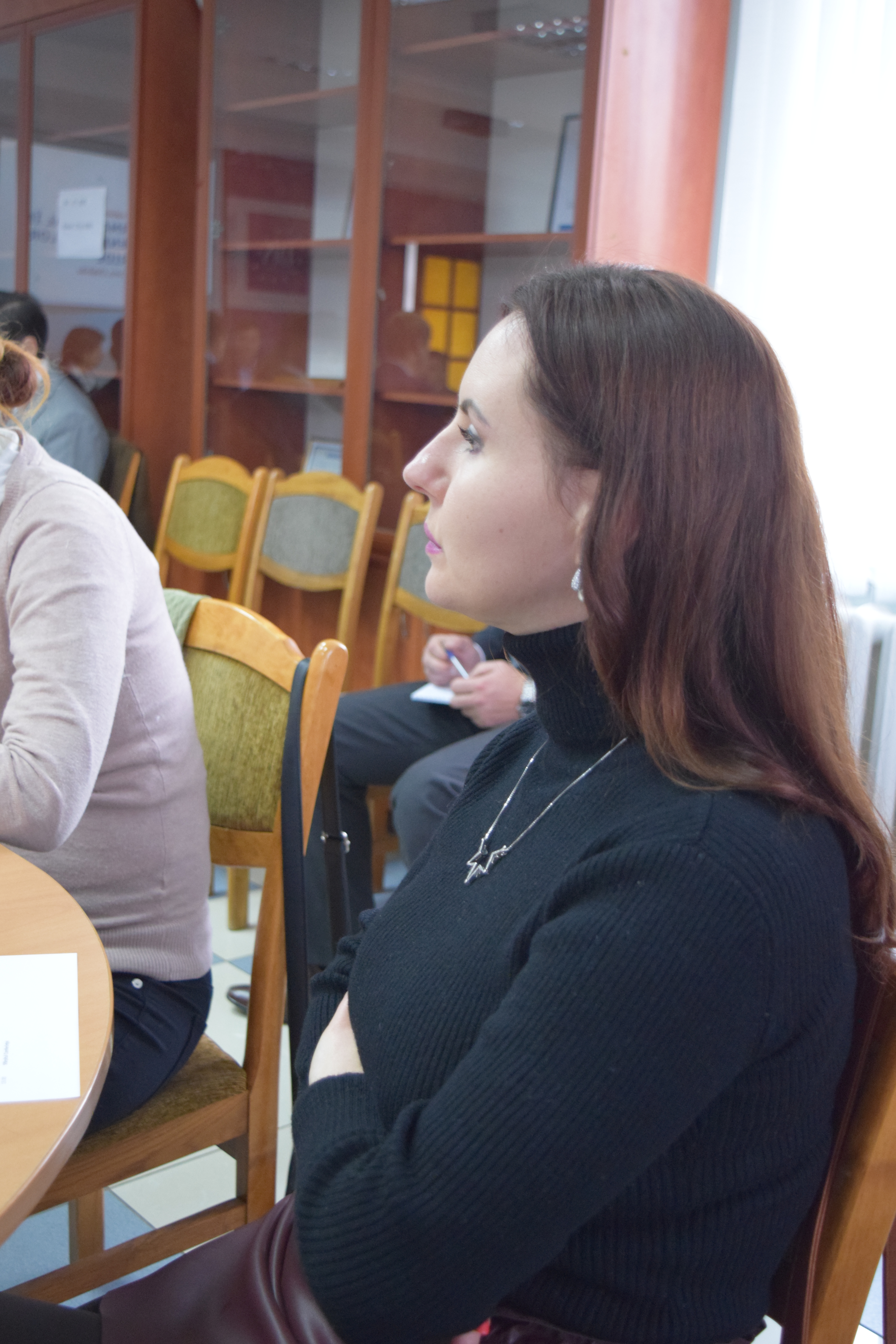
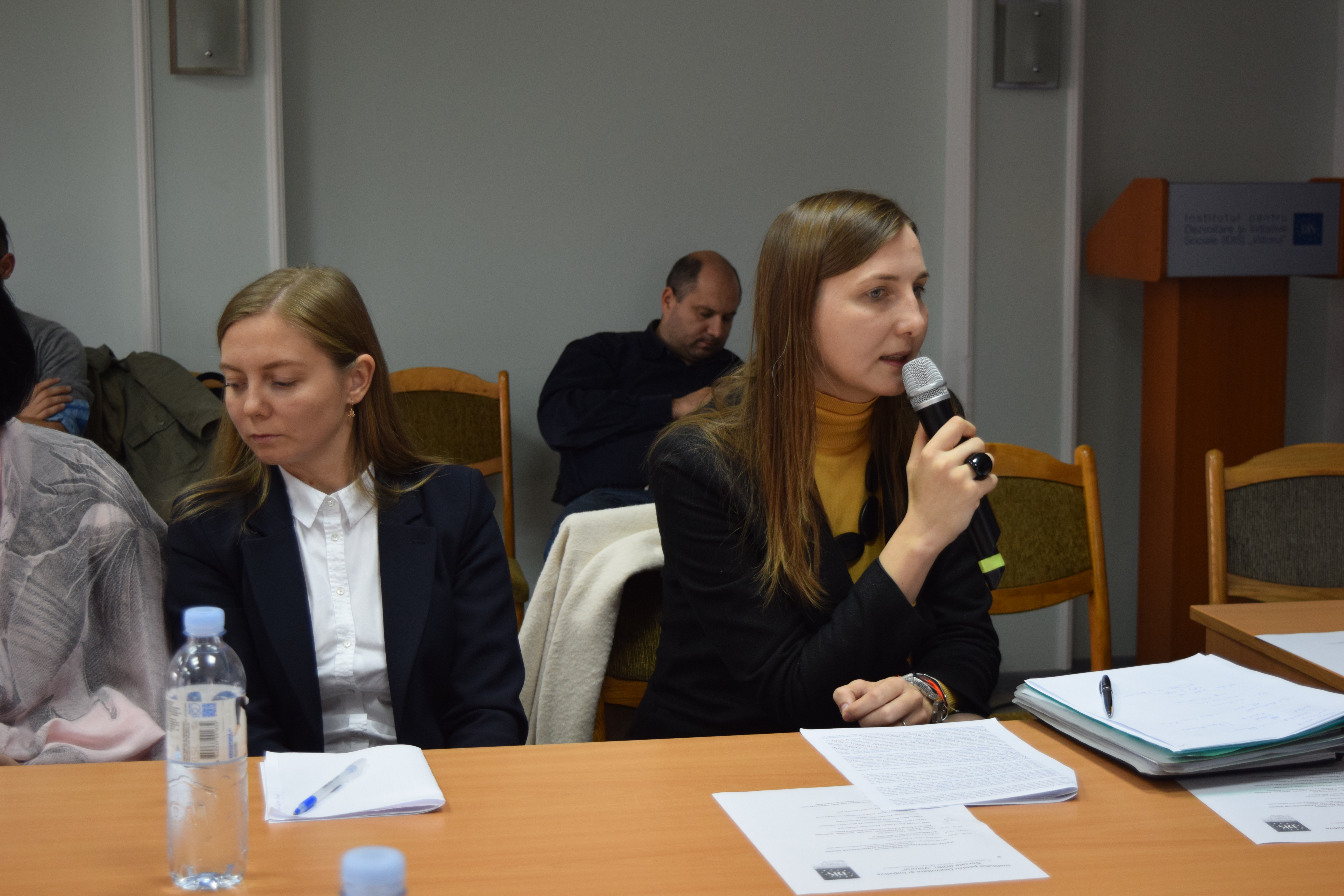
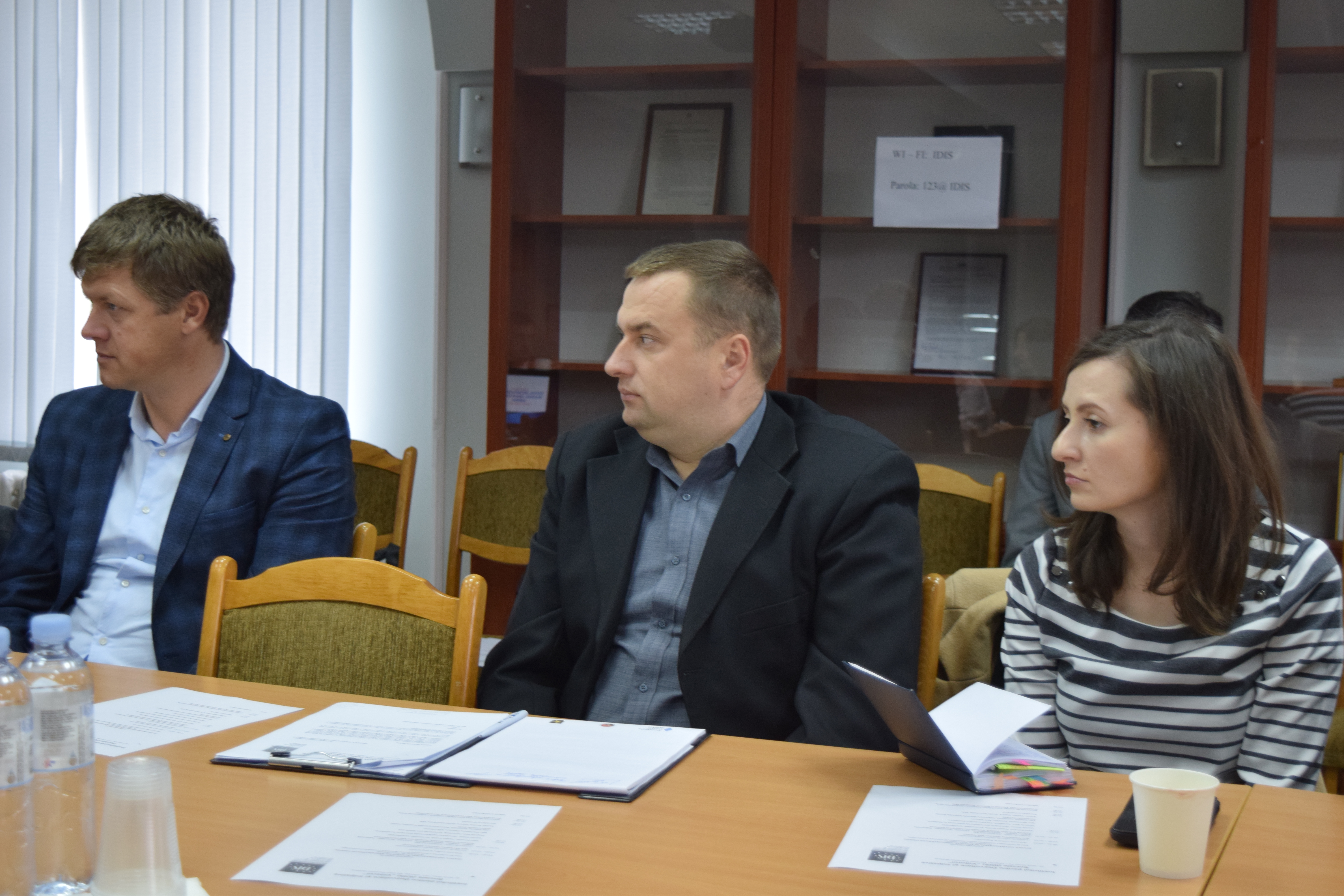
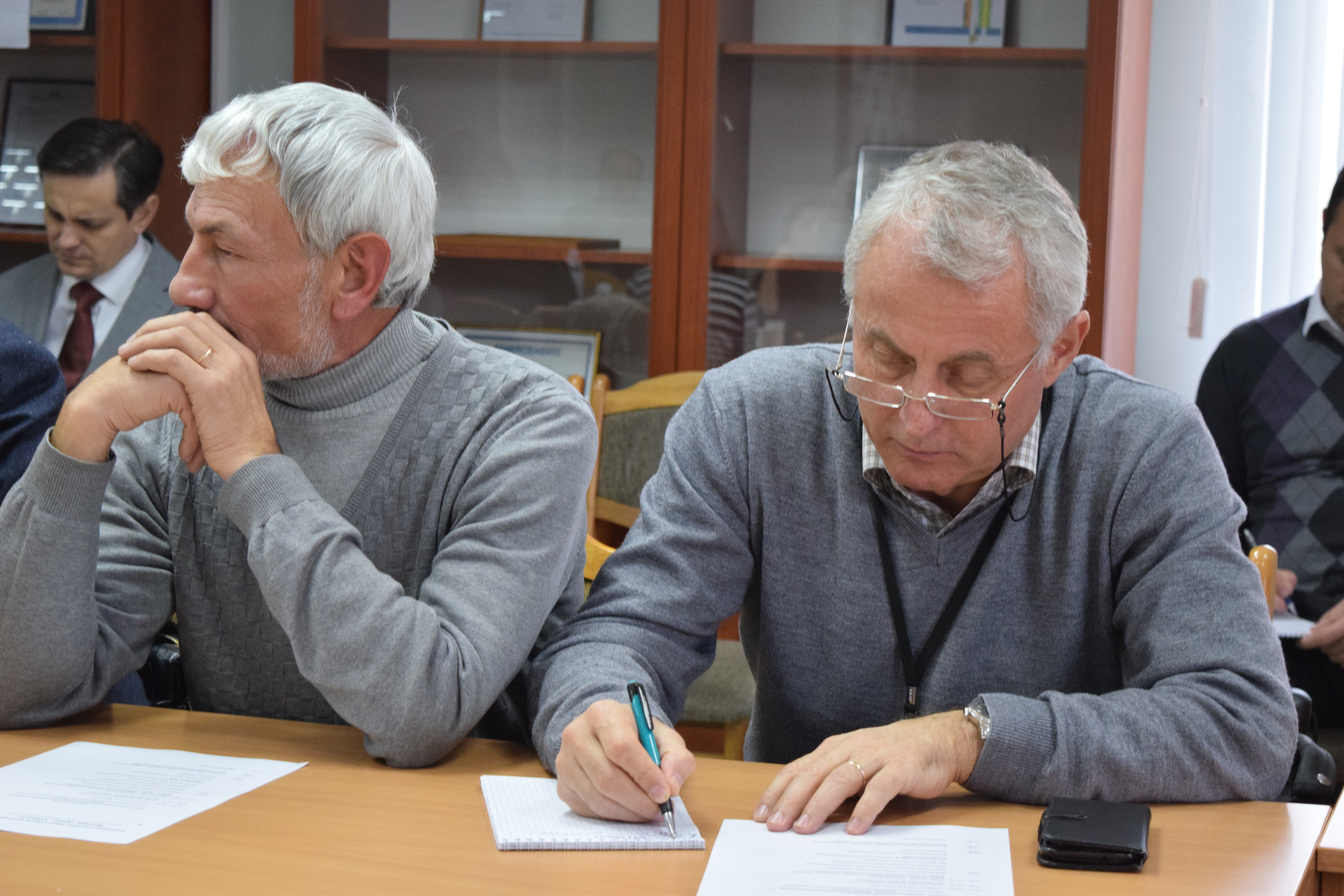
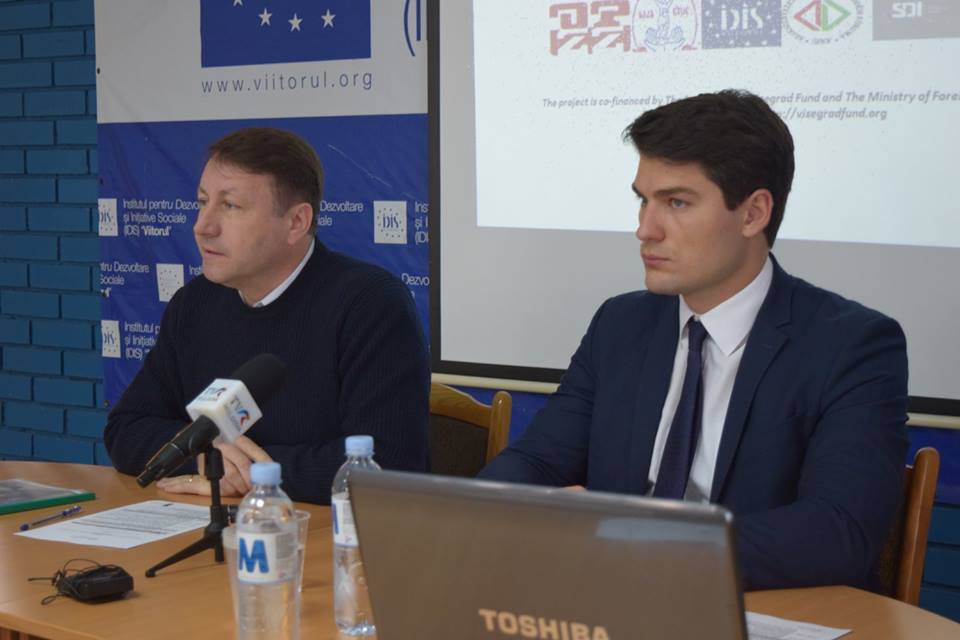
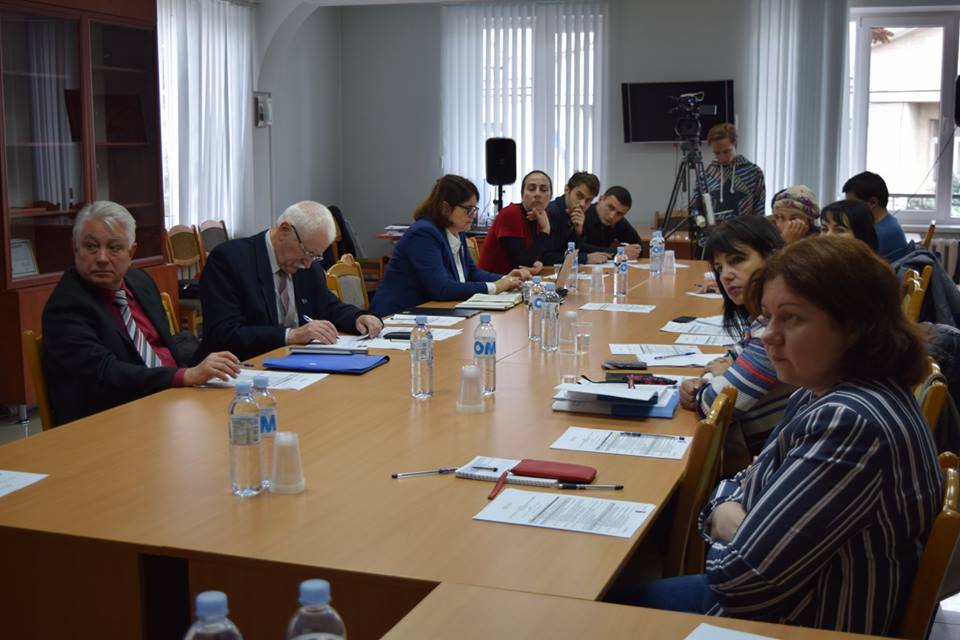
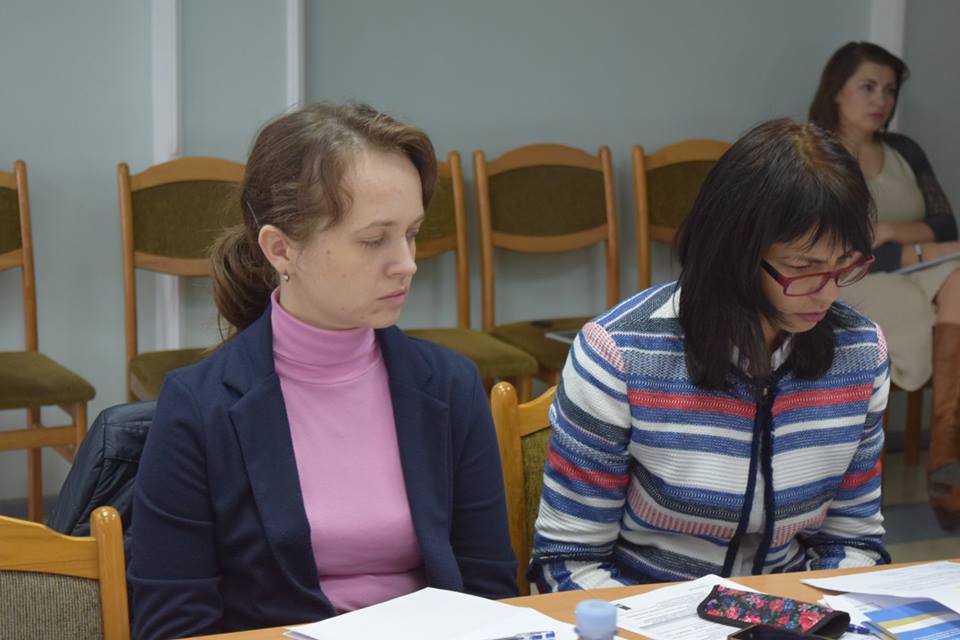
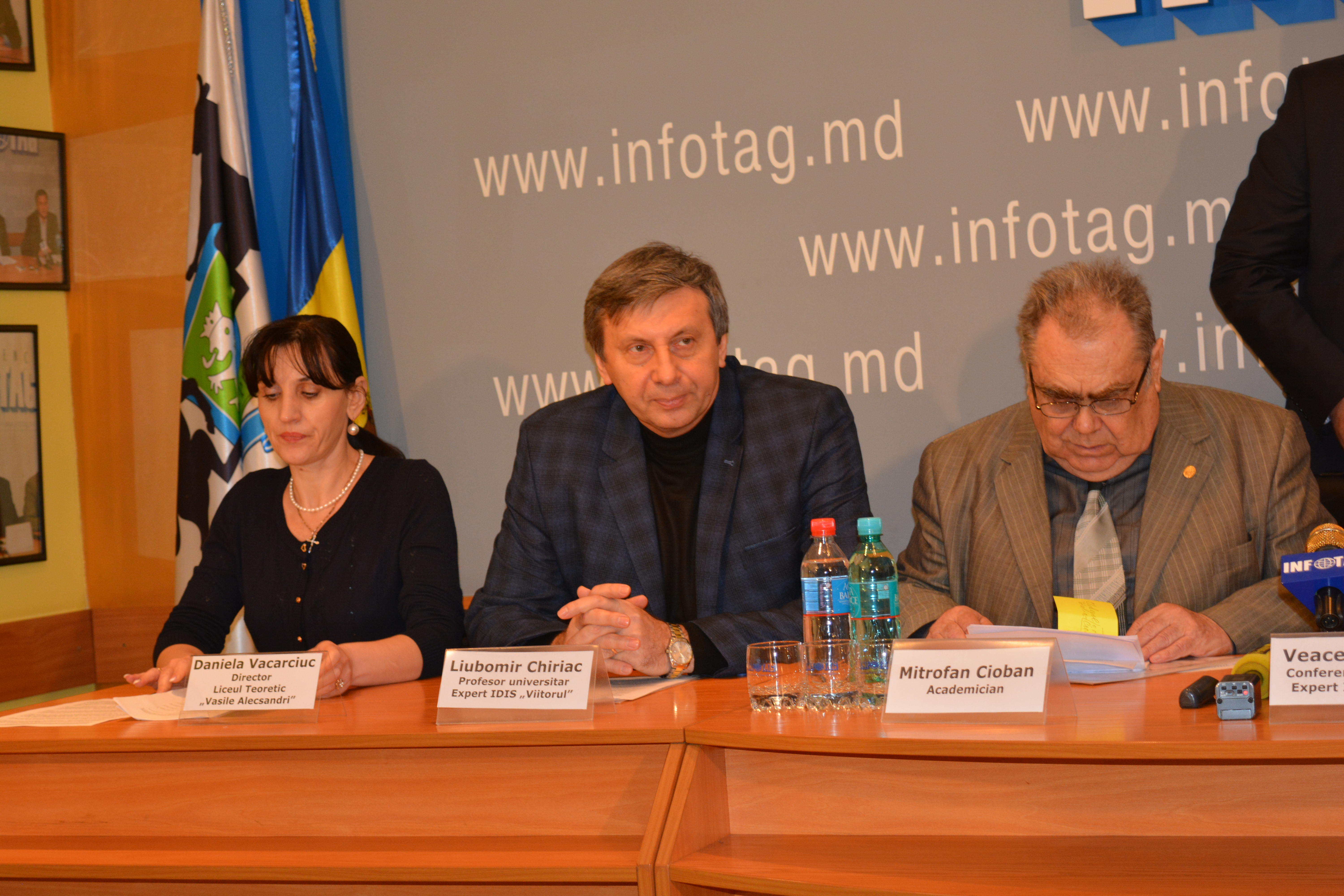
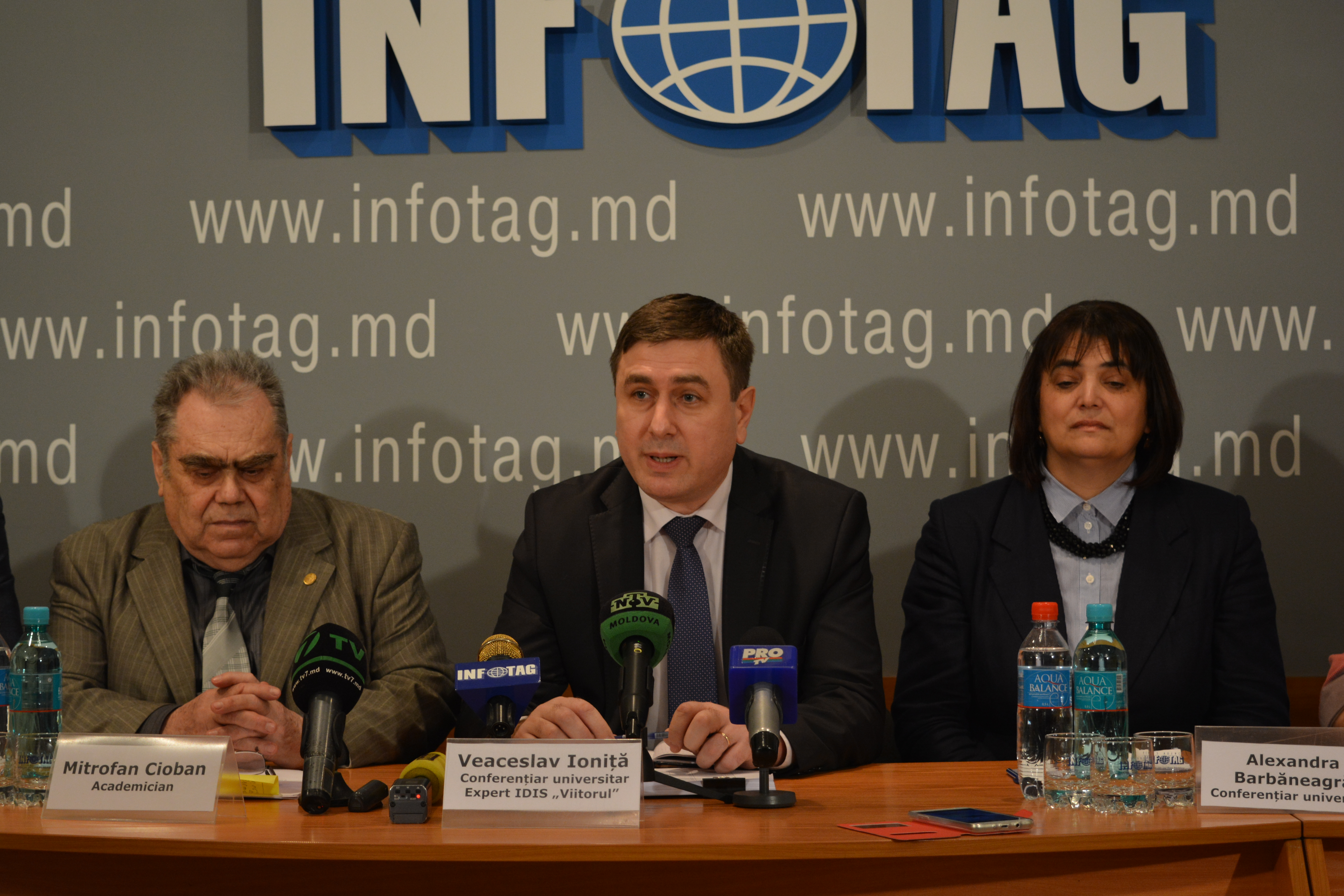
Moldova's information security is constantly threatened, and media manipulations are frequent. But state authorities have not identified adequate solutions and mechanisms to protect their citizens and national interests against hybrid threats. This was the generic public debate held at the Institute for Development and Social Initiatives (IDIS) Viitorul on 10.26.2017, titled "Informational Space Amid Hybrid Threats".
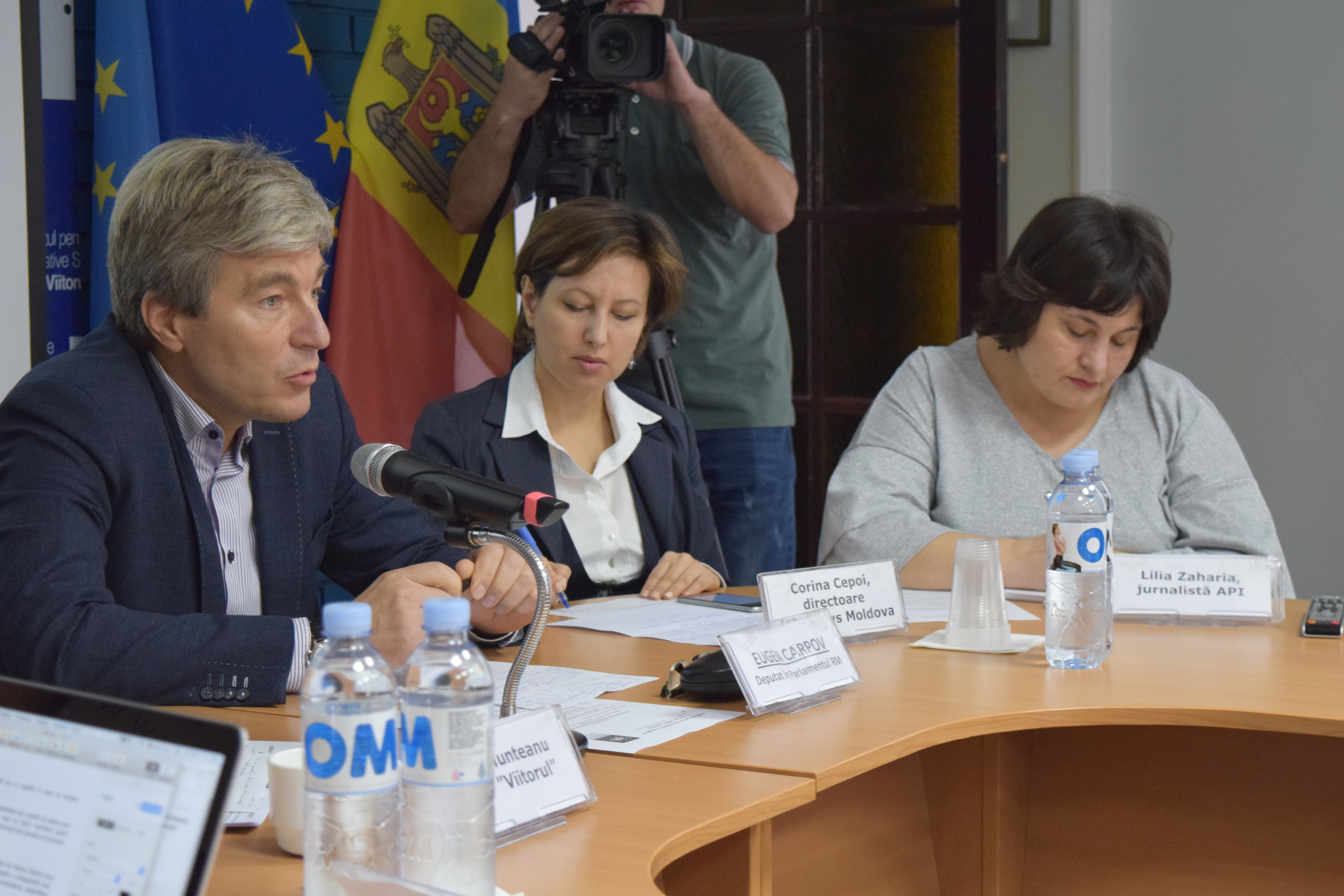
IDIS Viitorul Director Igor Munteanu said that democracies need to know how to defend themselves through resilience mechanisms, this is the key condition that the big and small states have to answer. The RM needs to endow itself with a firm policy of protecting citizens and the national space of viruses para tagging for the weaknesses of transition, and the confusion of some segments of political elites. In his opinion, manipulation in public space is a form of abuse of power, which should surely awaken the intervention of responsible state agencies, irrespective of the origins of this hybrid, internal or external viruses. We notice the appearance of dozens of clone newsletters, trolls, which are taught to multiply false information, corrupt trust in true, professional media, serving in this way obscure interest groups. Especially lately, politicians are increasingly appealing to such guerrilla campaigns, promoting hate speech and misinterpretation of professional journalism standards, as long as the current legislation does not even outline an institutional framework to respond to such a situation.
Eugen Carpov, deputy chairman of the Parliamentary Committee on National Security, Defense, and Public Order, said that the Republic of Moldova should have a pragmatic and correct approach to the national interest. Hybrid threats are used in the international environment as a hybrid war concept, and the media is the backbone of this war. Military units, terrorist organizations, political parties, media, NGOs, large economic agents, secret services, religious and ethnic groups, diplomatic and humanitarian instruments are used. The MP exemplified the informational hybrid war in the Republic of Moldova through the Transnistrian region, which with interpersonal, officers and special services undertook subversive actions in the Republic of Moldova. "We have weak institutions, including those who have to fight these actions, especially in the information space. We have an apathetic population that is not interested in the processes in the country".
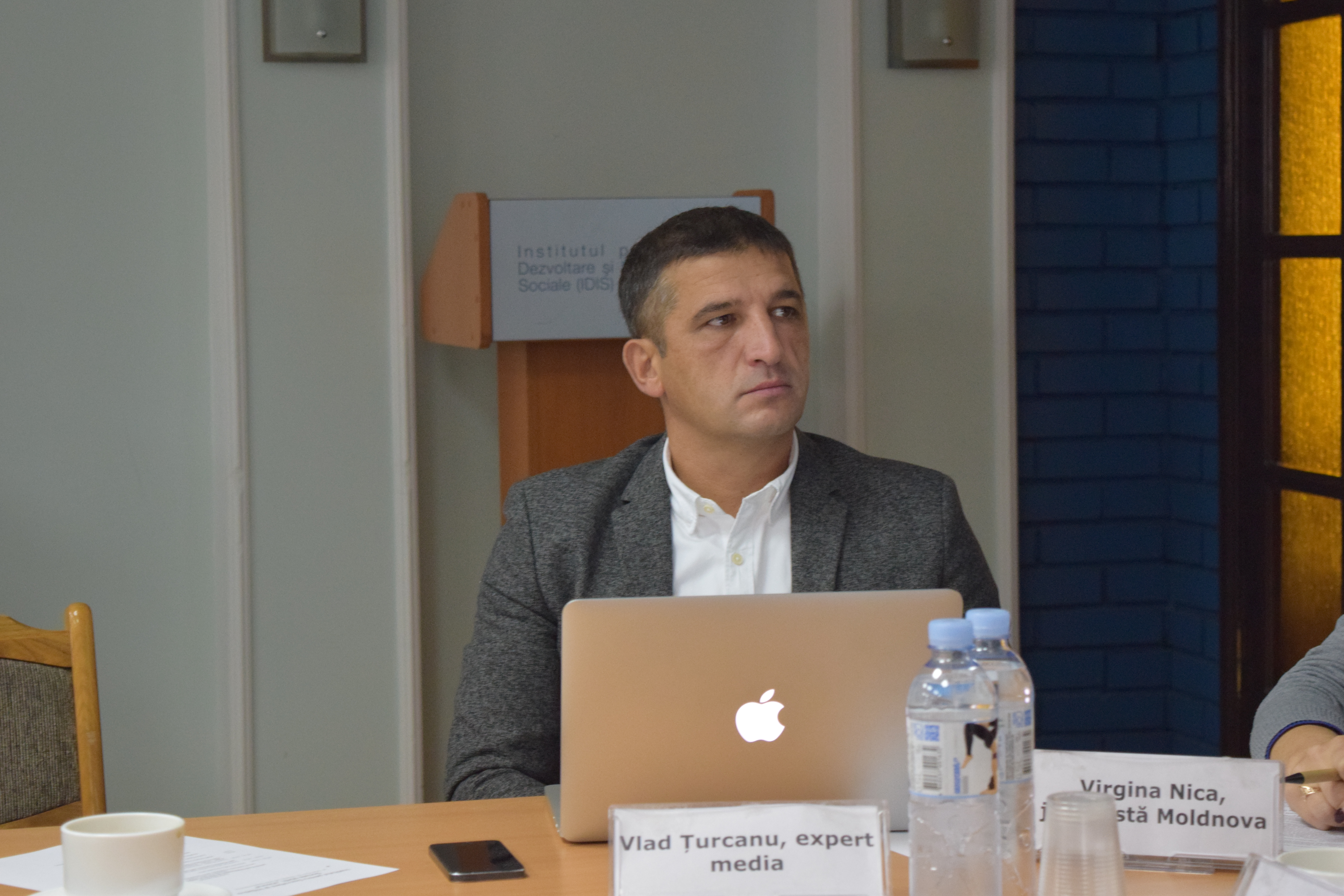
Vlad Ţurcanu, a free-lancer, media expert, illustrated in his presentation the following statements: The Moldovan authorities are willing to limit the proportions of Russian propaganda only sporadically when the governing parties are affected by political interests. In such cases, ACS exercises vertical pressures on the Audiovisual Coordination Council or on other public institutions with attributions in the field that it causes them to act on. In general, however, rather, civil society and international partners show concern for the hybrid war. It is a distinct element that distinguishes RM from states in similar situations who find their own resources to counter the attempts of some Russian environments to distort reality and undermine the European vector of those states.
Propaganda cannot be tolerated if we want to save the social organism from information infections, said Corina Cepoi, director of Internews. However, propaganda cannot be replaced by another type of propaganda, established by more restrictive legislation, but above all by positive examples, as the Baltic states do. "We can not treat tuberculosis cancer." In turn, Virginia Nica, Moldnova Portal News Coordinator, reviewed the media space in the Republic of Moldova, which is facing new communication technologies, illustrating the differences and challenges posed by new technologies. On behalf of the Association of Independent Press (API), Lilia Zaharia, a reporter, has illustrated several concrete cases of falsification of information space through clone sites, falsified data used to distort some monitoring reports and press campaigns of the type stop fake.md. Reports regularly reported by the API point to the rise in the false news and even a new news distortion industry, created as an appendage to political campaigns, and which, unfortunately, does not cease even after the end of the official election campaign.
Today's debate has revealed a wide predisposition for solidarity on the subject of informational space security in the RM against foreign hybrid threats, but also against misinformation, hate campaigns, domestic propaganda, led by political mercenary and 'praetorian guards' (troll). The speakers had clear and well-structured messages through objective assessments and responses to hybrid information sources threats. The participants showed an undisguised interest of some public authorities, but also the absence of others. In conclusion, the speakers referred to the subject of the existing relationship between democracy and the right of the citizen to be informed, to be able to express opinions, without fear of being punished or abused by influential authorities or groups. It is the task of active civil society to reanimate the public space, the 'agora', the space that generates social capital and citizens aware of their rights and freedoms. The Republic of Moldova needs legislation to deal with the pre-existing threats, as well as the elaboration and adoption of the media development strategy of the Republic of Moldova in line with international practices and the revision of the current Audiovisual Code.
A synthesis of the main conclusions and recommendations of the 10.26.2017 debate will be made available to those interested over the next week.
For further details, please contact the press officer, Victor URSU, at the following address: ursu.victoor@gmail.com or at 069017396.
On 31 October – 01 November, Institute for Development and Social Initiatives (IDIS) “Viitorul” hosted a National Workshop “Promoting Minorities Rights at Workplaces and Communities in Moldova”. The event was organized in the frame of the project ”V4 and EaP Platform Promoting Minority Rights at Workplaces and in Communities", which is being implemented with the financial support from International Visegrad Fund and The Ministry of Foreign Affairs of Netherlands. The aim of this project is to create a platform for dialogue to promote the rights of national minorities at workplaces and in the communities by learning from the best practices of Visegrad countries and generating solutions for minority integration issues, both at workplaces and in the communities.
The Workshop attended by representatives of ethnic minorities, trade unions, employers, representatives of state institutions responsible for state policies in the field of inter-ethnic relations and minorities' rights protection, such as the Bureau of Interethnic Relations, the Ombudsman's Office, as well as local actors, NGOs active in promoting minorities integration in the communities and strengthen the cooperation between employees and employers. The workshop served as a platform for dialogue among various actors interested in promoting minority rights, for finding solutions to the current challenges regarding the linguistic integration of minorities, participation in decision-making process, and also learning good practices from the Visegrad countries on ethnic minorities inclusion at workplaces and in communities.
Svetlana Rusu of the Investigative and Monitoring Directorate, Ombudsman’s Office, said that although there are cases of minority rights violations, the institution she represents has not been notified. "The institution reviews applications for alleged violations of human rights, recommendations on reinstatement of individuals, improvement of human rights law and amicable settlement of conflicts between authorities and individuals”.
"None of the criteria of discrimination can be the basis for a layoff. No offensive appeals, incitement to hatred, discrimination, intimidation or violence against colleagues on the basis of a discriminatory criterion are allowed. In the recruitment, selection or employment process, the conditions that discriminate against employees according to ethnic criteria are excluded ", explained Elena Carchilan, the head of the Labor Inspectorate of the National Trade Union Confederation of Moldova.
Dmitrii Lecarţev, president of the Ukrainian Youth Association "Zlagoda", mentioned within the Workshop that "national minorities face problems in employment in governmental institutions. They are either rejected or are not accepted on ethnic grounds. In the private sector, there is no ethnic criteria in the recruitment process. If you are a good worker, then you are employed and even promoted for managerial positions."
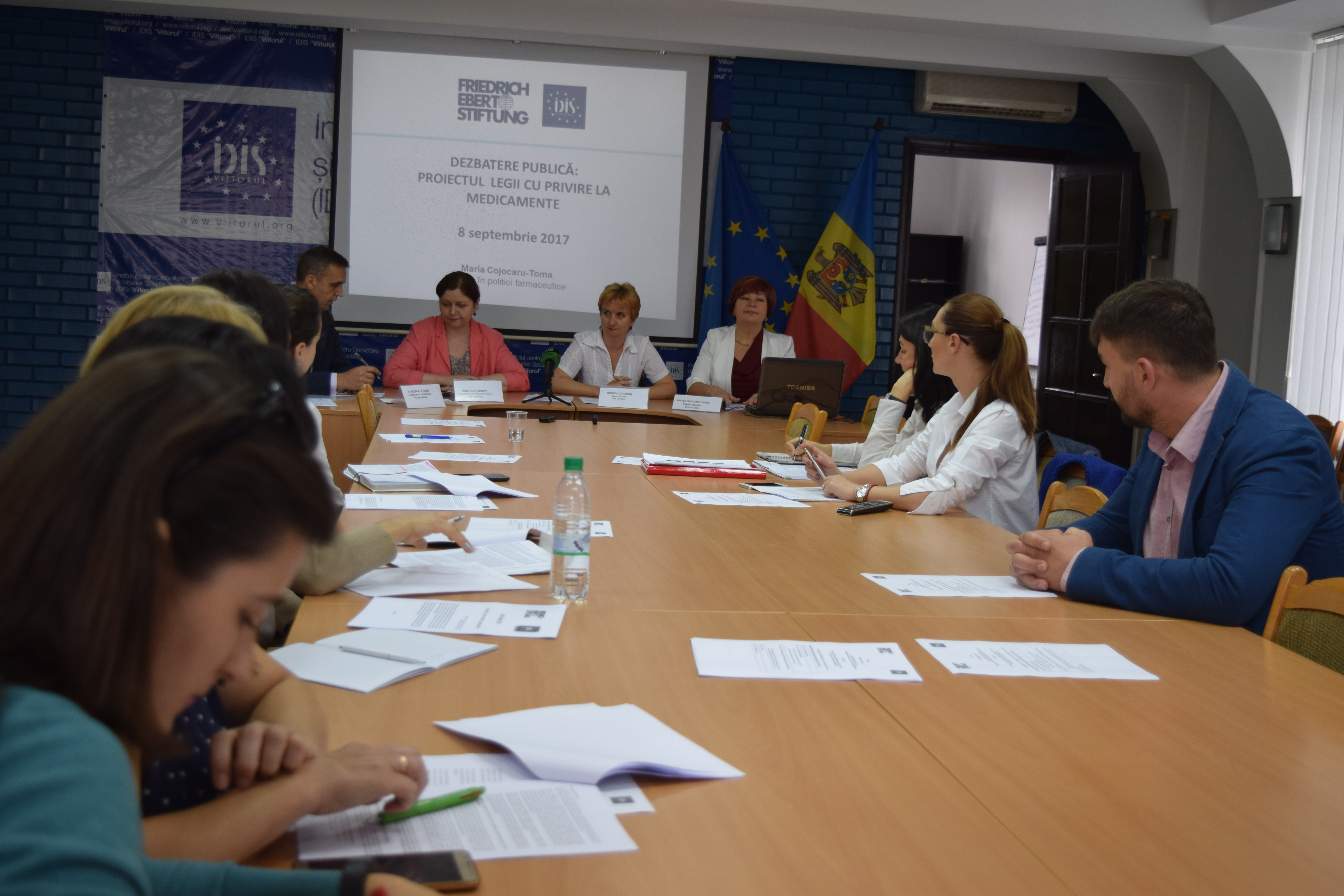
The social impact of medicines is significant, as these products are primarily needed for representatives of socially vulnerable groups, including children, people with disabilities, and older people. Given that the Medicines Law was approved in 1997 and some articles are overcome, a systemic approach is needed to regulate new drug conditions. The proposed bill for public consultations contains a number of specific weaknesses and risks such as the density of pharmacy placement unjustifiably, risks related to the sale of drugs through specialized shops, traceability and flow of medicines are not effective enough, reduced access to compensated medicines in the rural area, the risk of low and counterfeit quality products entering, the regulation of price formation of ineffective medicines and much more.
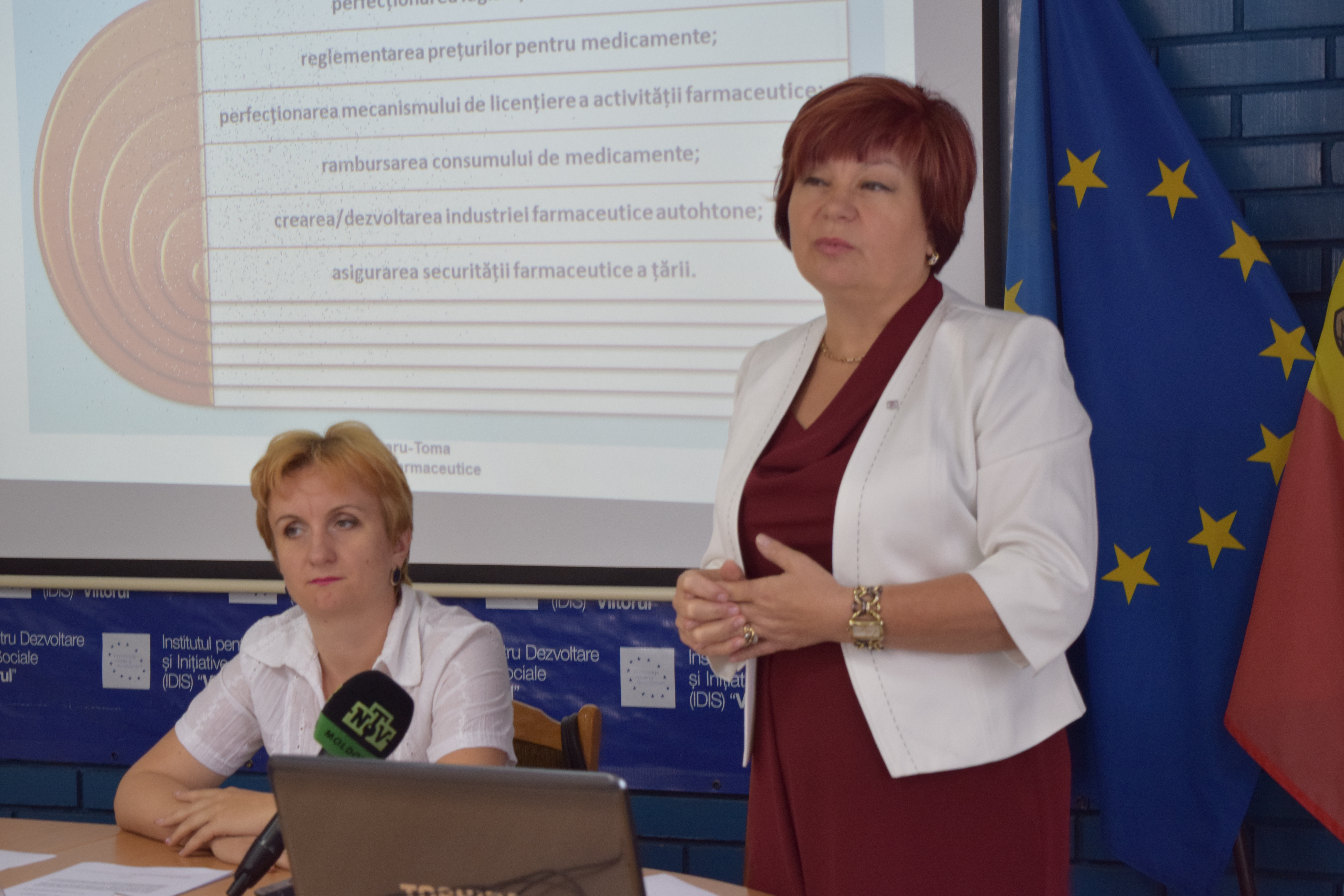
Maria Cojocaru-Toma, a pharmaceutical policy expert, notes in the analytical note on the Medicines project that the risks and impediments in the bill will ultimately lead to serious deviations from state policies in these areas involving more expensive drugs, of lower quality and inaccessibility, the risk of unwarranted and uncontrolled increase in the consumption of pharmaceuticals.
Maria Lăpteanu, the head of the Ministry of Health, said at the event that the ministry will come up with changes to the drug law and will take into account the needs of the population, especially of the specialized drugstore shops. From an economic point of view, the patient has free access to reach.
The representatives of the pharmacies are of the opinion that there is now a need to channel the efforts for the supply of medicines to the Moldovan population, given that in some regions of the country there are even problems.
The main recommendations for improving the law on medicines aim at adjusting the Draft Law on Medicines to European and international best practices on quality and safety of medicines, ensuring AMDM's monitoring and reporting on the activity of all economic agents involved in the proper assurance of serving the population with medicinal products.
At the same time, the author of the Analytical Note argues that there is a need to improve the text of the Draft Law on Medicines, which contains violations and deviations from unanimously accepted rules on the storage, preservation, quality and release of medicines, including the drafting of terms in the field. There is also a need to conduct a profound and multidimensional analysis of the impact of the Draft Law on Medicines on the Population, including rural areas, in order to ensure the protection of citizens' rights to pharmaceutical care, and changes in the pharmaceutical system to be correlated with the reform of the health system as a whole.
The elaboration of the analytical note was made in the framework of the project on the monitoring of political, social processes and the formulation of political syntheses, implemented by IDIS "Viitorul" in partnership with FriedrichEbert-Stiftung.
For more details, contact the Public Relations Coordinator IDIS Viitorul, Victor URSU at ursu.victoor@gmail.com or call 069017396.
Переводчик Google для бизнеса –Инструменты переводчикаПереводчик сайтов
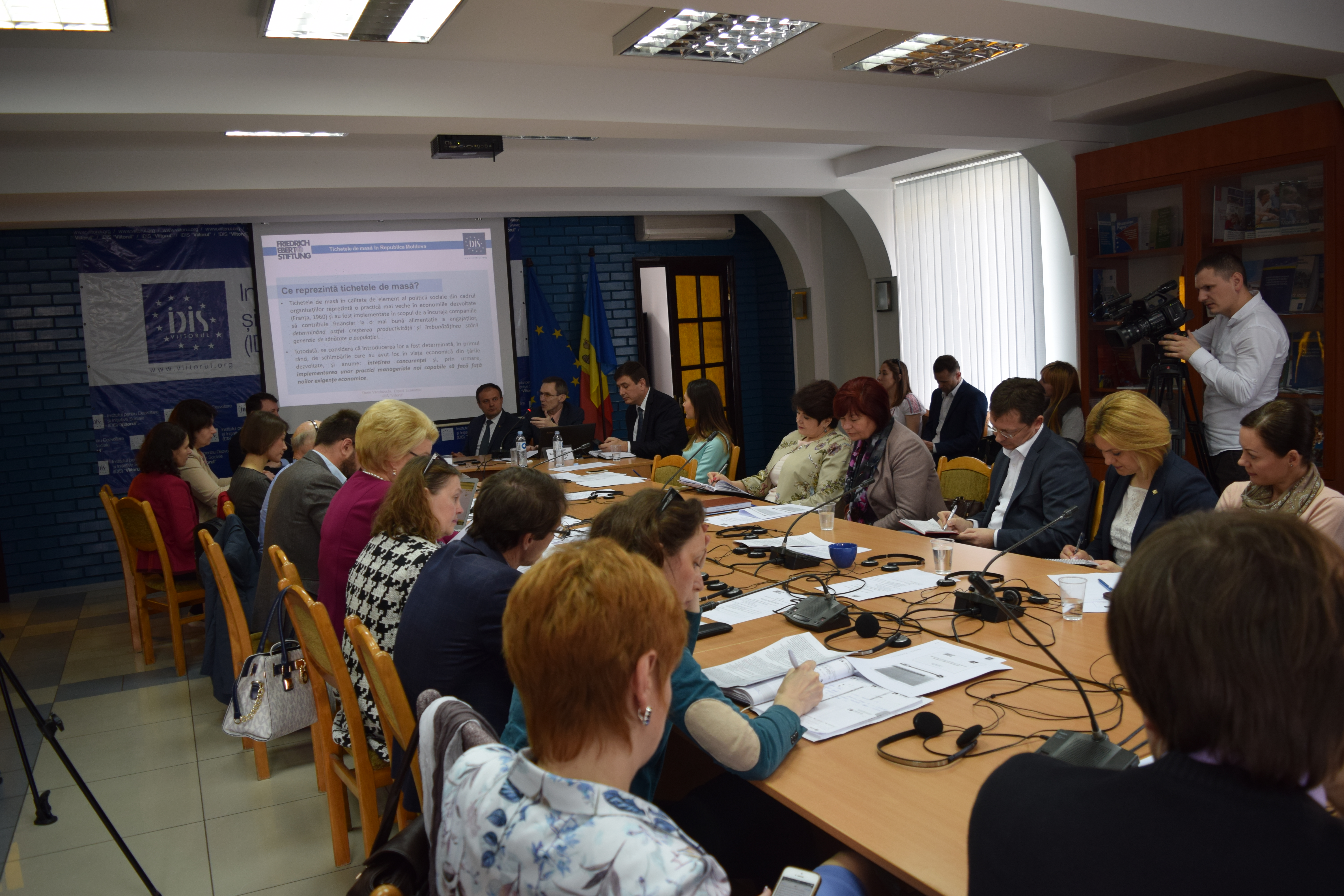
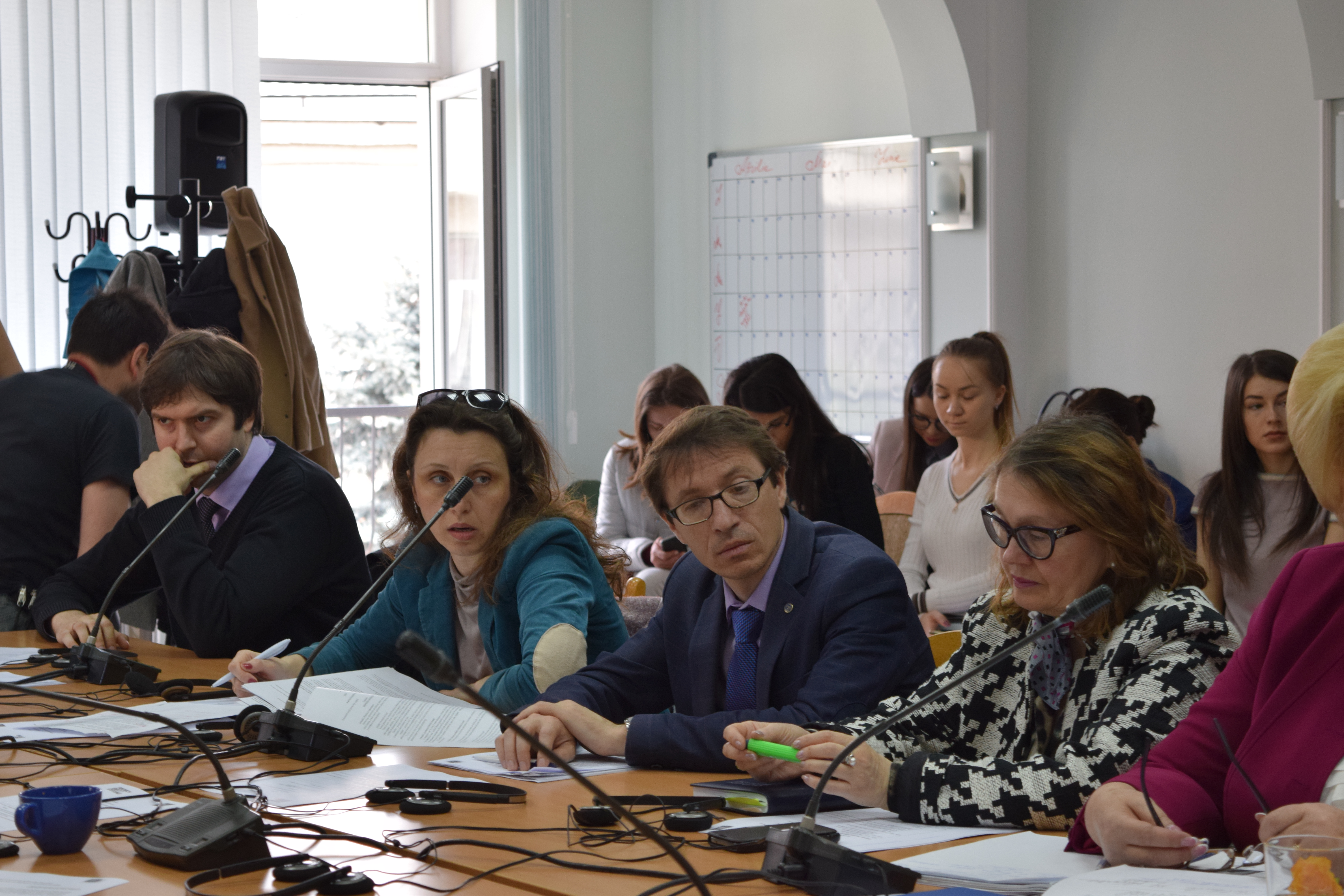
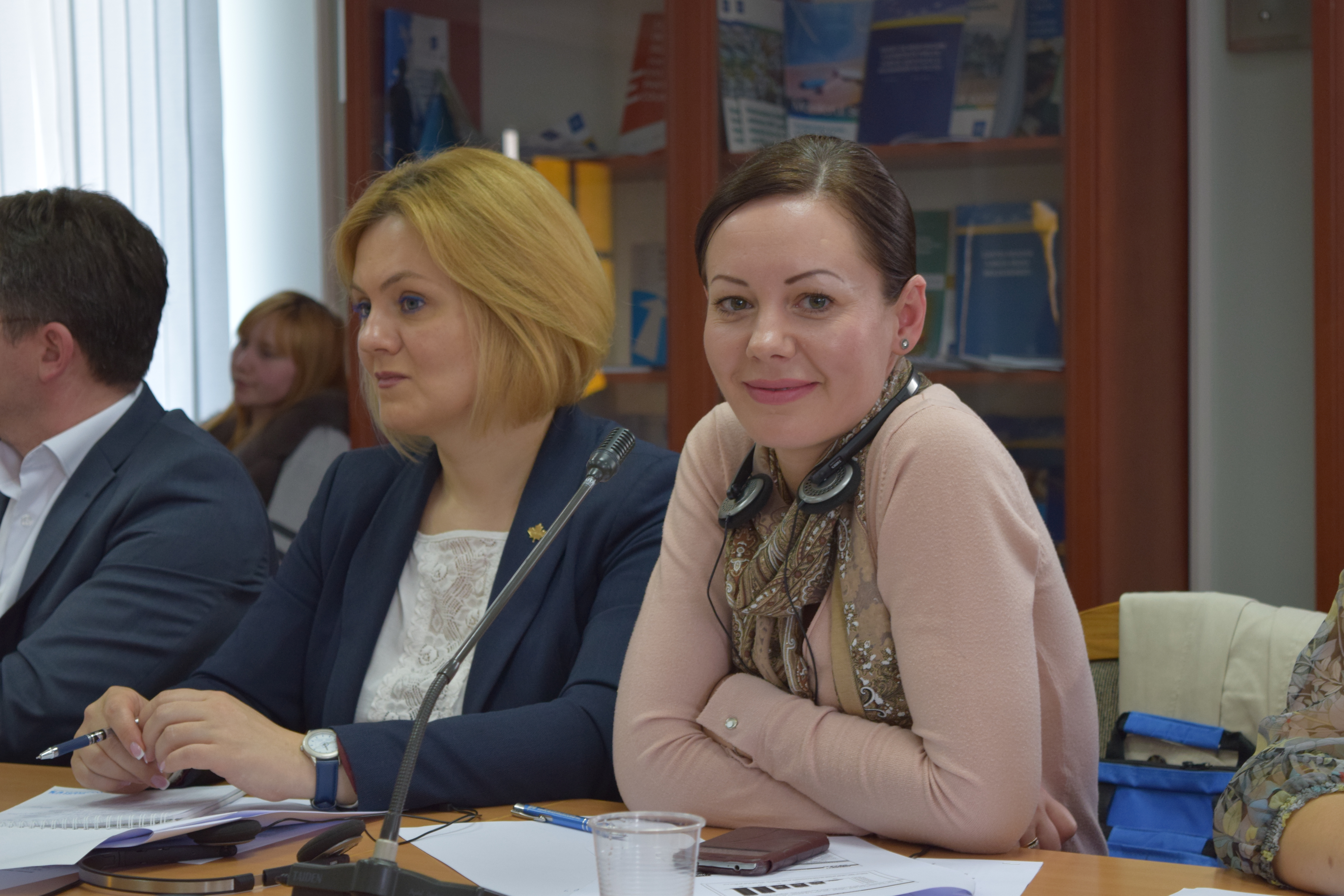
Meal tickets are one of the most popular benefits for employees. However, international practice shows that they are an additional source of income, especially for employees with minimum wage. On the other hand, there is a risk of tax evasion and an electoral initiative, according to the conclusions made in the public debate on the draft law on meal tickets.
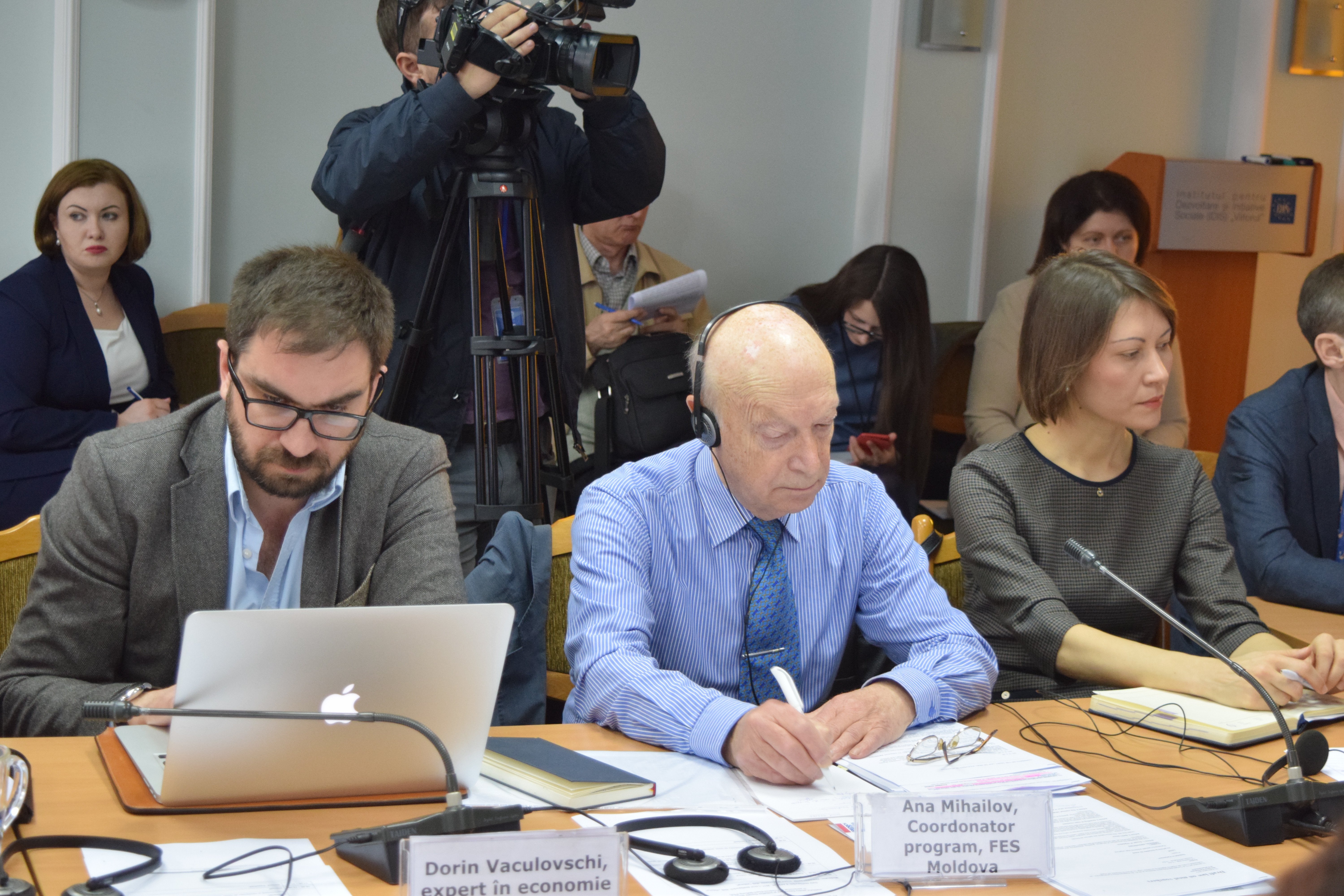
Expert in economics, Dorin Vaculovschi notes that meal tickets contribute to increased expenses for the maintenance of employees in organizations and, respectively, to increase the total expenses incurred by the organization. At the same time, the lack of an overview on the new mechanism of functioning of the social policy based on meal tickets prevent the prospect of an effective implementation of the law, and the economic situation in Moldova only oppresses the implementation of the system based on vouchers (the system is more suitable for industrialized countries).
Present at the discussion, Adrian Candu, Chairman of Parliament and one of the authors of the project, said he sees meal tickets as a social tool and a net income, not taxed from employees. It is a cost to the employer, but deductible. "The price for a ticket was set at 45 lei and took into account the minimum consumption and the inflation rate. In addition to the social part we assume that there will be the economic impact on sales".
"If things seem to be simple in Moldova, meal tickets will complicate them. The initiative should not be seen as a social, but also economic and fiscal one. Tickets appeared in countries with union traditions and later were taken over by companies dealing with tax optimization and promoted in other countries including Moldova. Syncing issue of tickets we can notice that it was promoted in pre-election years (2007, 2008, 2010 and 2016). Thus, a political tool is trying to be wrapped and presented in a good form to society. It is also very difficult to realize the monetary and inflation effects. Given that Moldova has the problem of the Leu in the uncontrolled area, the monetary policy is with bad transmission signals and then a new surrogate included into the economic cycle will only complicate the situation. Moreover, the introduction of tickets cancels further increase of salaries”, said Veaceslav Negruta, Transparency International expert.
"We intend to introduce a social protection instrument. We are sure we can find formulas required to achieve the maximum benefit for employees. We opt for transparent discussions on the project with the involvement of experts and trade unions. We must keep in mind that the state is the largest employer", believes Valentina Buliga.
"Any social project promoted in society should take account primarily socio-economic situation in the country. If you analyze the data, in recent years the number of employees was reduced substantially on a background of the growing number of pensioners and recipients of social benefits. The number of employees is not so great, and the presence of many in the informal sectors hinders the overall situation because the number of contributors to the social pension fund is declining annually. Moreover, a large number of young potential employees who are not in school or nor employed, about 18% is maintained. Respectively, meal tickets are more necessary for pensioners and vulnerable groups living in poverty, for whom a hot lunch is a luxury" said an expert in social policy from IDIS Viitorul, Viorica Antonov.
The public debate was organized within the project on monitoring political and social processes, and formulating political synthesis, implemented by IDIS "Viitorul", in partnership with the Friedrich-Ebert-Stiftung Foundation.
For more details, please contact the Public Relations Coordinator of IDIS "Viitorul", Victor Ursu - 069 017 396 or e-mail ursu.victoor@gmail.com
In 2016 the number of deaths on pedestrian crossings in Chisinau went up by a quarter or 25% compared to 2012, reaching nearly 60 people, while the number of injured was around 1400 people. Or, statistics of the Traffic Police show that over 50% of road accidents in the capital are actually involving pedestrians and cyclists. This is the opinion of the IDIS expert, Iurie Gotisan expressed in the program "15 minutes of economic realism".
Data analysis suggests that a higher proportion of accidents occur on certain pedestrian crossings within the evening hours, 18:00-06:00. Over 60% of these take place in Chisinau. Compared to the number of people killed in many cities around the world due to such accidents, Chisinau has, unfortunately, primacy, registering 8.5 persons reported per 100,000 inhabitants, compared to Stockholm - 0.7 persons Berlin - 1.5 persons or Bucharest - 6.2 persons.
"Moldova would place among the firsts in Europe and Central Asia on the cost of road accidents, with spending estimated at slightly more than $ 1 billion according to a thematic report of the World Bank. Thus, the estimated cost of a death in Moldova is something more than $ 500,000, almost 2 times less than in Romania and far less than in this situation observed in Slovenia or the Czech Republic. This fact proves that it is possible to significantly reduce the number of people injured/deceased while improving the pedestrian experience. Or, and this data tell us that the life of Moldovan costs less compared to a European life. Currently, the only way to fight of the Chisinau Town Hall is the location of speed limiters. Of course, these are not always the most effective", explained Gotisan.
To avoid traffic accidents the expert recommends stringent measures to intensify control over the observance of traffic rules, improving infrastructure for pedestrians and organizing special operations and information campaigns. "Arrangements for traffic calming are necessary and improved pedestrian crossings - signs endorsement crossings should be located at least 50 m ahead of them. Also, specific electronic devices to stop the vehicle, it may be installed, like in the UK".
"The analysis should compare utility / cost them in other ways such as 1. lighting pedestrian crossings because many accidents occur because of this, namely, the reduced visibility for both pedestrians and drivers; 2. Location of pedestrian refuges; protecting the trolley and bus stations, 3. Setting the speed limit of 30km / h in vast areas of the town. All these measures would estimate at about 20 million lei. We can only conclude that depending on the risk, we need a mix of intervention between the items identified", concluded Iurie Gotisan.
The show is performed by IDIS “Viitorul” in partnership with Radio Free Europe.
Migranții moldoveni care muncesc în Federația Rusă au un aport esențial în economia țării după volumul remitențelor pe care le trimit acasă, însă ei sunt folosiți în aspectele politice sau geopolitice de către autoritățile Federației Ruse și Republicii Moldova. Este concluzia, expertului IDIS Viitorul, Ion Tăbârță formulată la emisiunea „15 minute de realism economic”.
„Președintele Republicii Moldova ar trebui să elimine aspectele politice din discuții în abordarea statutului cetățenilor moldoveni aflați la muncă în Federația Rusă. Este foarte greu de spus cum se va face acest lucru în condițiile în care avem un proiect politic care pe deplin folosește mecanismul de soft power (puterea blândă n.a.) promovat de Federația Rusă. Pe de altă parte, vedem că Moscova nu arată disponibilitatea să discute echilibrat fără a utiliza astfel de pârghii cu caracter geopolitic asupra statelor din spațiul CSI”, a explicat Ion Tăbârță.
Potrivit expertului un exemplu de soft power folosit de Federația Rusă în raport cu Republica Moldova a fost intenția de tergiversa semnarea de către Chișinău a Acordului de Asociere. Instrumentele folosite au fost presiunile economice și situația migranților moldoveni. Or, după unele presupuneri, actualul președinte al Republicii Moldova, Igor Dodon, ar fi consultat Moscova, în vara anului 2013, pentru ca Rusia să pună în aplicare mecanismele soft power contra Chișinăului, iar acest lucru i-a adus un plus de imagine în alegerile parlamentare din 2014, cât și la câștigarea prezidențialelor din anul 2016.
Conform datelor oficiale ale instituțiilor migraționiste ruse, în Federația Rusă se află 525 de mii, dar numărul exact al acestora nu se cunoaște, iar în ultimii ani volumul remiterilor s-a redus la substanțial ca urmare a deprecierii rublei rusești, dar și a expulzărilor în masă. Or, autoritățile RM au spus că sunt gata să ofere soluții pentru migranții expulzați din Rusia, dar nu s-au ținut de promisiuni. Locurile de muncă se împuținează, pe fundalul unei retorici agresive pro-Est.
Pentru alte detalii, vă rugăm să contactaţi responsabilul pe presă, Victor URSU la următoarea adresă: ursu.victoor@gmail.com sau la numărul de telefon 069017396.
In 2016 the number of deaths on pedestrian crossings in Chisinau went up by a quarter or 25% compared to 2012, reaching nearly 60 people, while the number of injured was around 1400 people. Or, statistics of the Traffic Police show that over 50% of road accidents in the capital are actually involving pedestrians and cyclists. This is the opinion of the IDIS expert, Iurie Gotisan expressed in the program "15 minutes of economic realism".
Data analysis suggests that a higher proportion of accidents occur on certain pedestrian crossings within the evening hours, 18:00-06:00. Over 60% of these take place in Chisinau. Compared to the number of people killed in many cities around the world due to such accidents, Chisinau has, unfortunately, primacy, registering 8.5 persons reported per 100,000 inhabitants, compared to Stockholm - 0.7 persons Berlin - 1.5 persons or Bucharest - 6.2 persons.
"Moldova would place among the firsts in Europe and Central Asia on the cost of road accidents, with spending estimated at slightly more than $ 1 billion according to a thematic report of the World Bank. Thus, the estimated cost of a death in Moldova is something more than $ 500,000, almost 2 times less than in Romania and far less than in this situation observed in Slovenia or the Czech Republic. This fact proves that it is possible to significantly reduce the number of people injured/deceased while improving the pedestrian experience. Or, and this data tell us that the life of Moldovan costs less compared to a European life. Currently, the only way to fight of the Chisinau Town Hall is the location of speed limiters. Of course, these are not always the most effective", explained Gotisan.
To avoid traffic accidents the expert recommends stringent measures to intensify control over the observance of traffic rules, improving infrastructure for pedestrians and organizing special operations and information campaigns. "Arrangements for traffic calming are necessary and improved pedestrian crossings - signs endorsement crossings should be located at least 50 m ahead of them. Also, specific electronic devices to stop the vehicle, it may be installed, like in the UK".
"The analysis should compare utility / cost them in other ways such as 1. lighting pedestrian crossings because many accidents occur because of this, namely, the reduced visibility for both pedestrians and drivers; 2. Location of pedestrian refuges; protecting the trolley and bus stations, 3. Setting the speed limit of 30km / h in vast areas of the town. All these measures would estimate at about 20 million lei. We can only conclude that depending on the risk, we need a mix of intervention between the items identified", concluded Iurie Gotisan.
The show is performed by IDIS “Viitorul” in partnership with Radio Free Europe.
Civil society and academia representatives are against liquidation of training programs through which secondary school teachers are prepared for. The reaction follows the inclusion in the agenda of the Government draft decision aimed at liquidation of all specialties from the Pedagogical University "Ion Creanga" and the State University of Tiraspol in Chisinau, State University of Balti, Comrat State University, State University of Cahul and one in Taraclia who train teachers for secondary schools and colleges.
"It is incorrect from the Ministry of Education to publish on its official page a version if the classification of professions for the general public and for the Government to prepare a new version of the document. Already 1,300 people have signed the petition for termination of questionable educational experiments, initiated by the Ministry of Education", explained Veaceslav Ionita, Associate Professor, IDIS “Viitorul” expert.
Alexandra Barbaneagră, Associate professor believes that "the new nomenclature comes with flagrant violations of the UNESCO international documents, national and Education Code".
"The position of the Ministry of Education shows a lack of dialogue between central government, academia and the civil society. If the government will follow this initiative, which is at odds with the position of the Rector's Council, with the position of civil society and academia, then this political decision will create a gap and lack of communication between the central authorities, the civil society and academia”, believes Liubomir Chiriac, University professor and Vice-director of IDIS “Viitorul”
Civil society and academia representatives demanded from decision makers, including the Prime Minister Pavel Filip to take a constructive position to support the priority area - Educational Sciences.