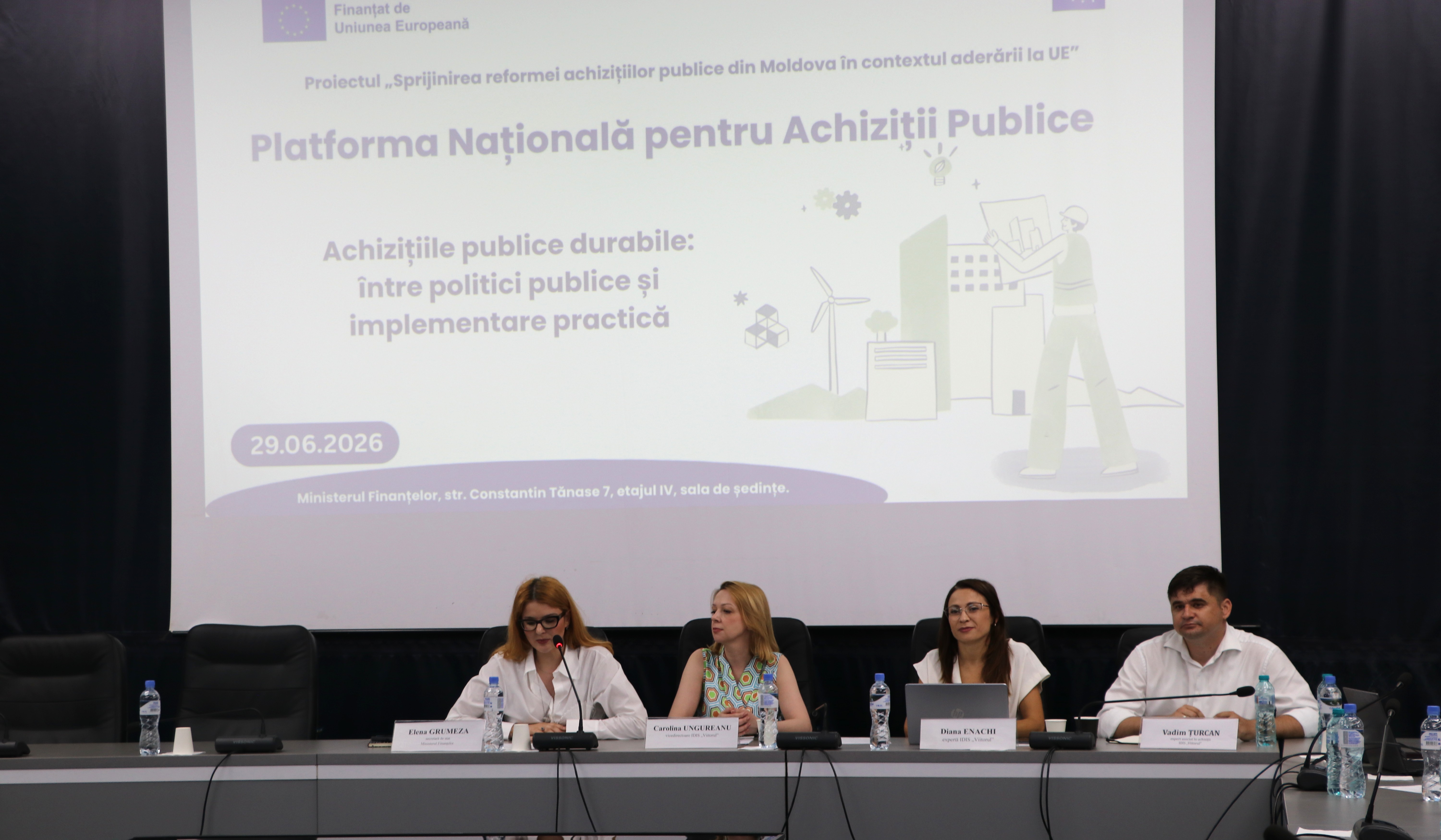
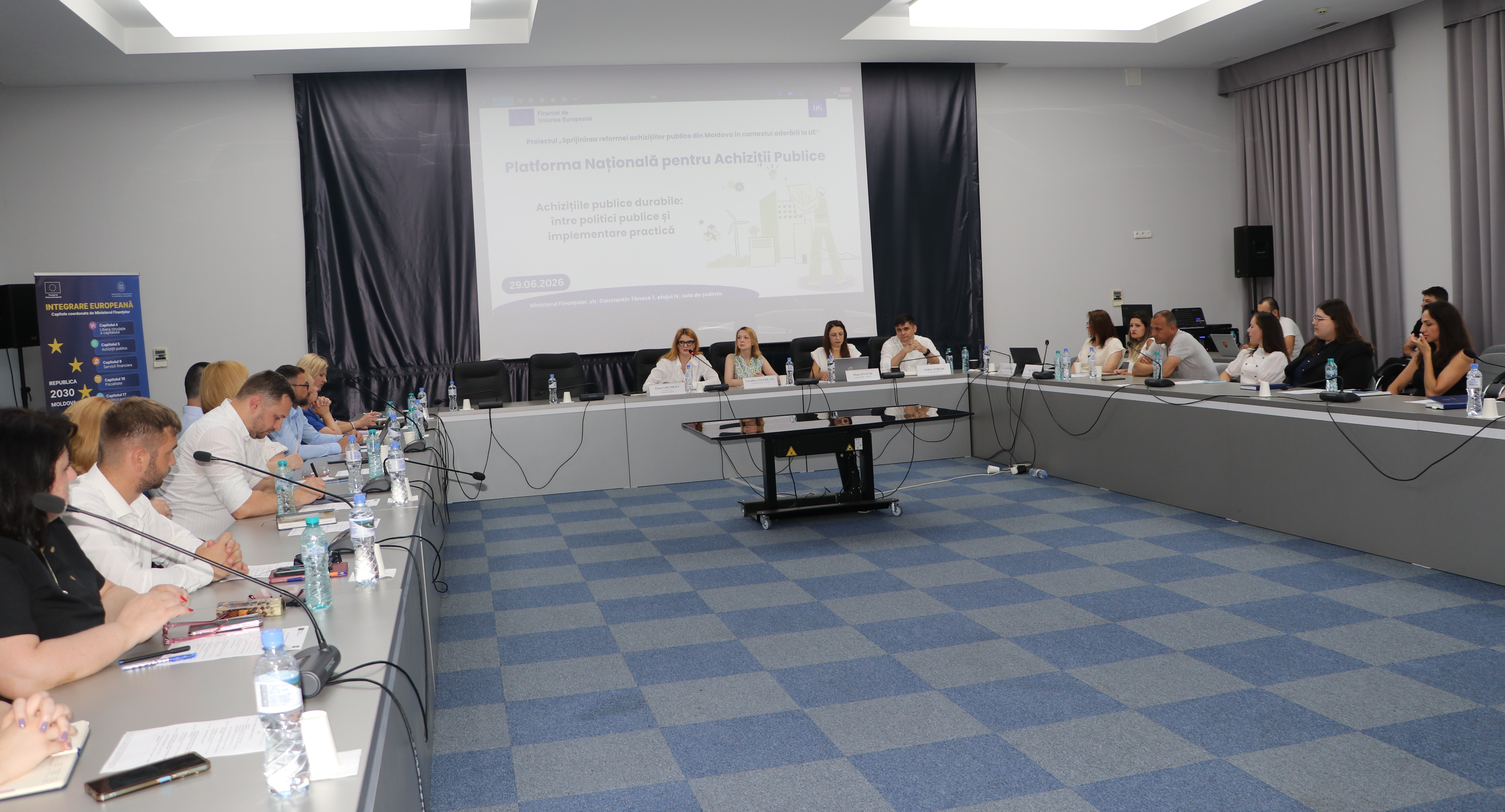
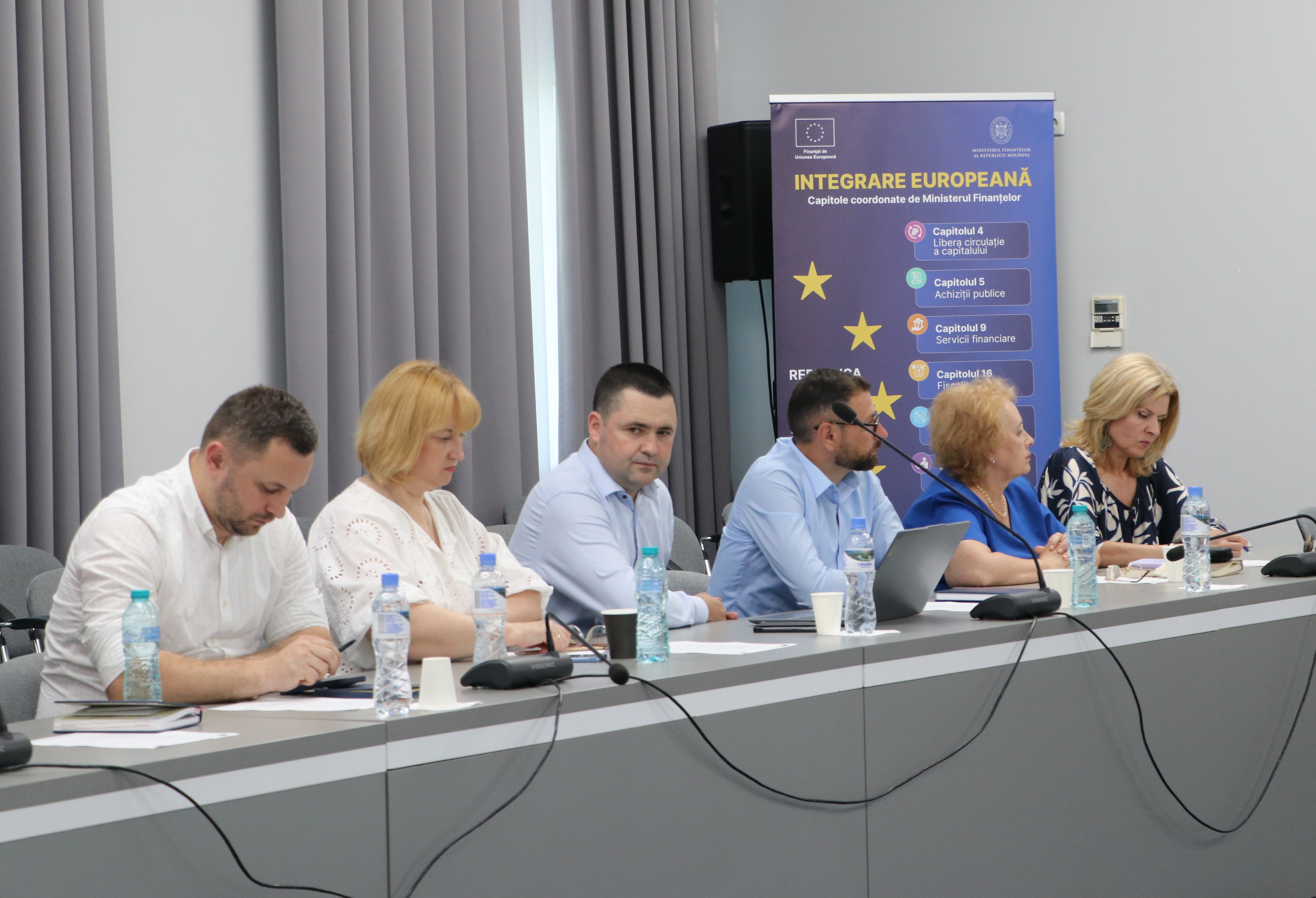
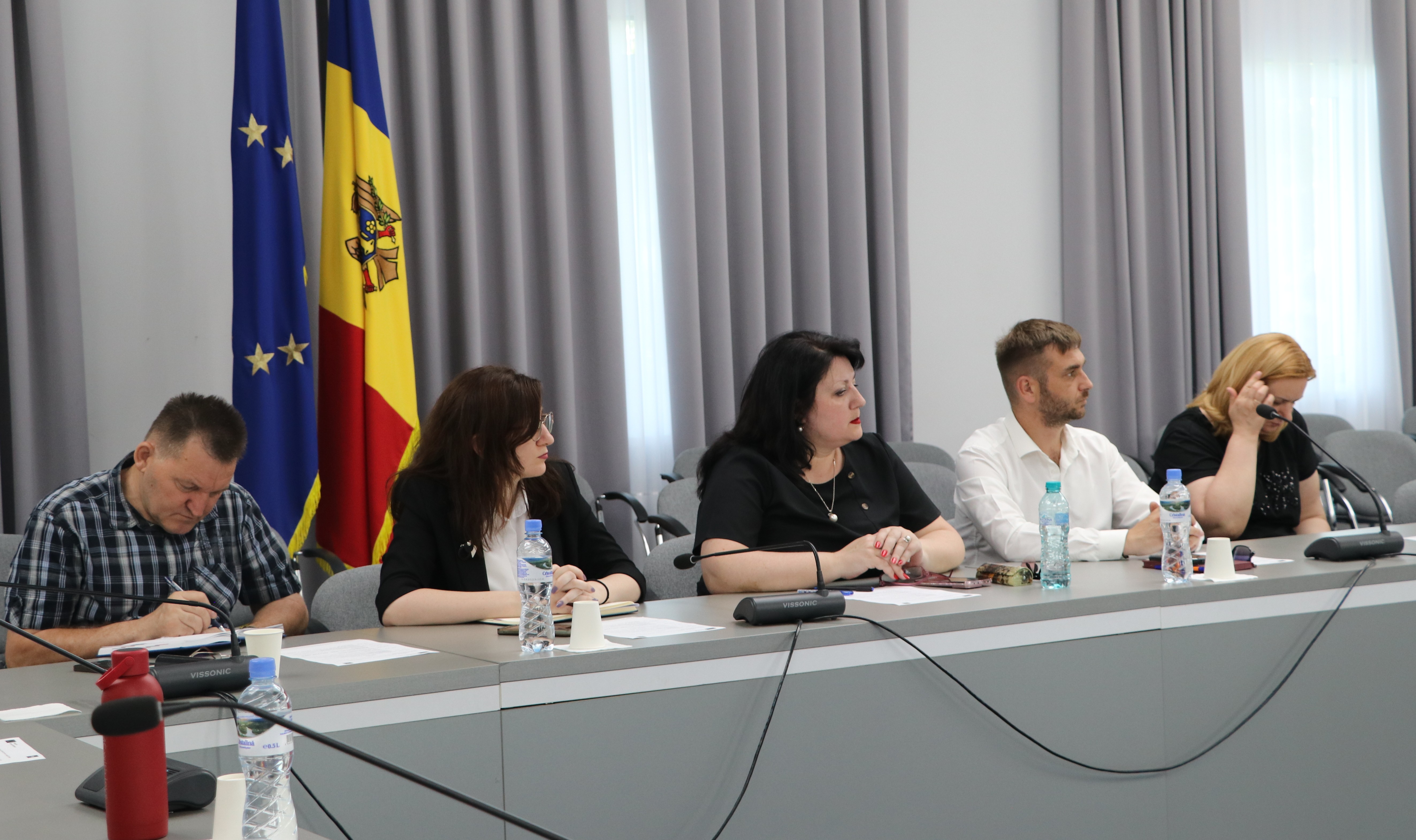
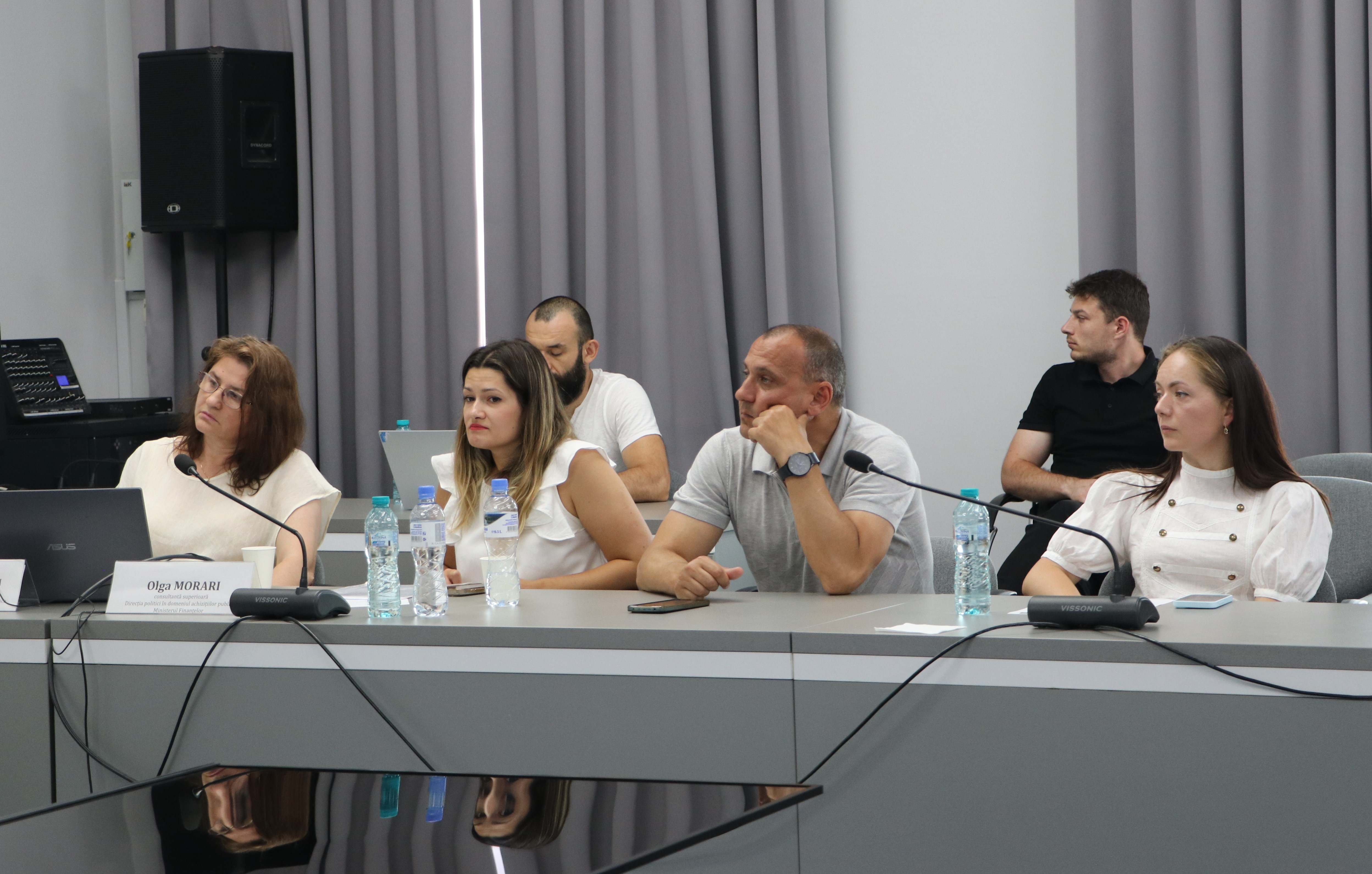
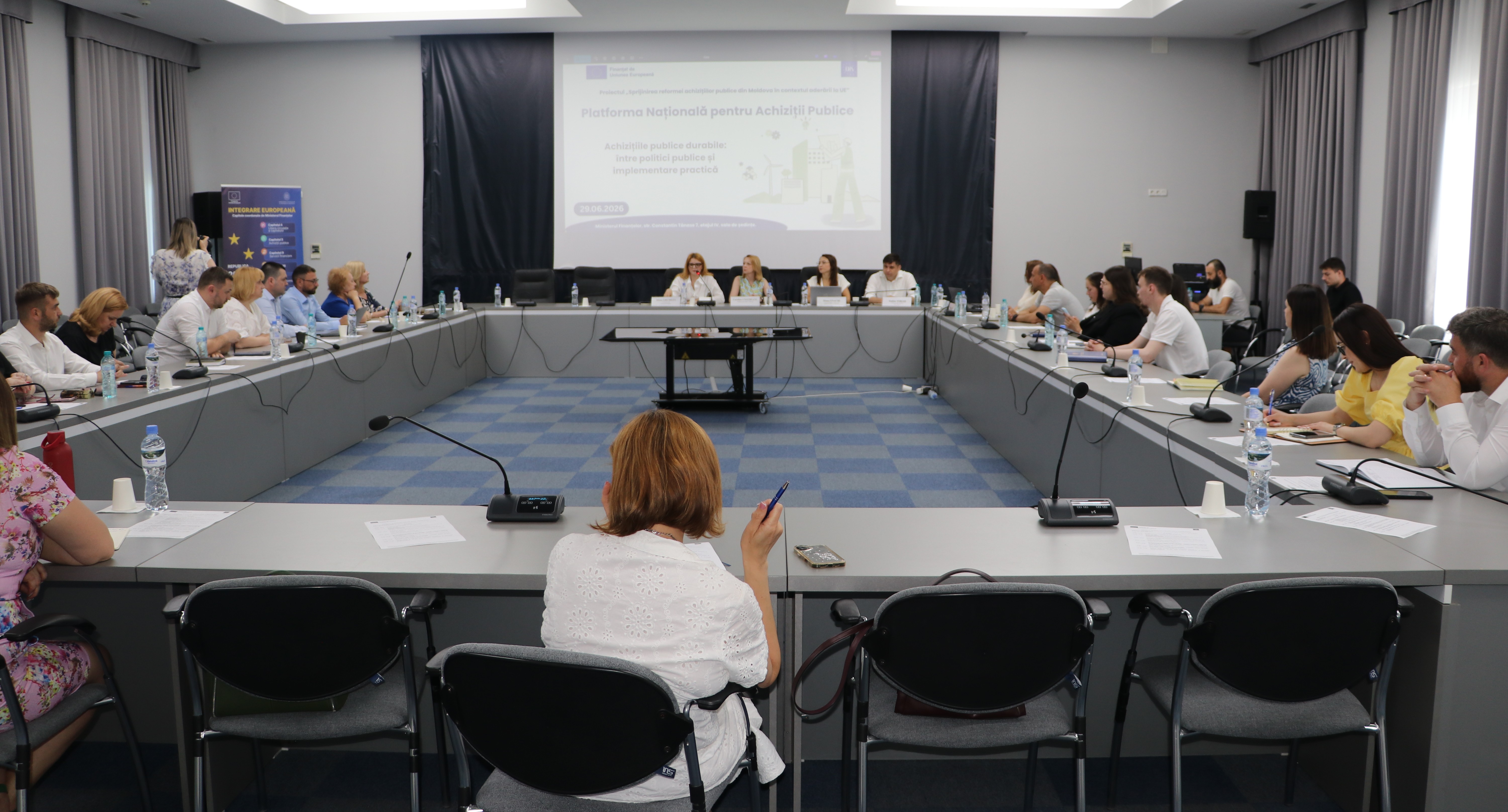
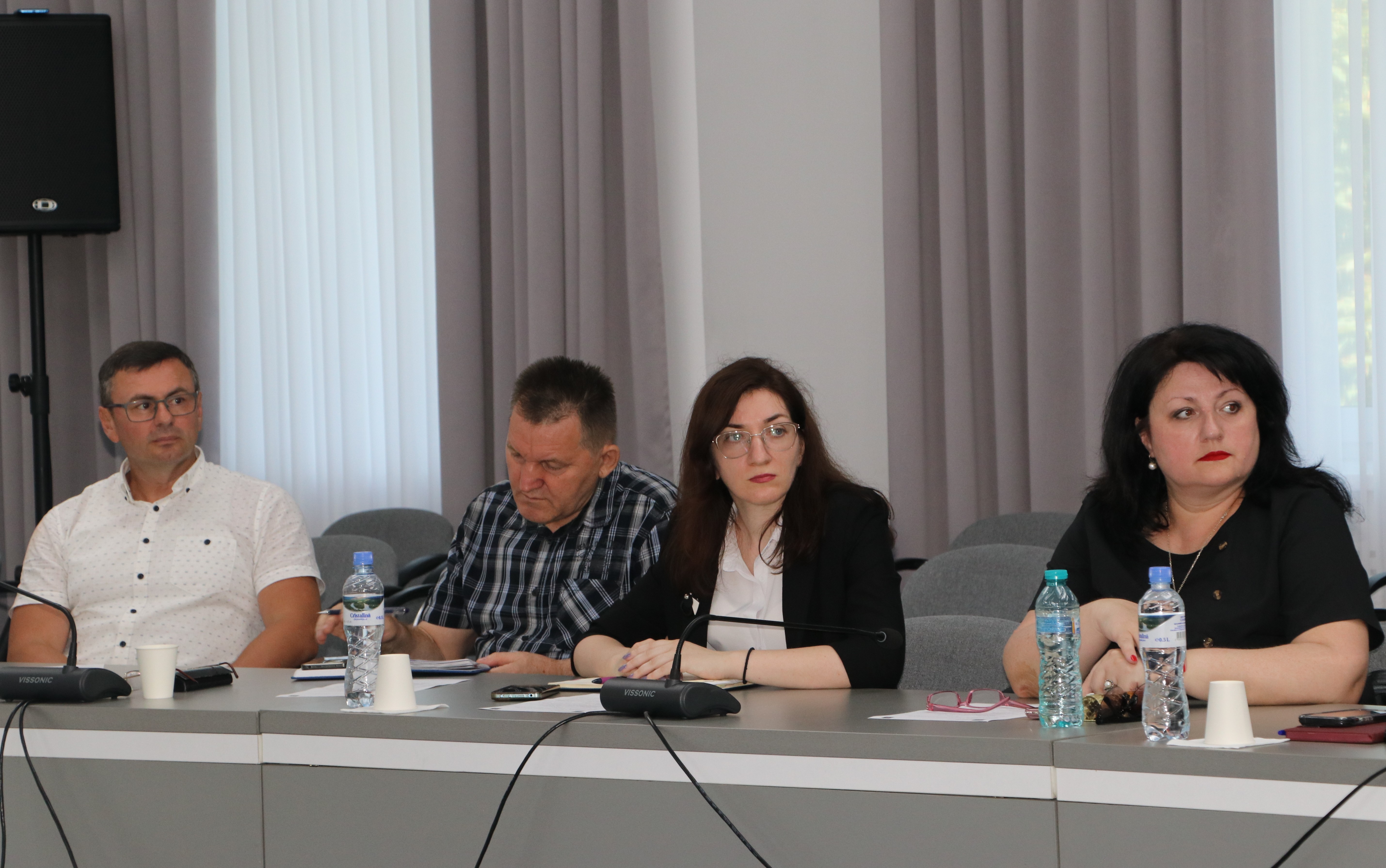
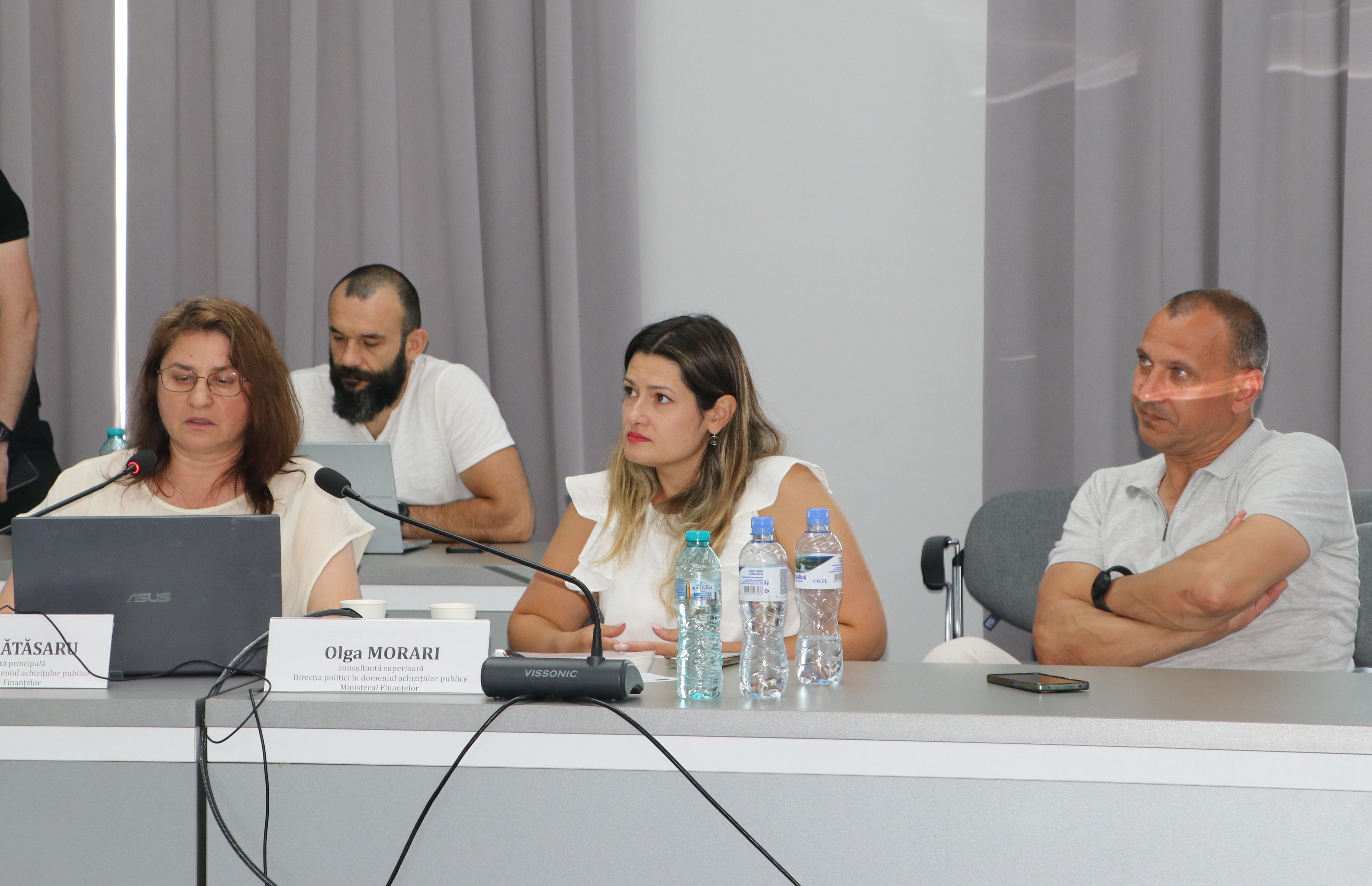
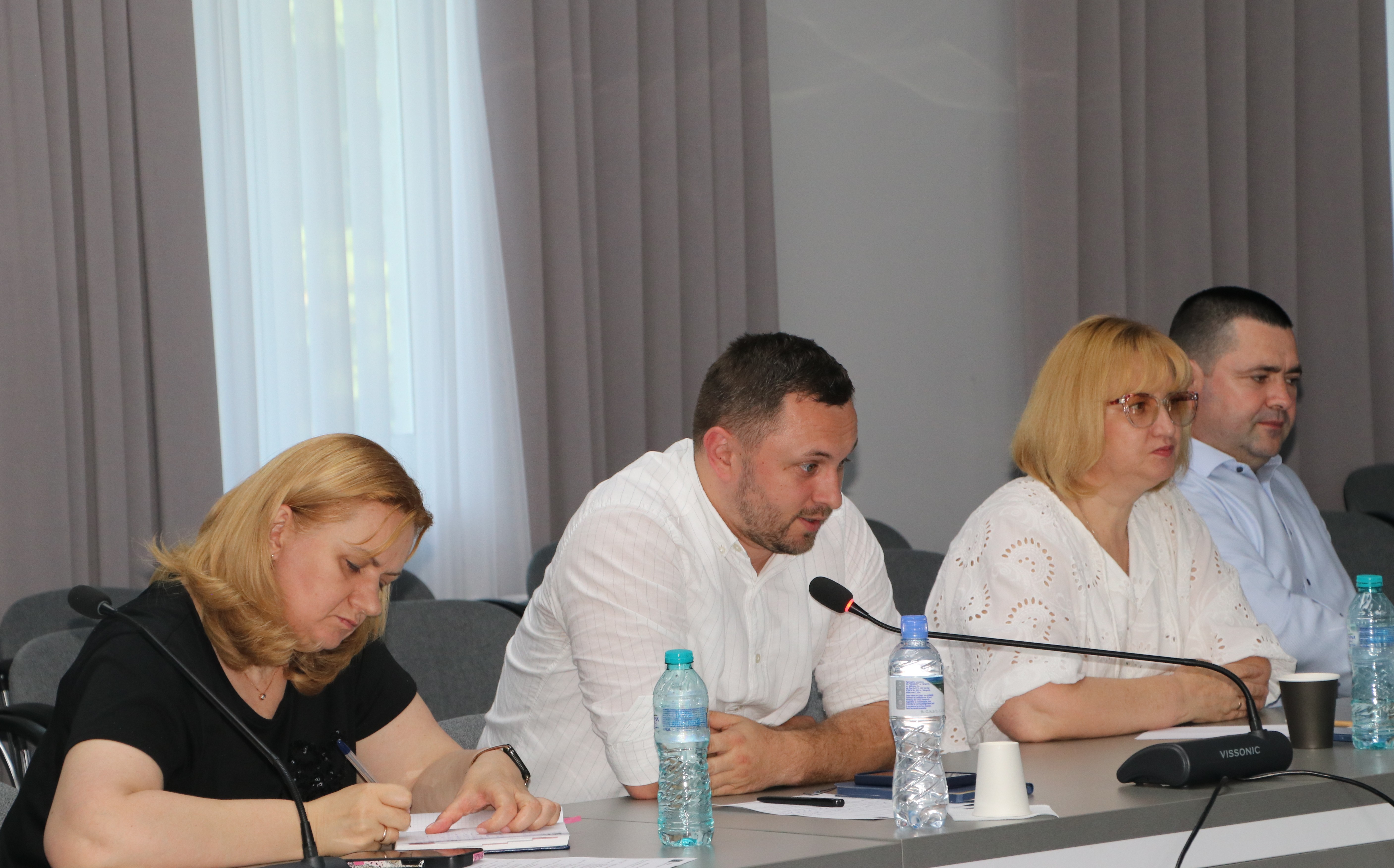
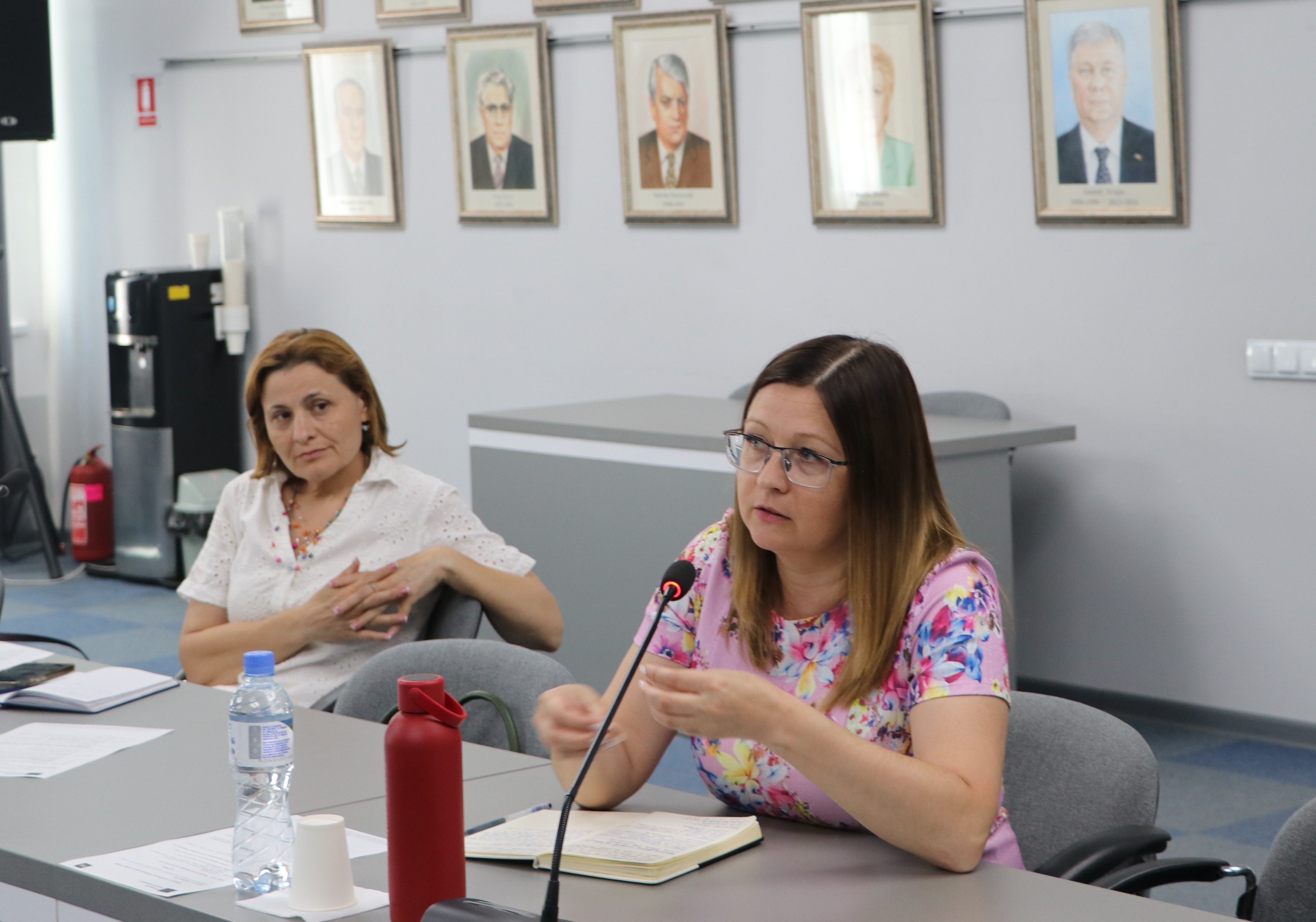
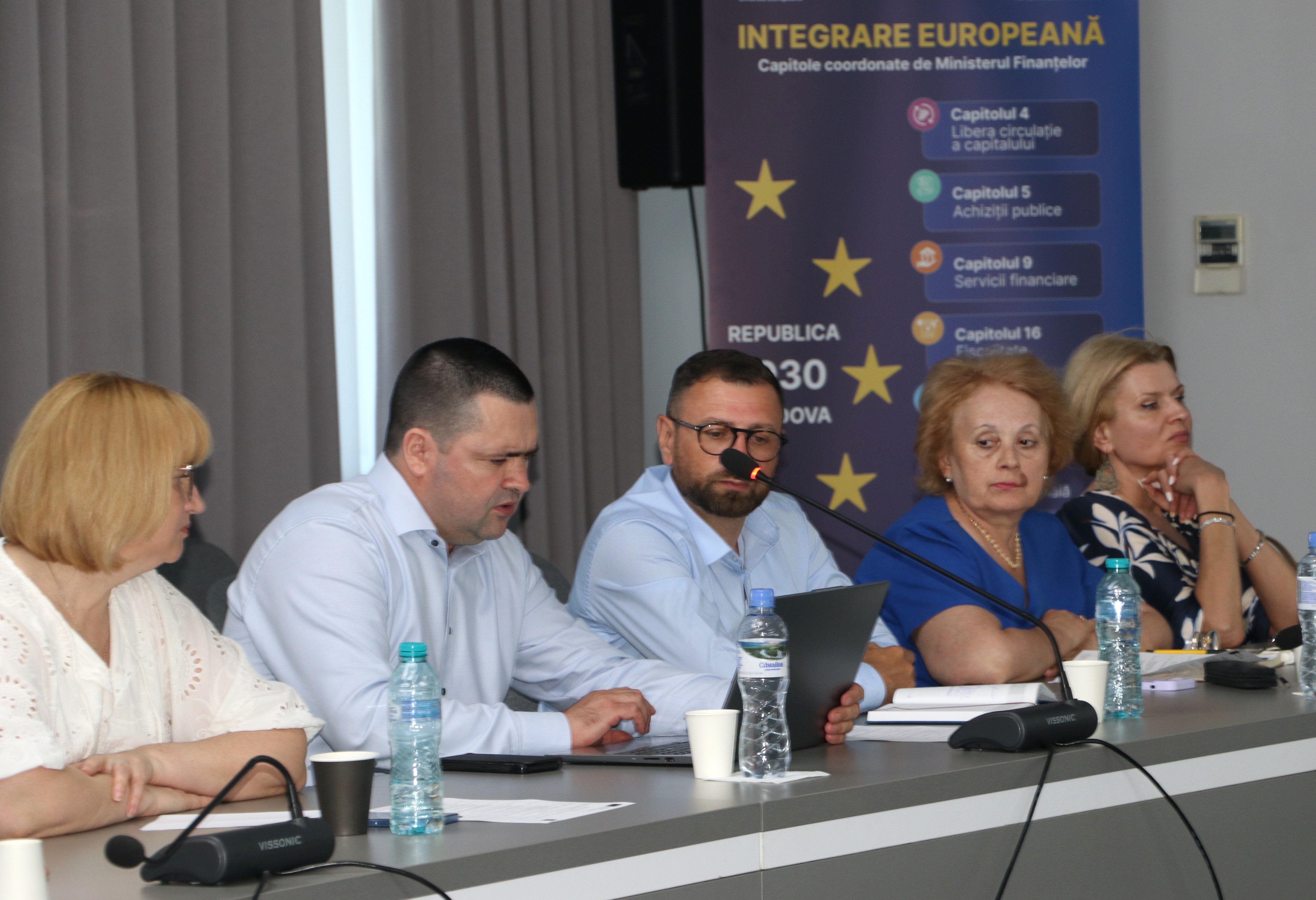
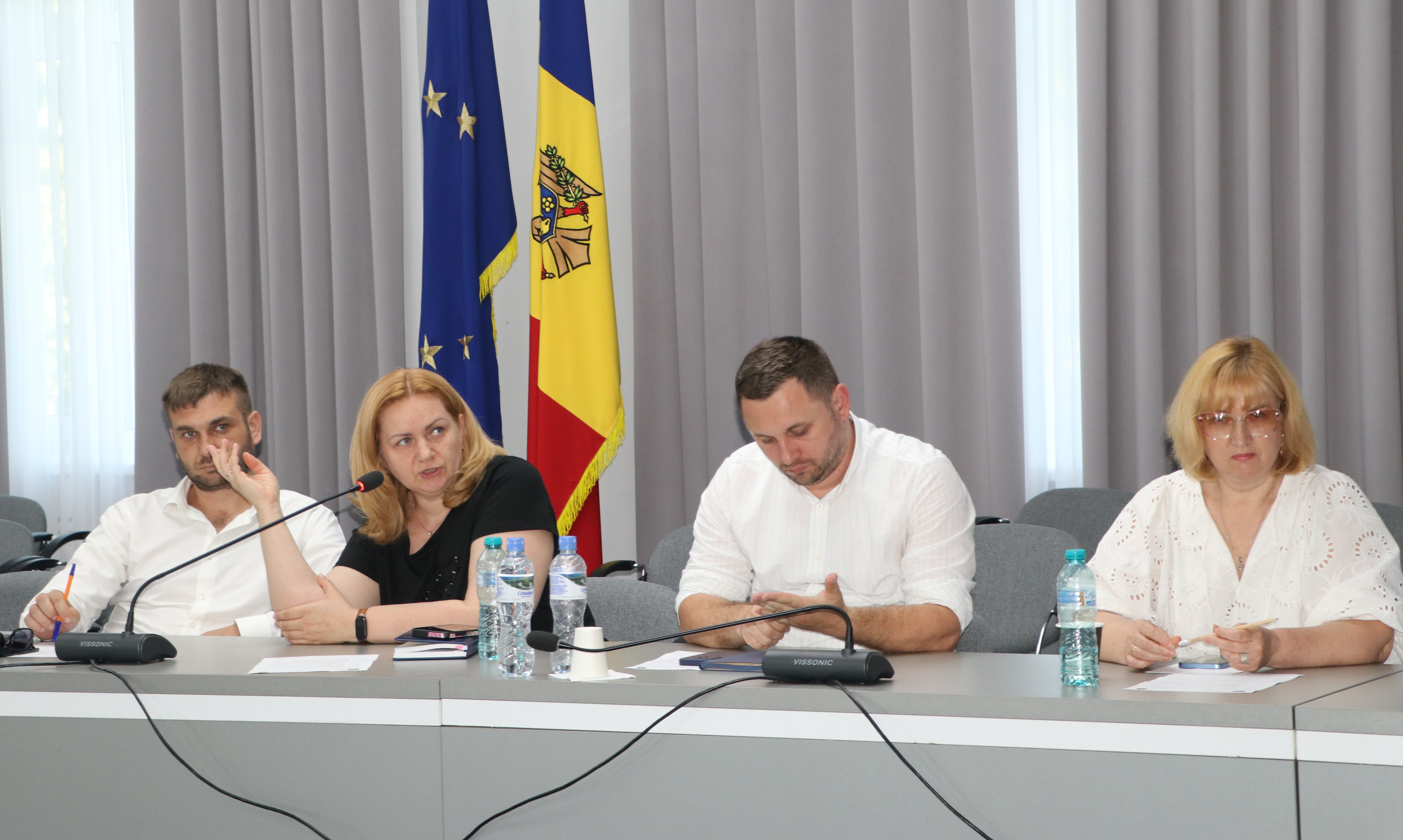
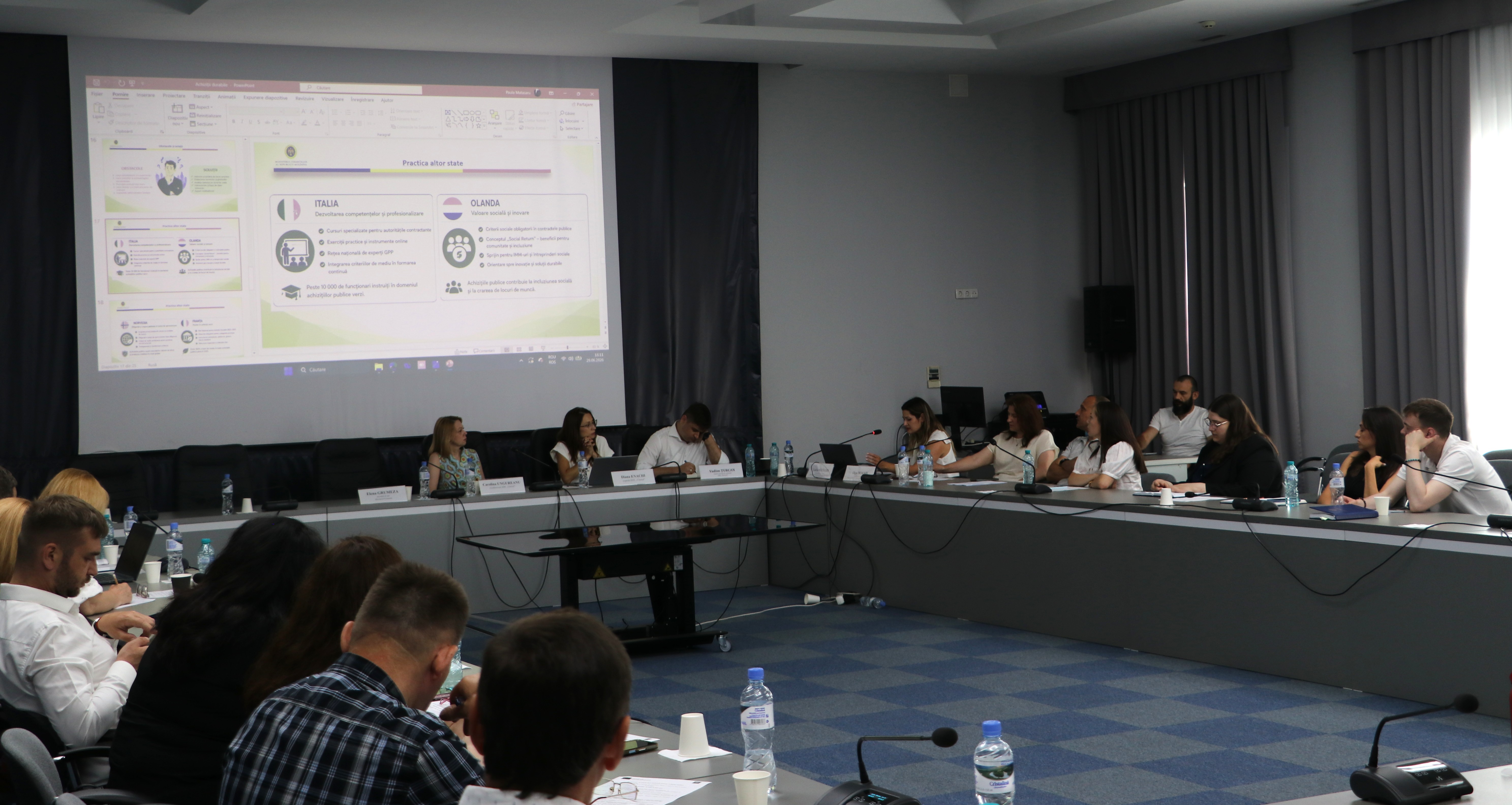
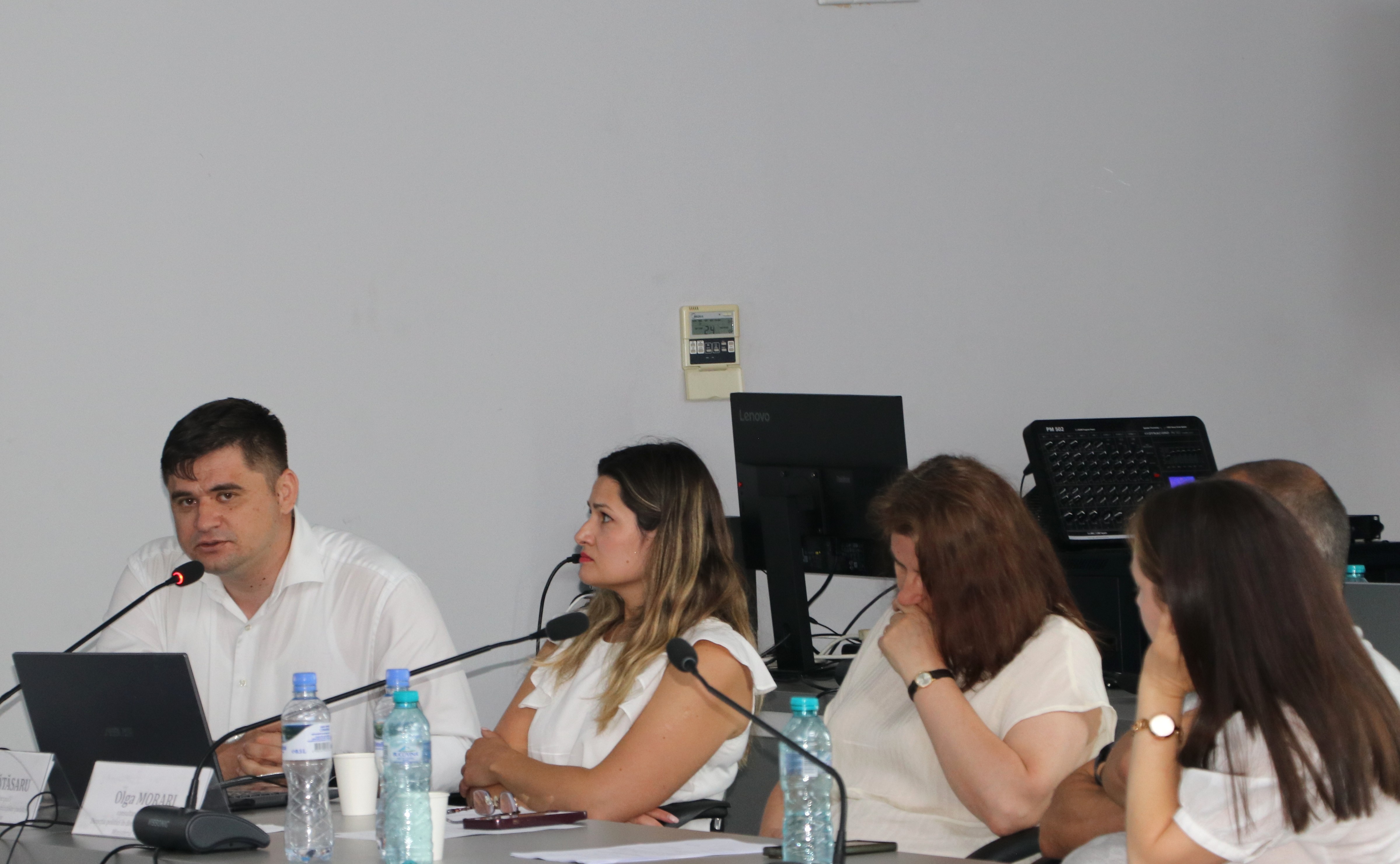
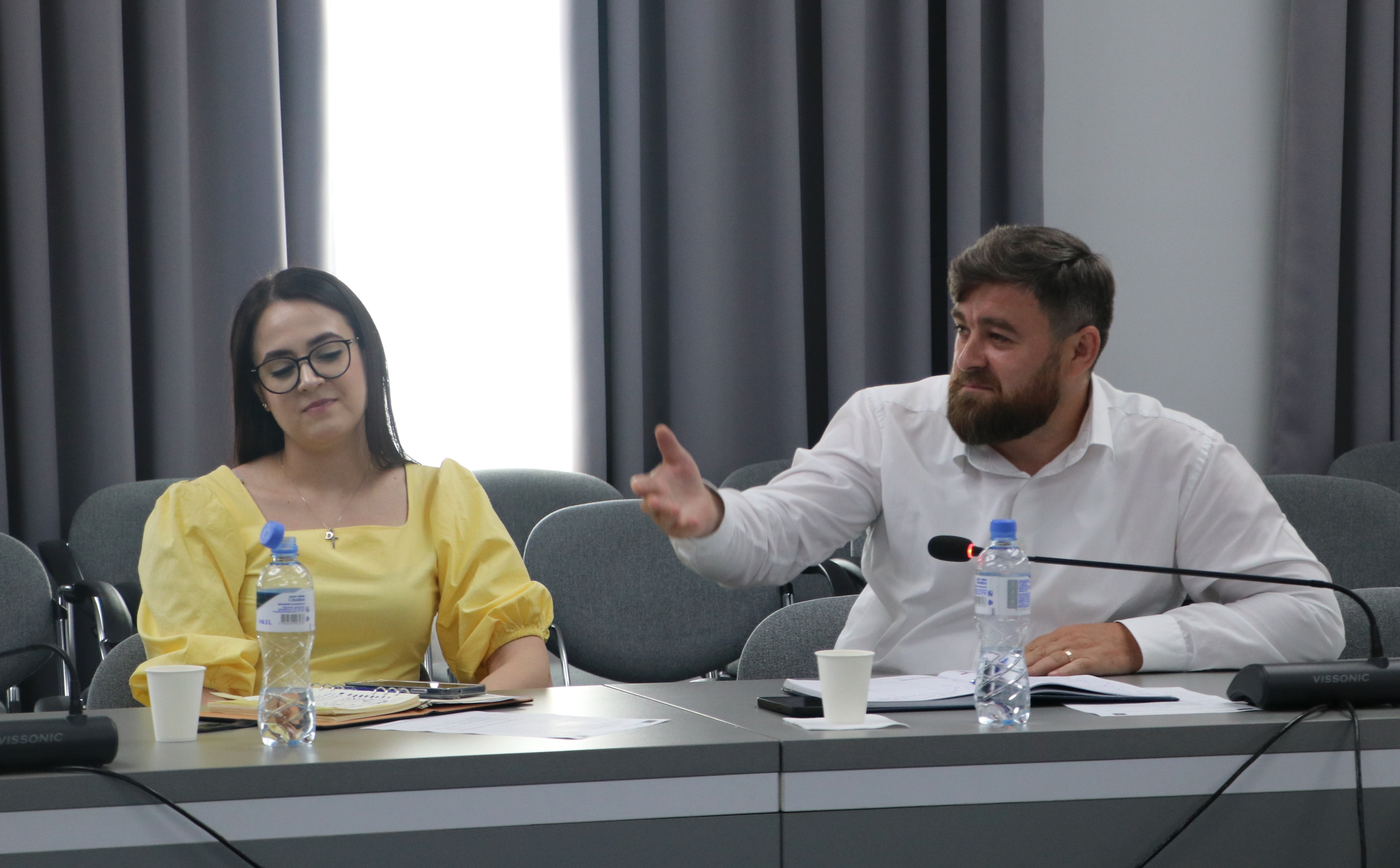
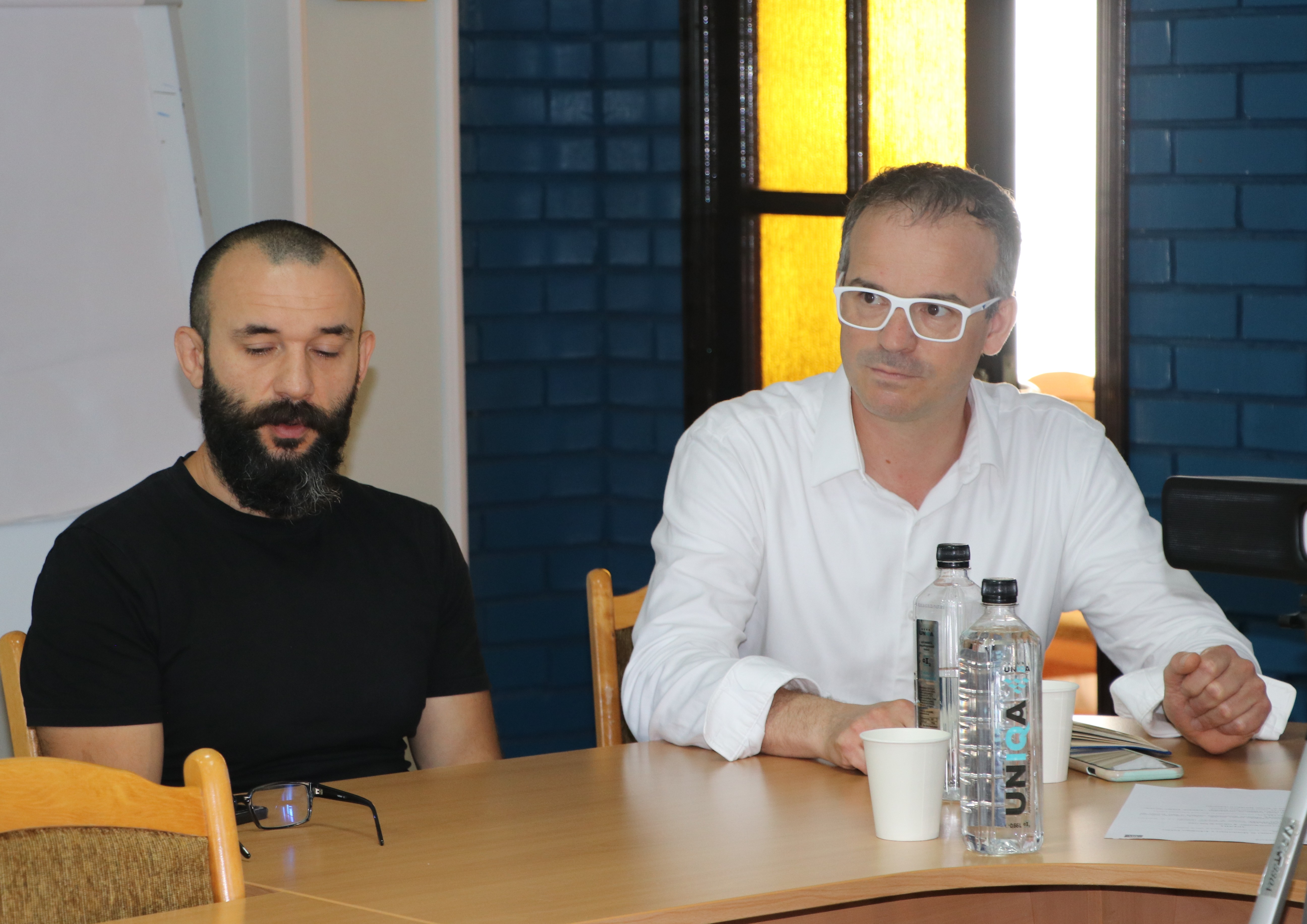
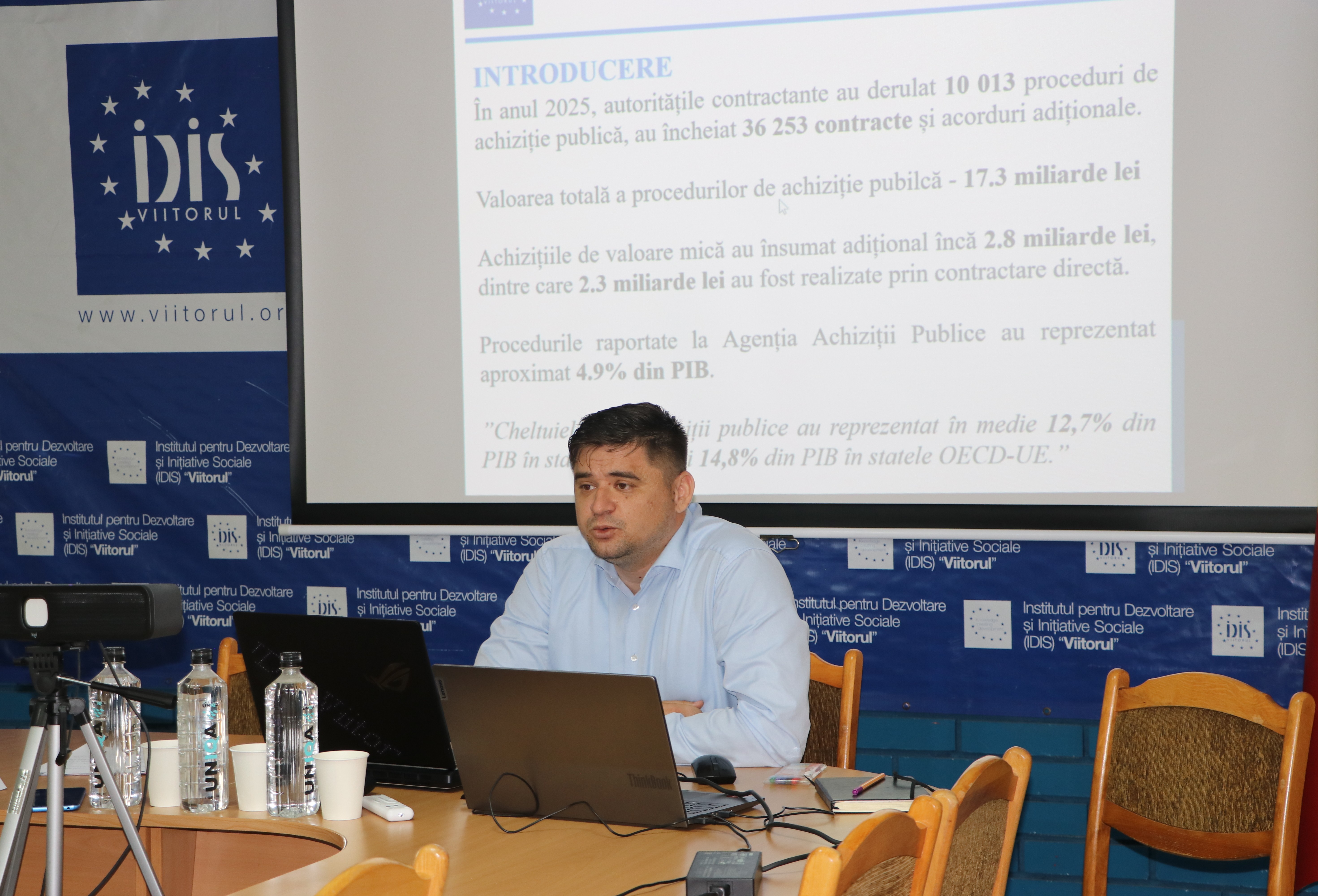
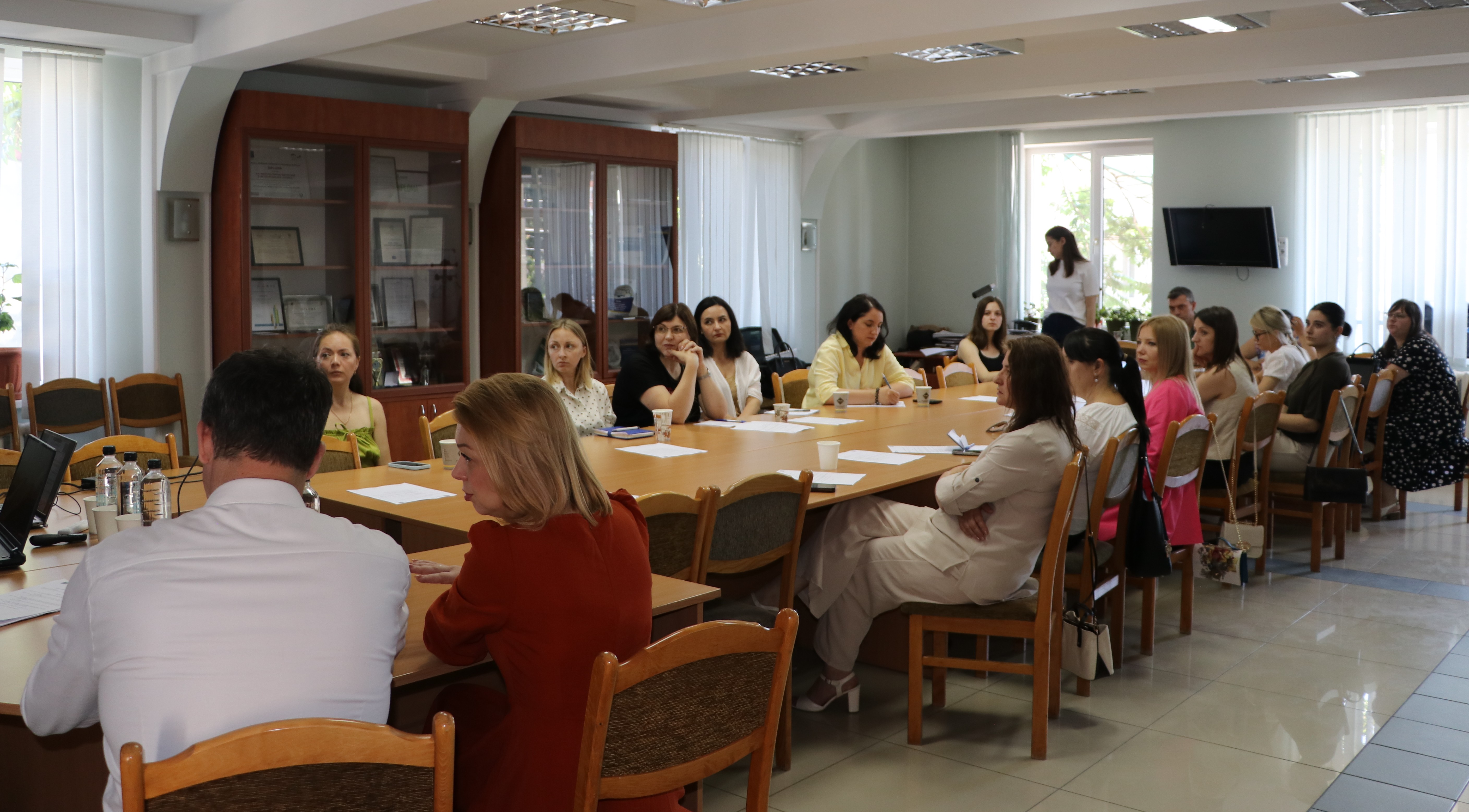
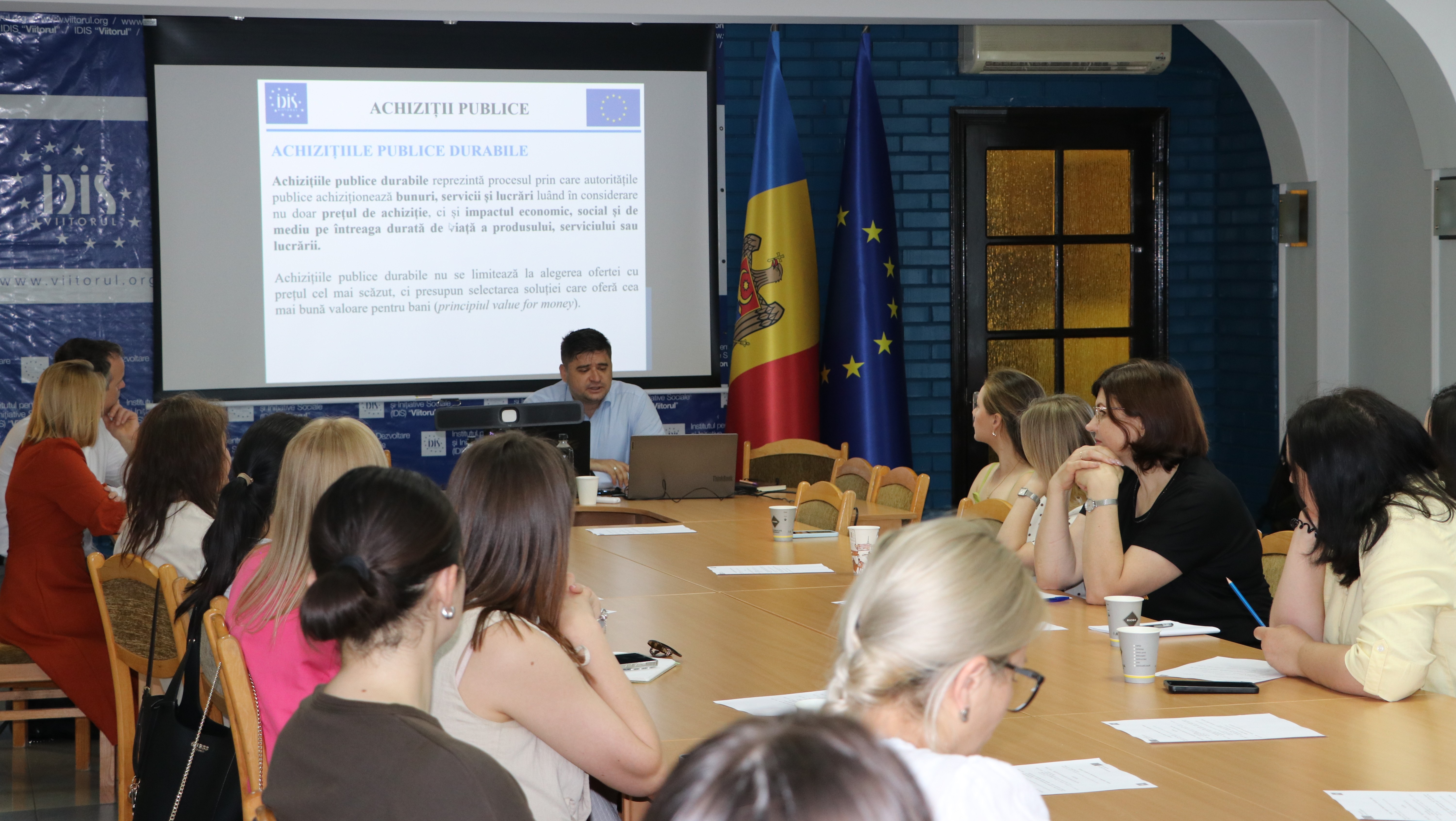
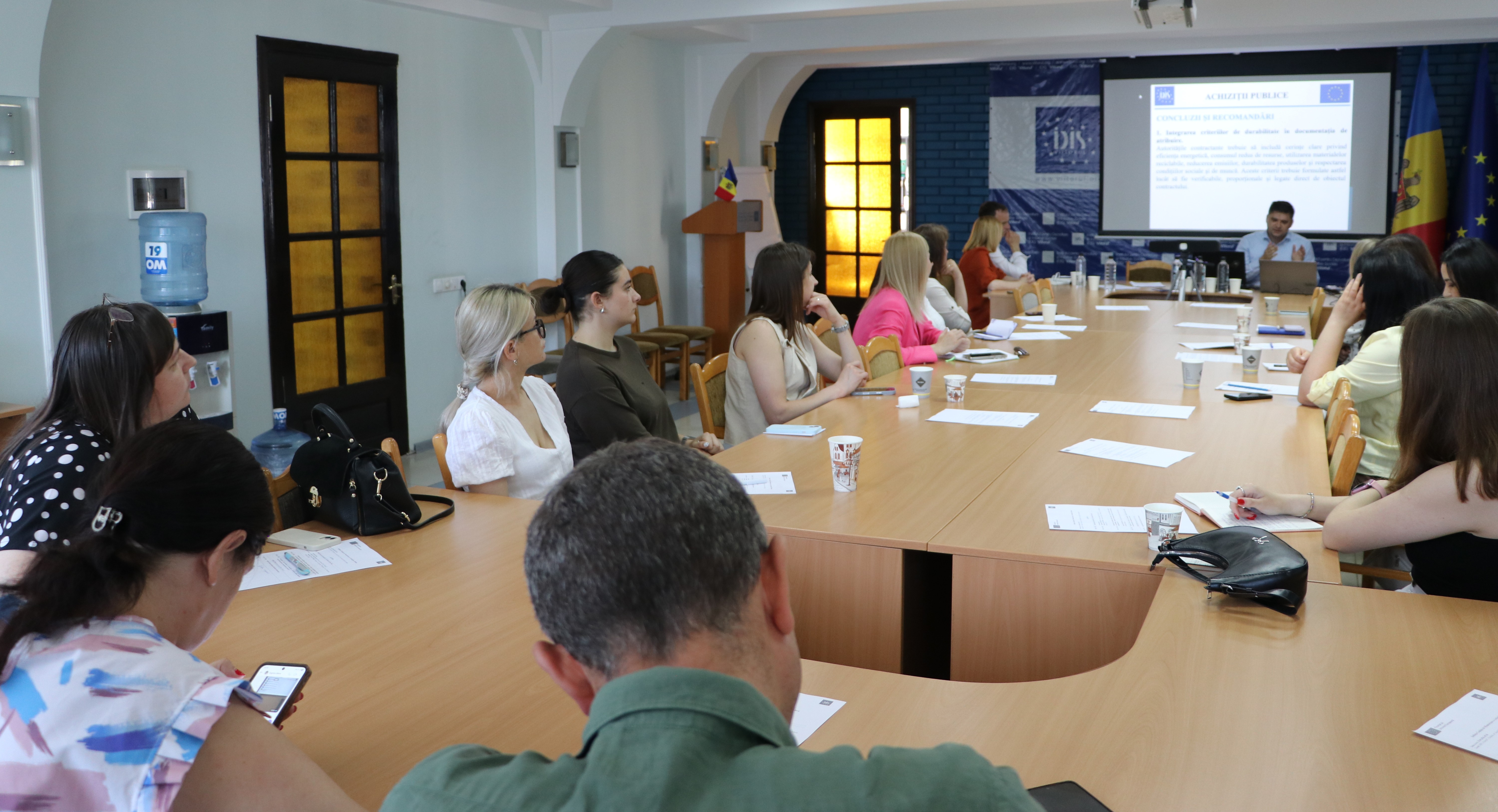
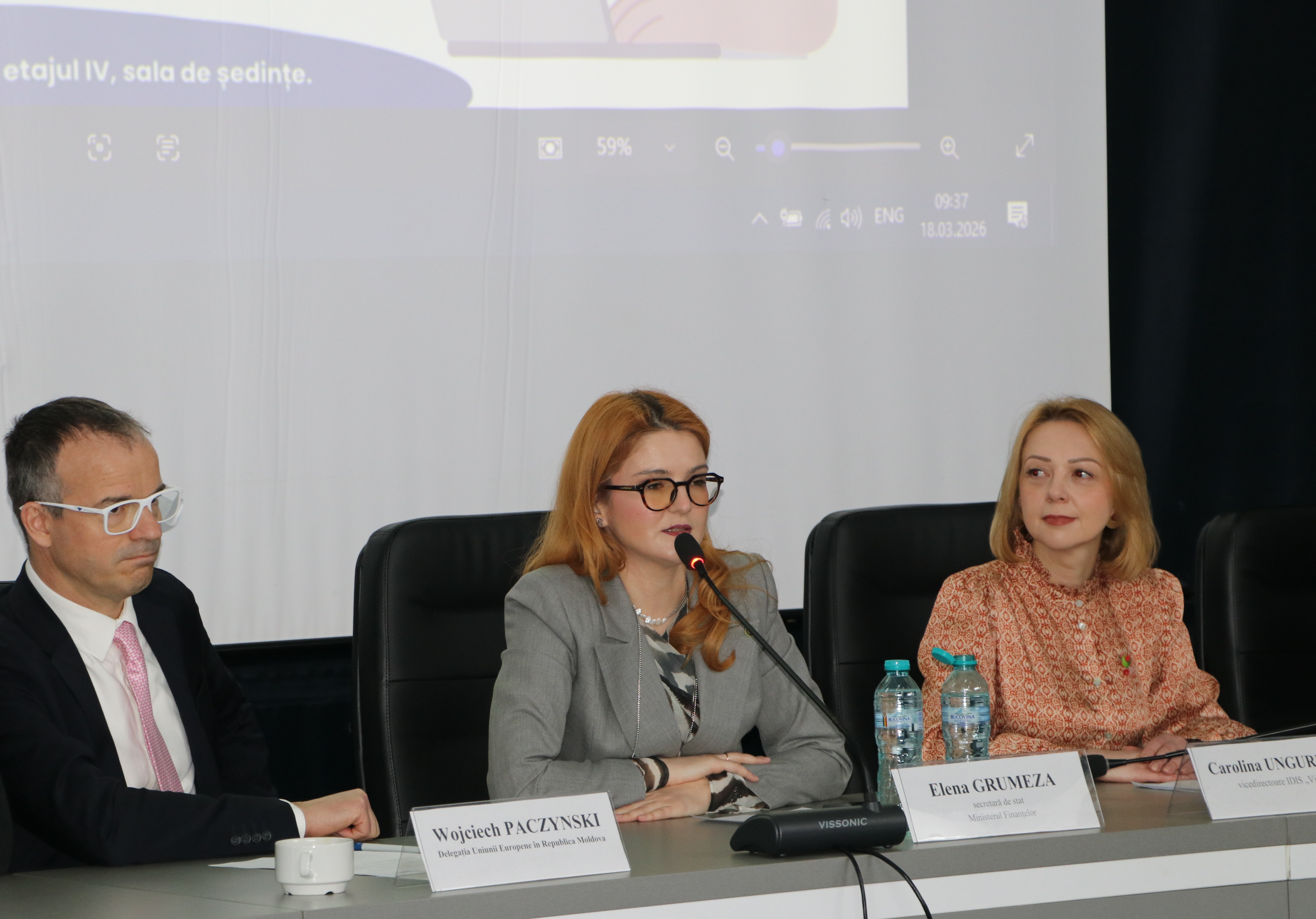
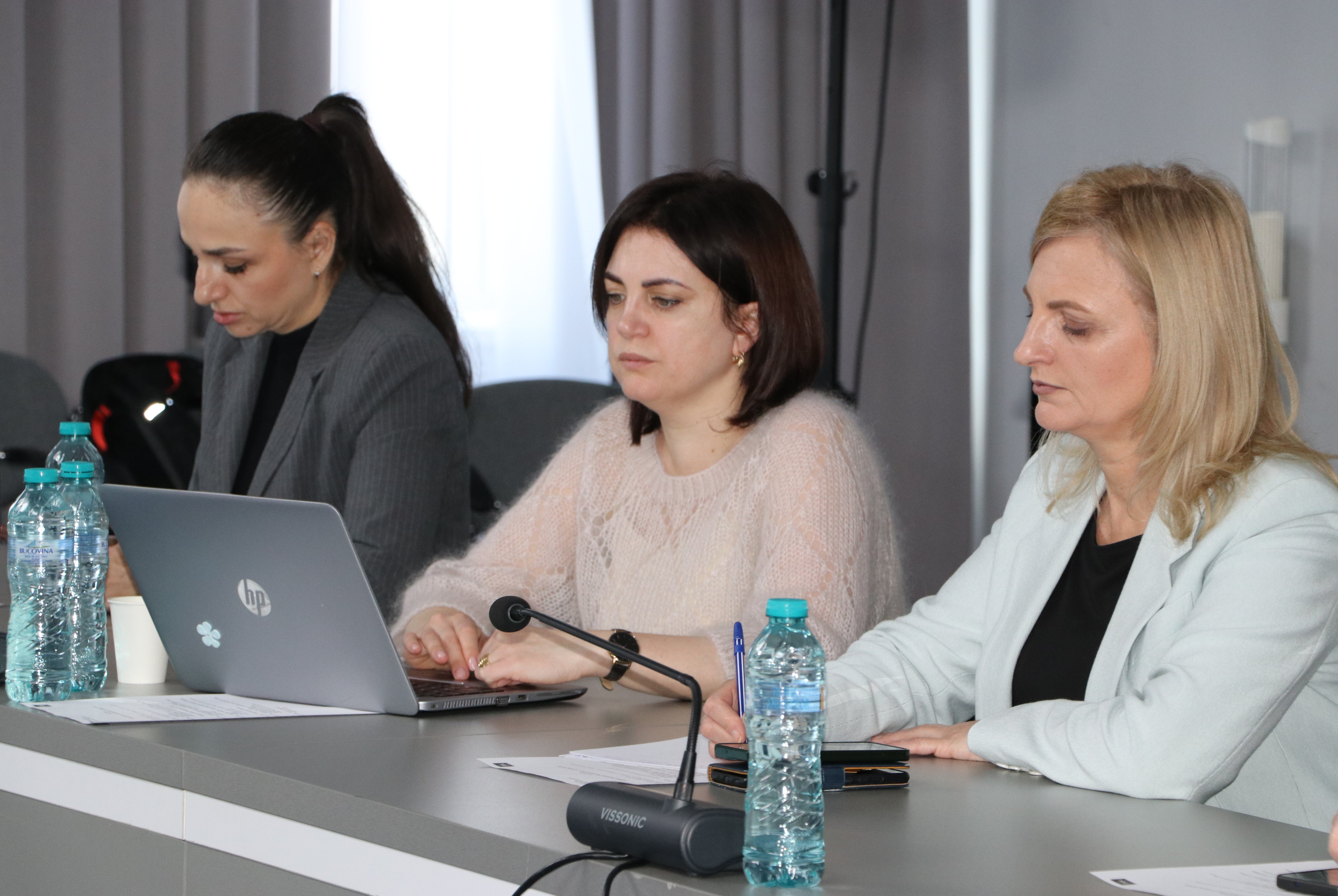
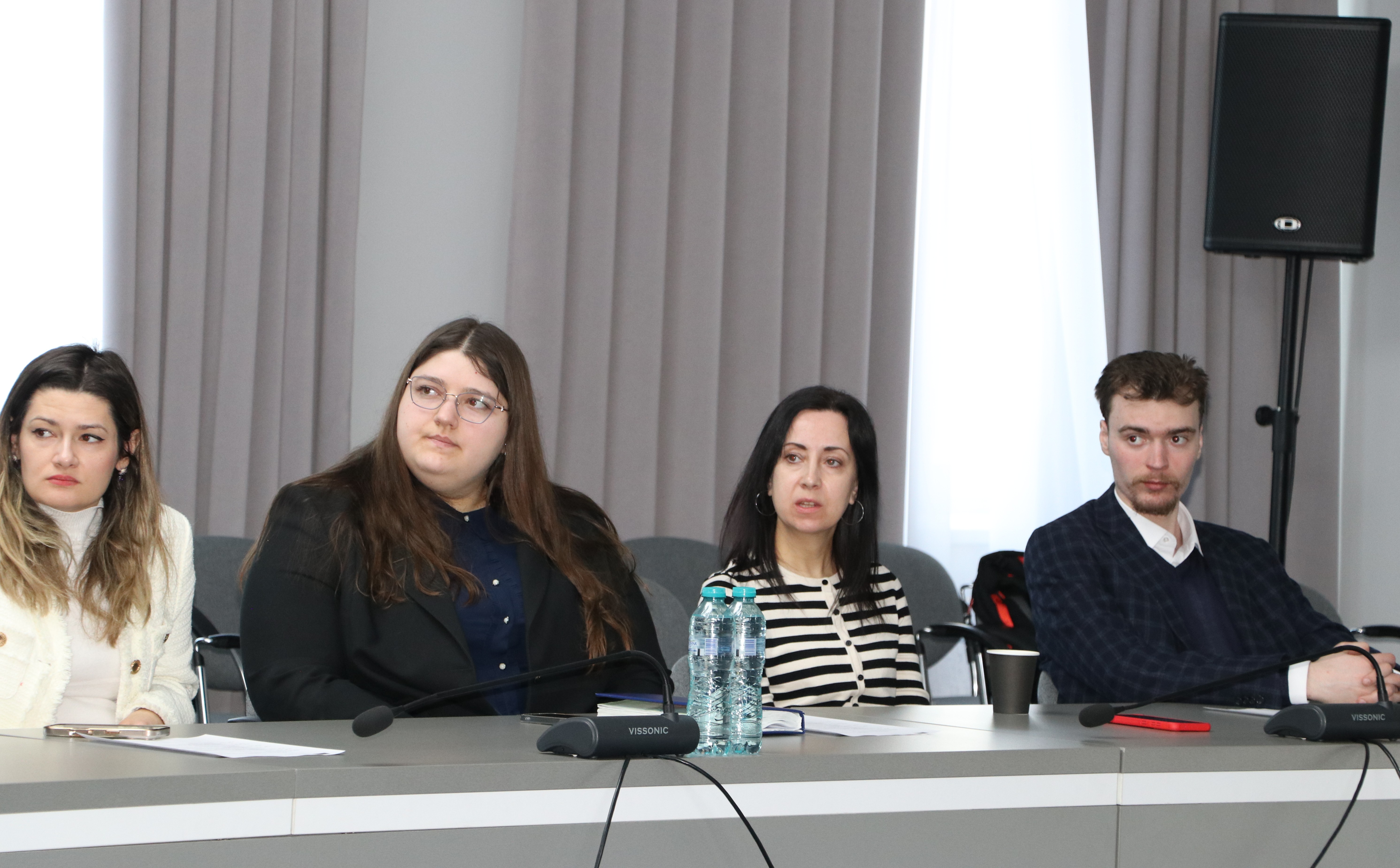
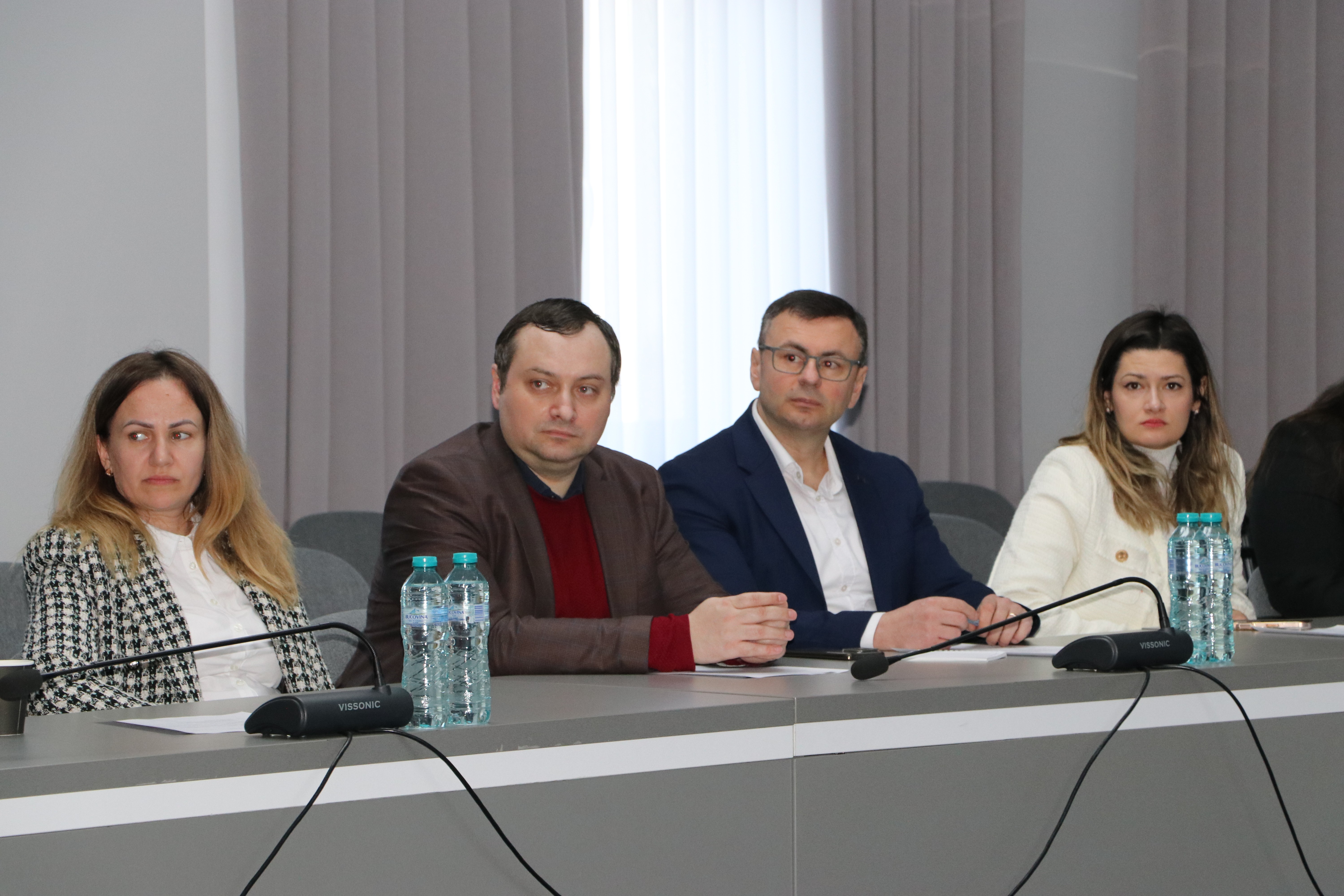
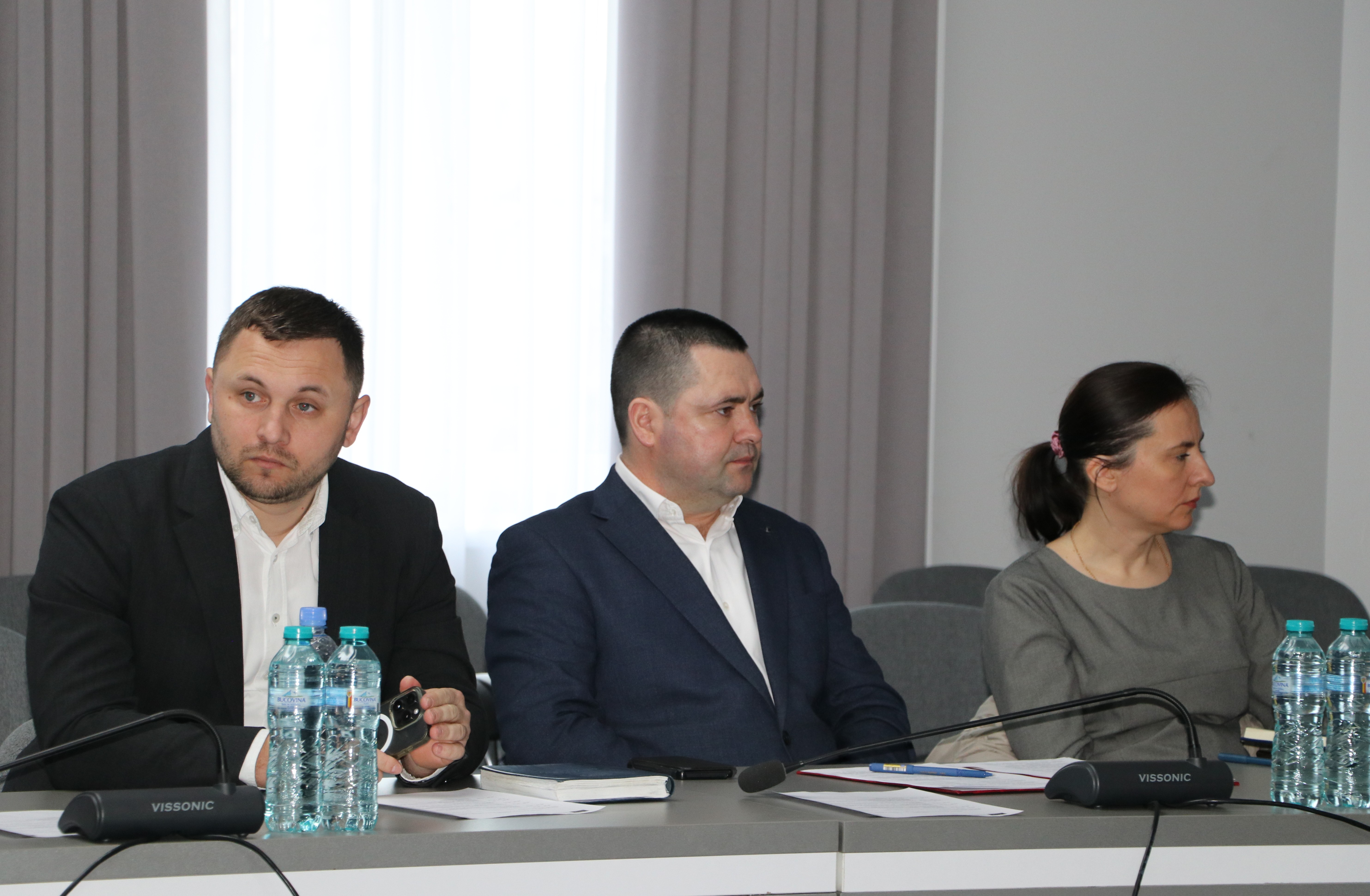
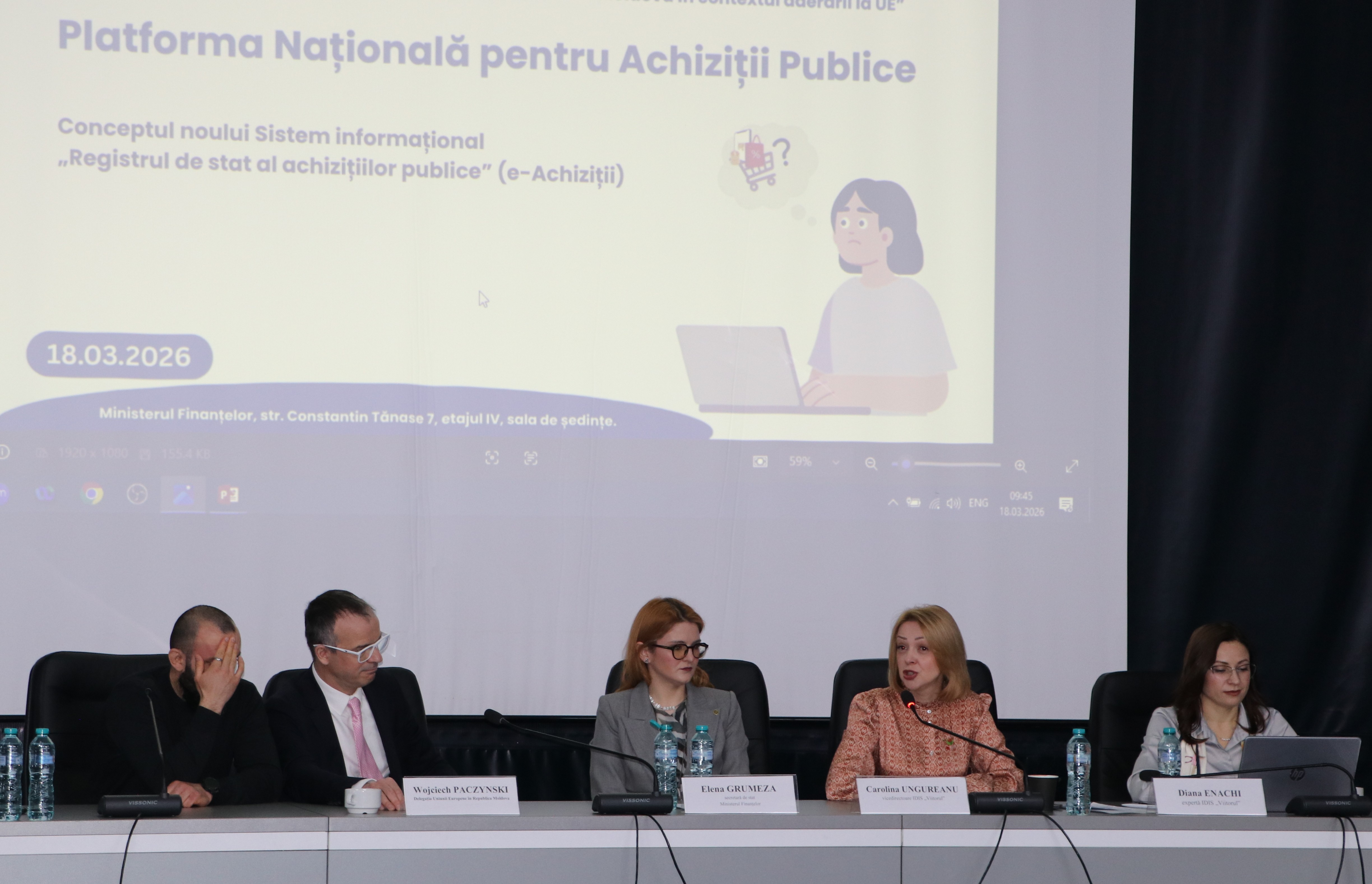
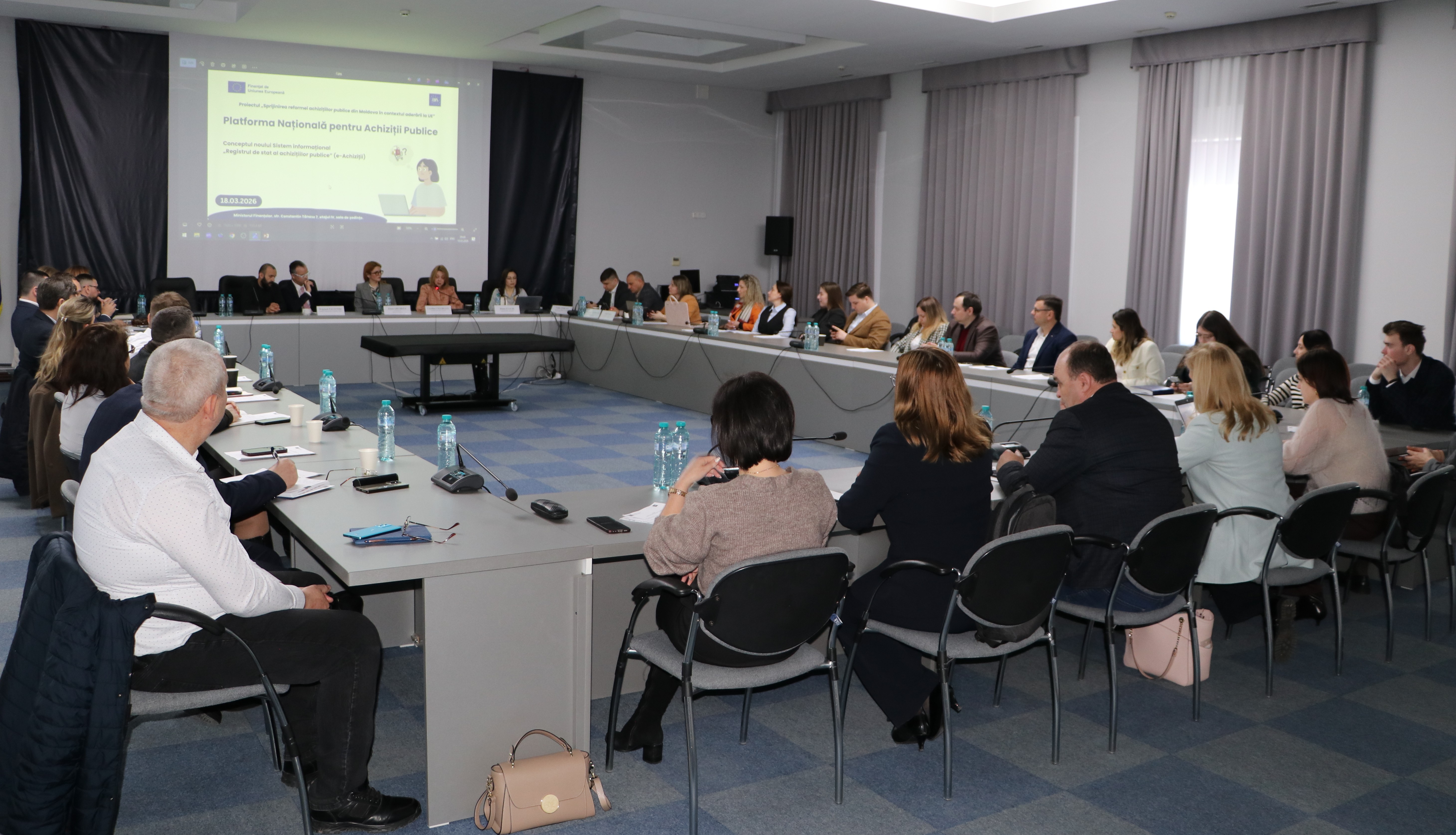
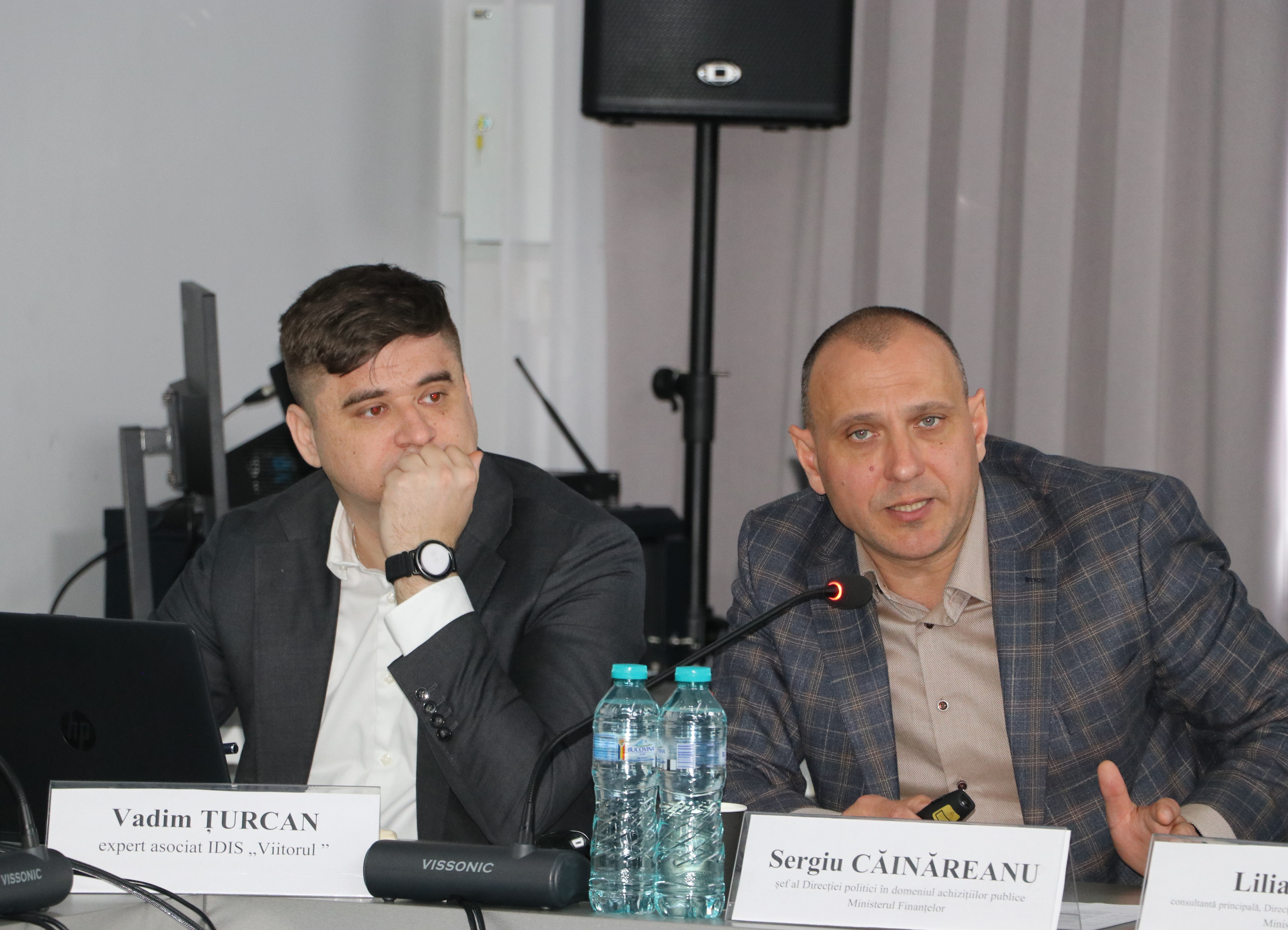
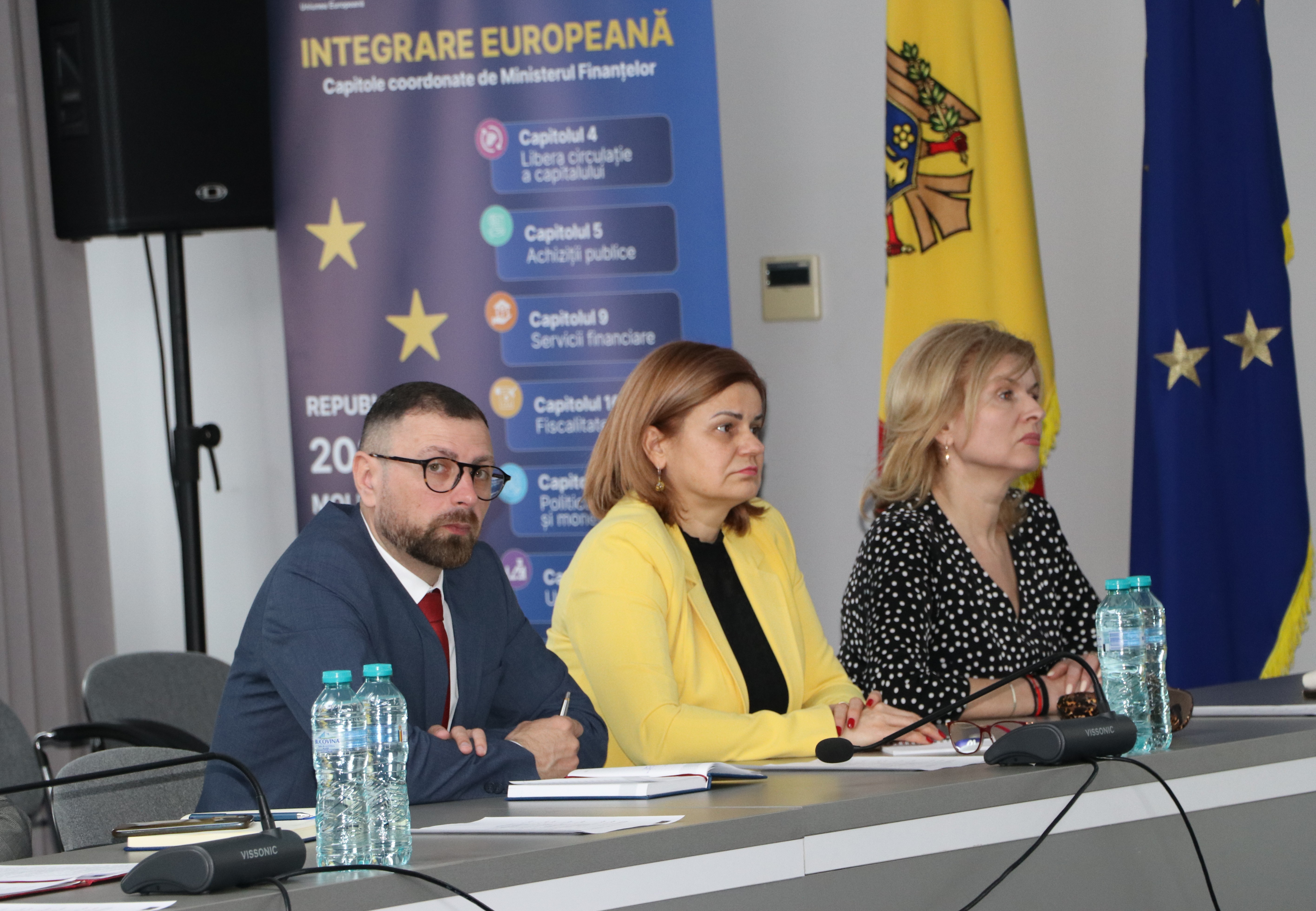
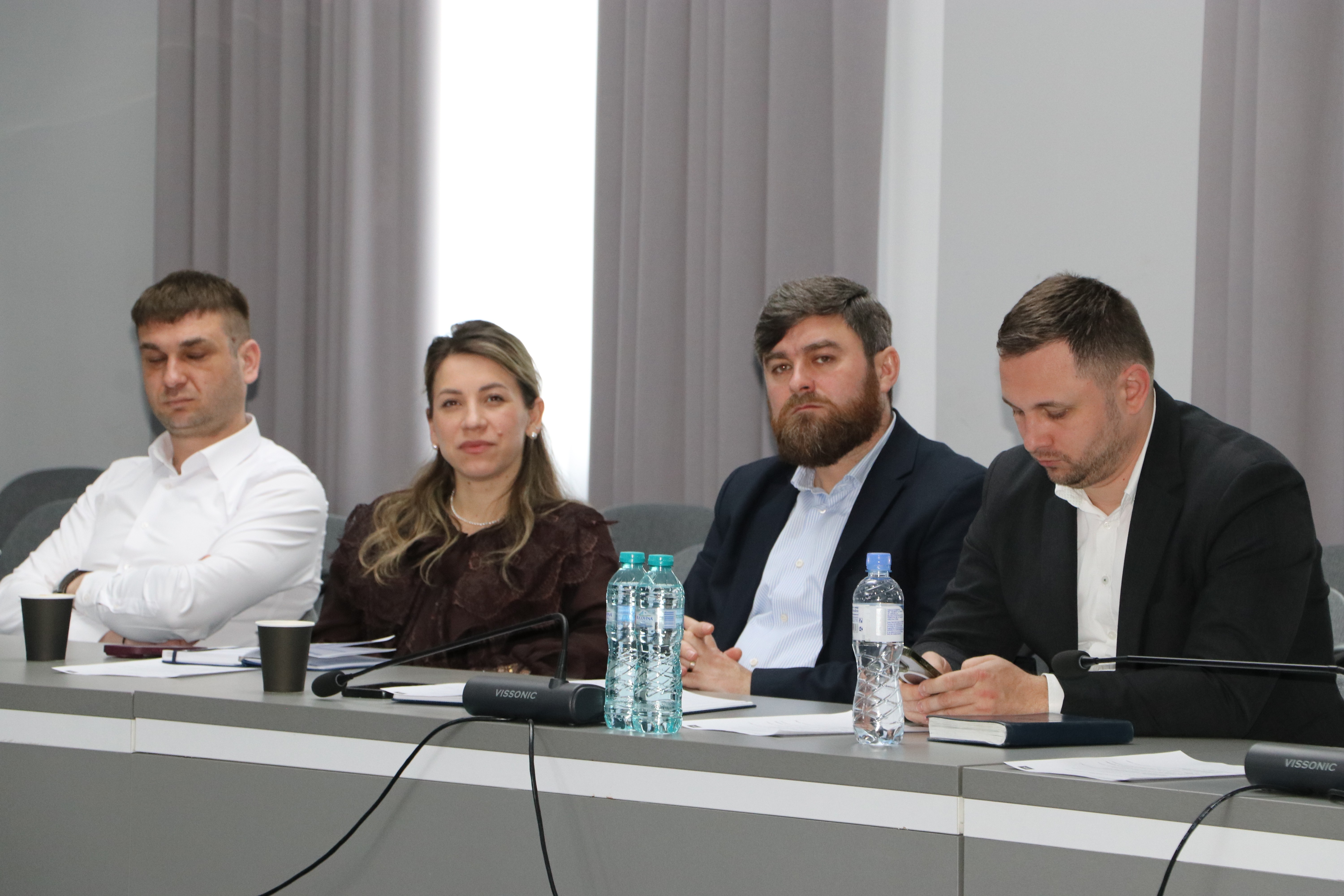
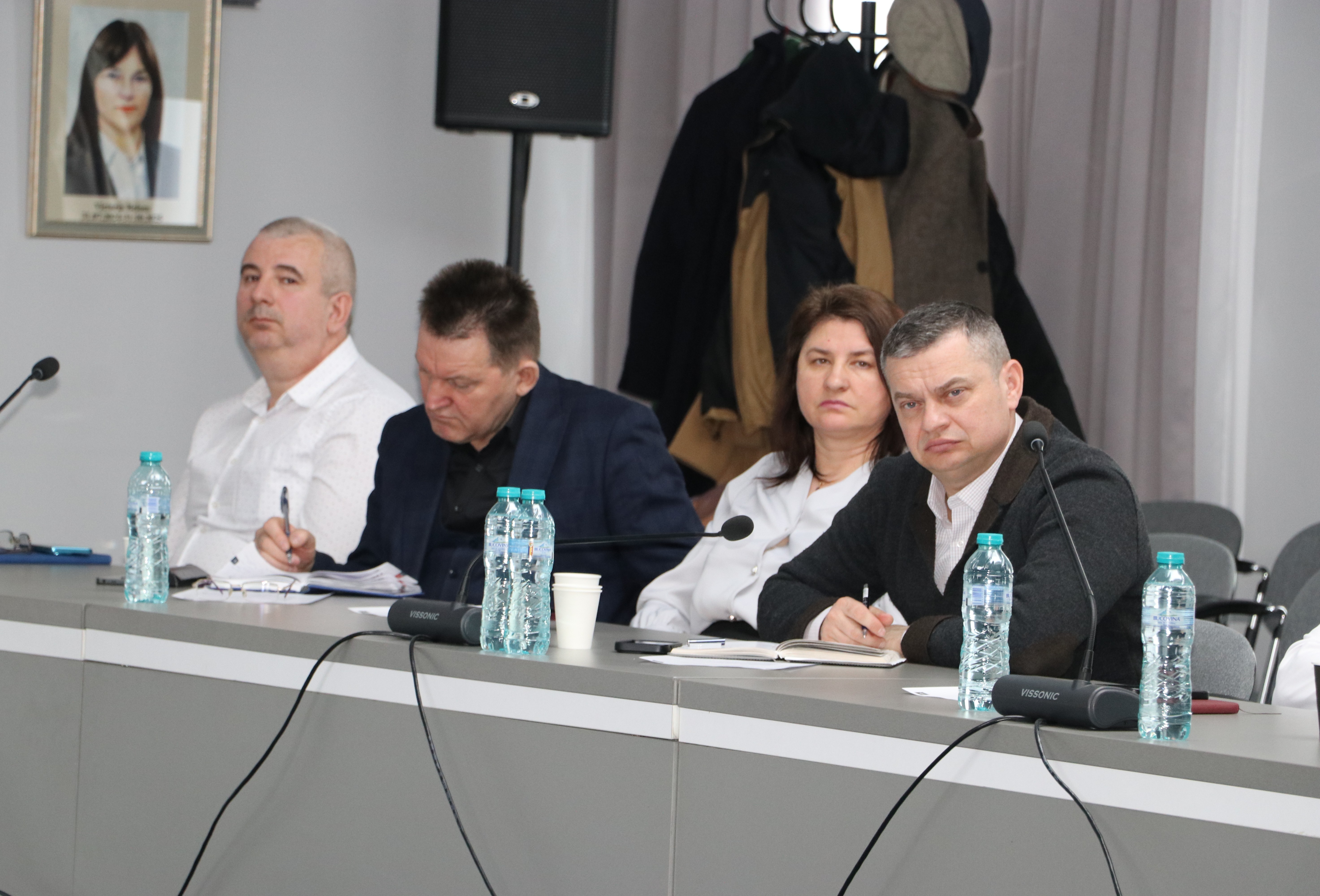
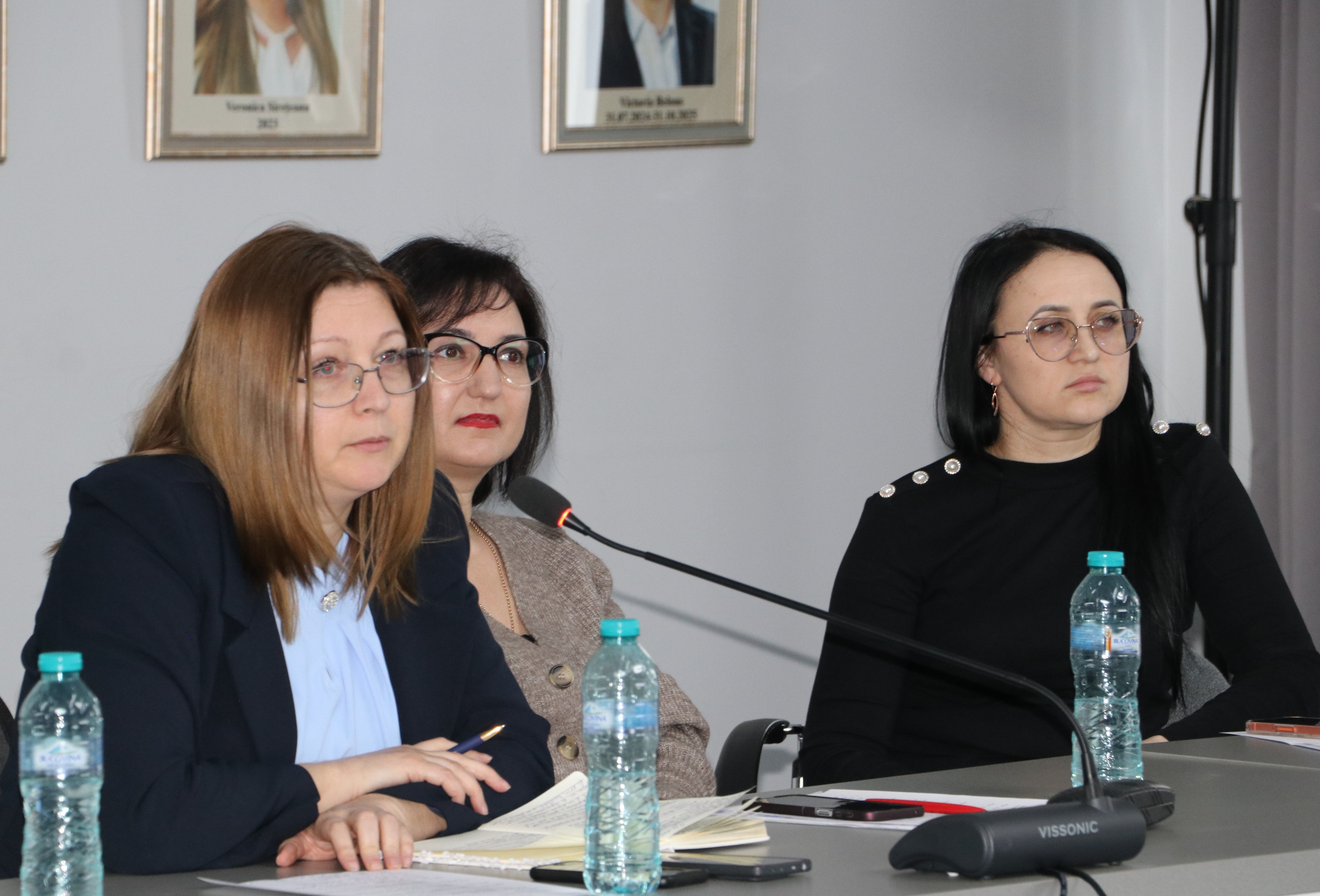
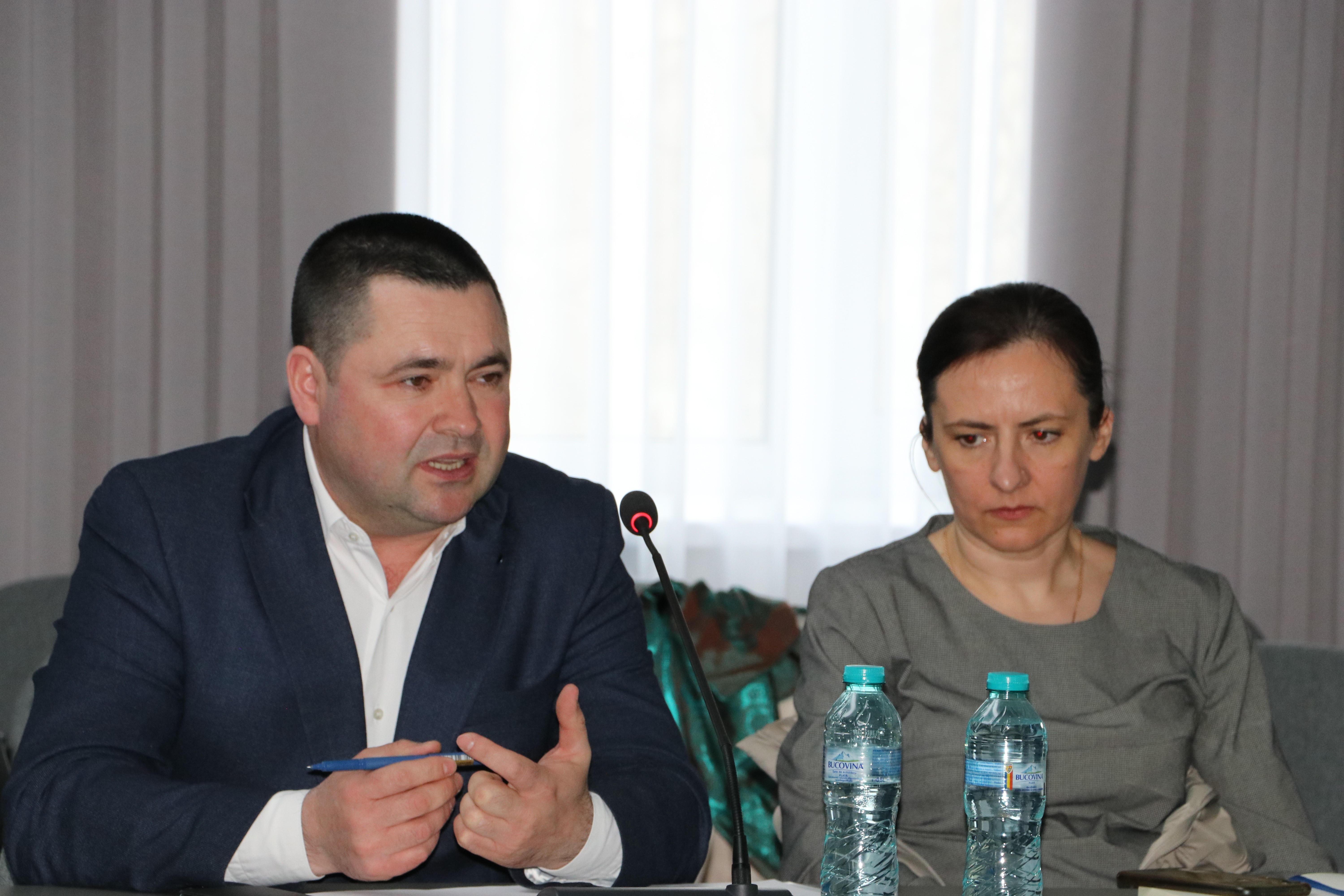
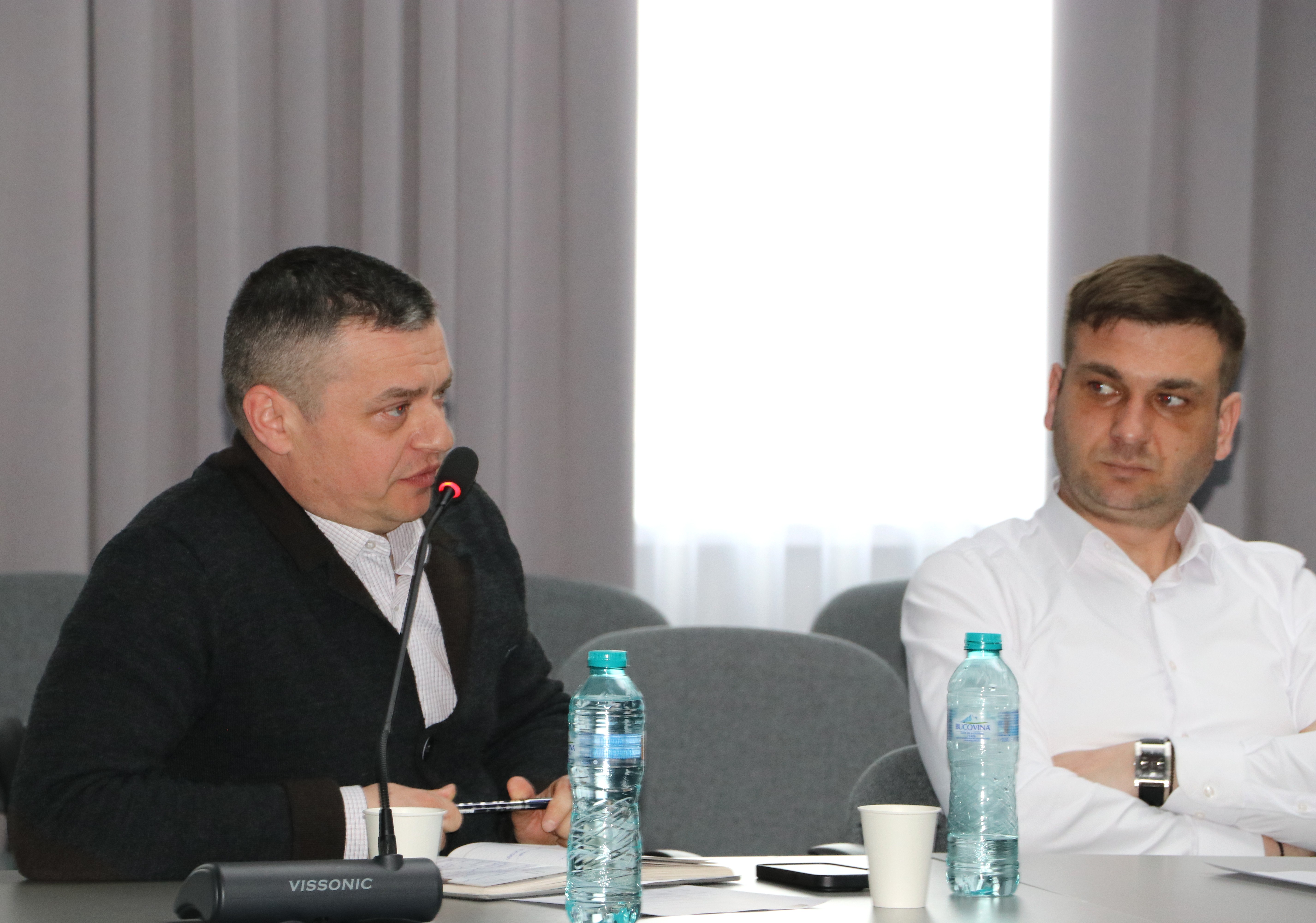
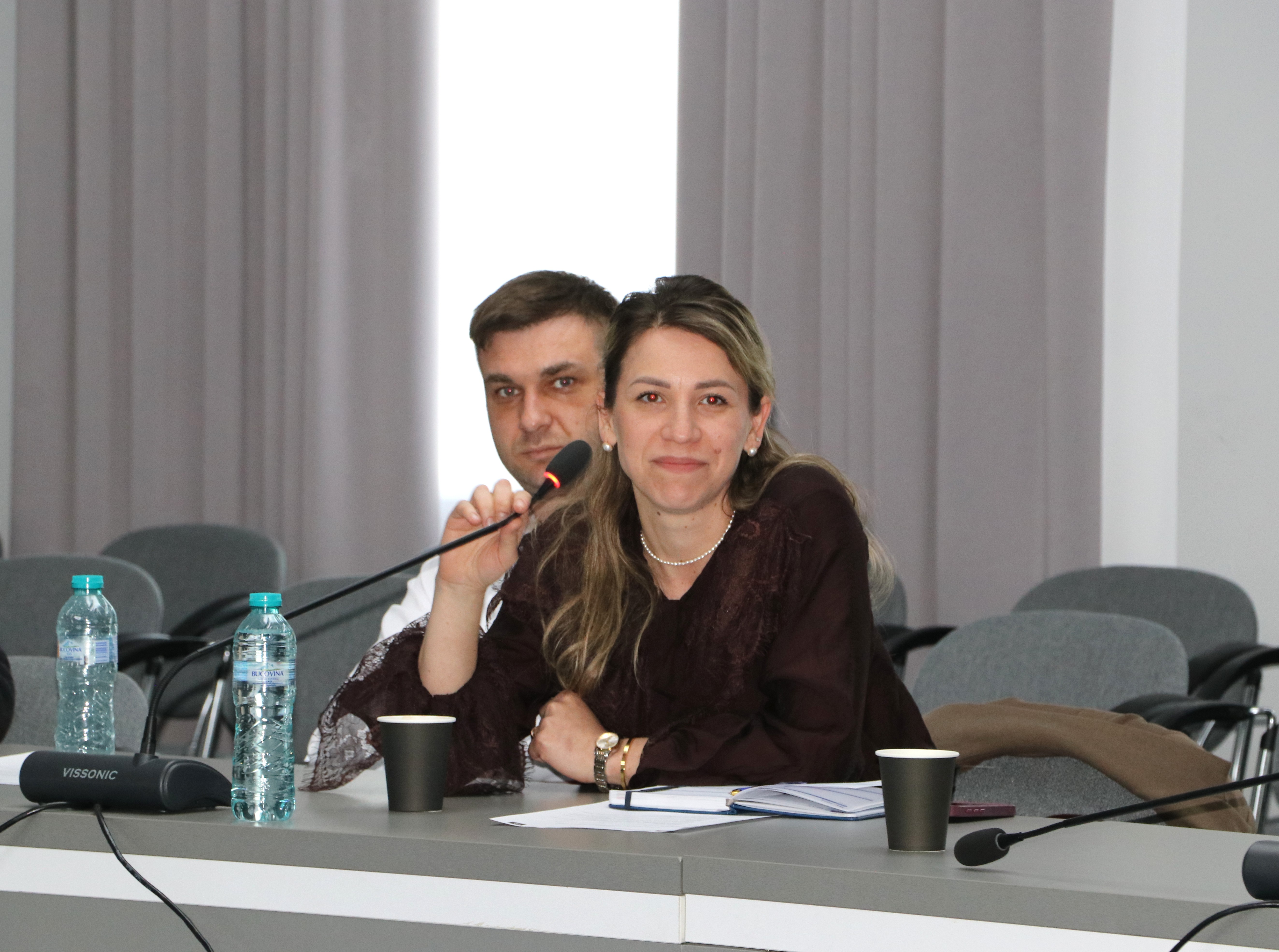
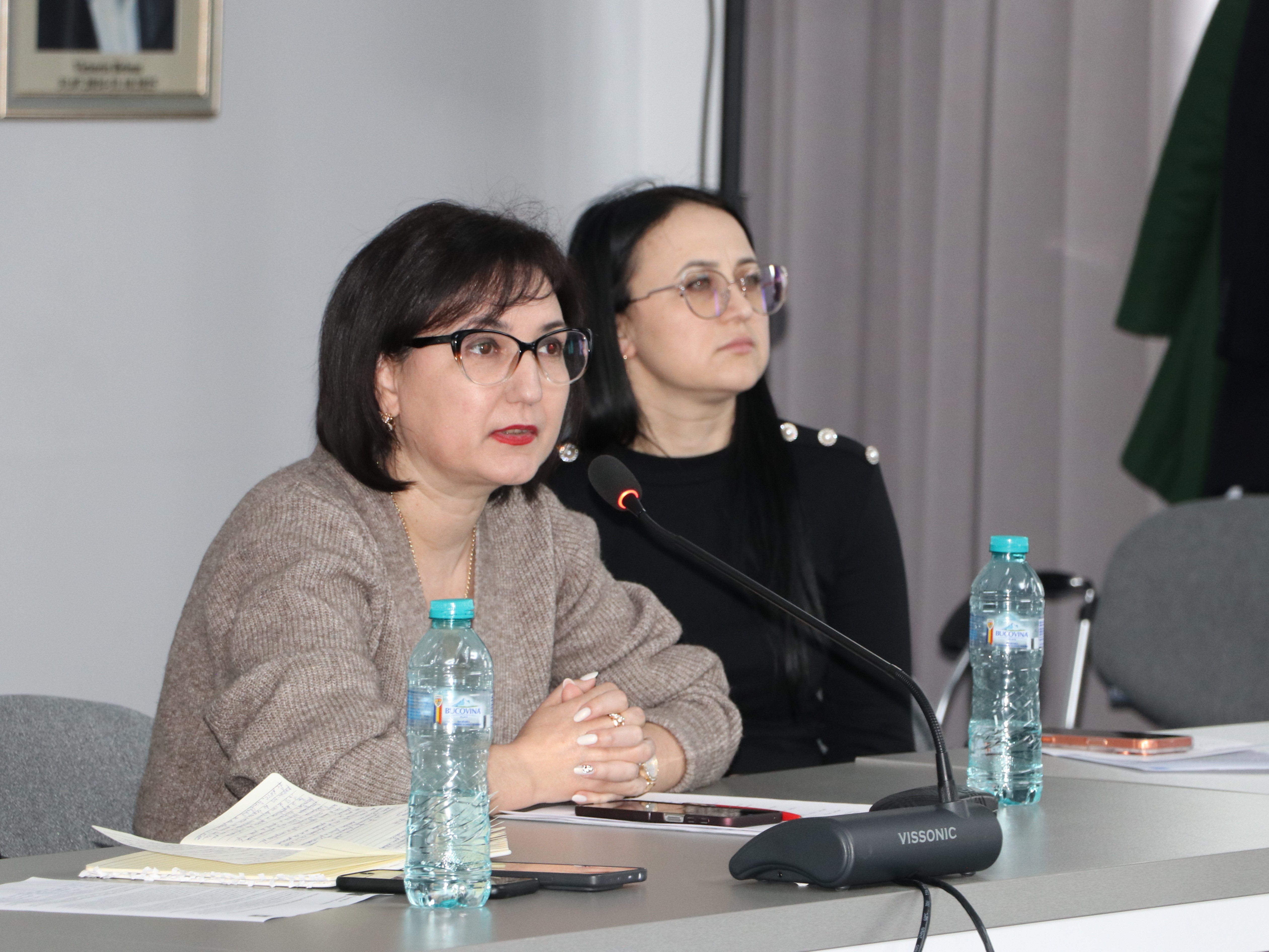
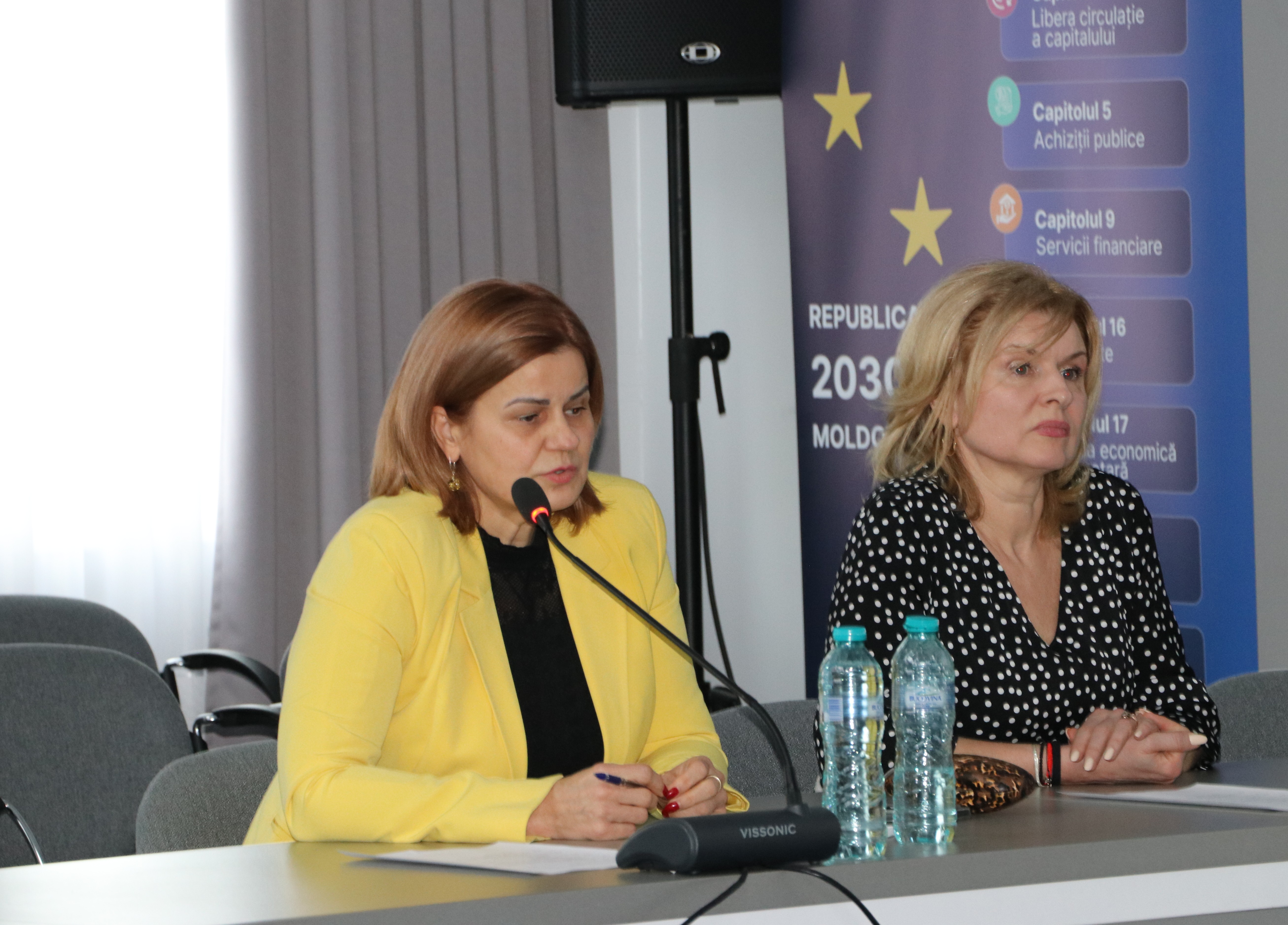
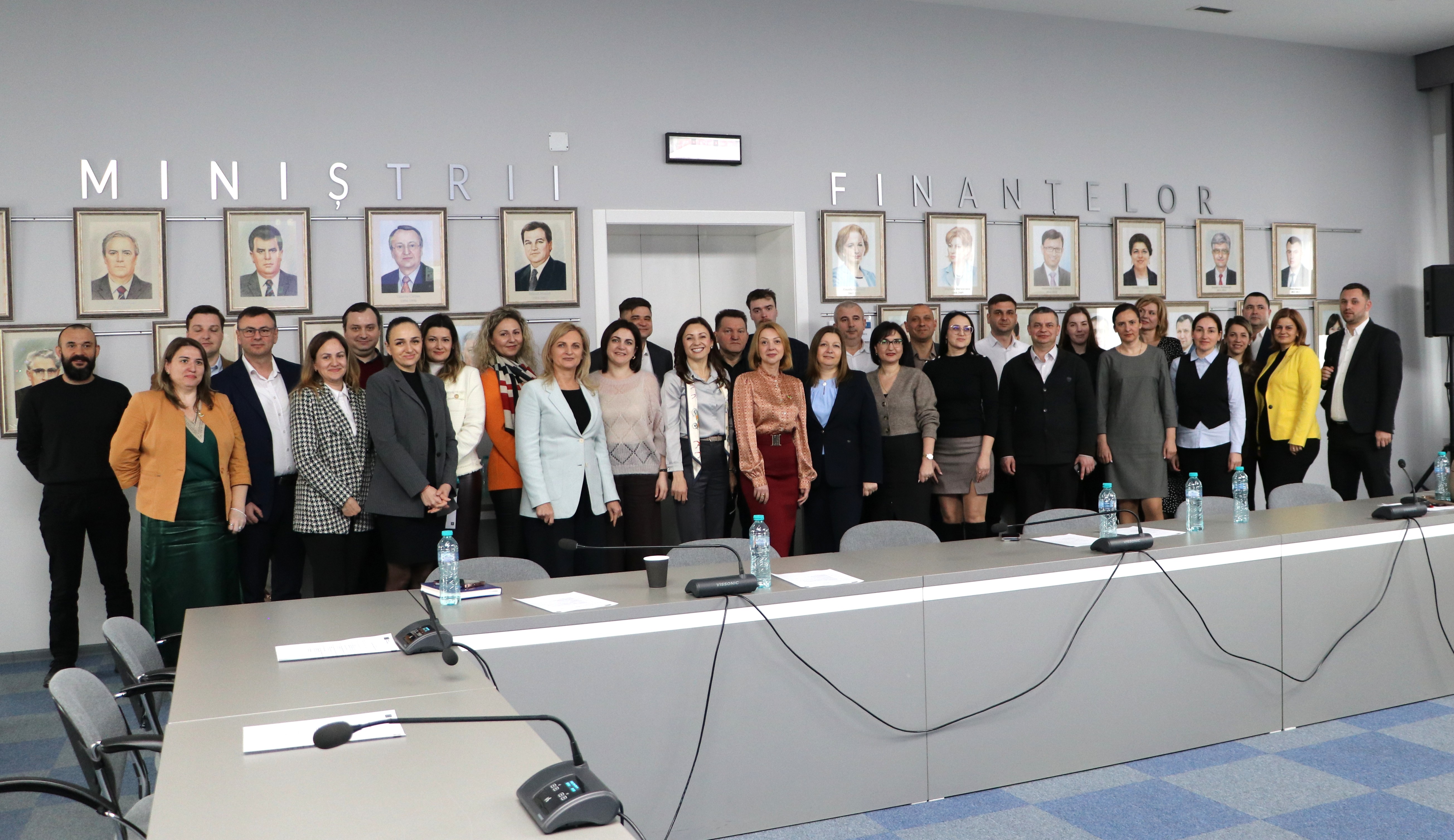
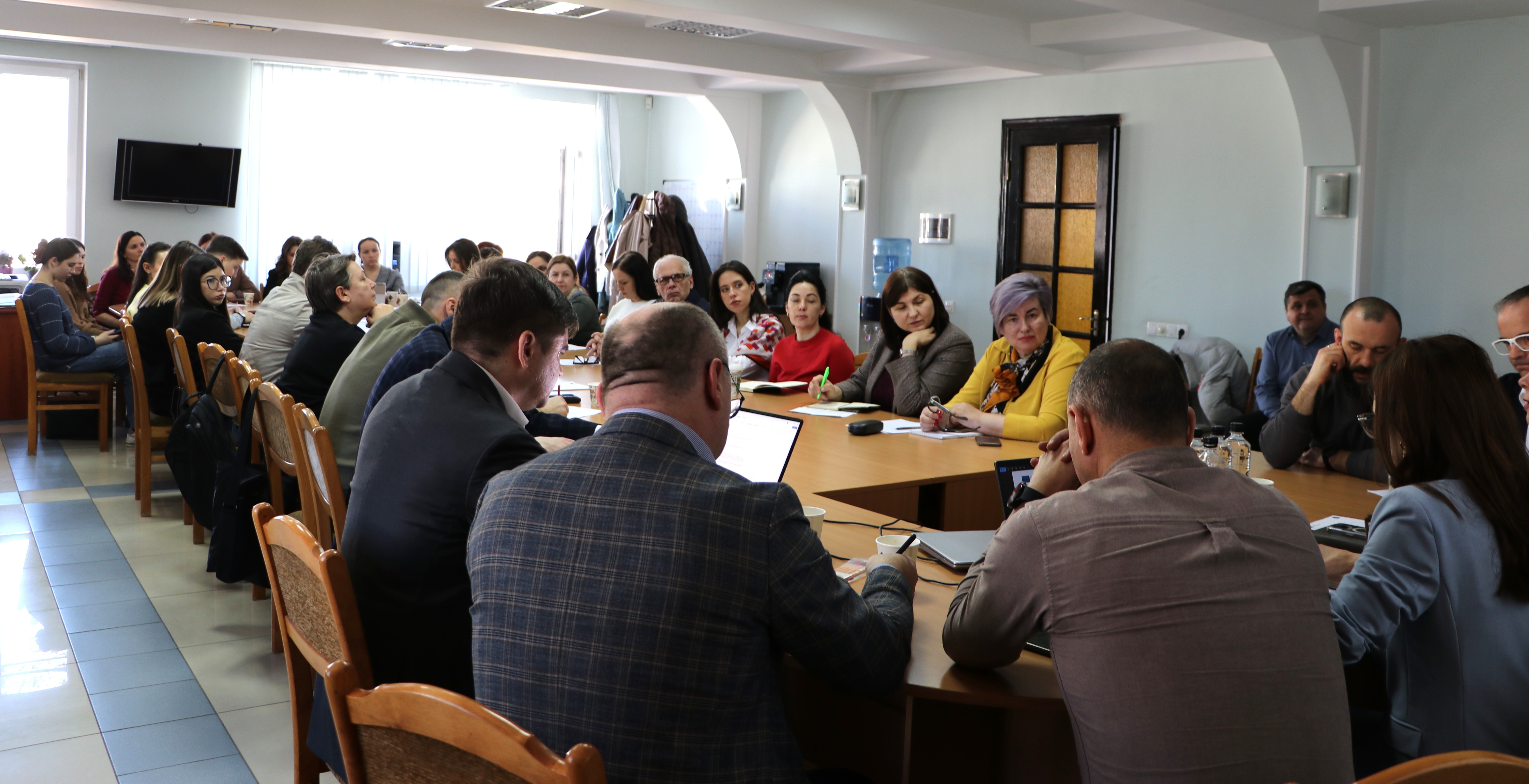
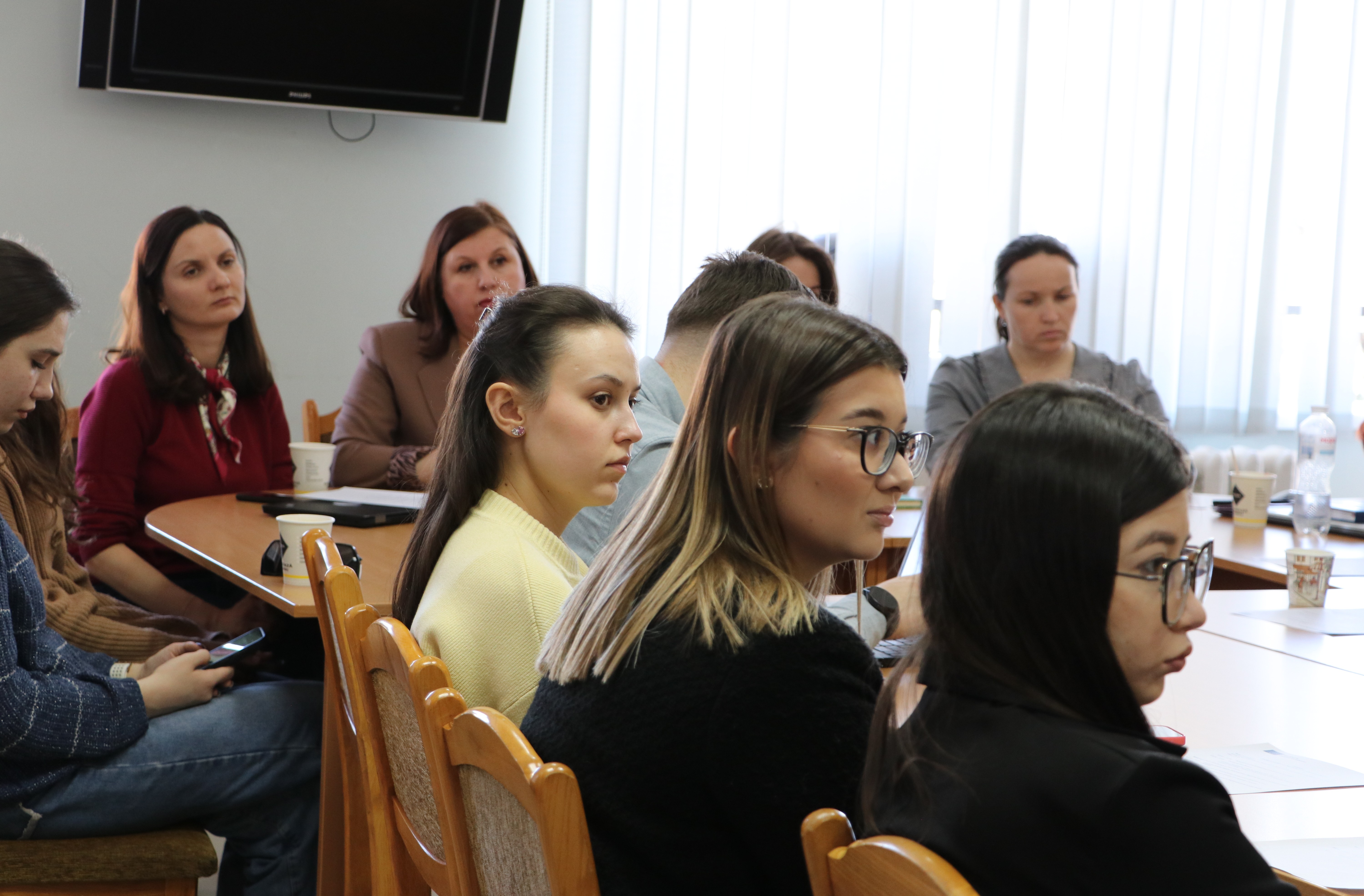
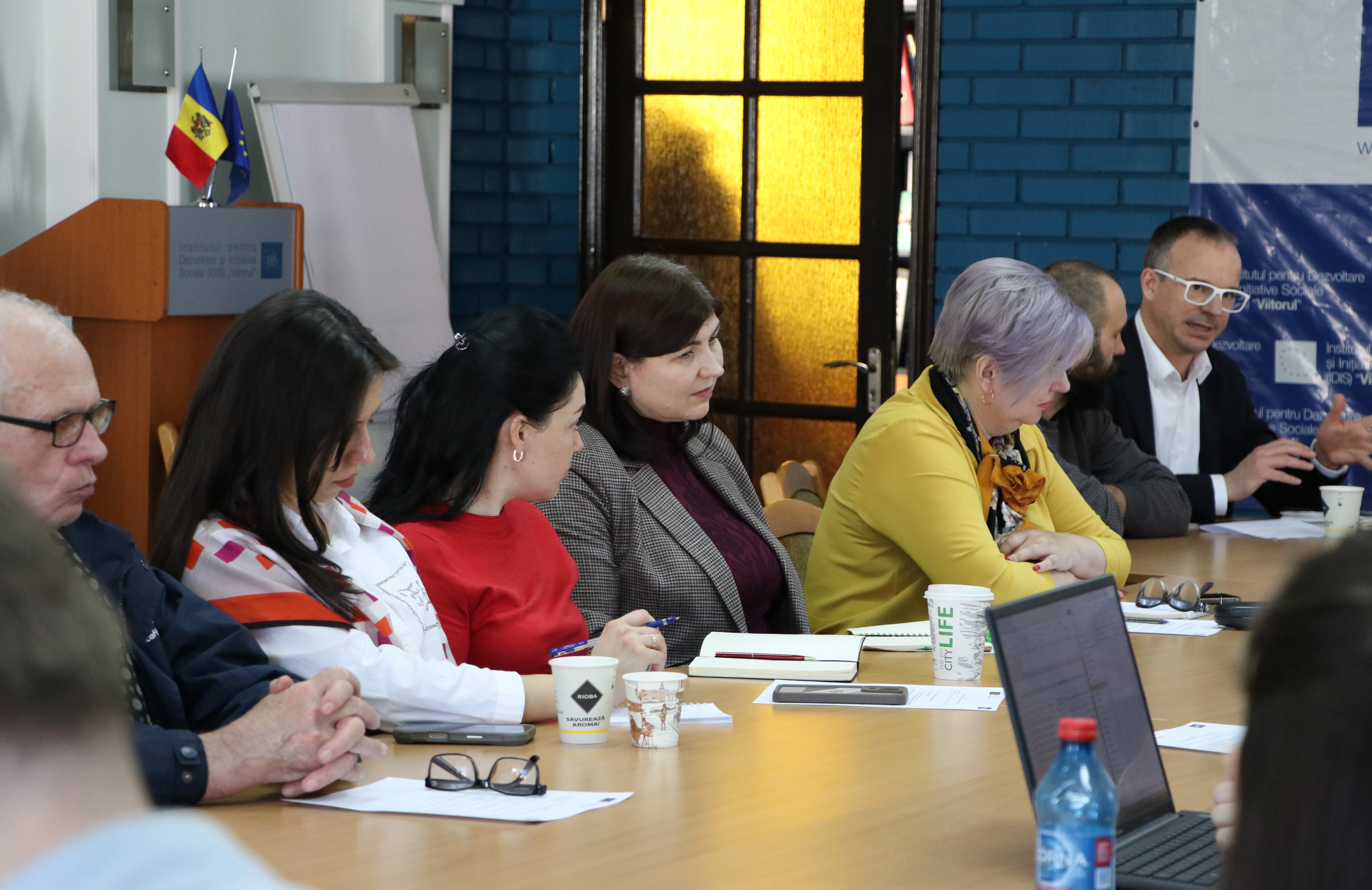
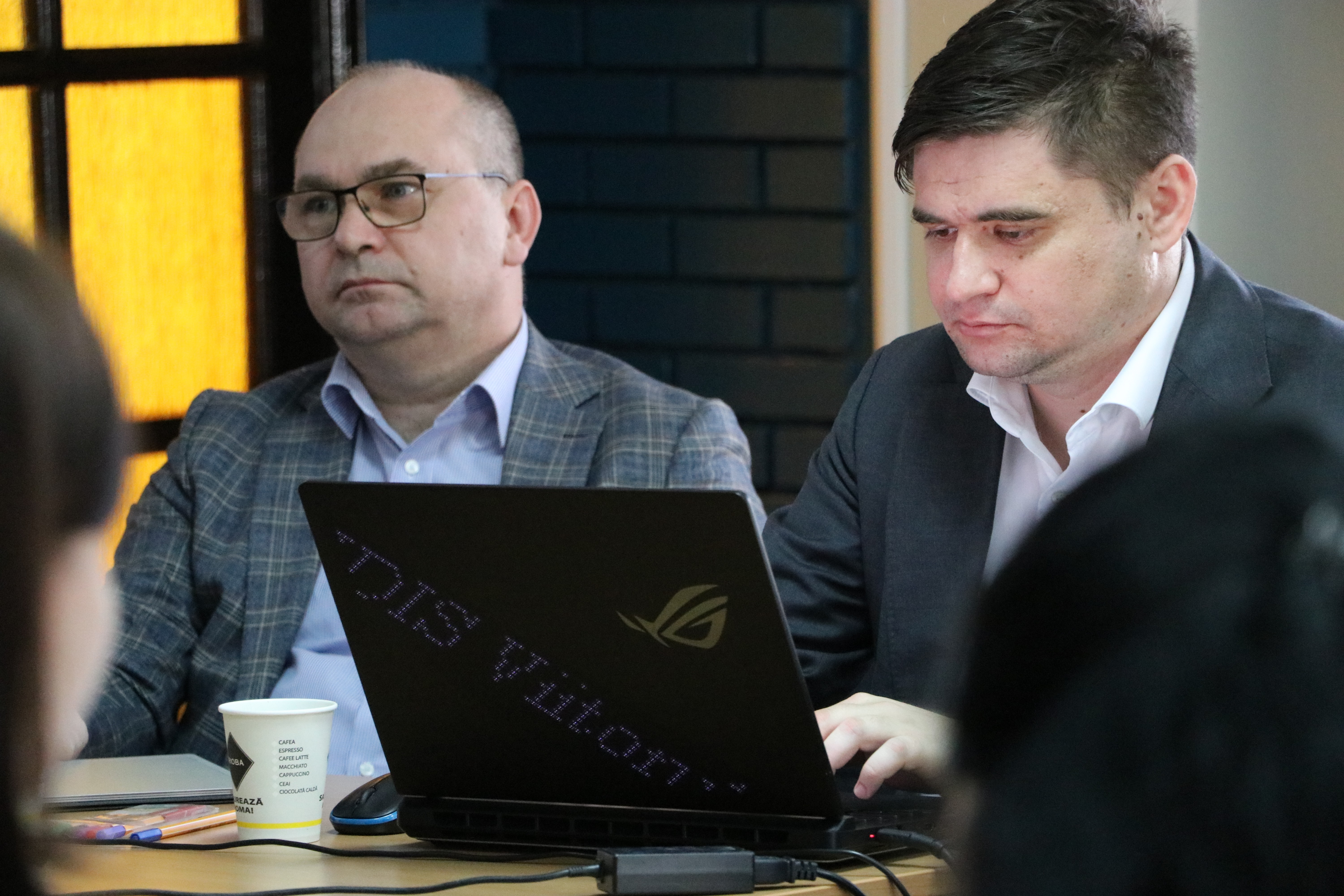
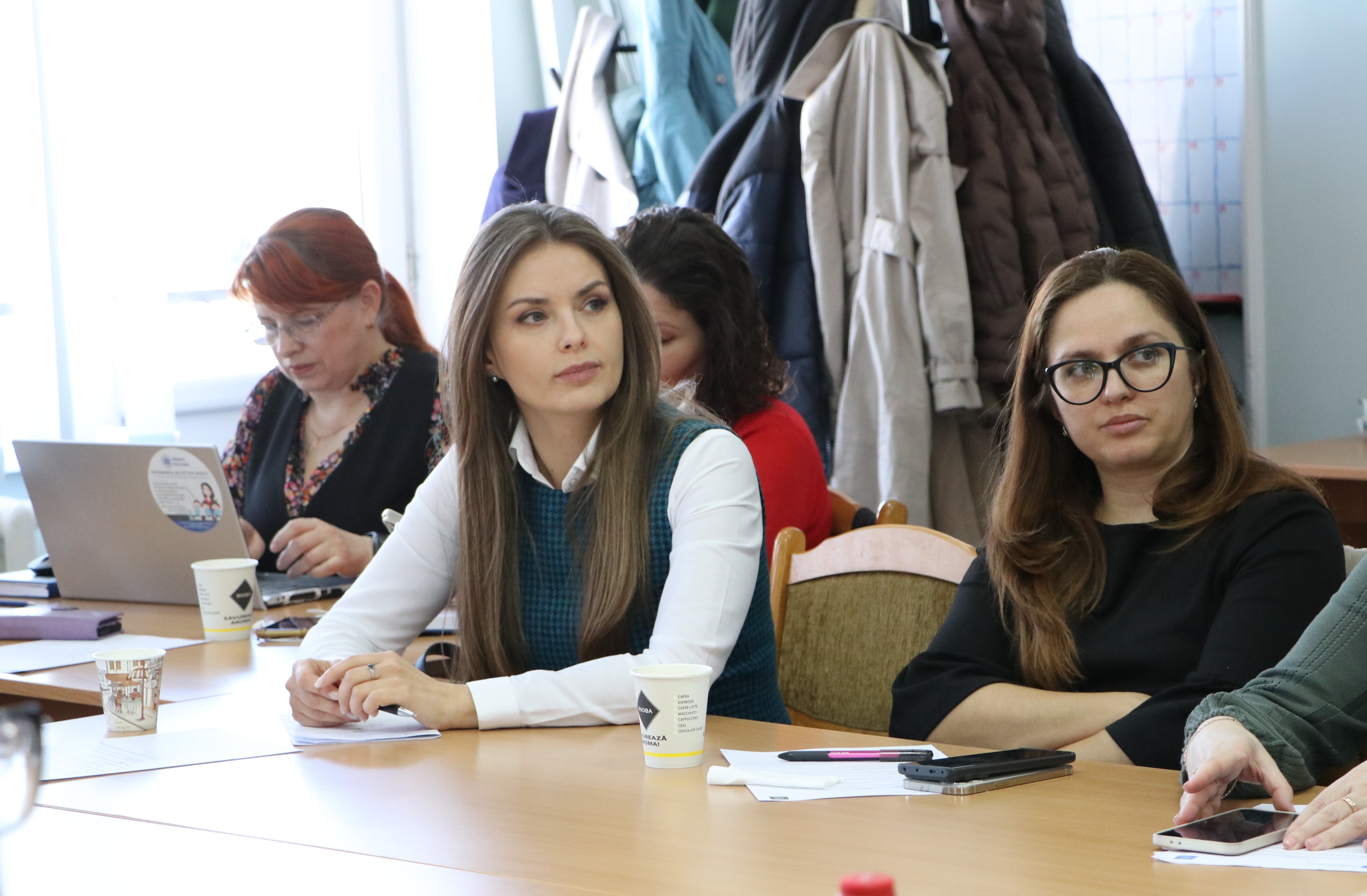
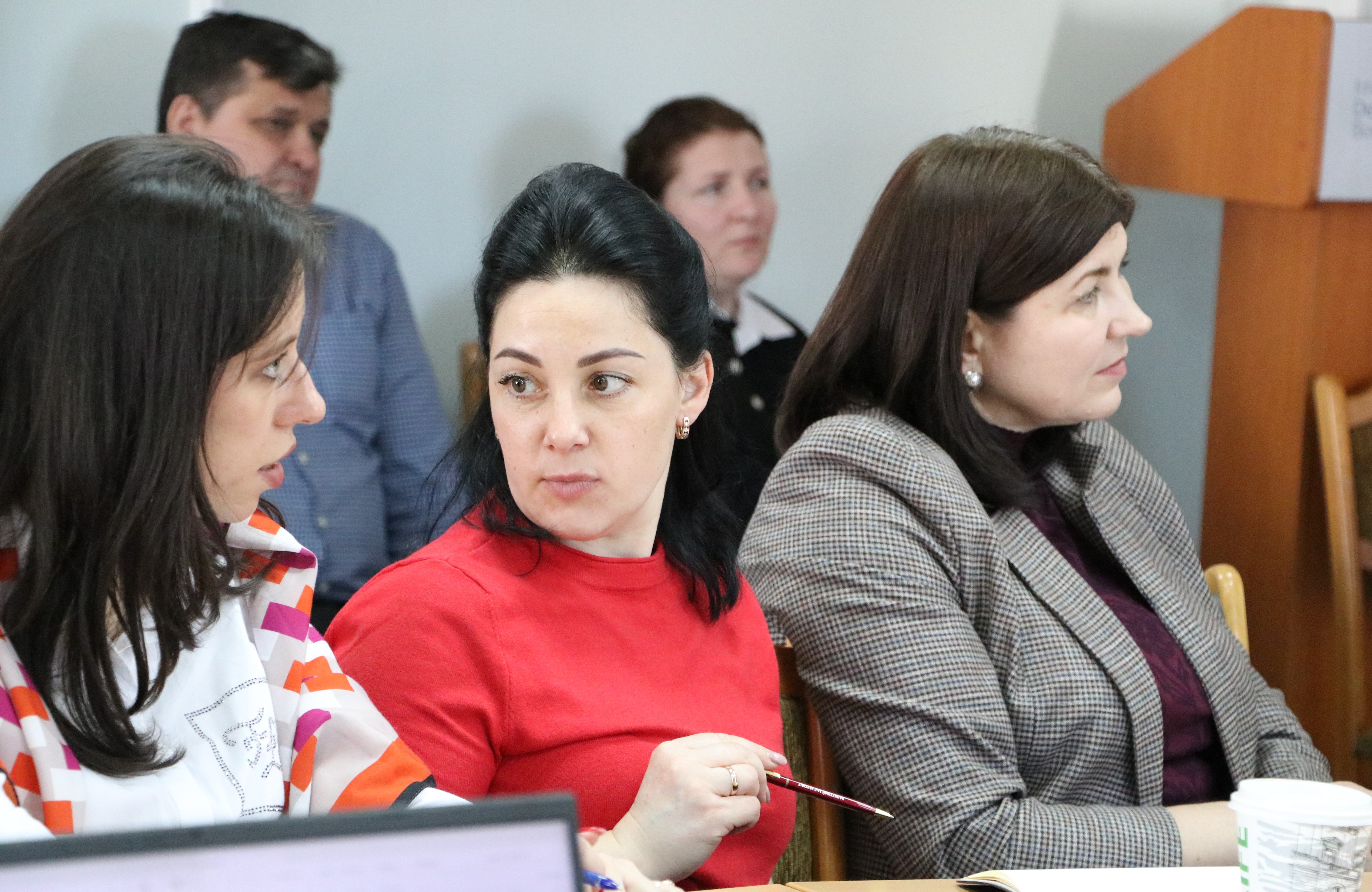
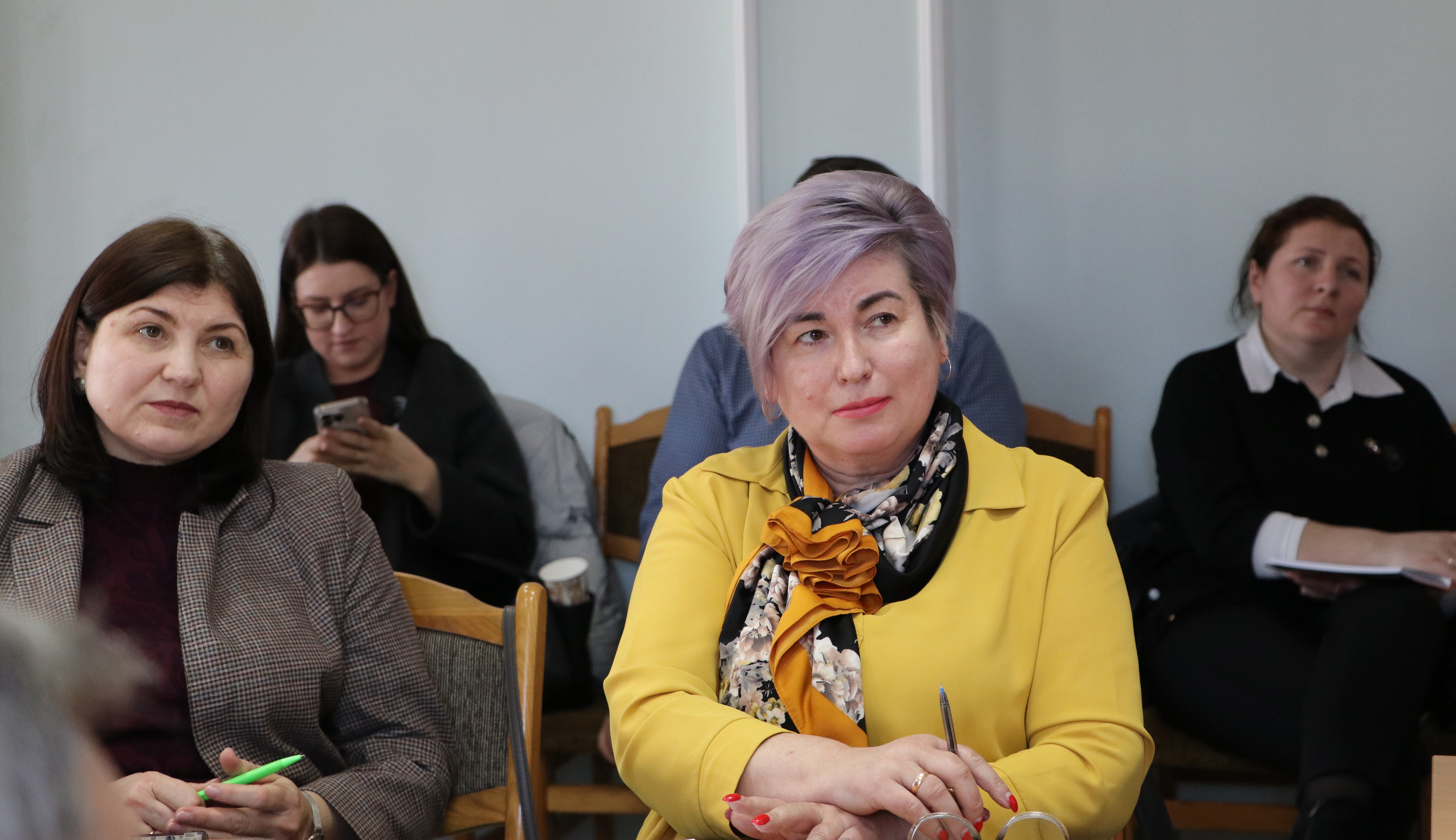
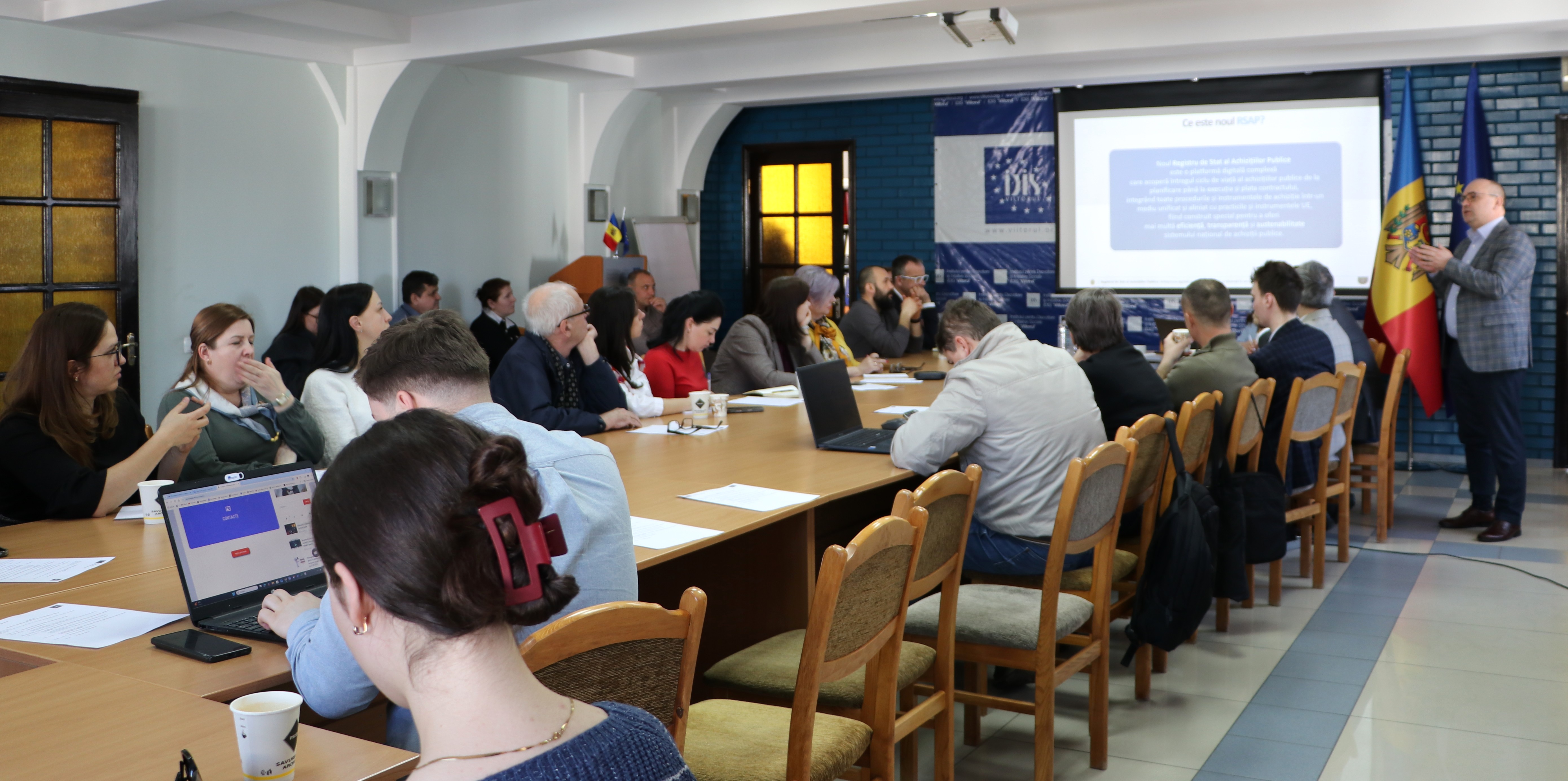
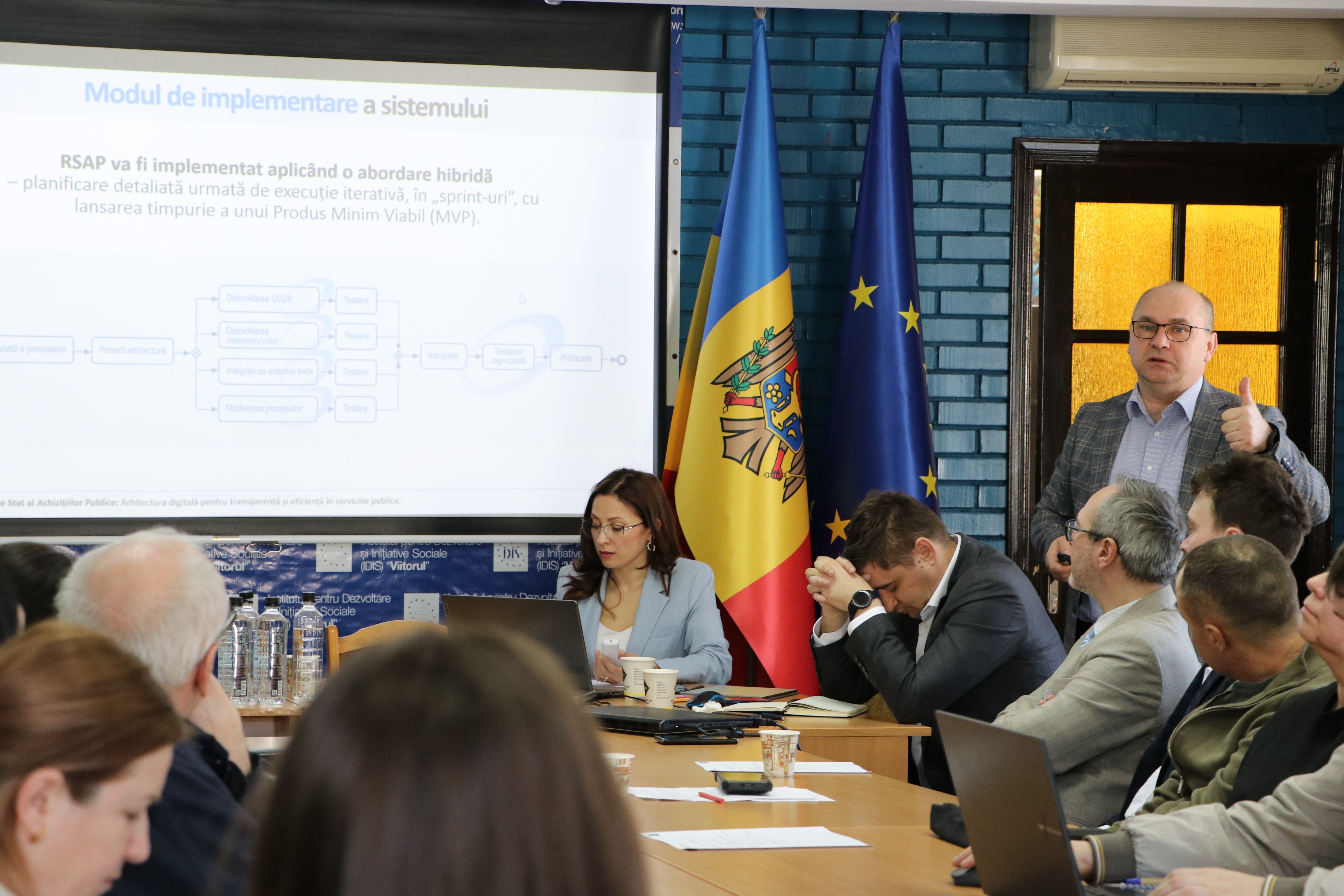
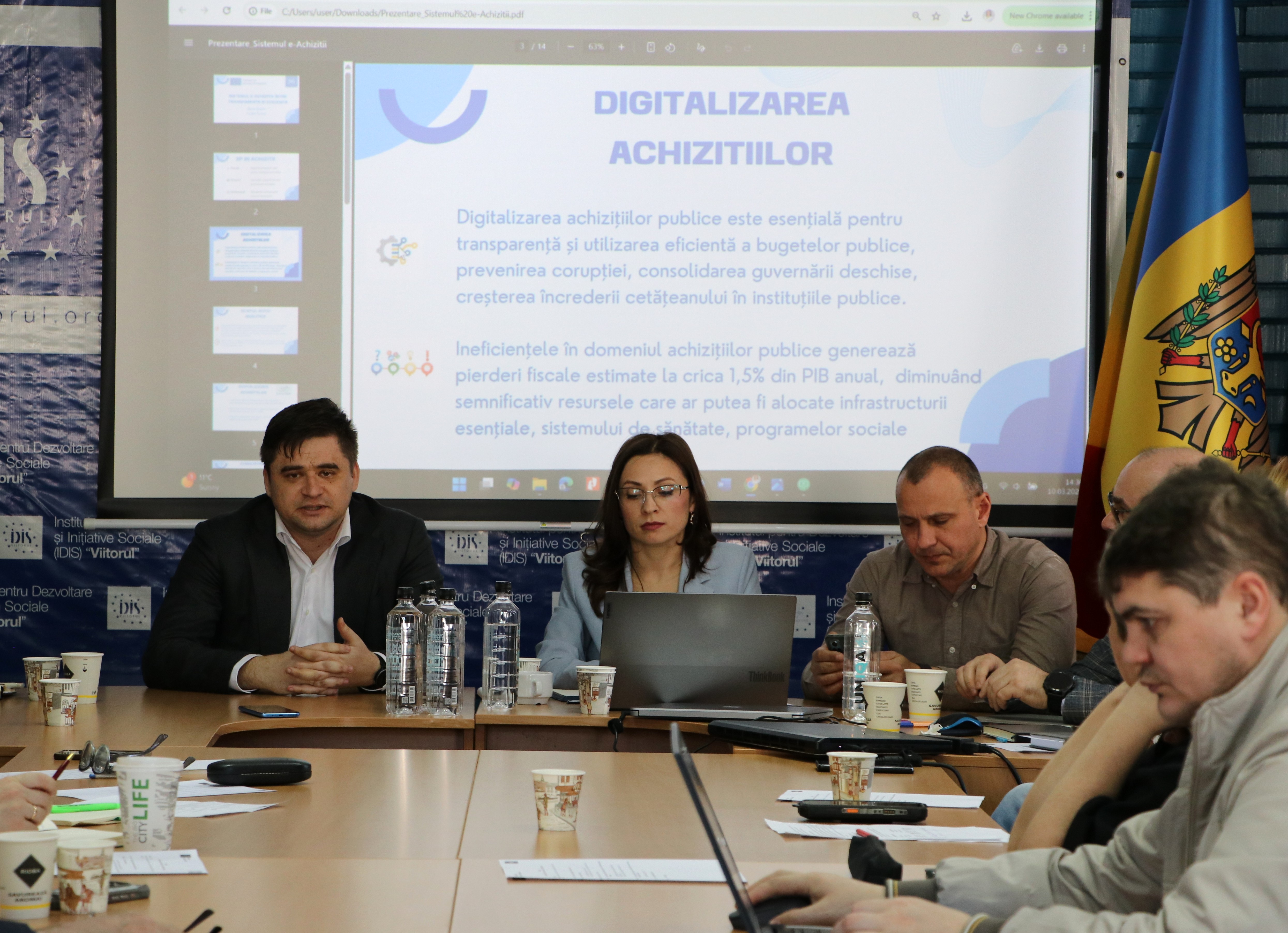
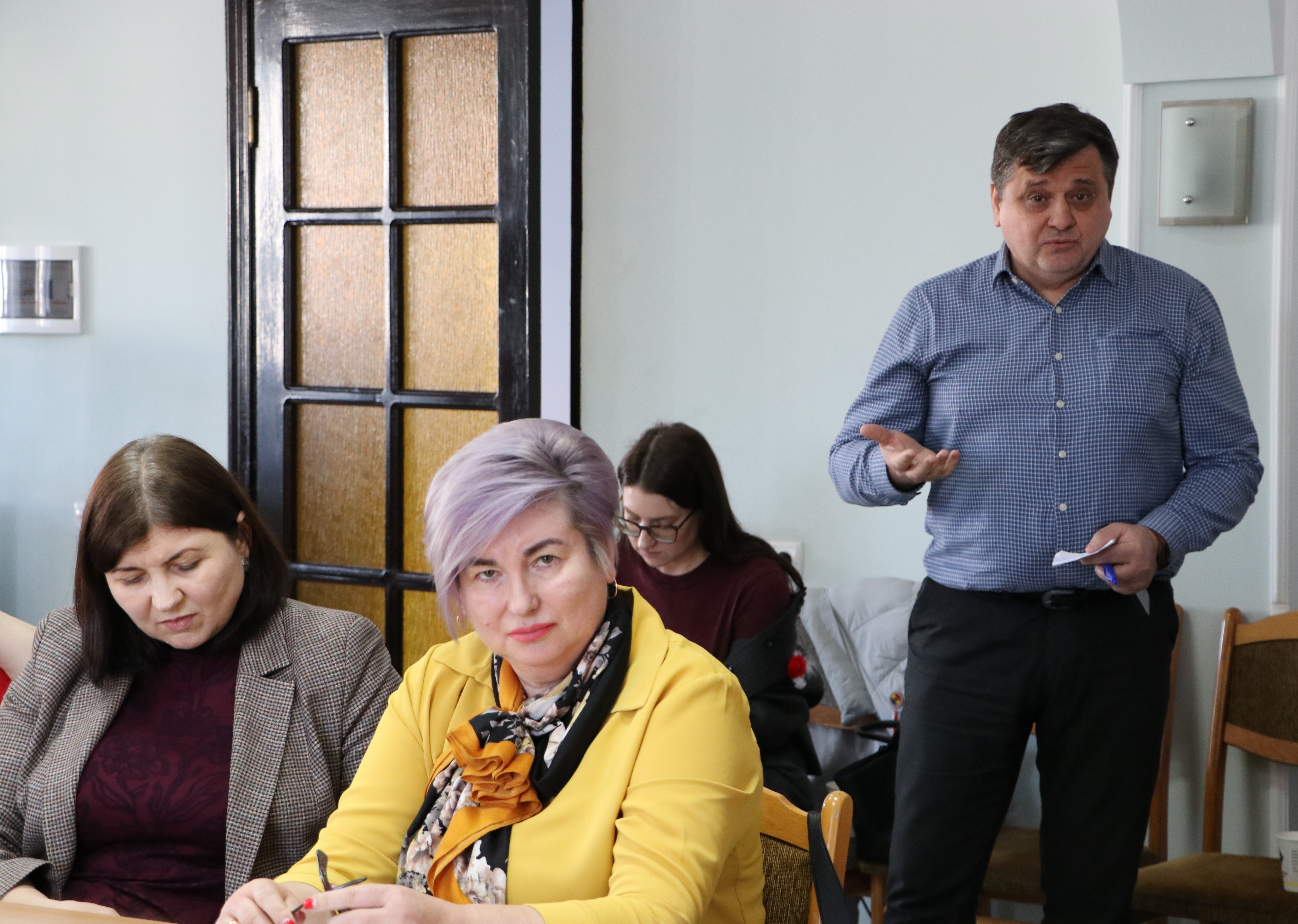
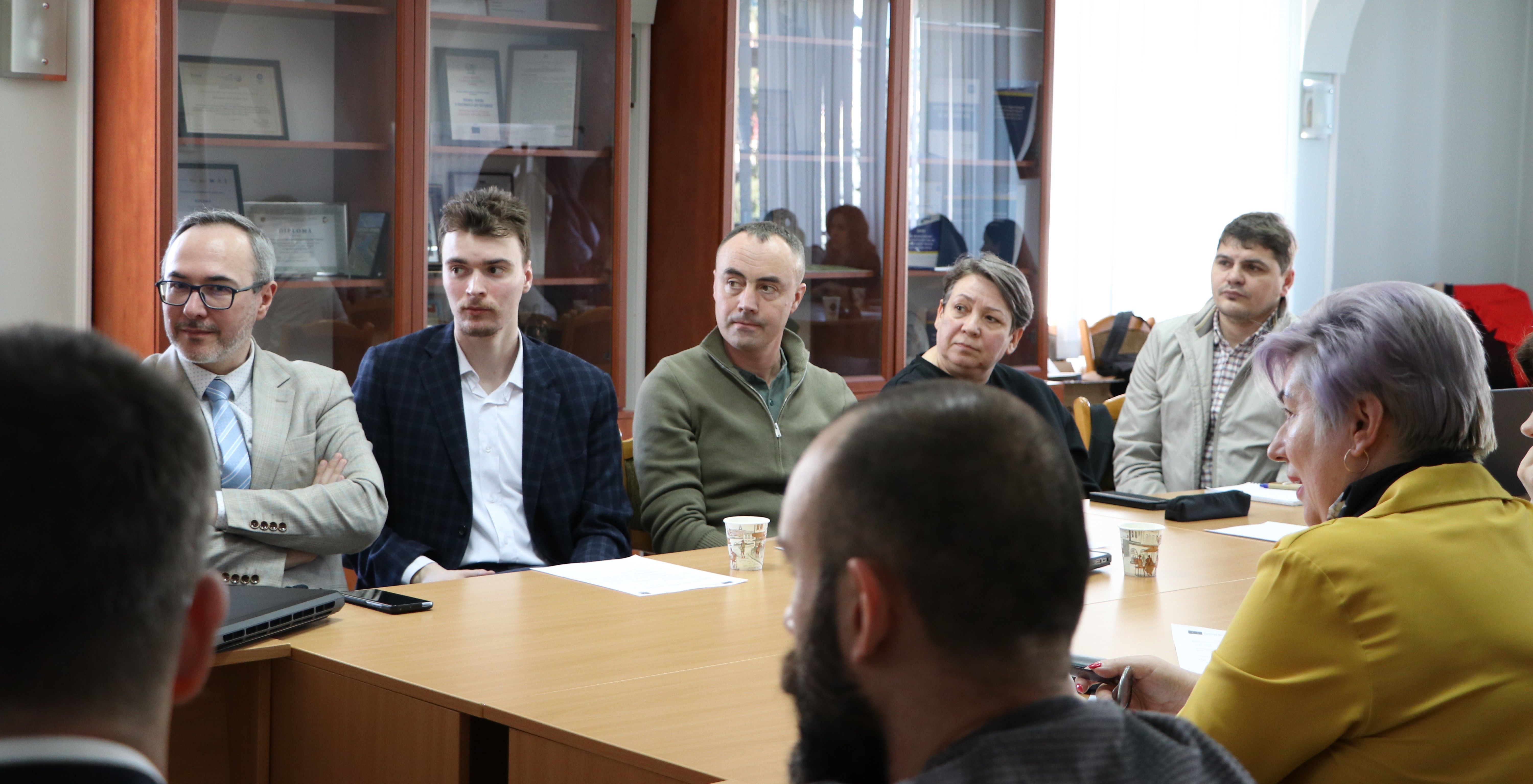
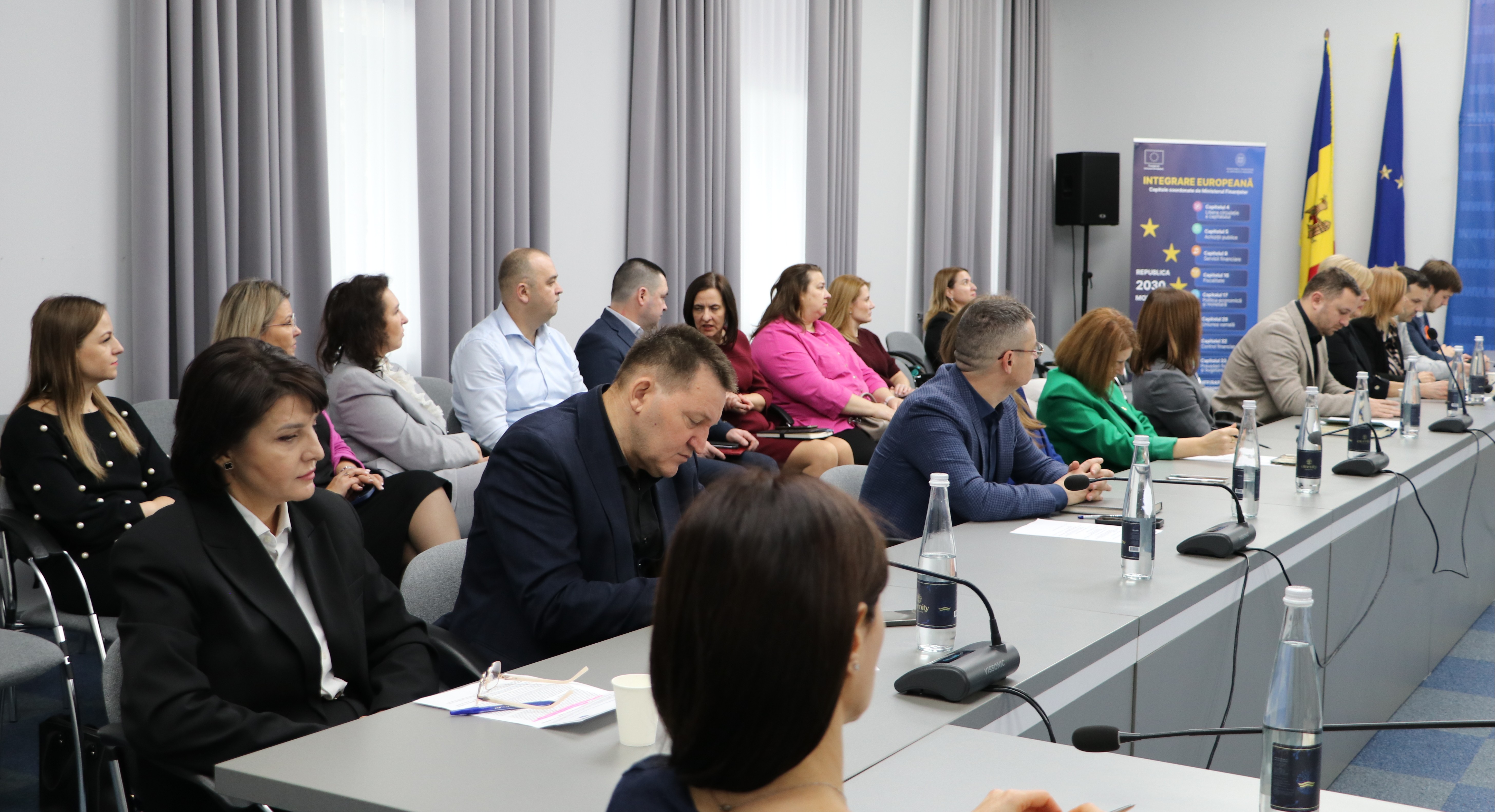
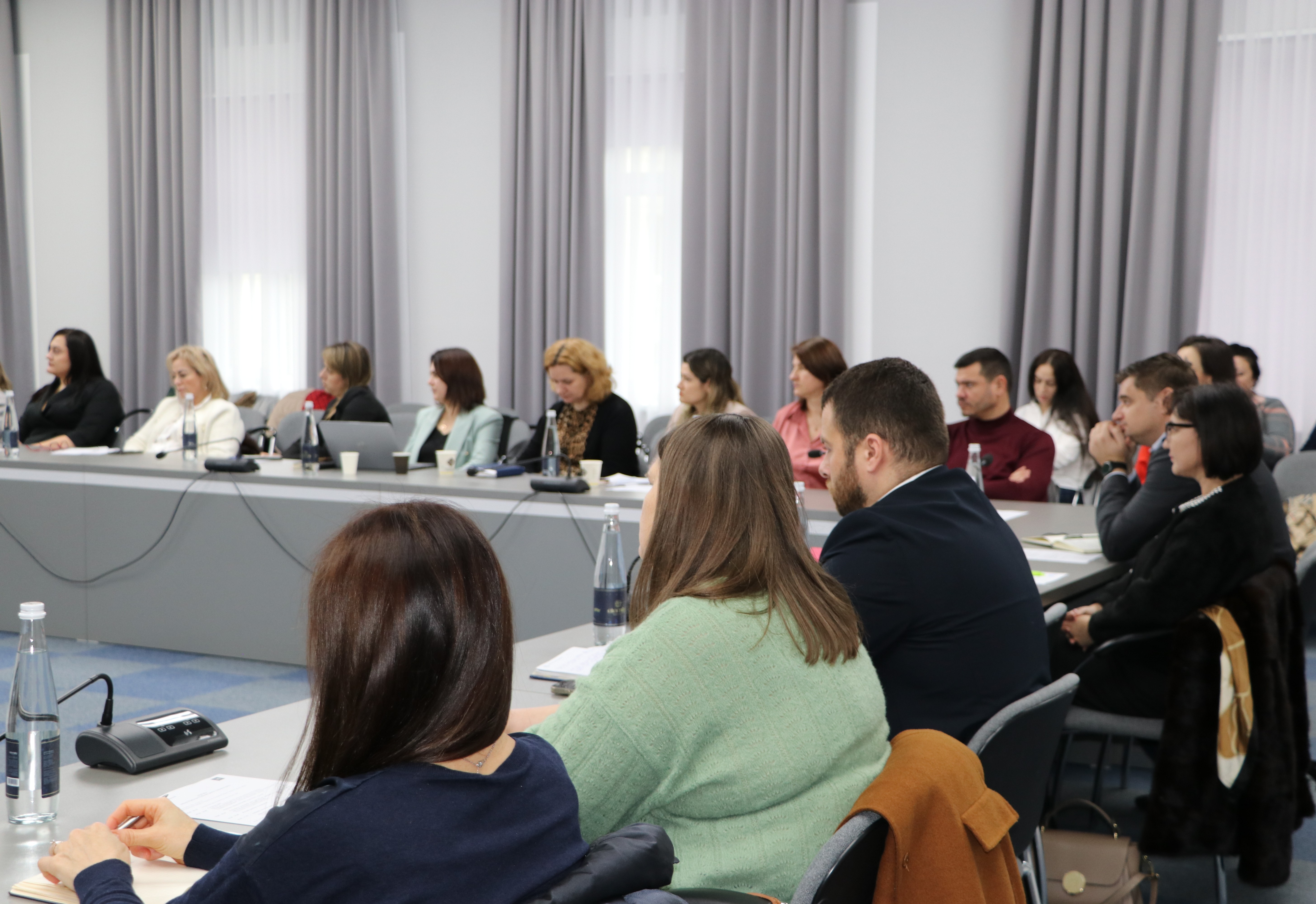
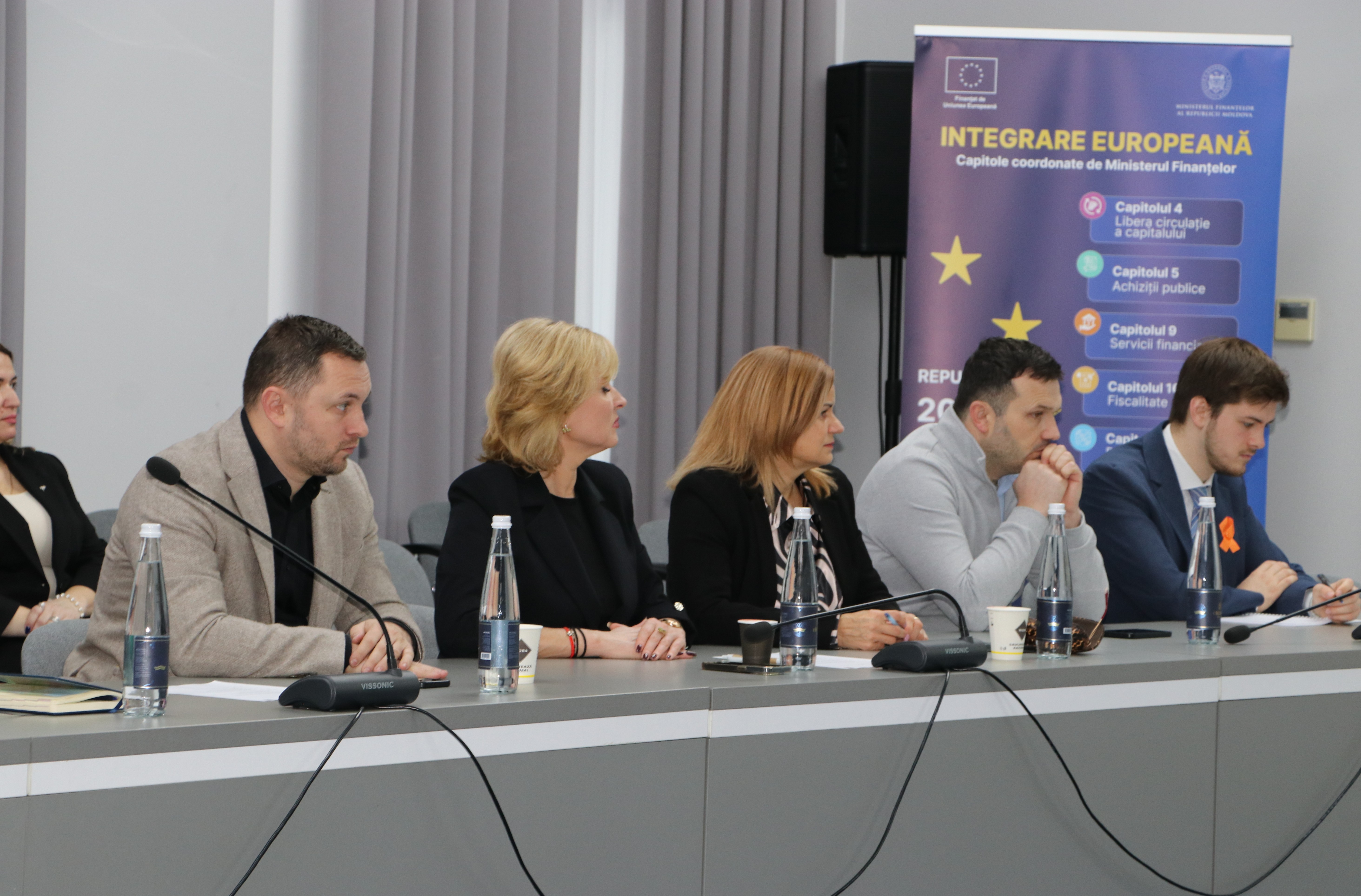
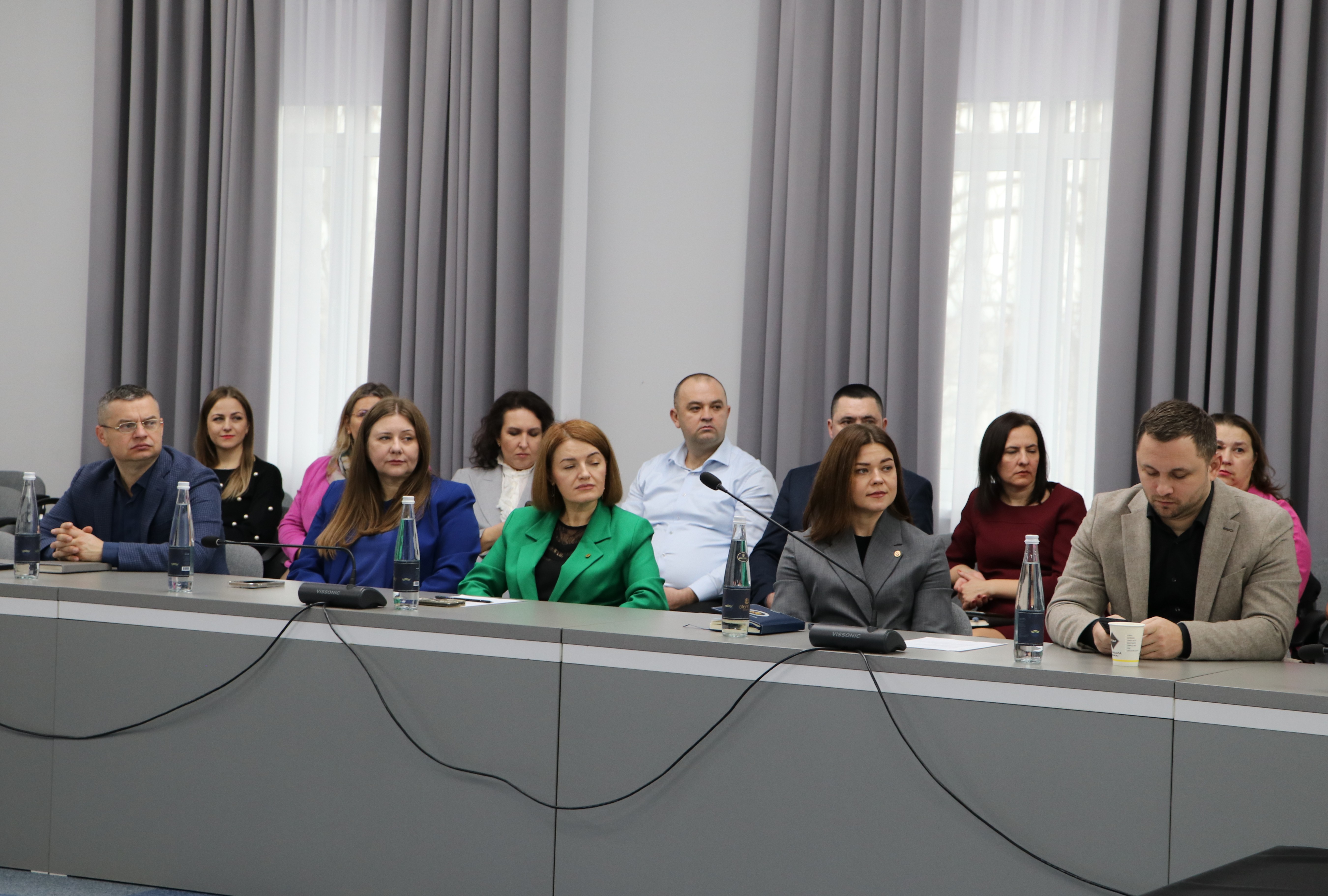
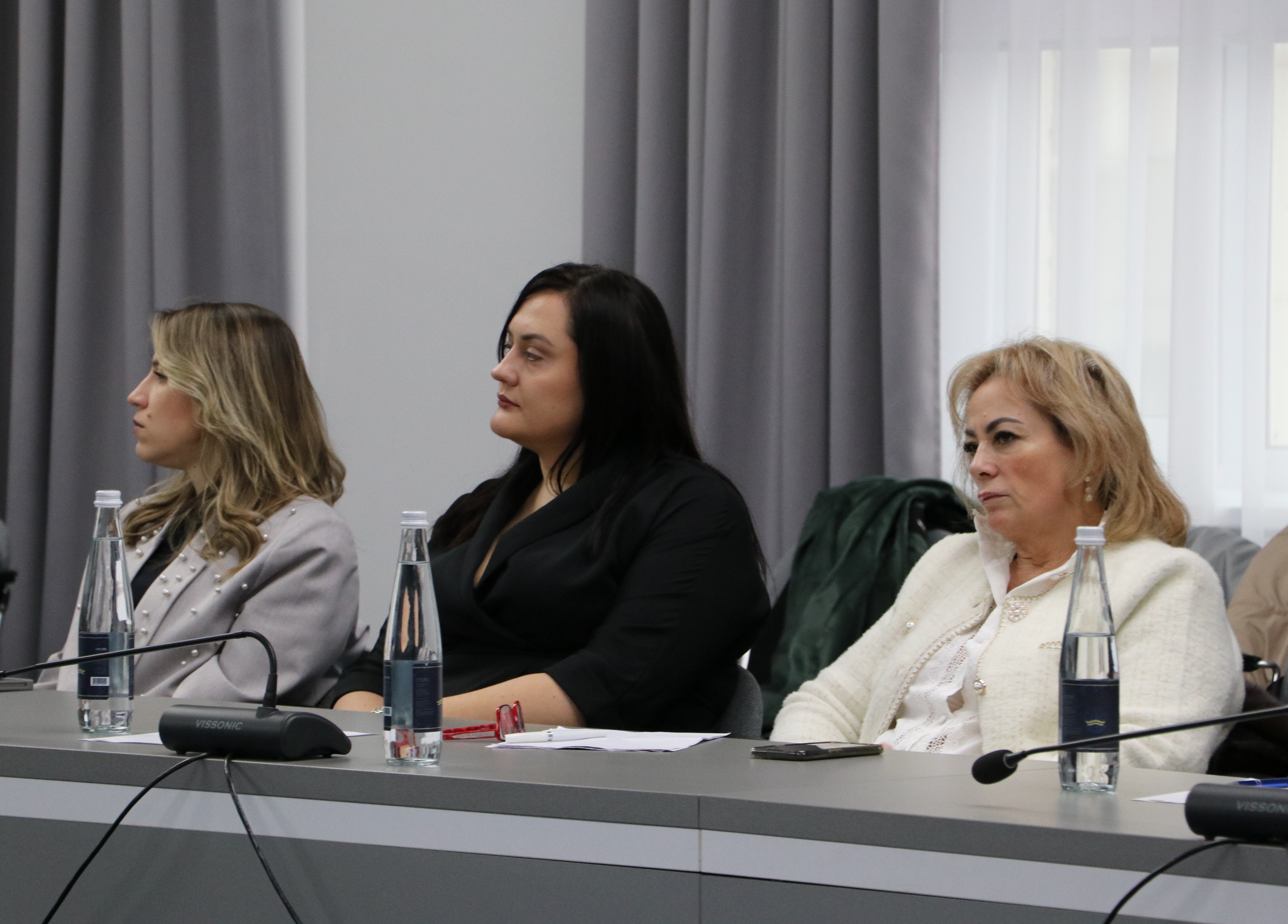
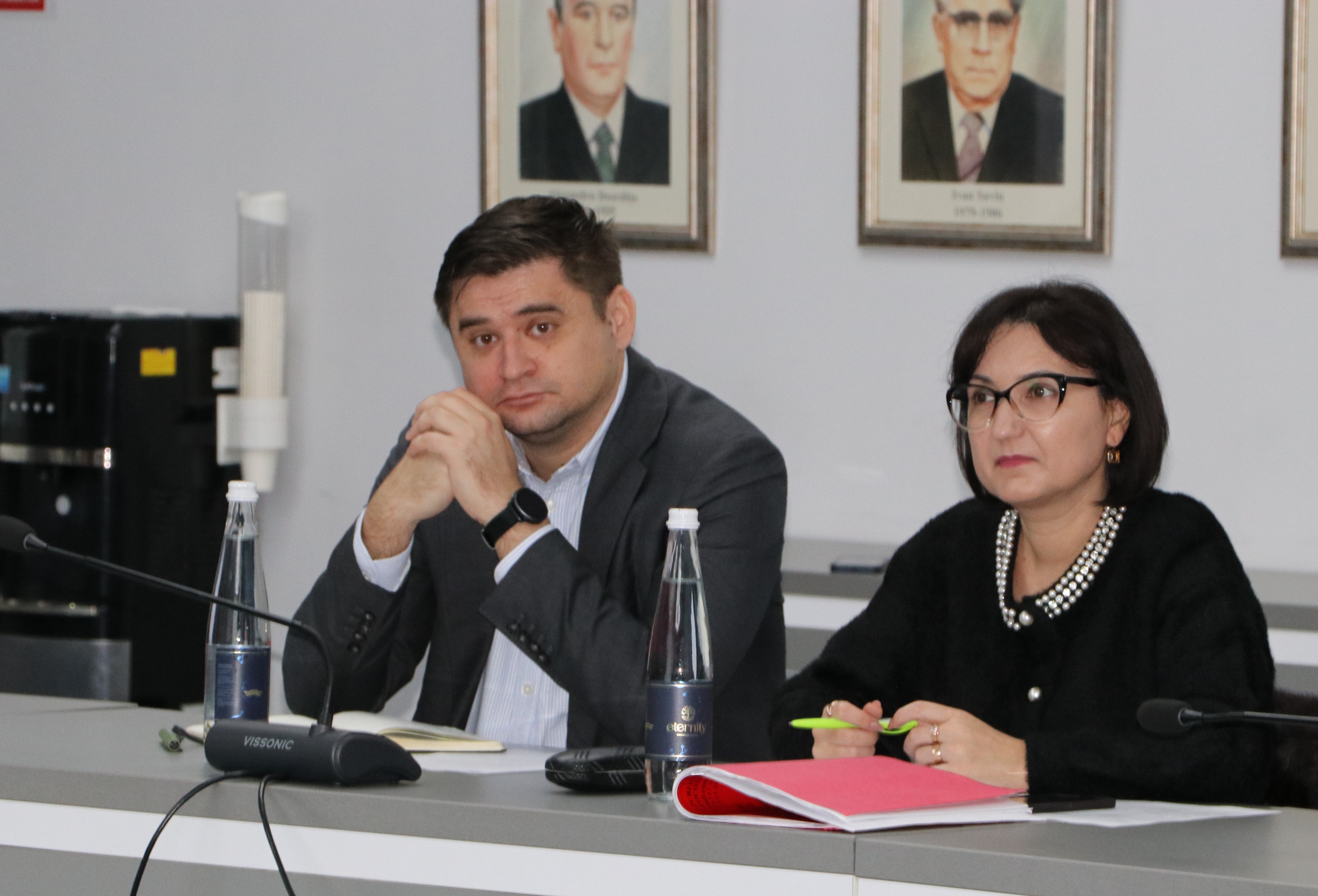
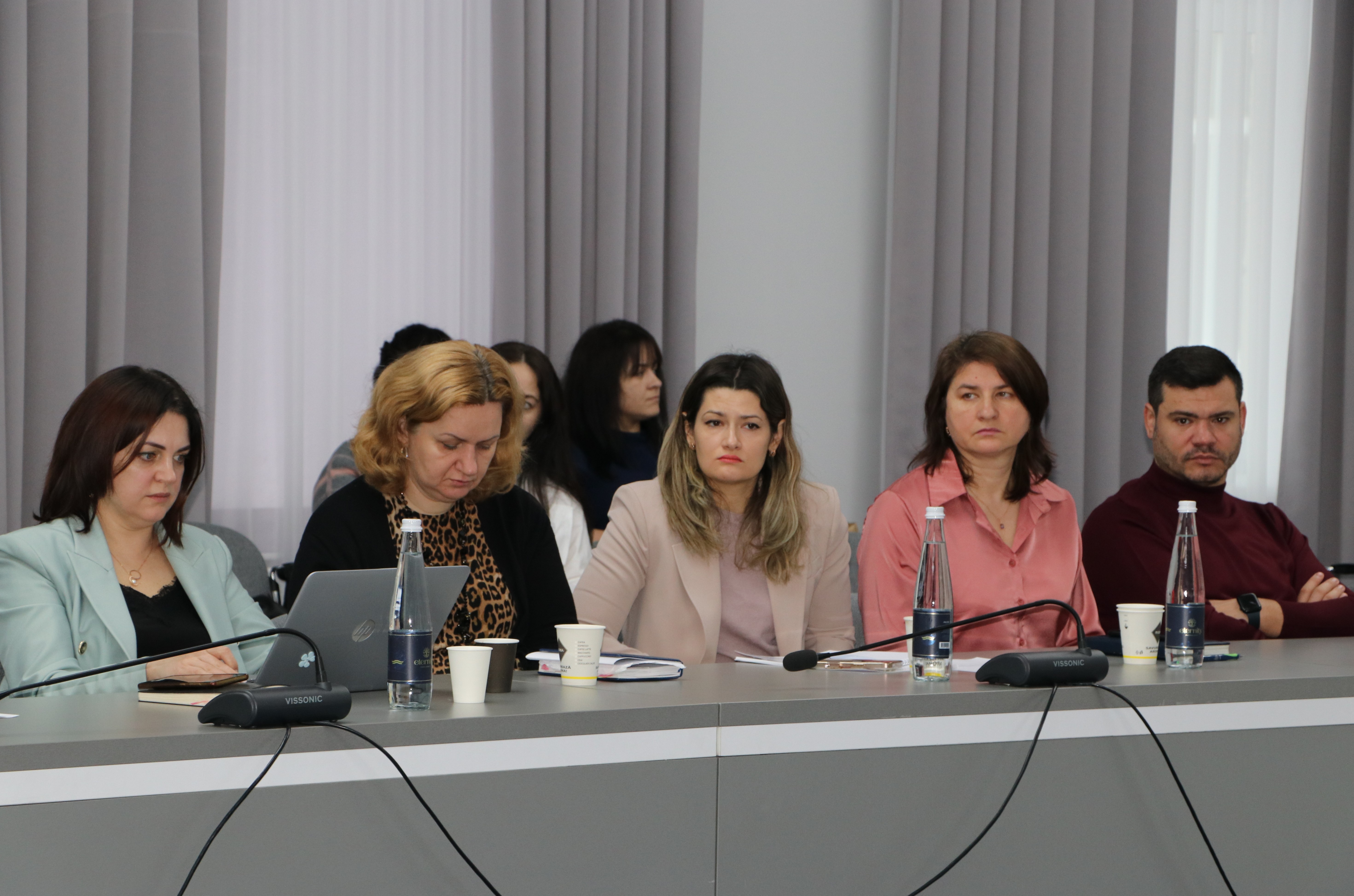
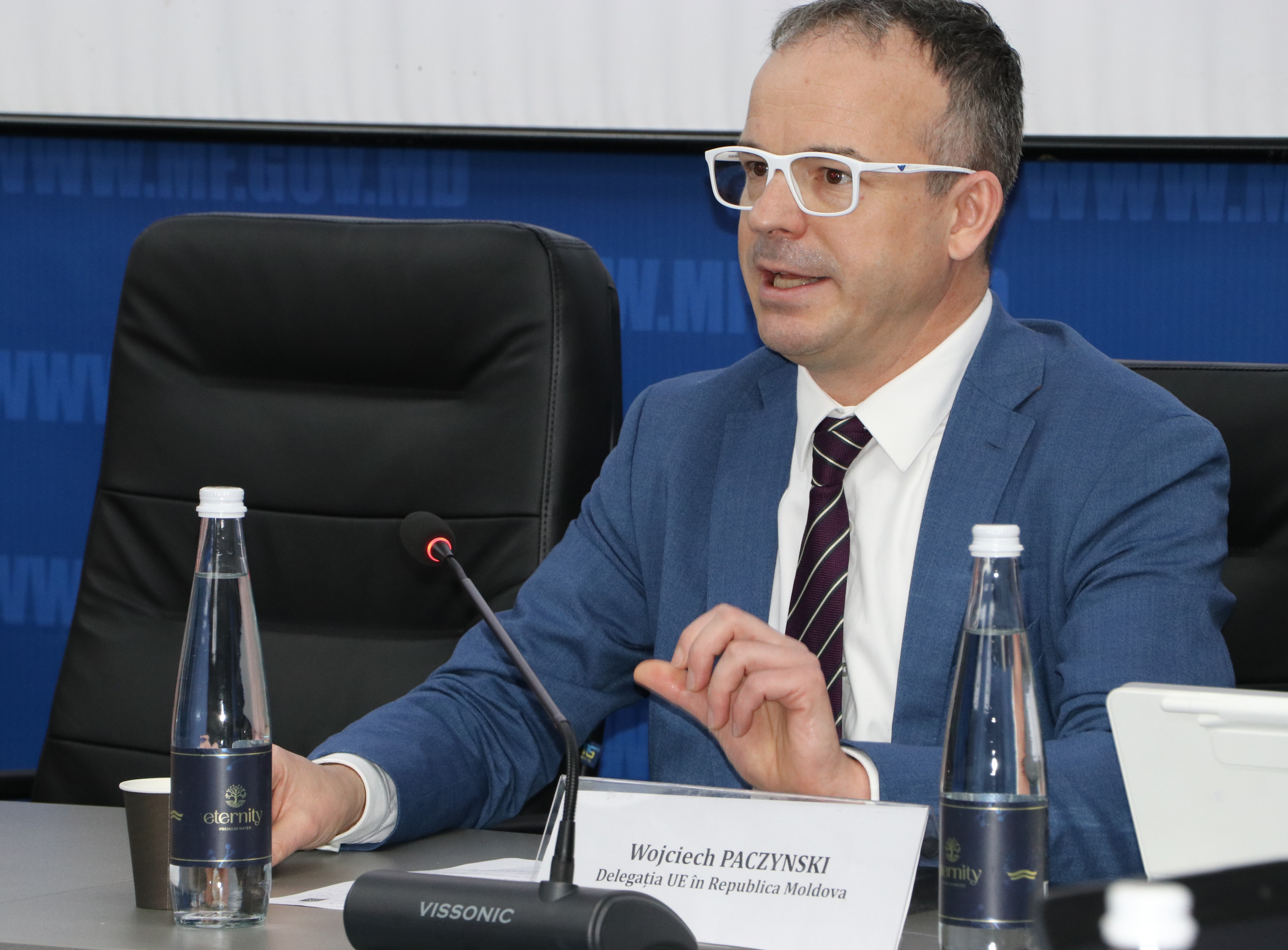
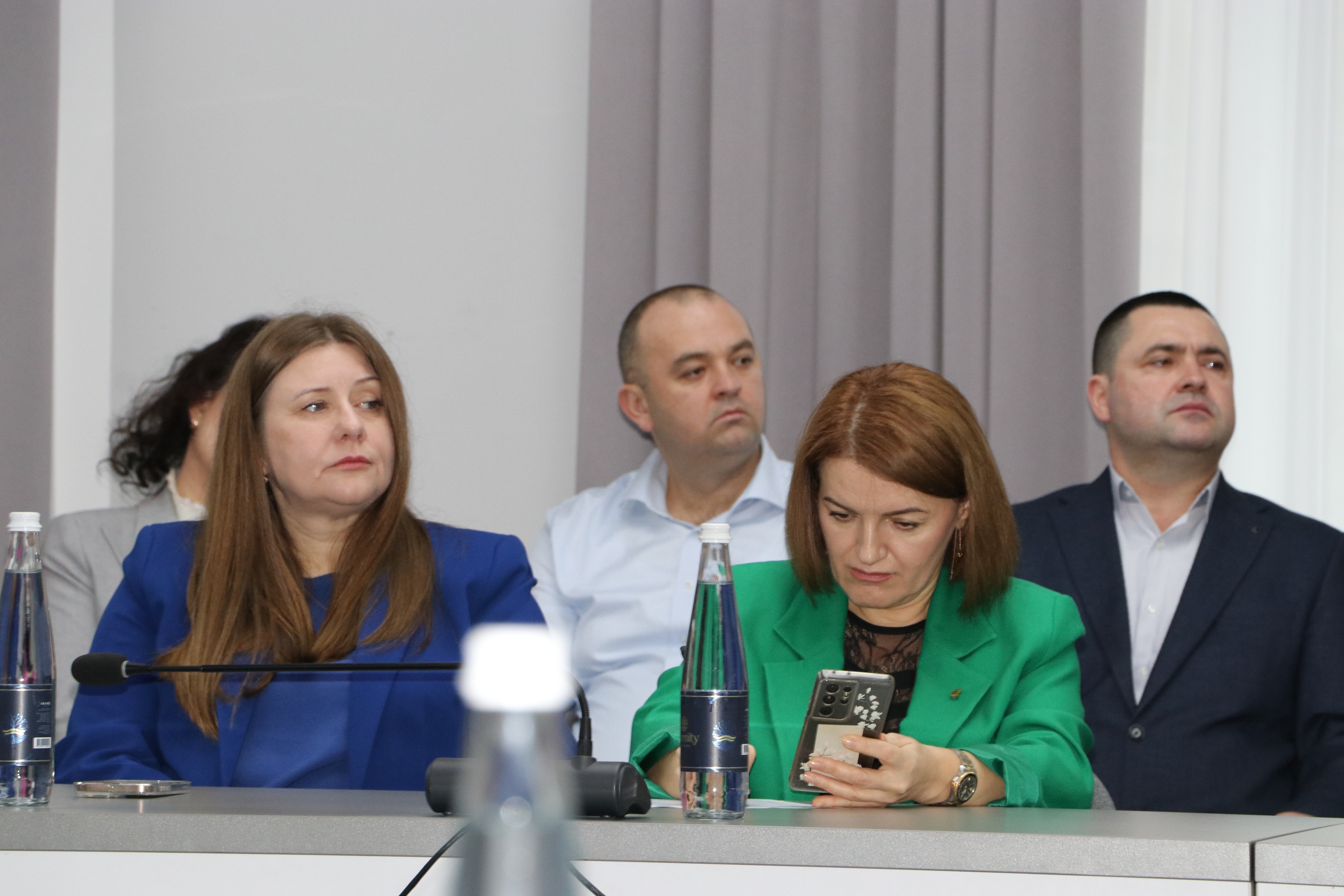
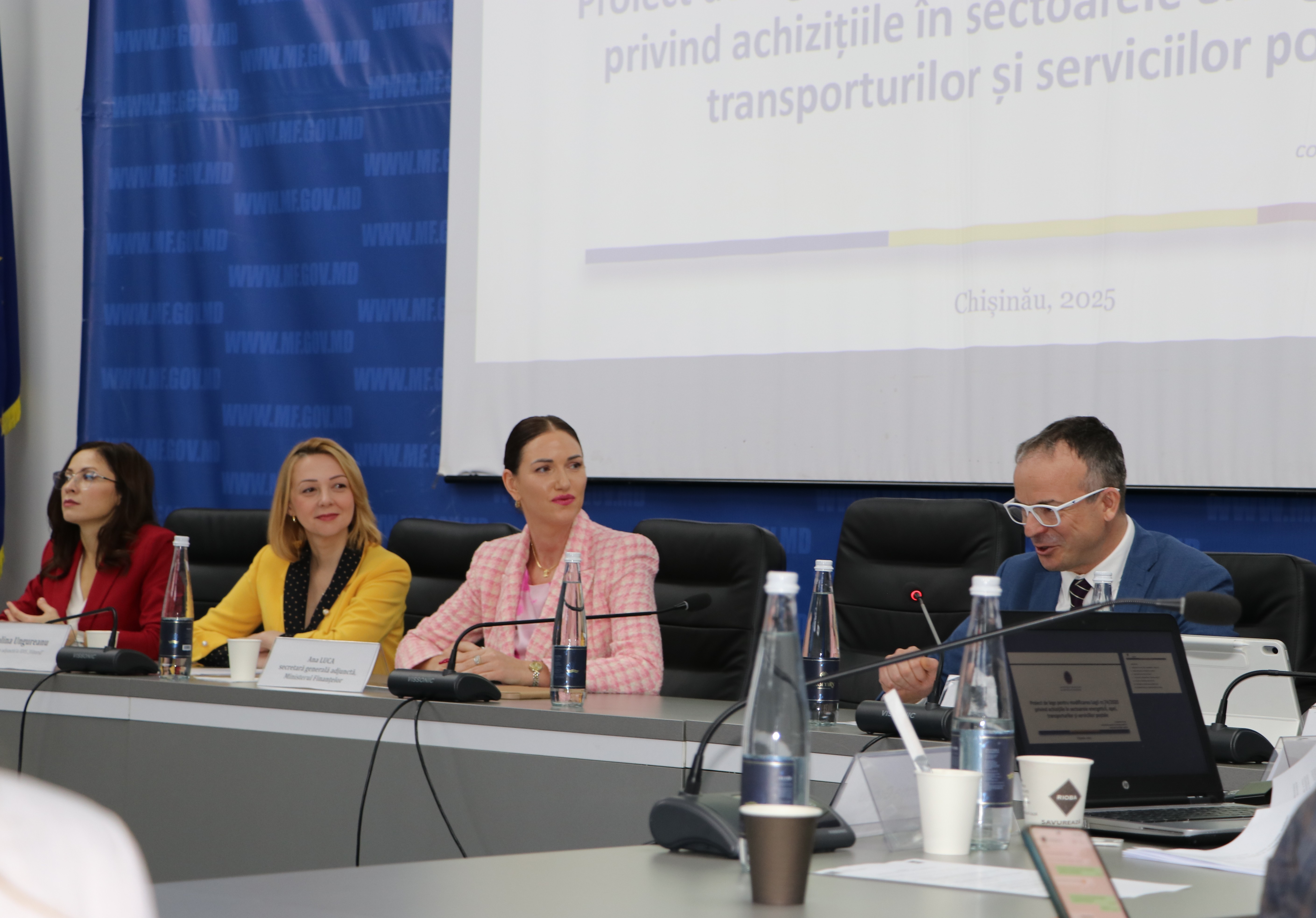
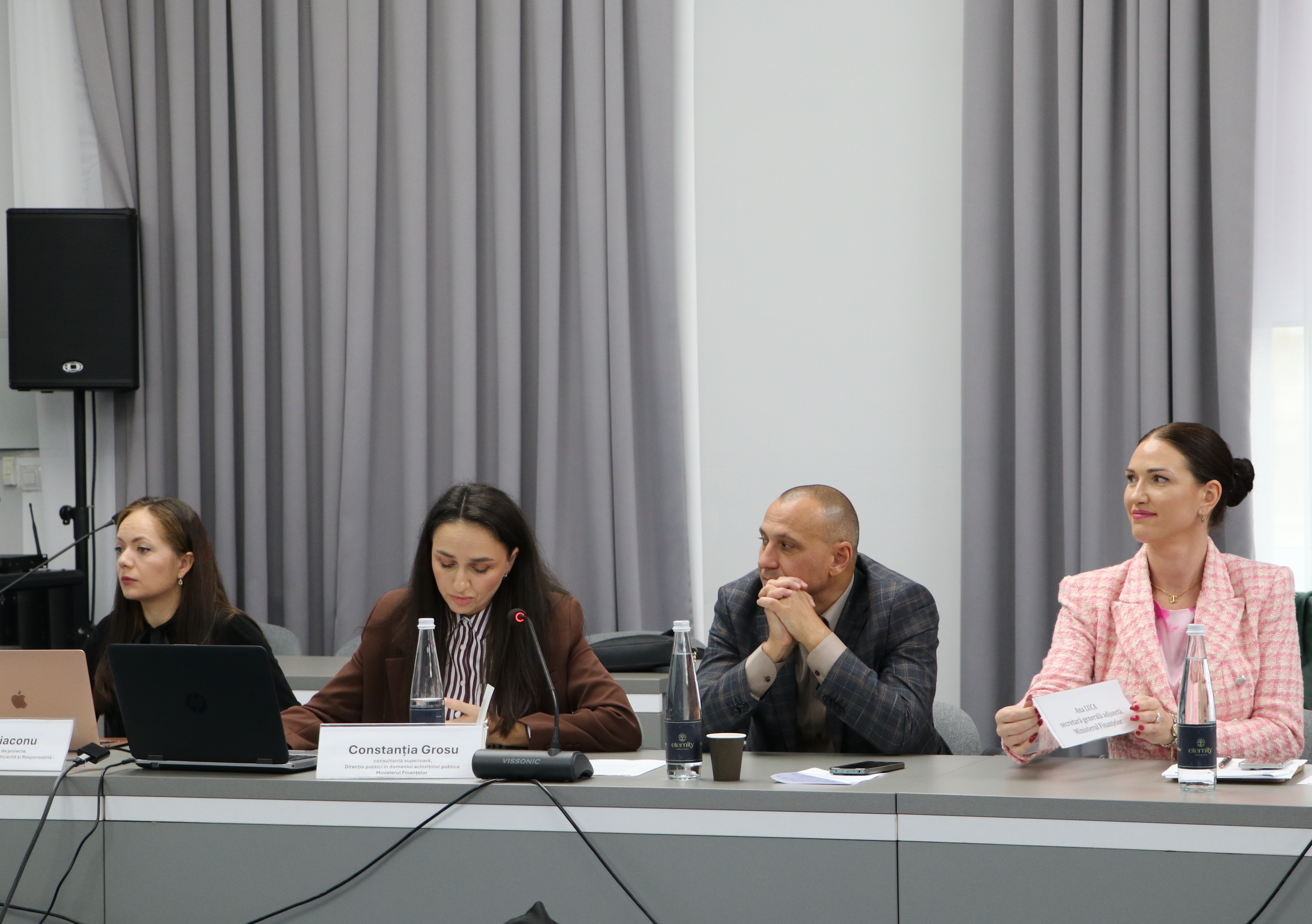
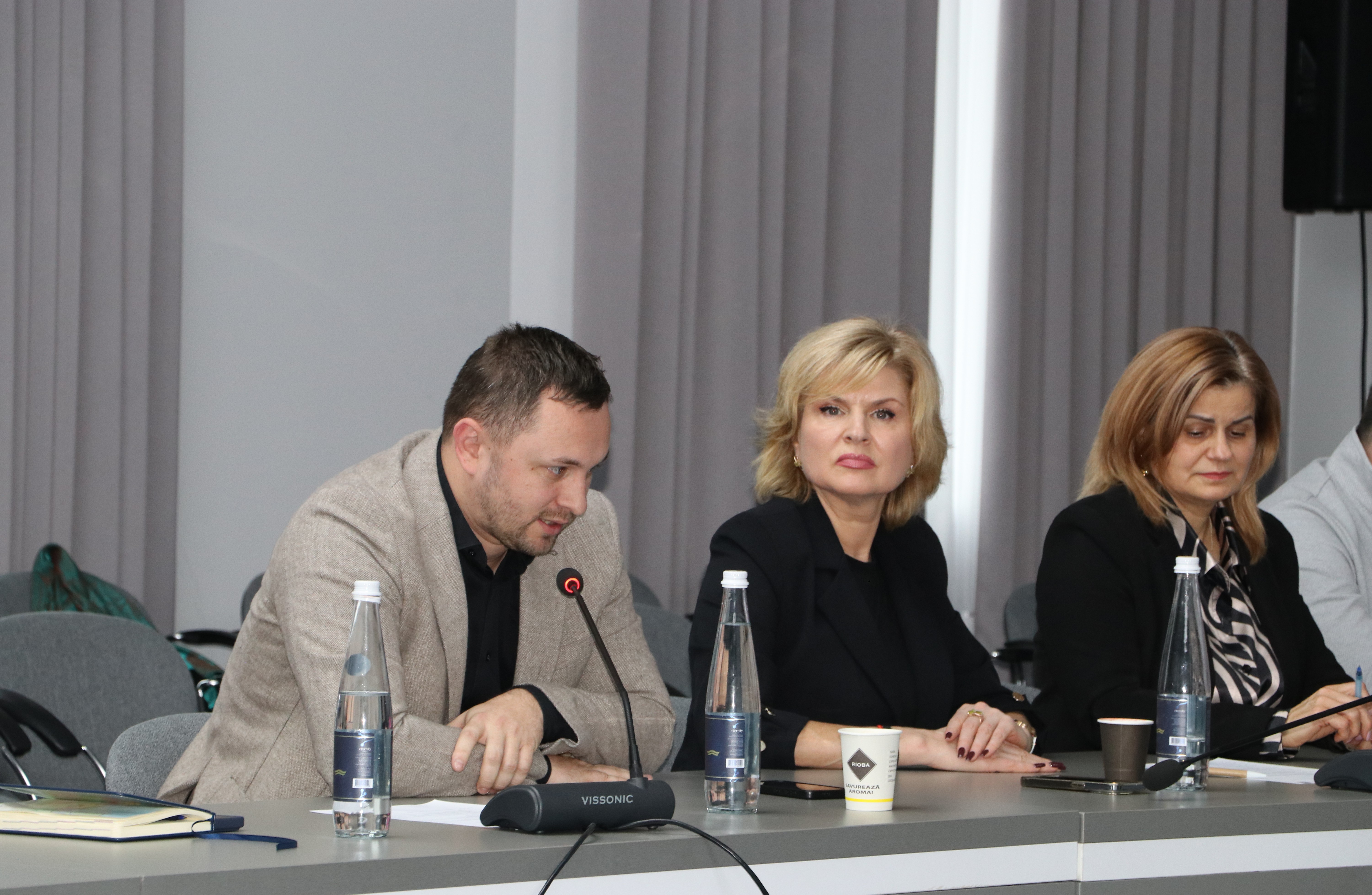
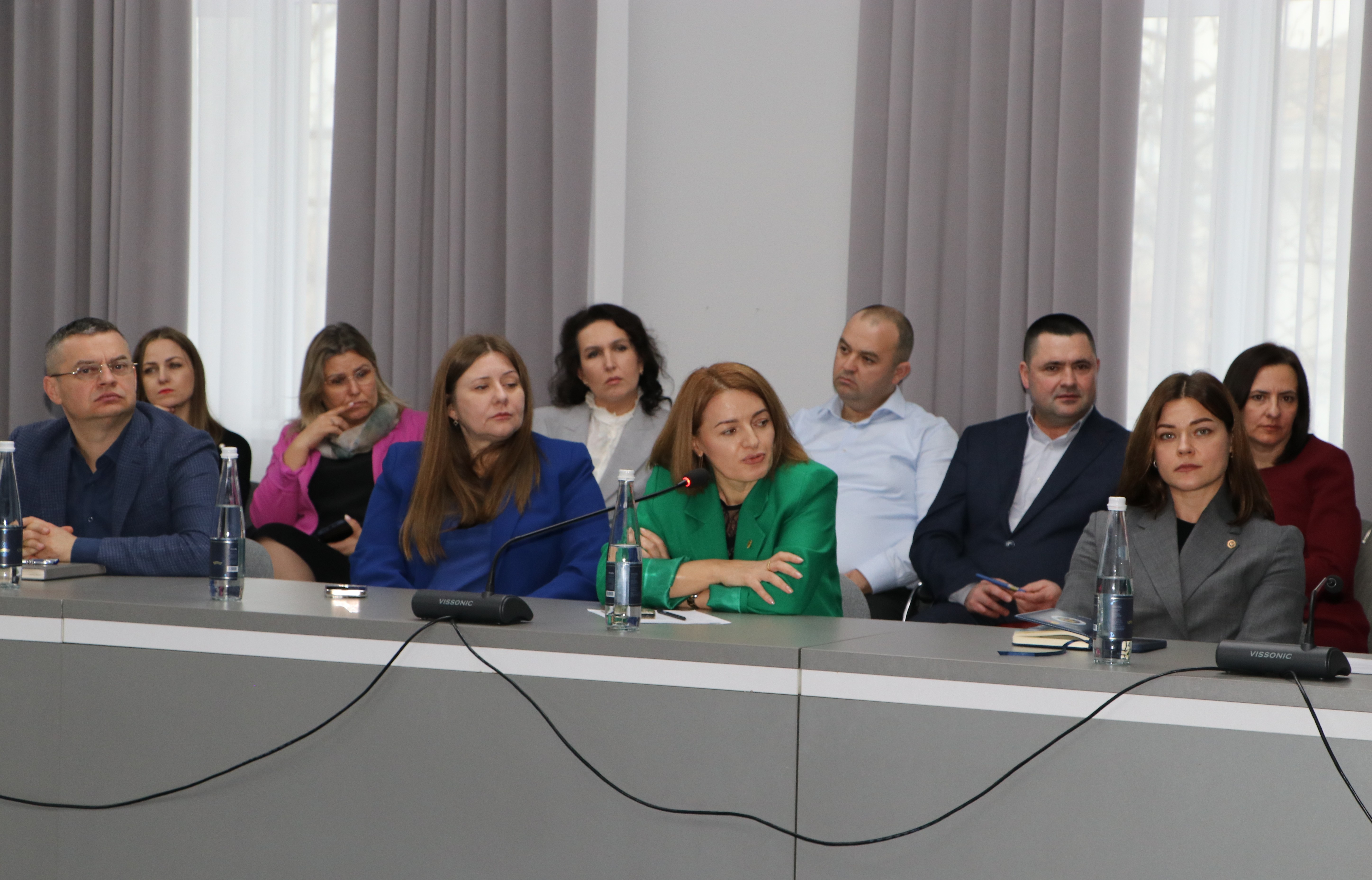
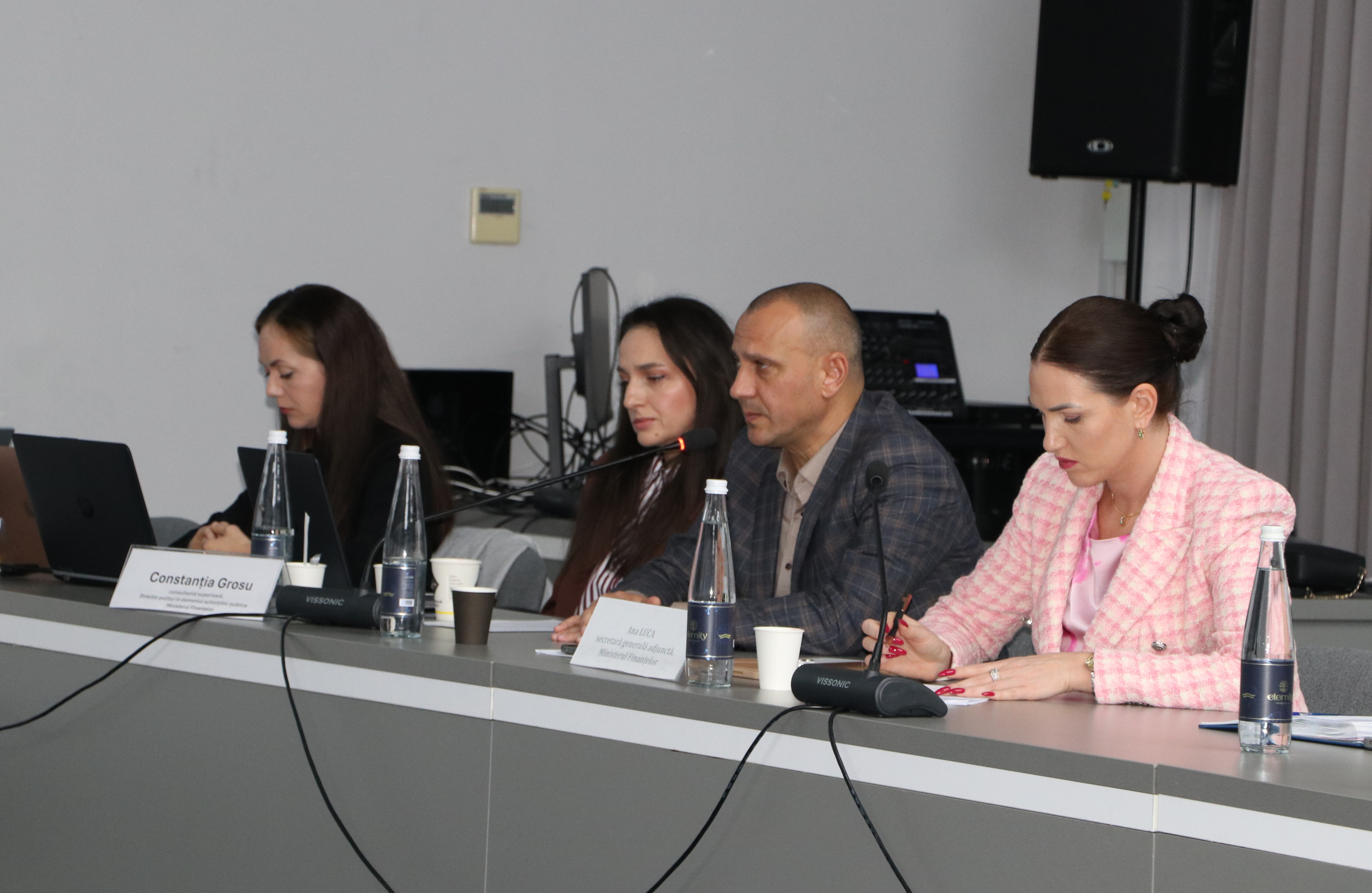
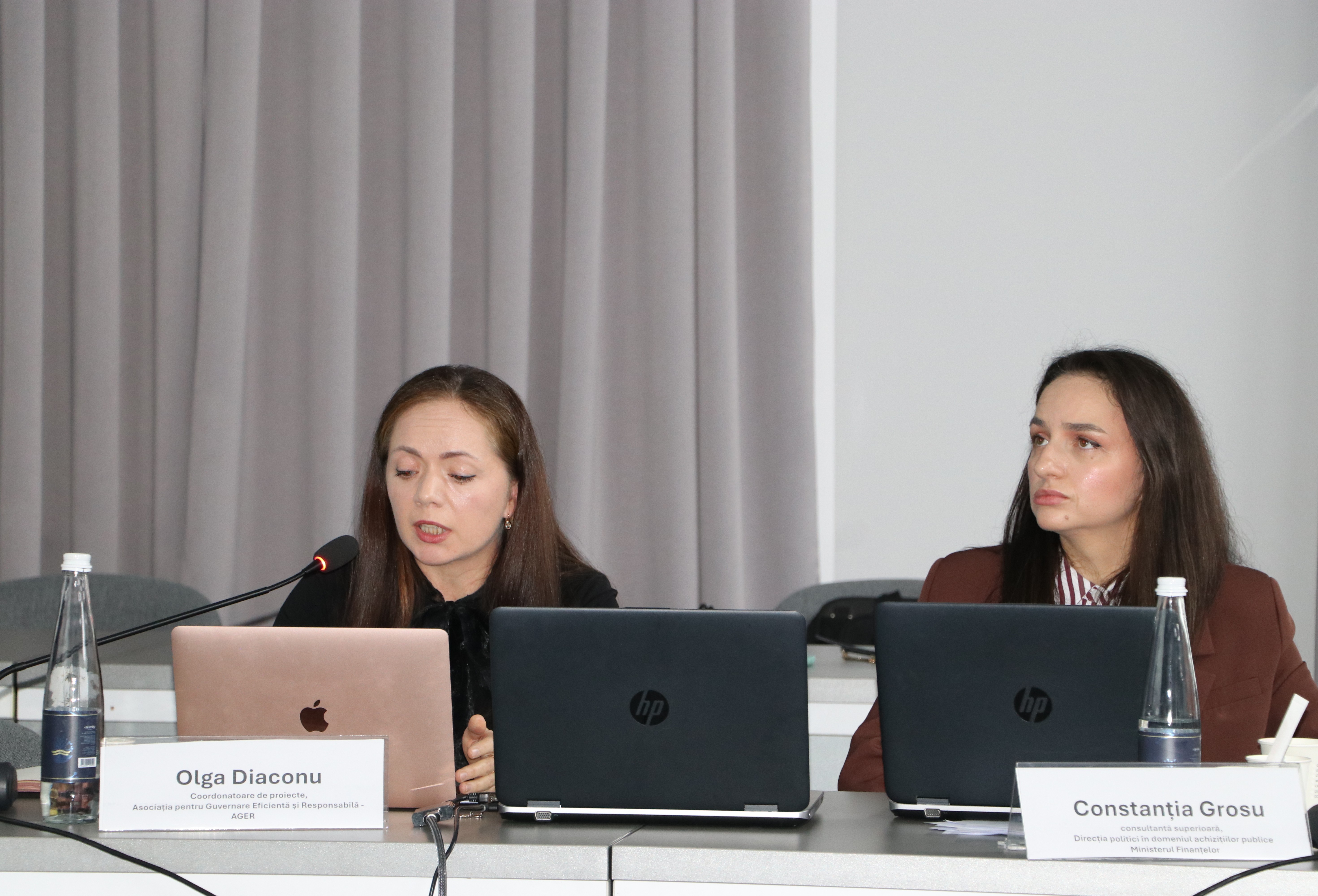
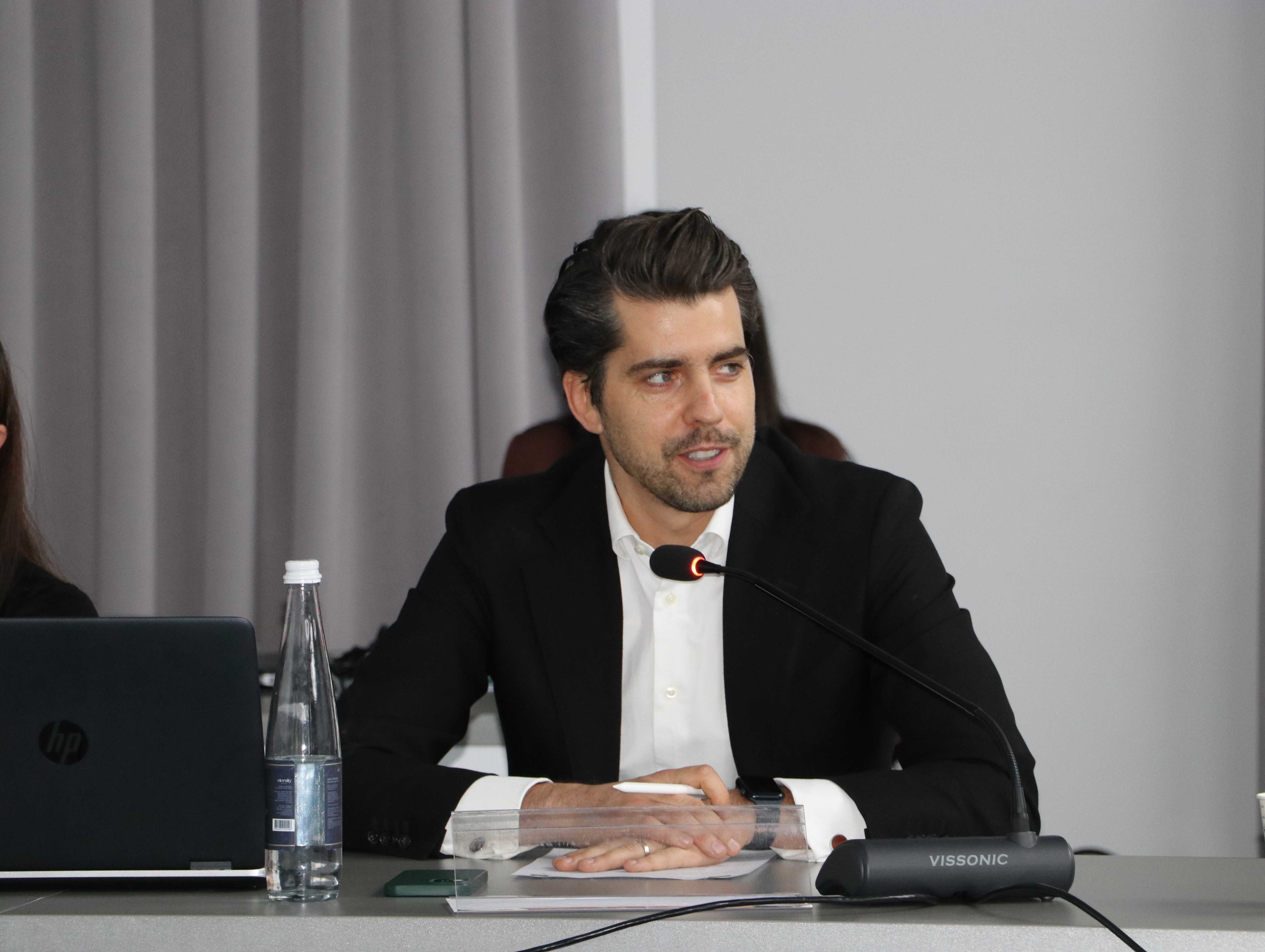
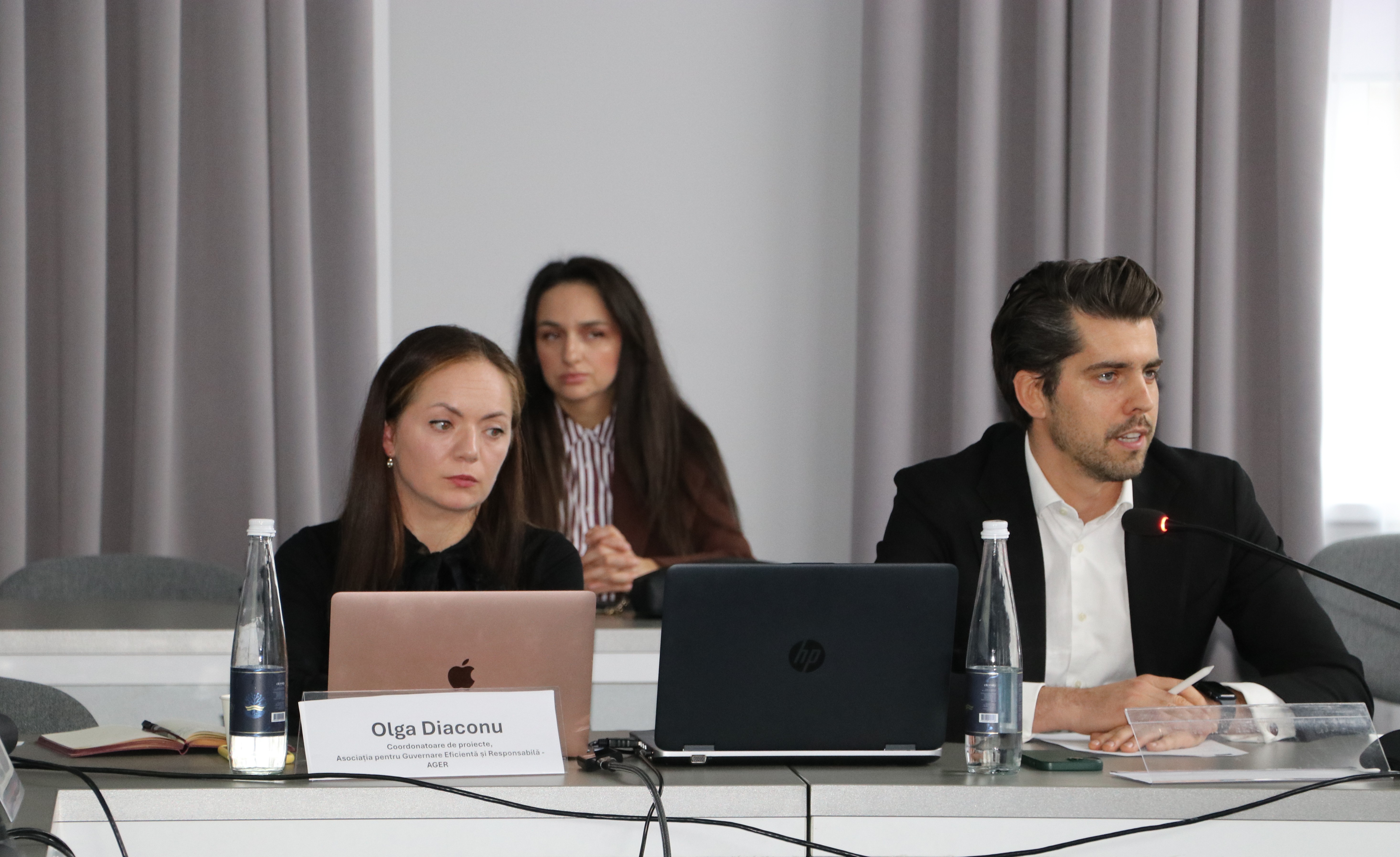
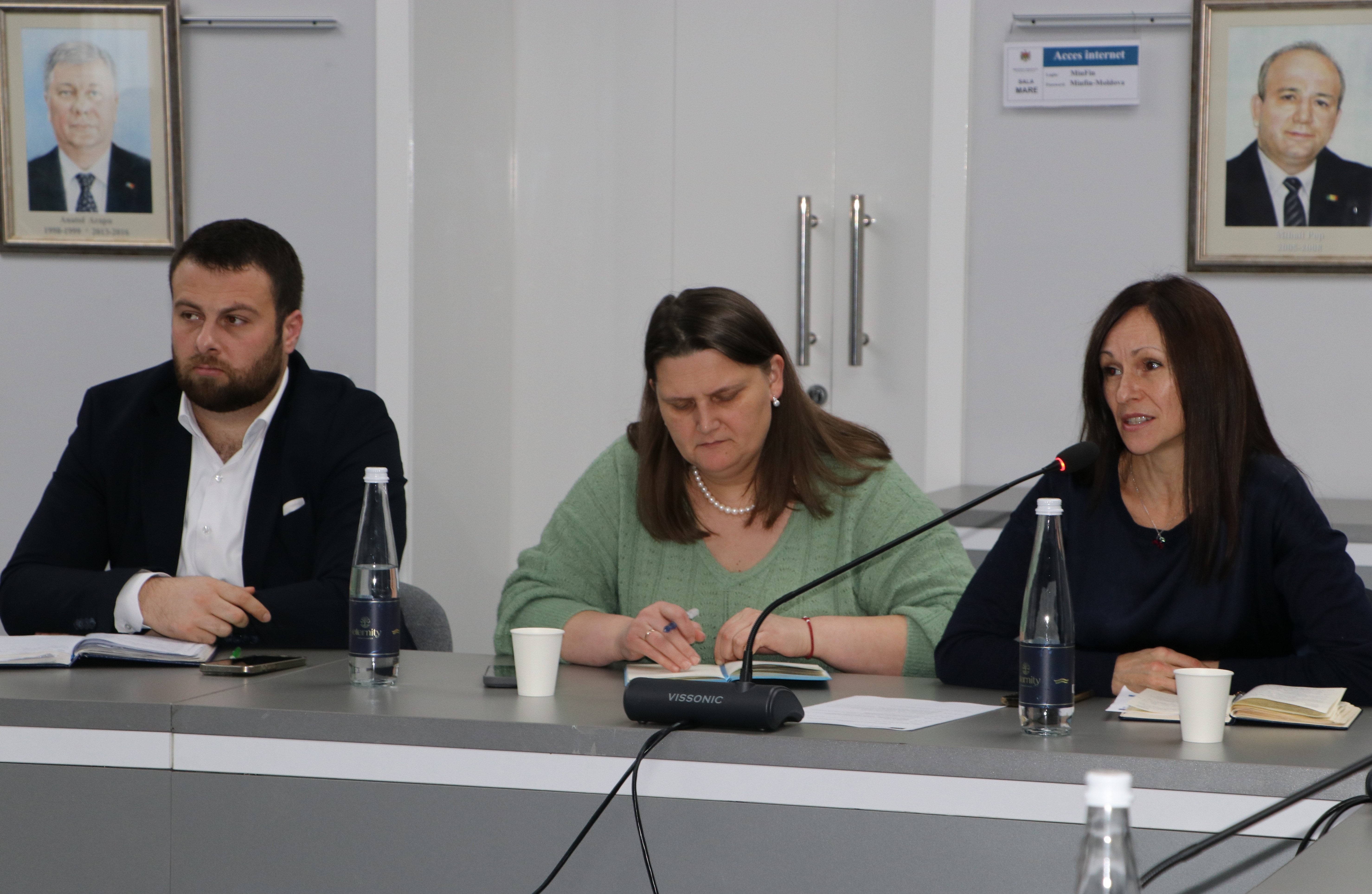
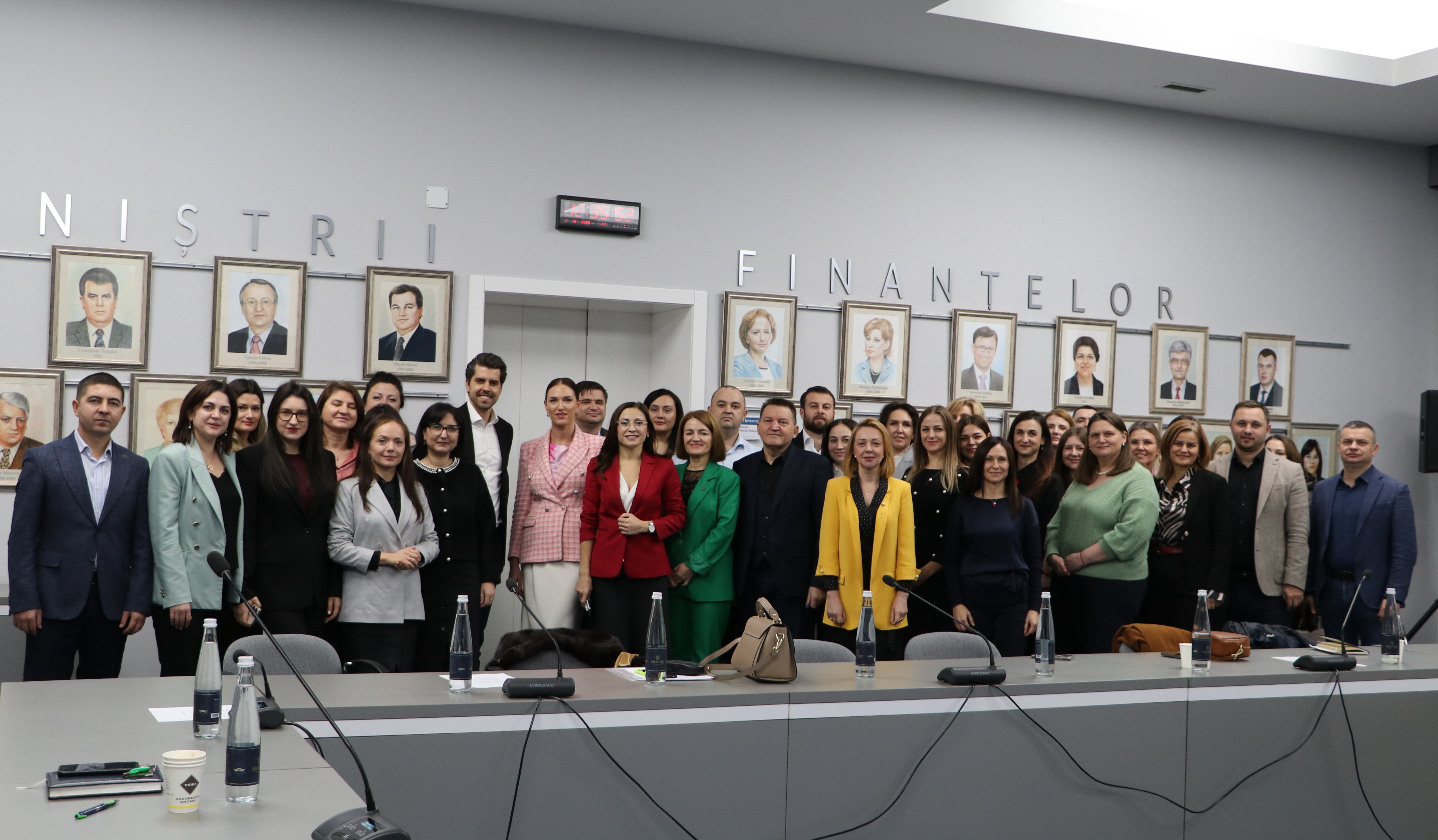
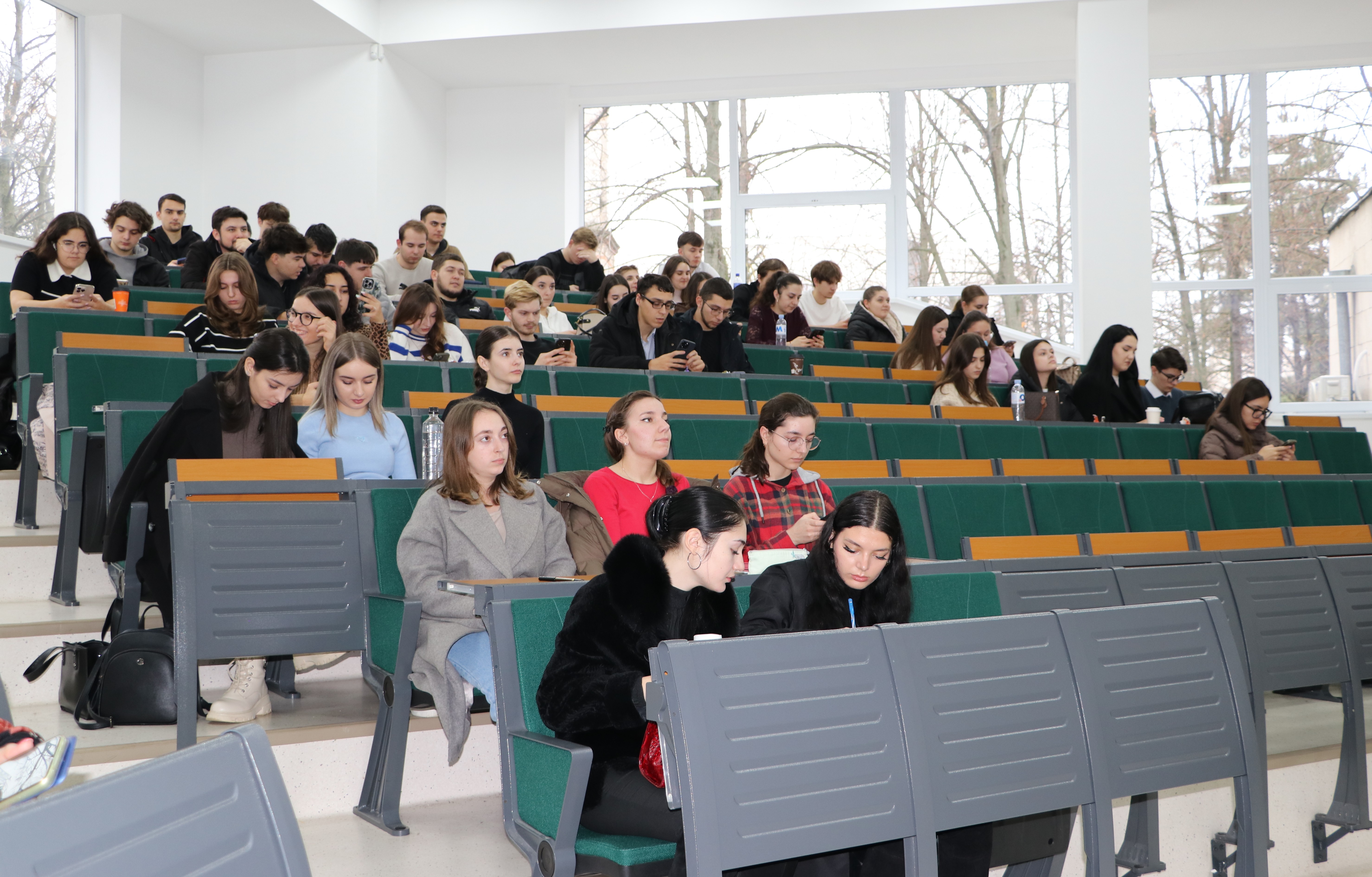
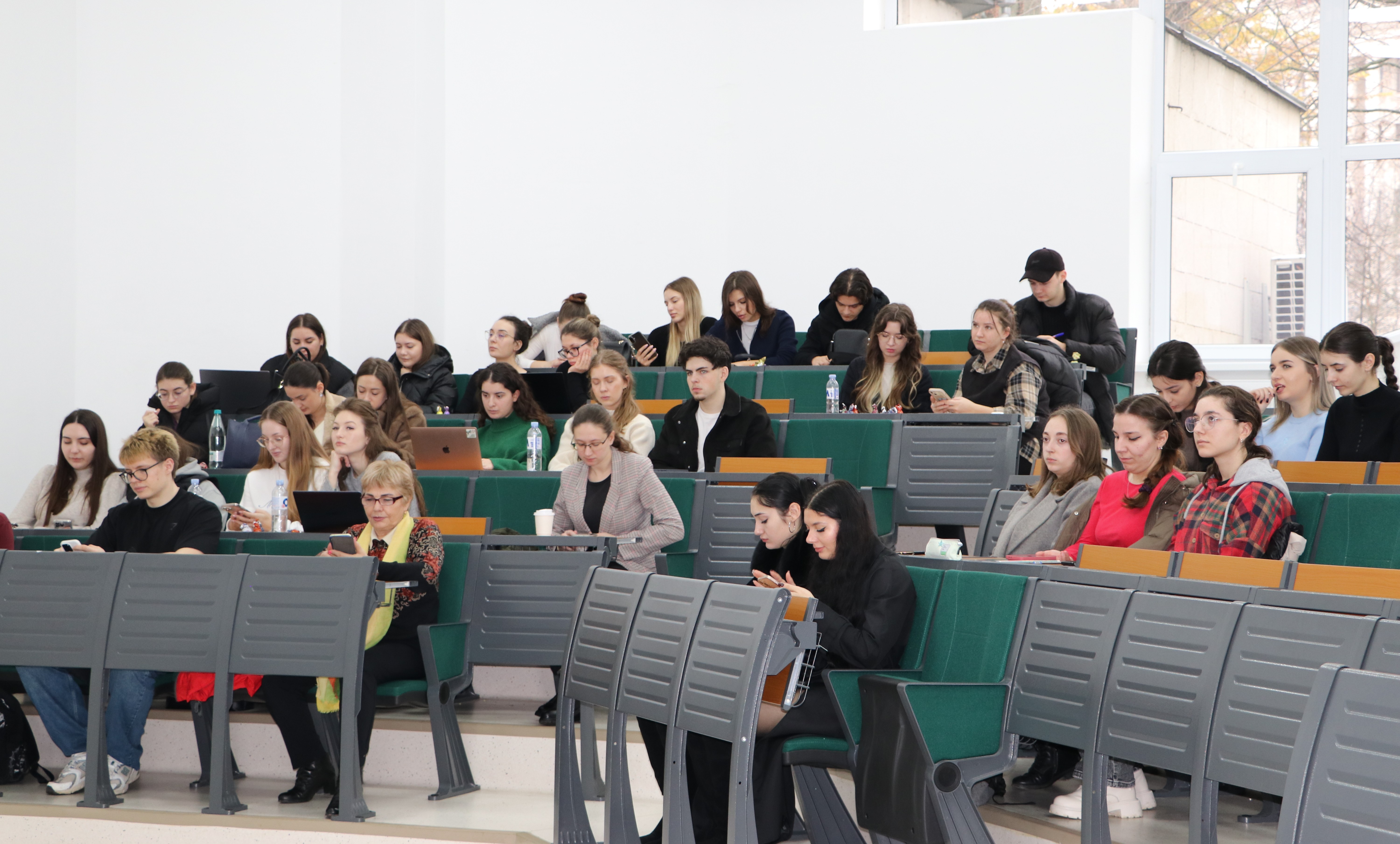
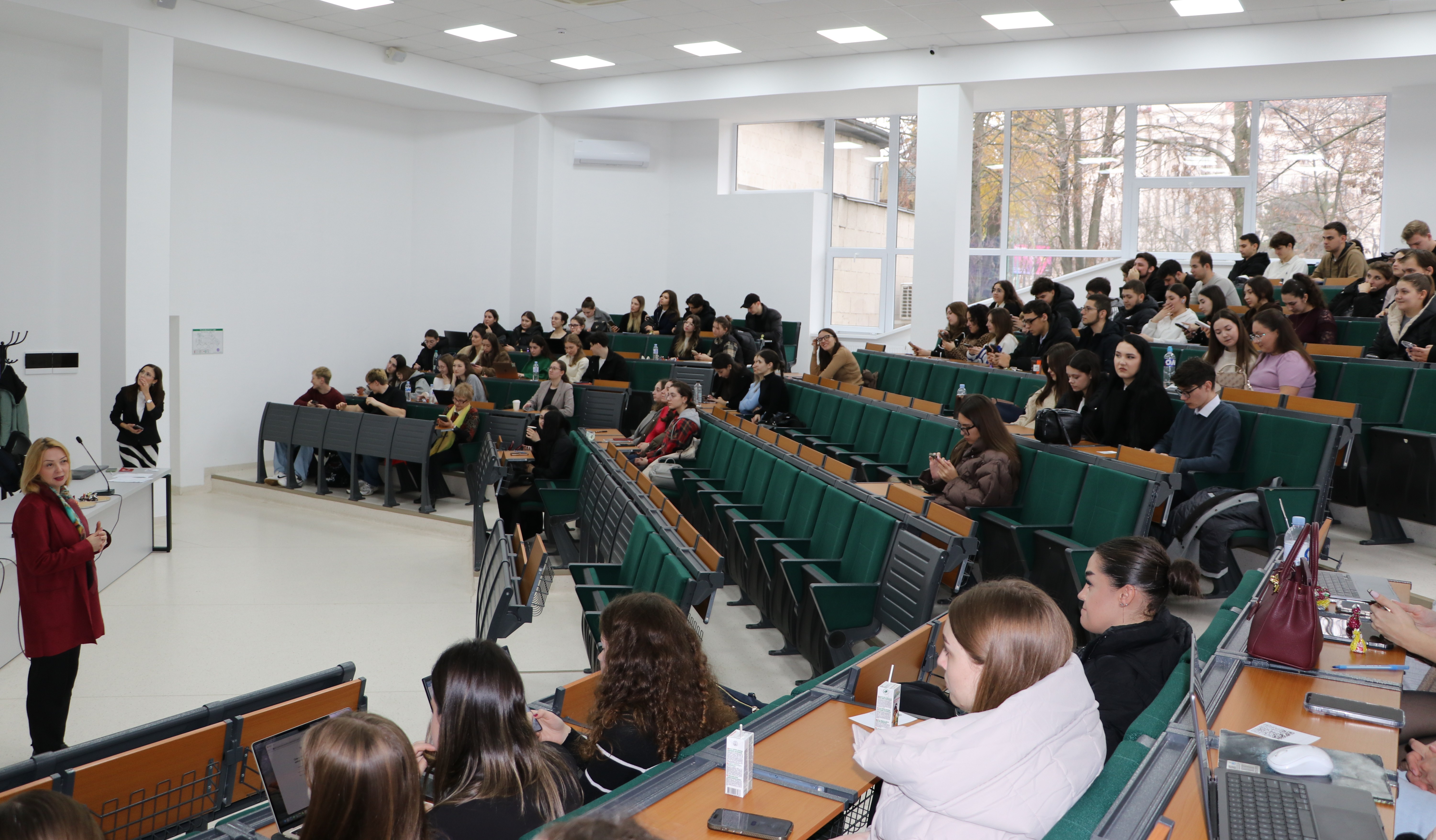
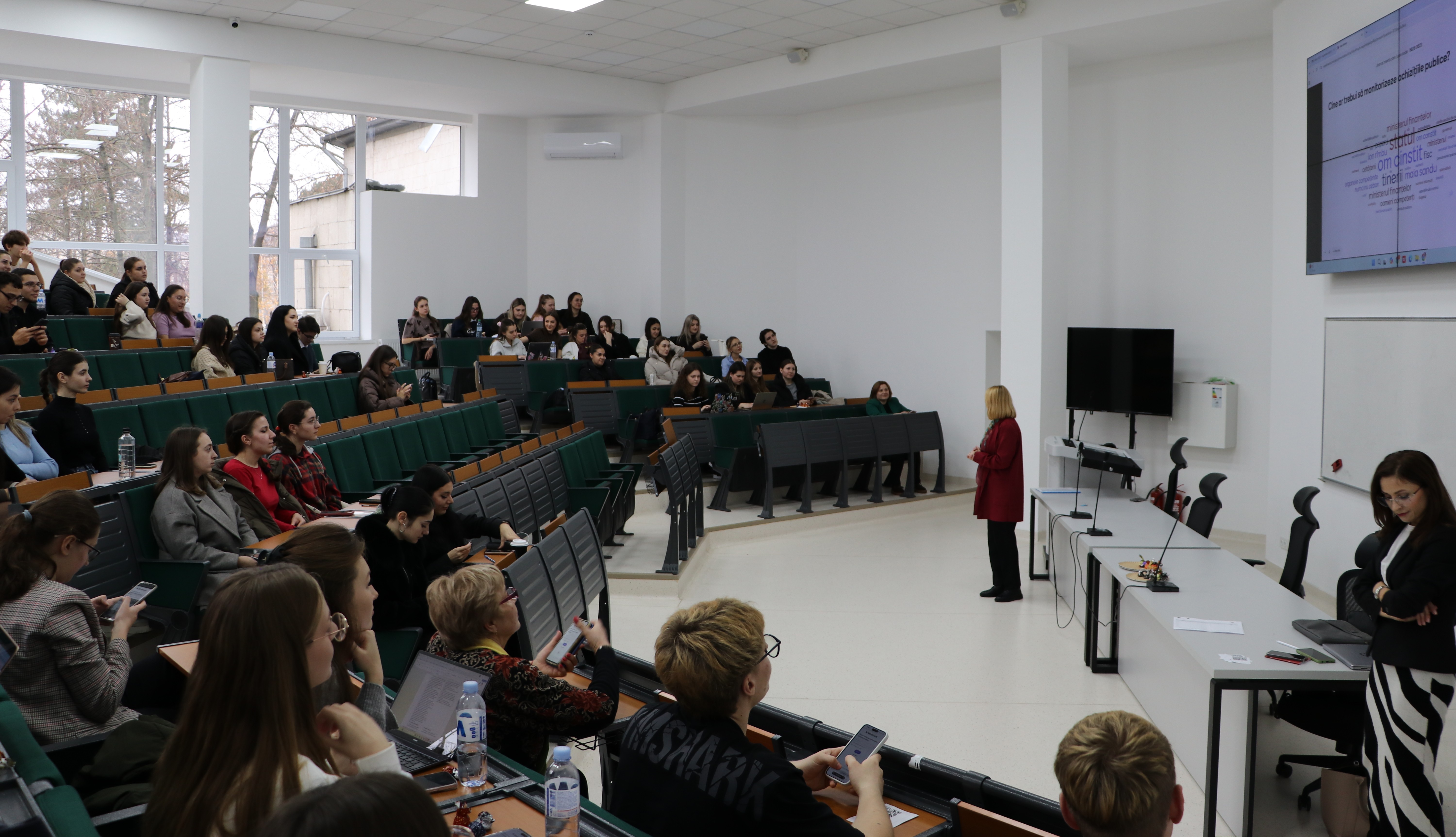
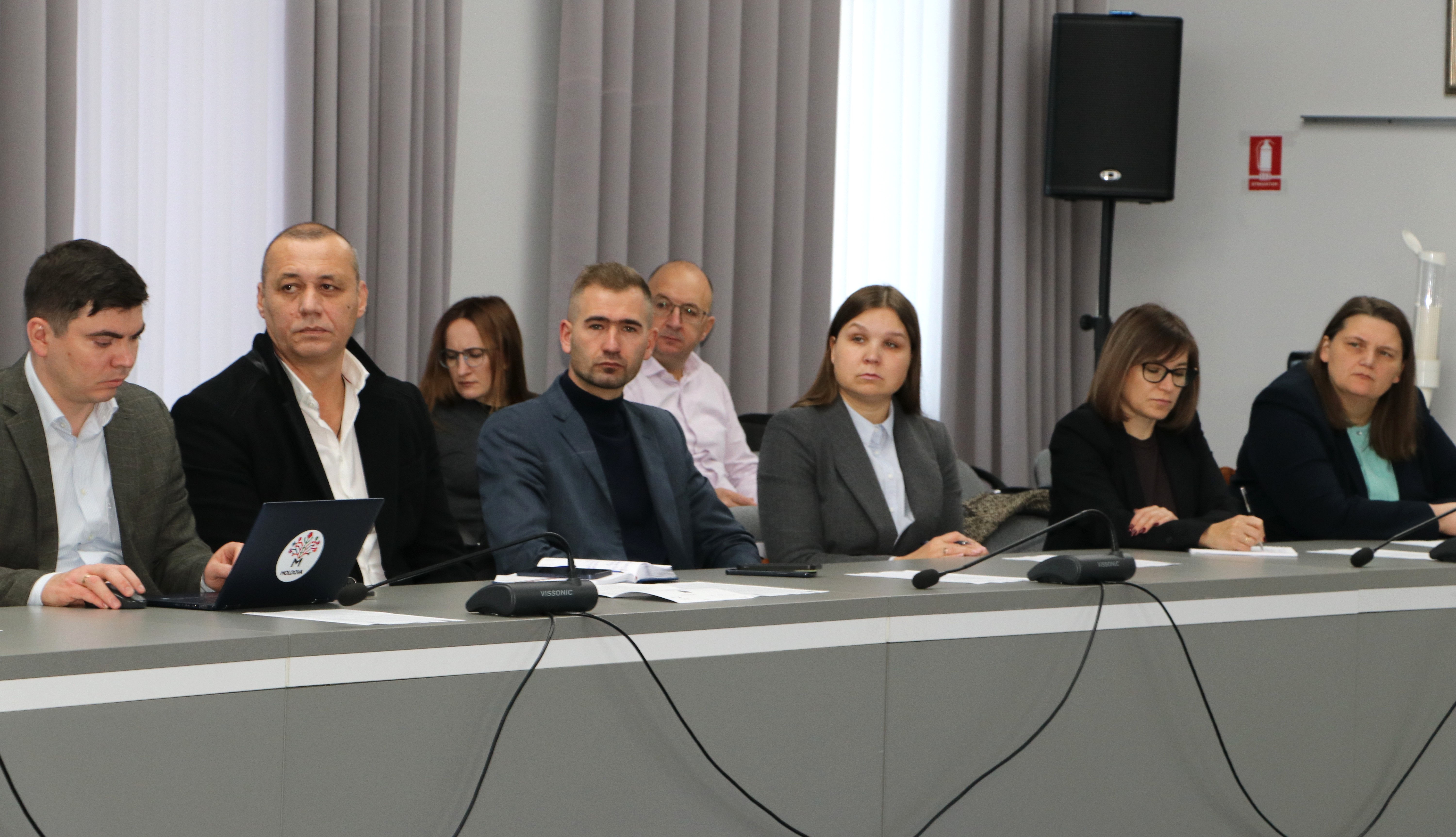
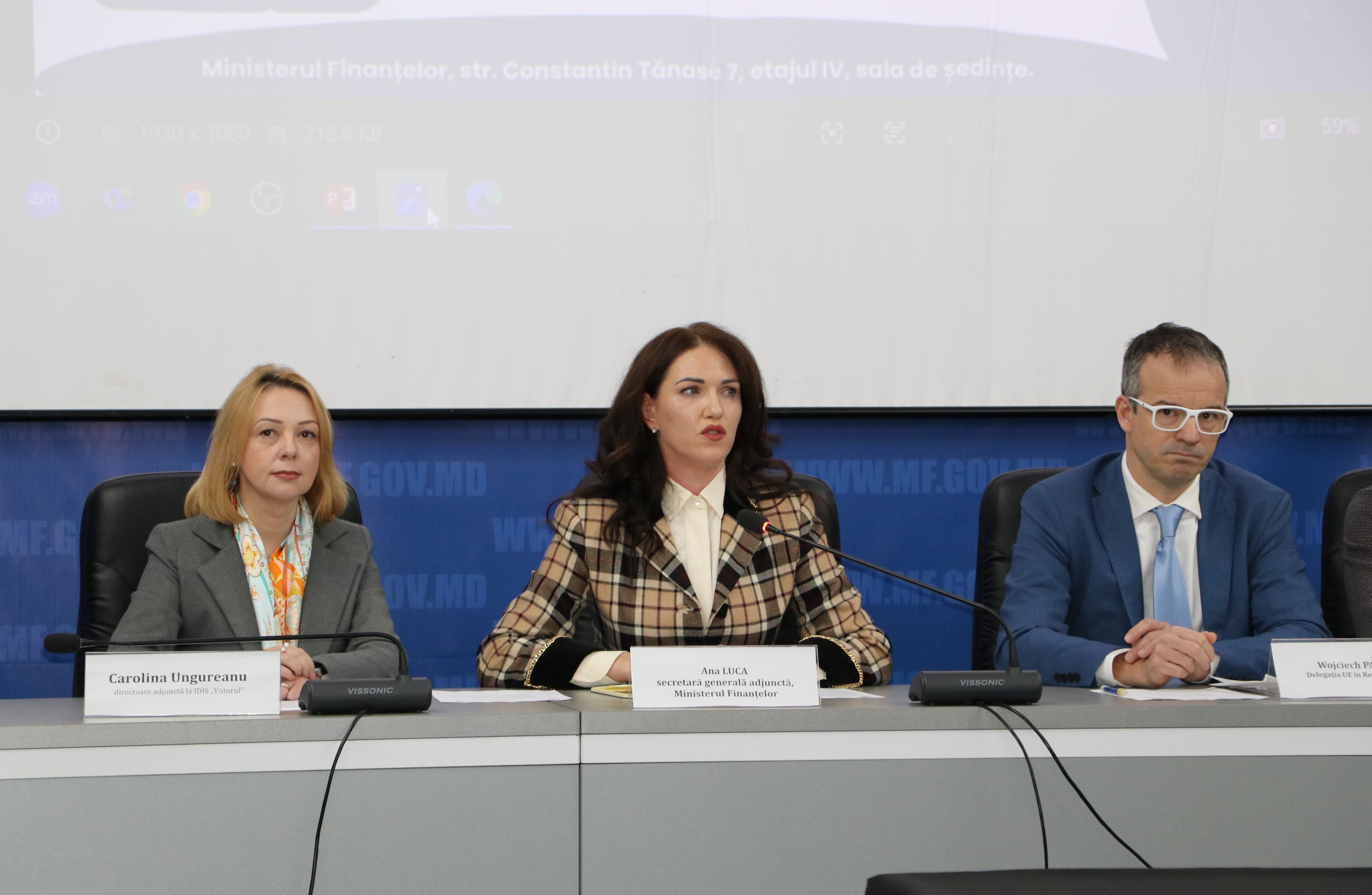
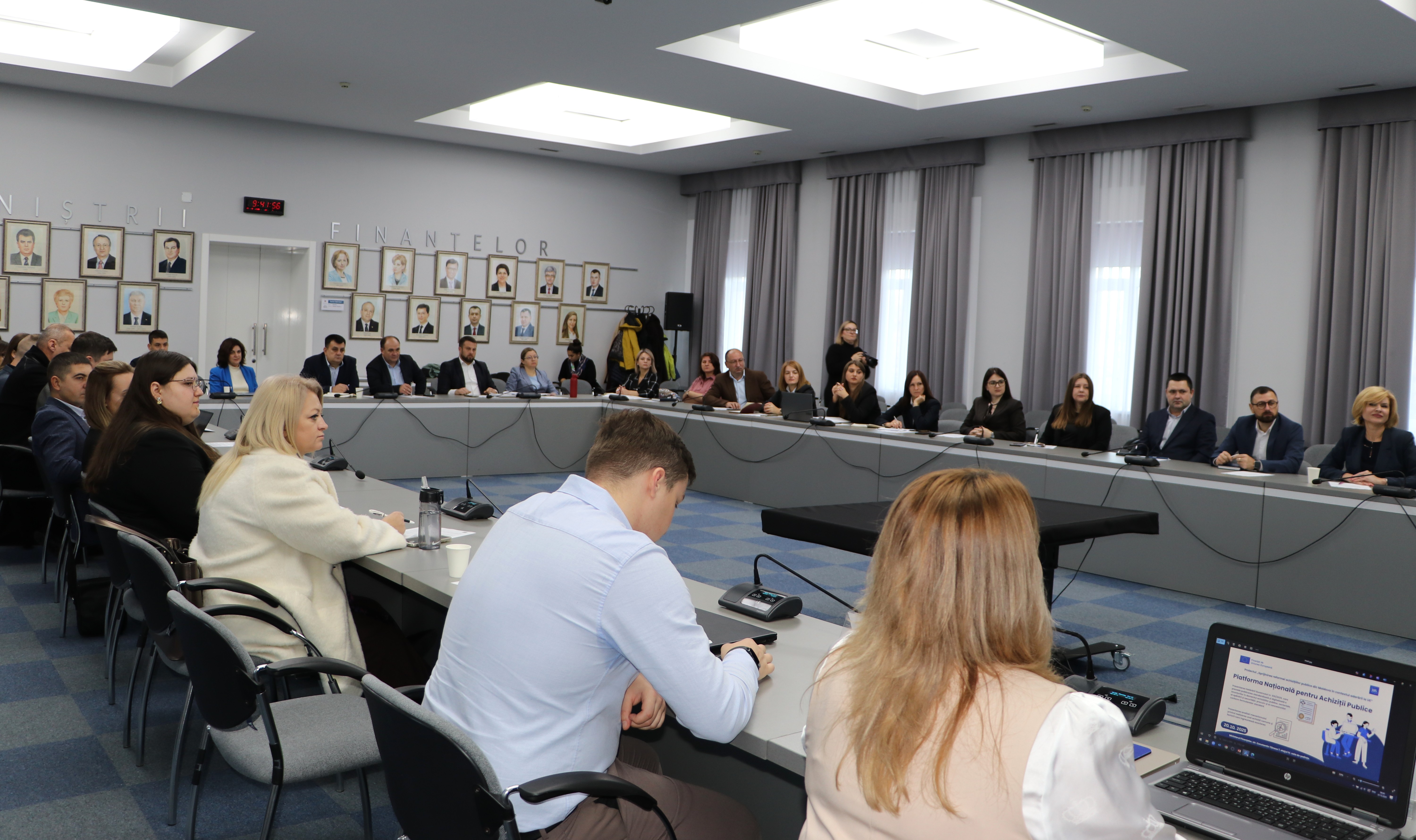
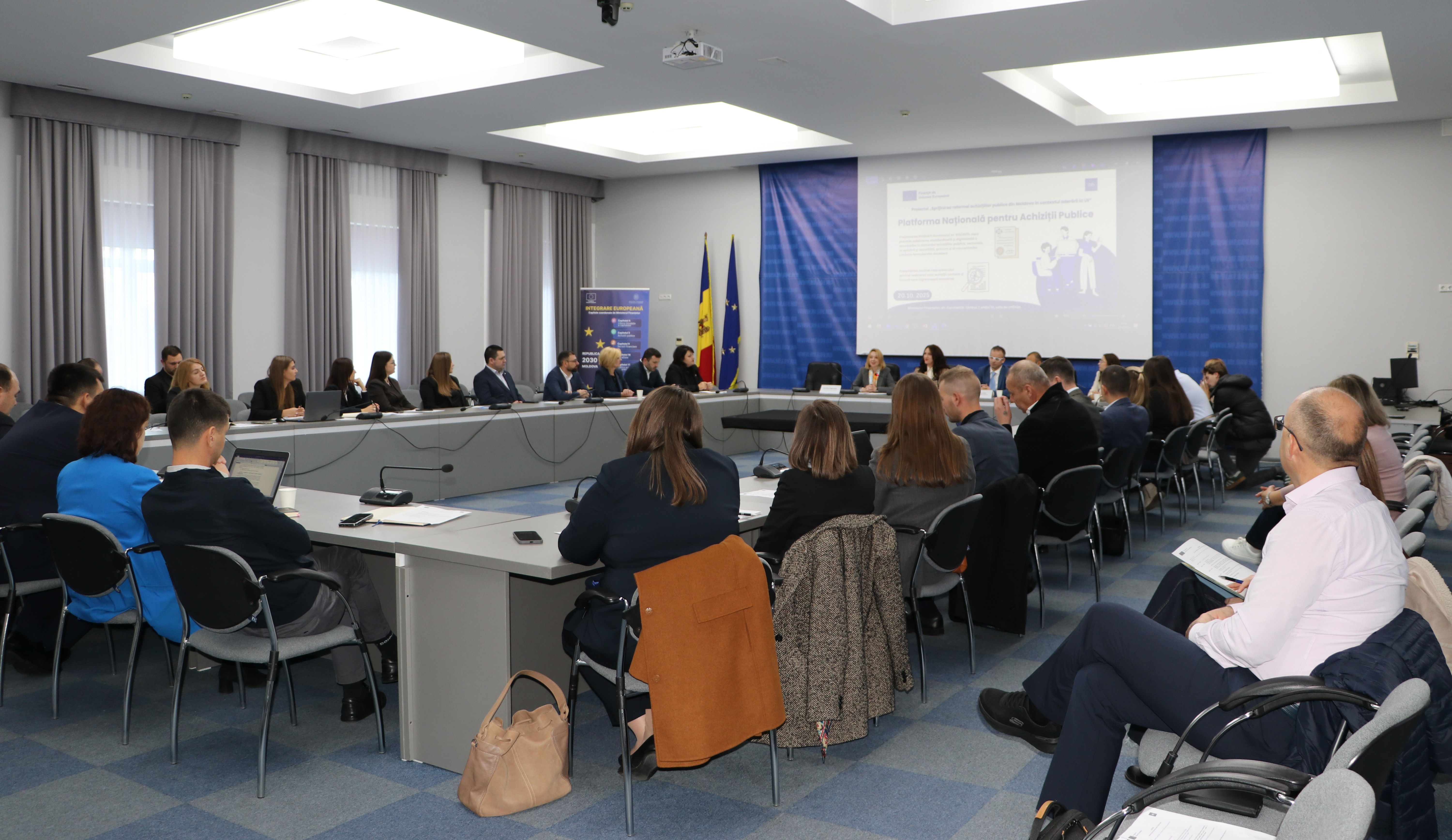
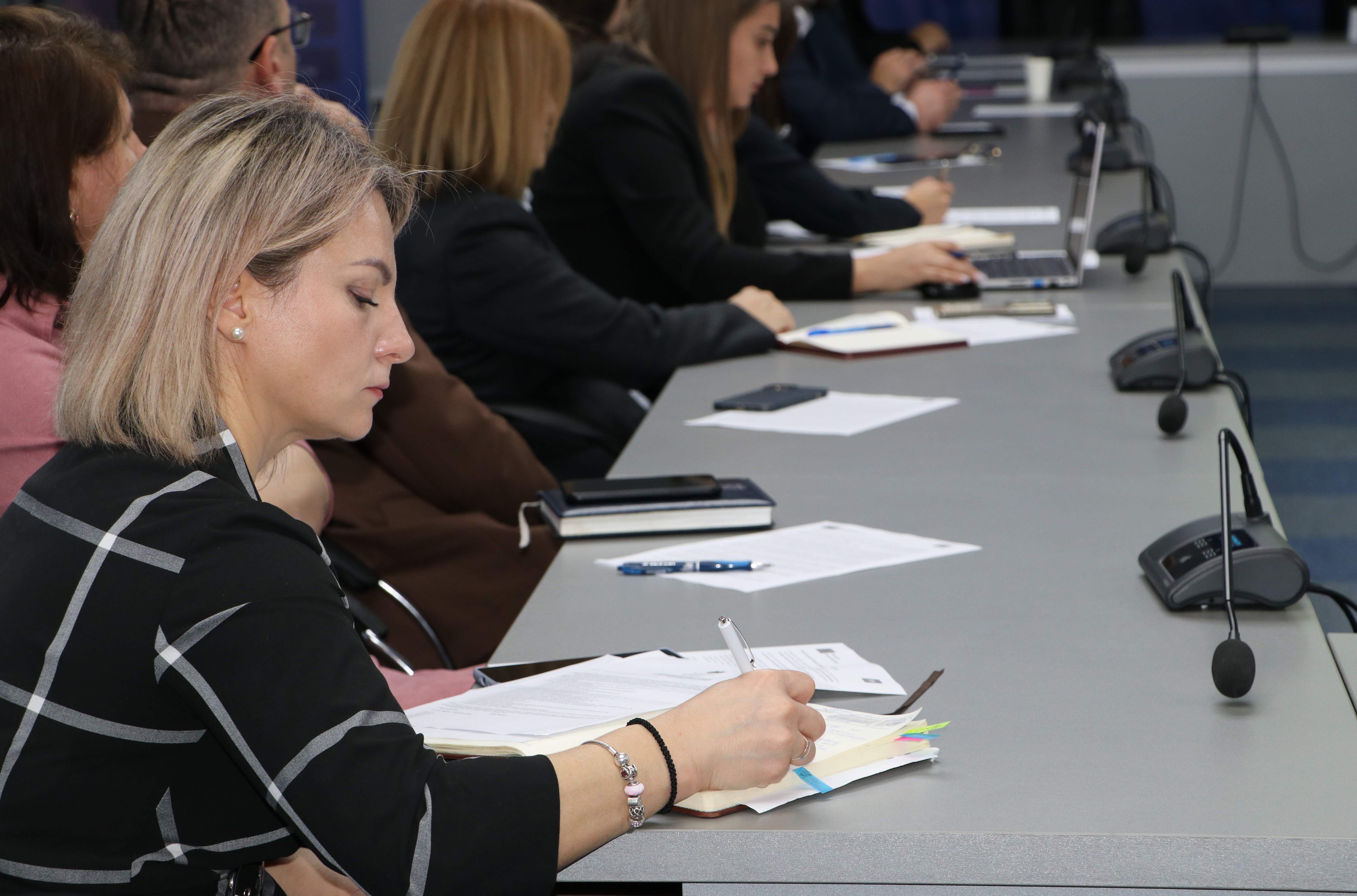
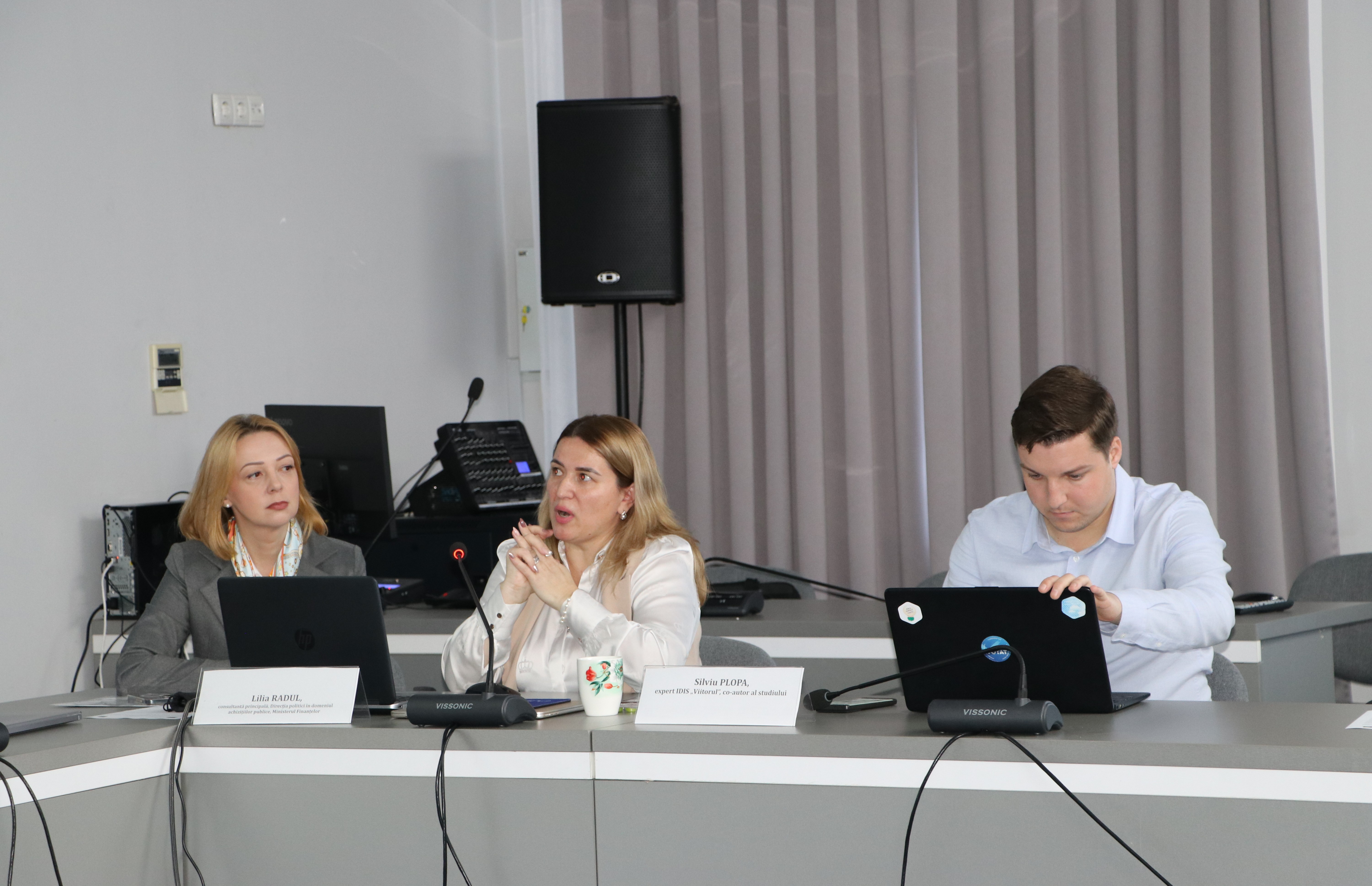
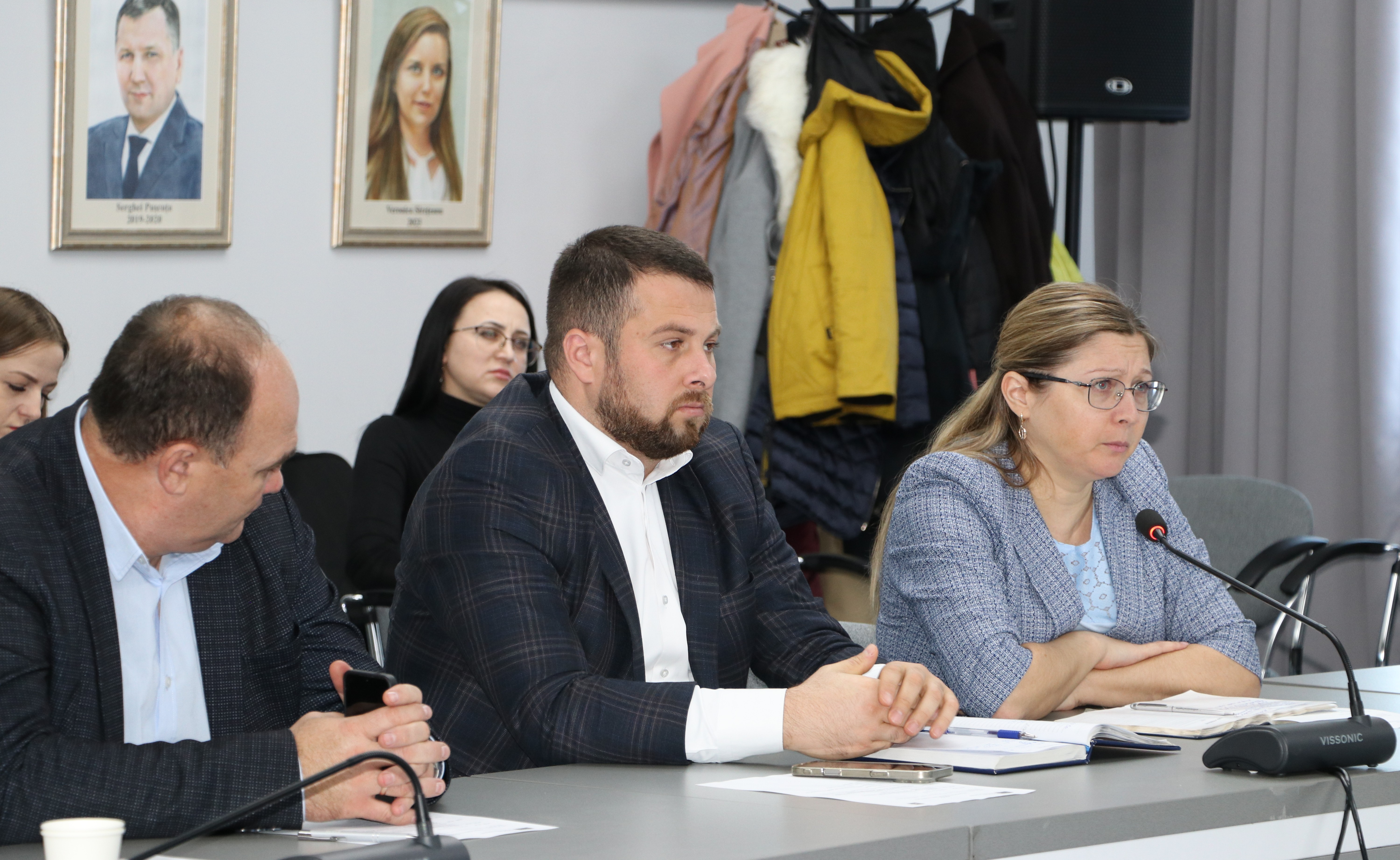
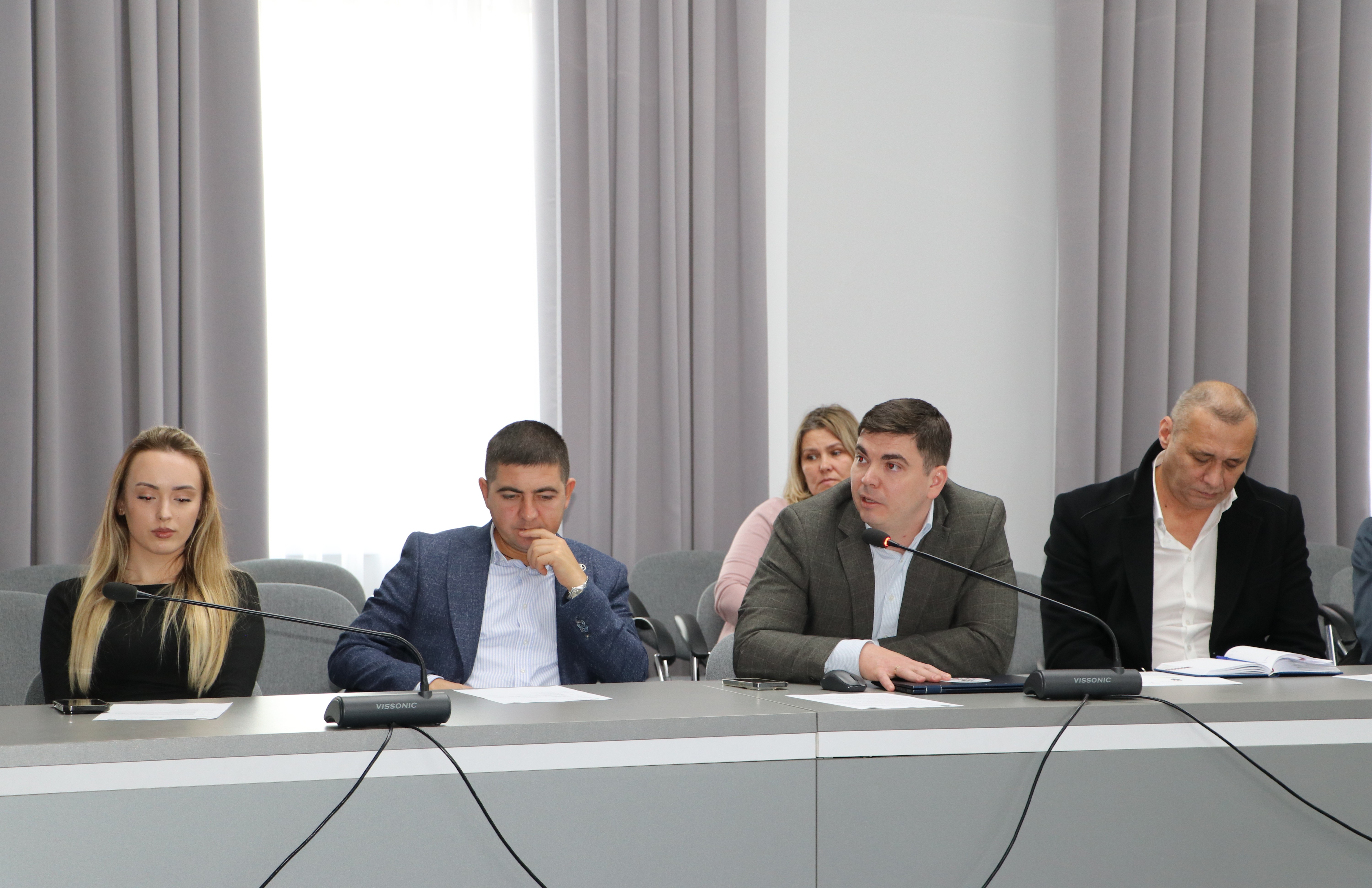
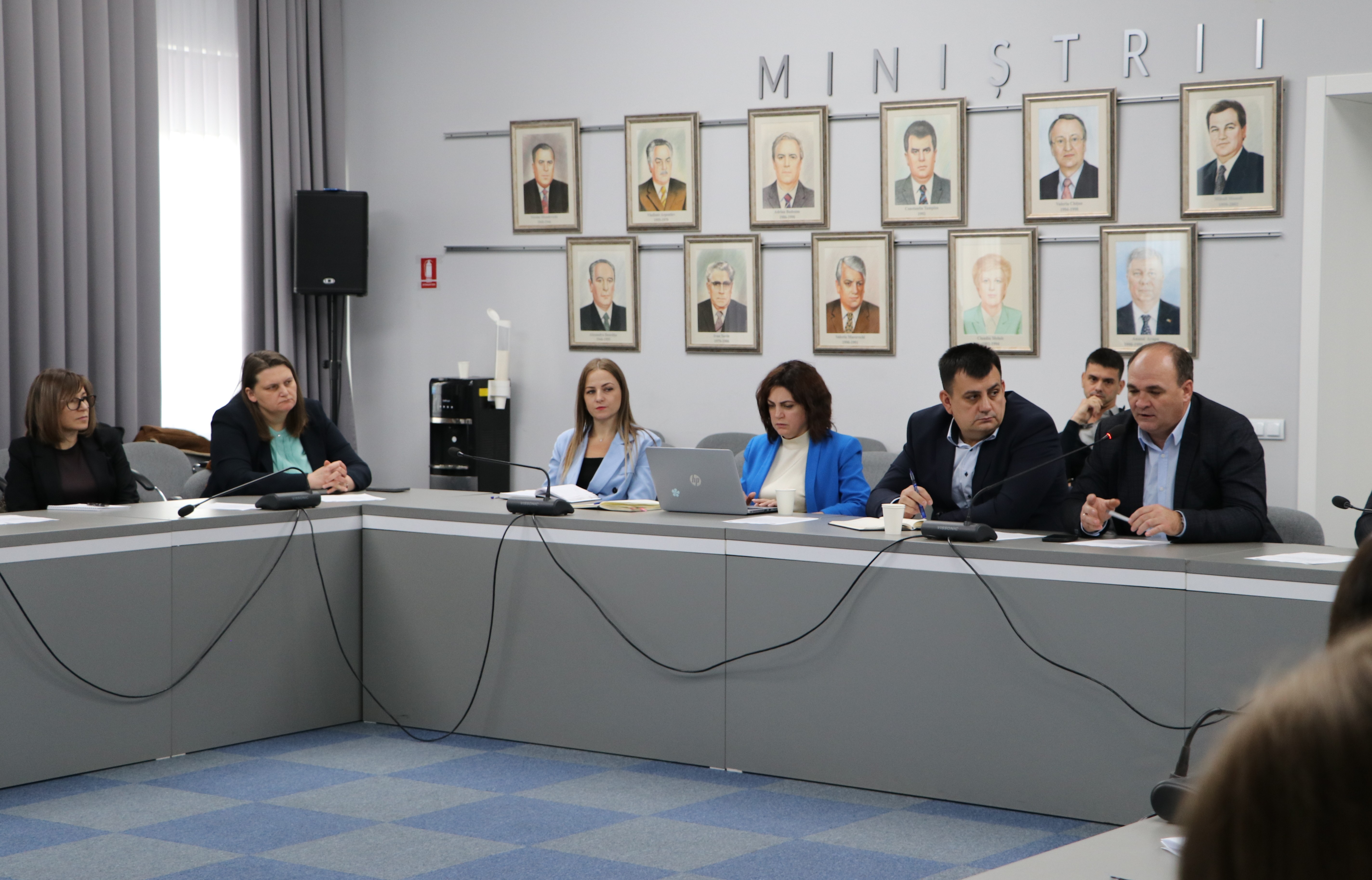
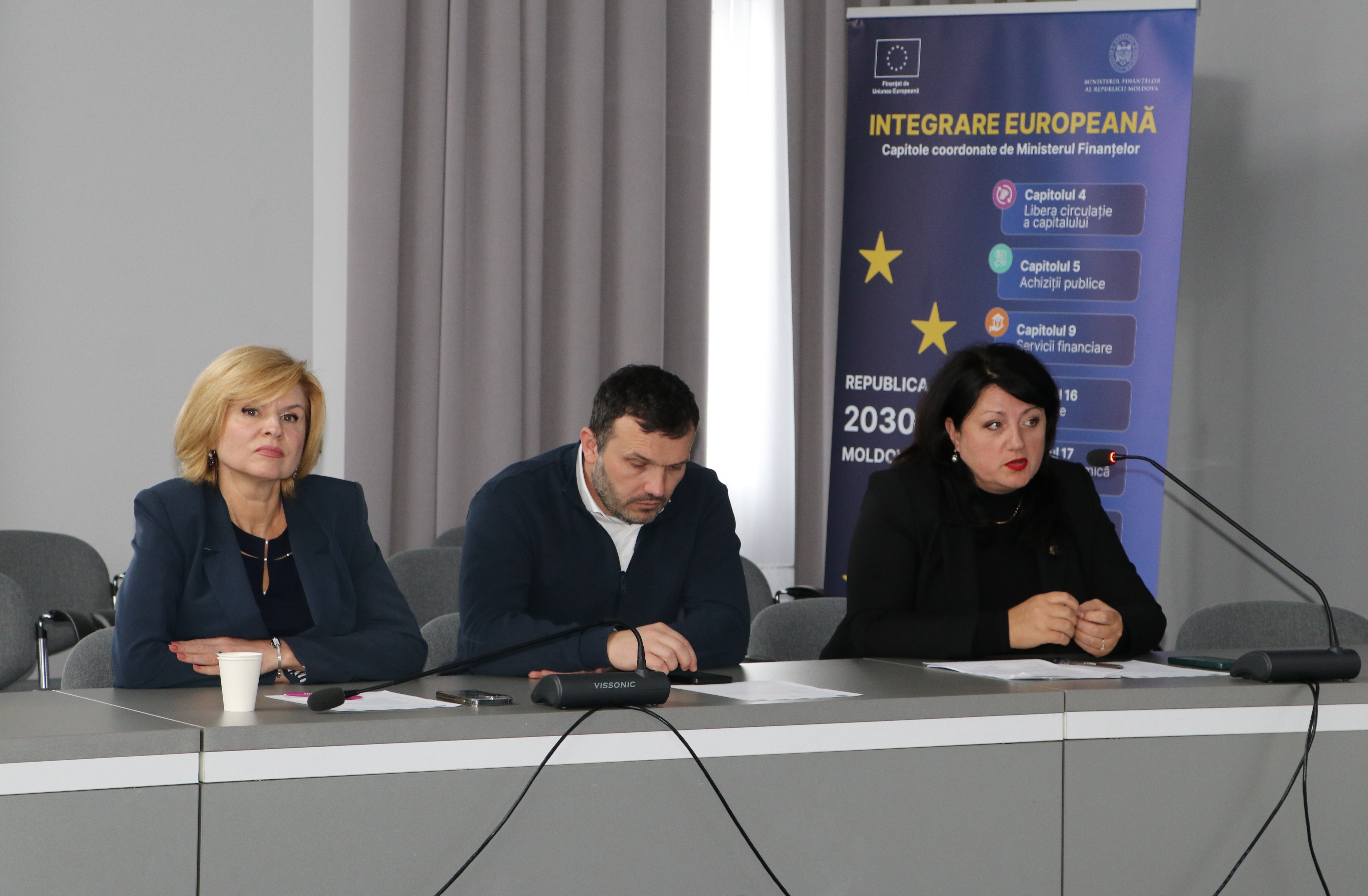
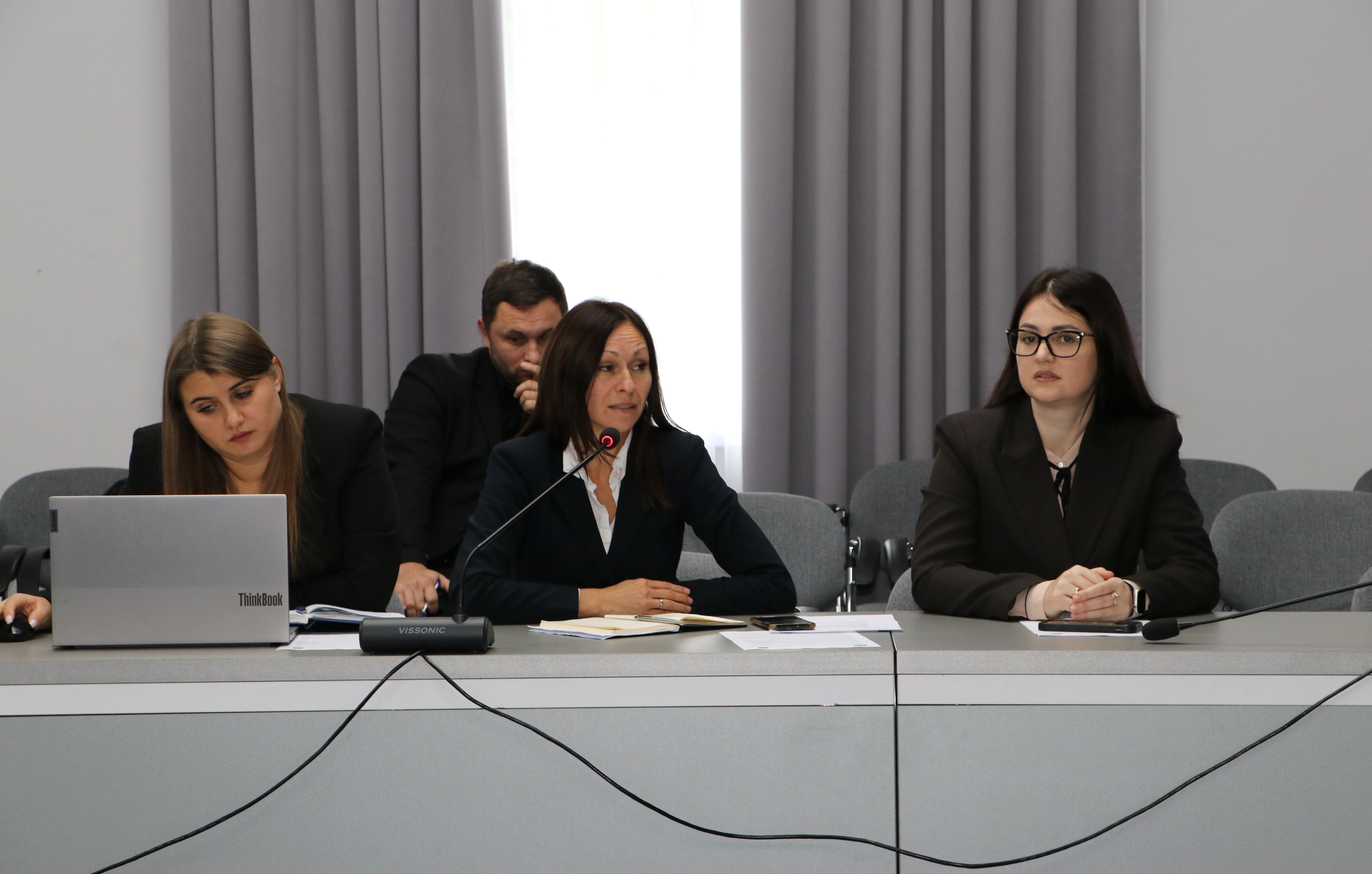
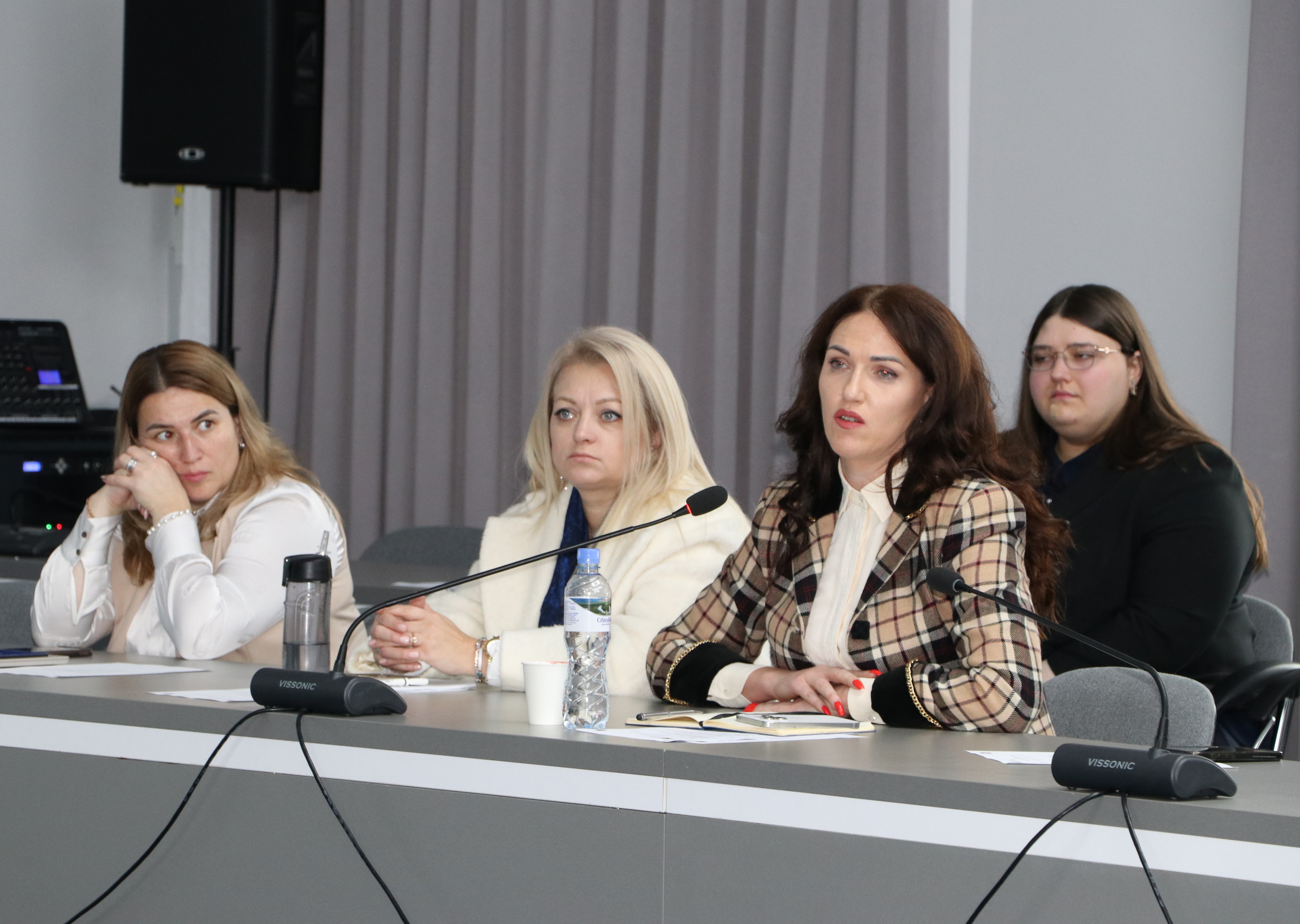
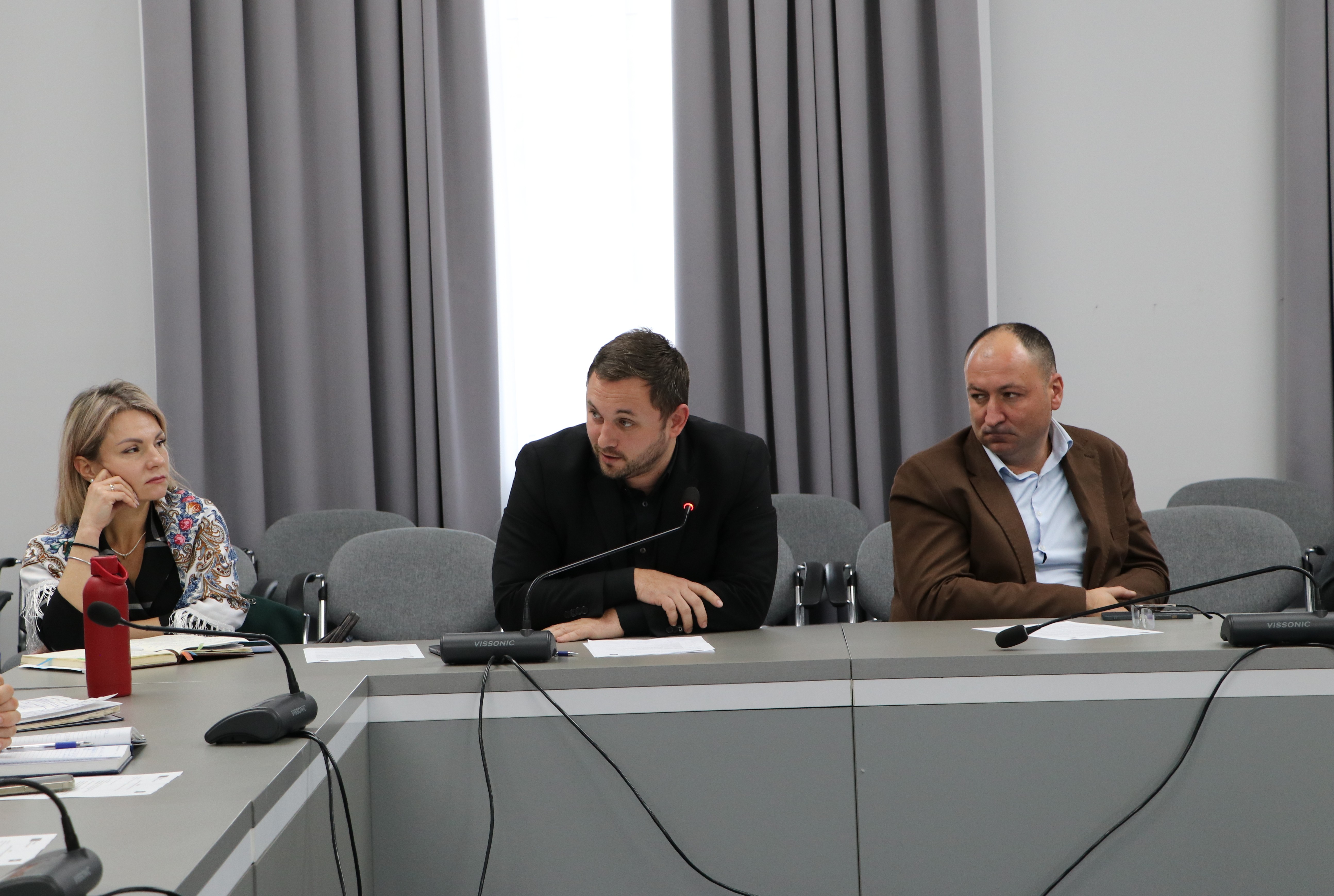
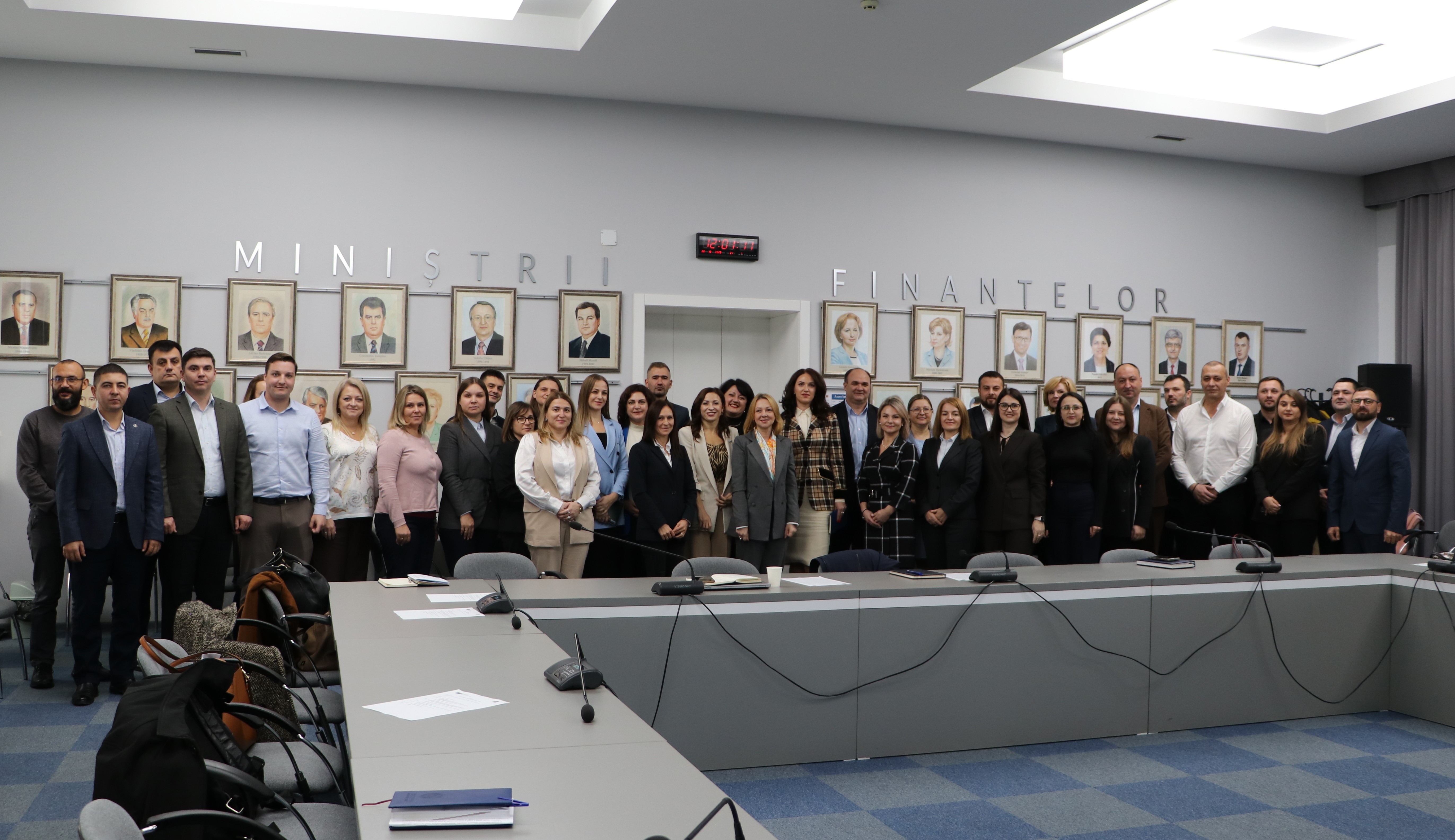
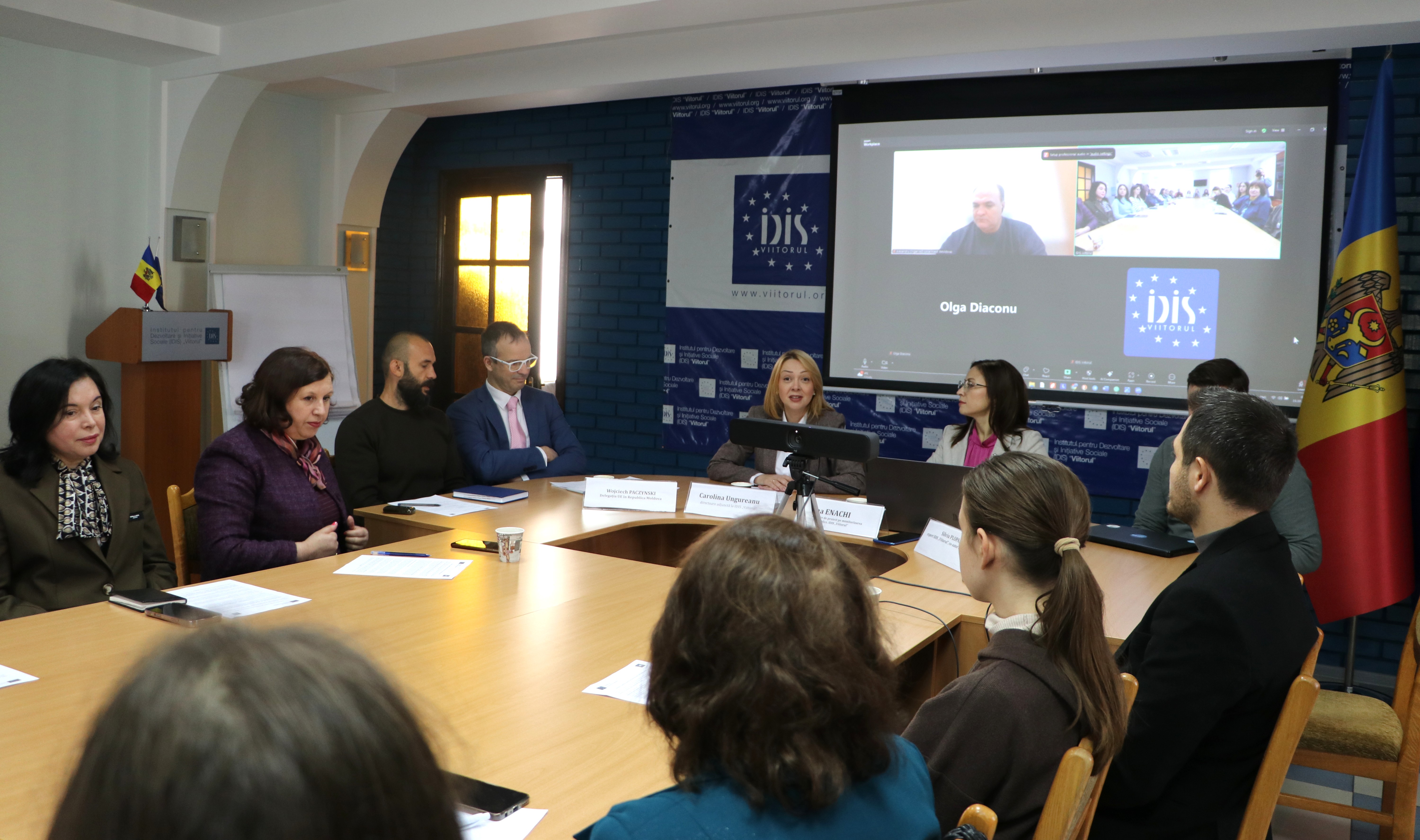
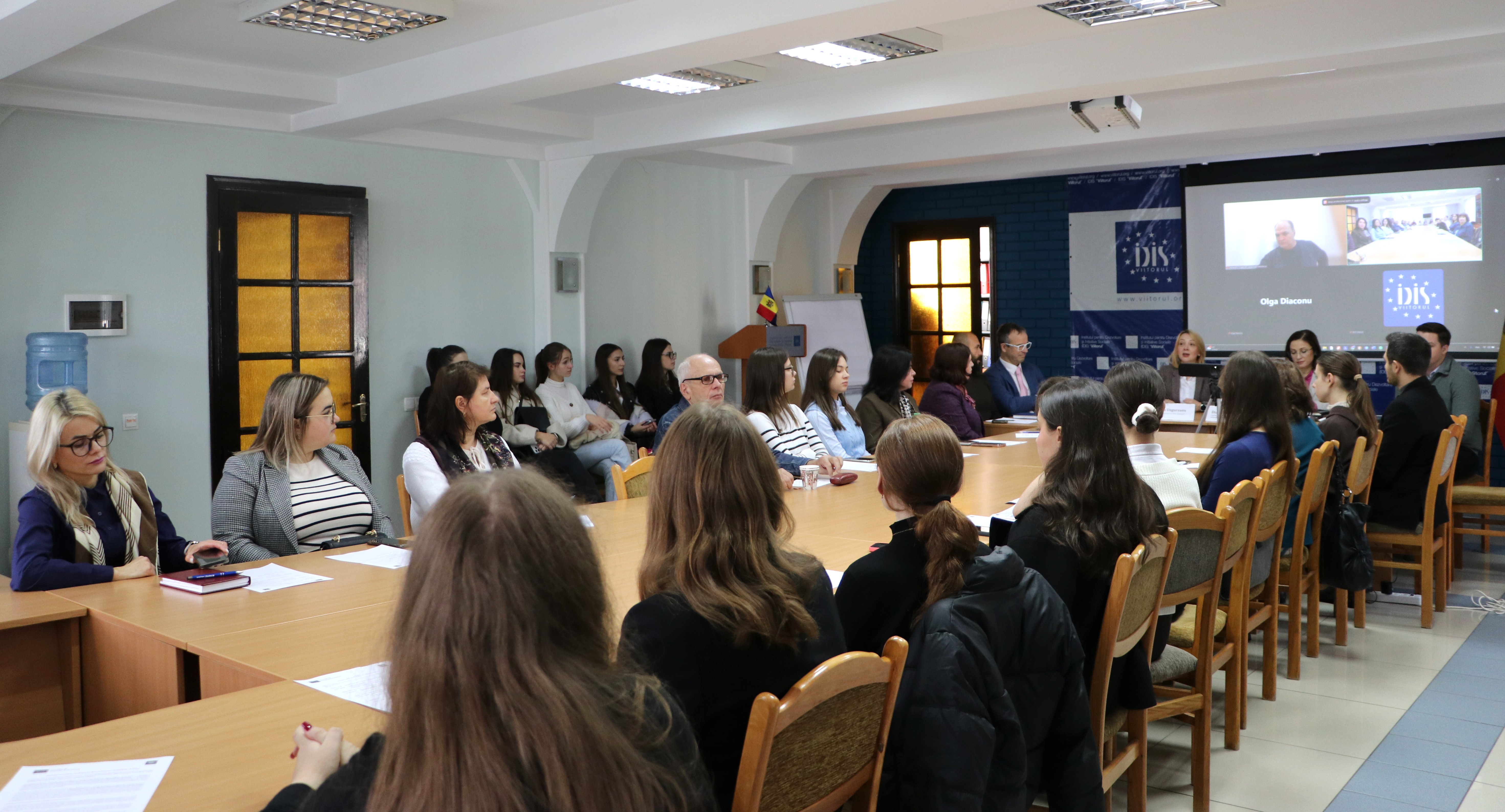
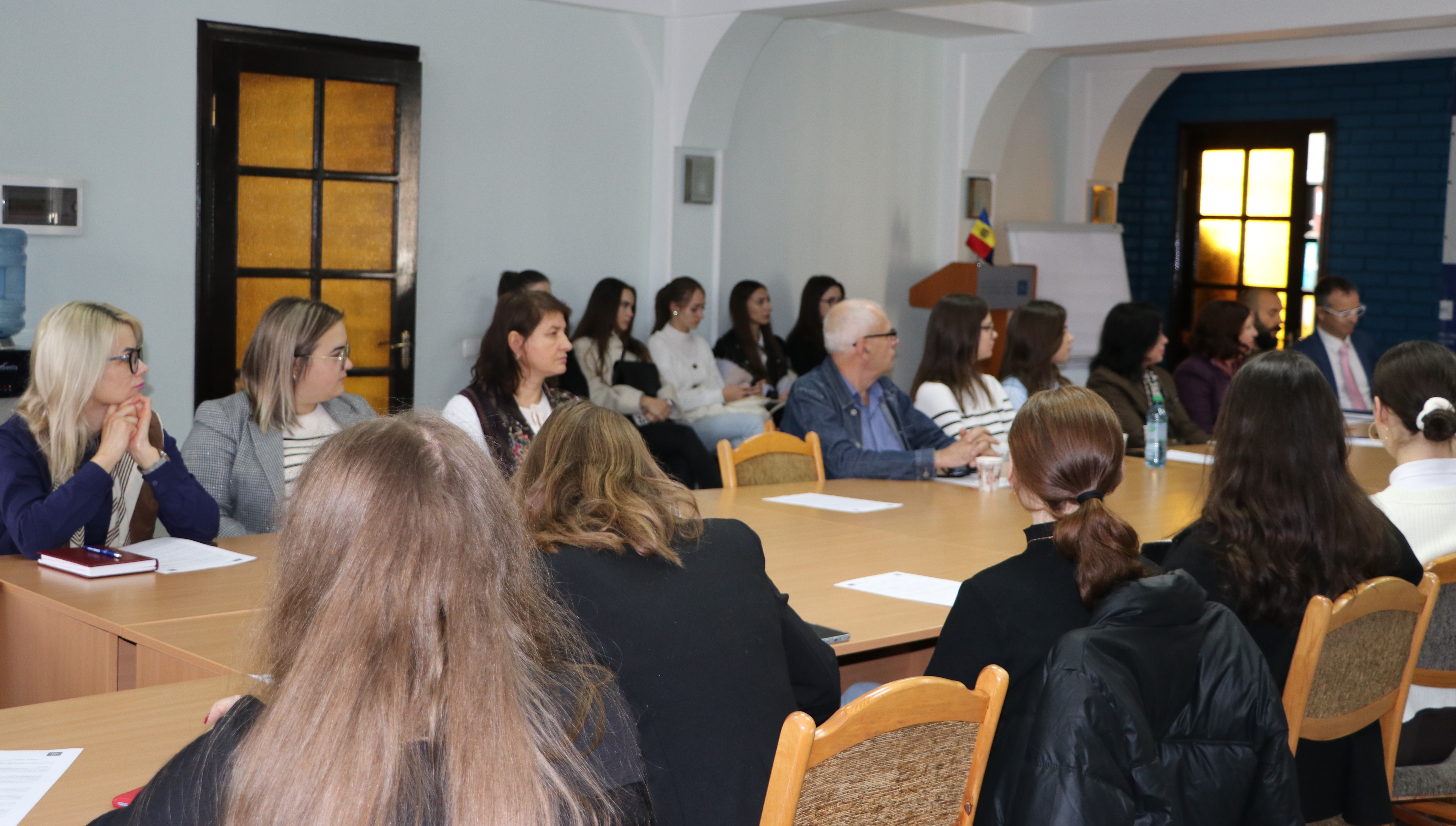
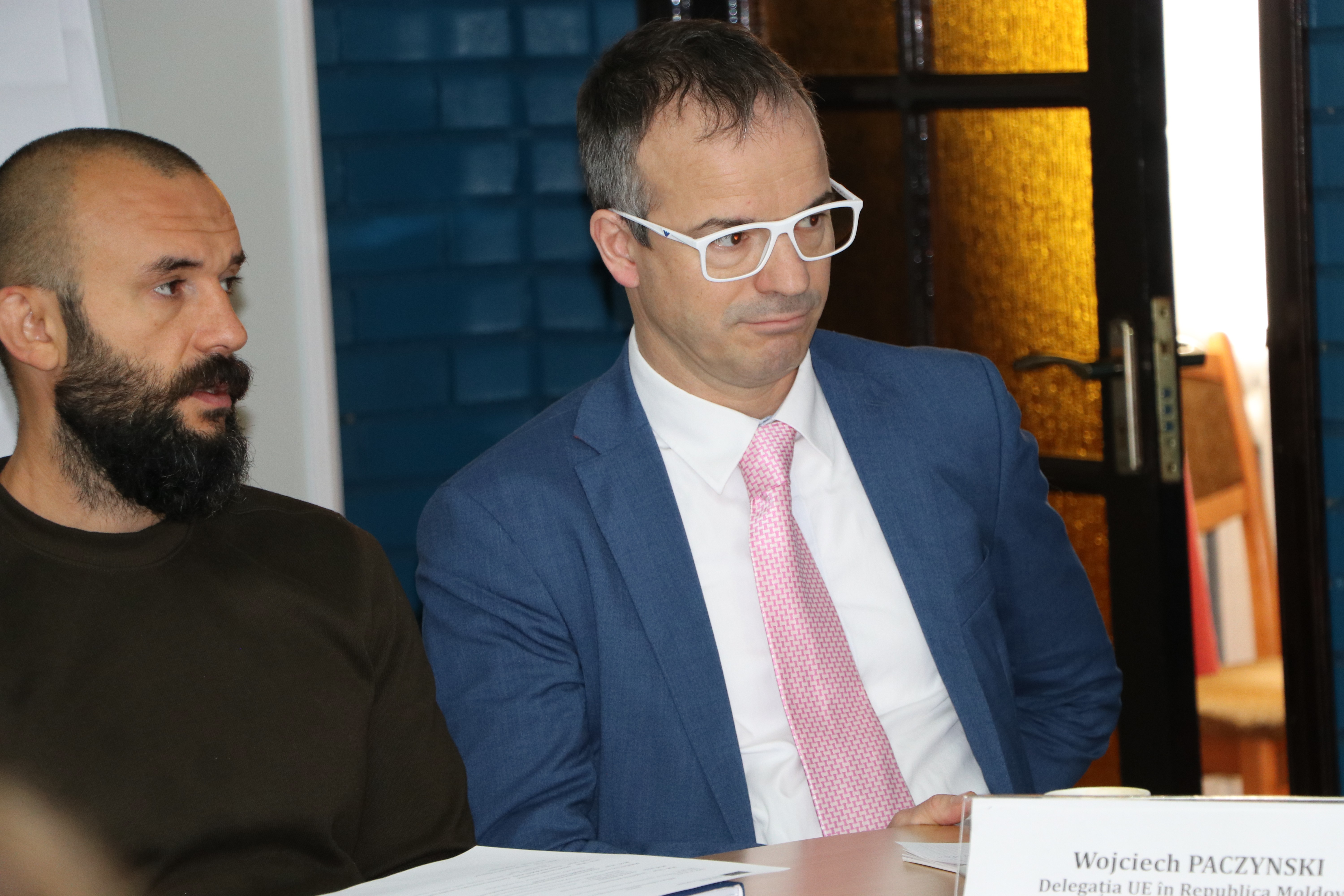
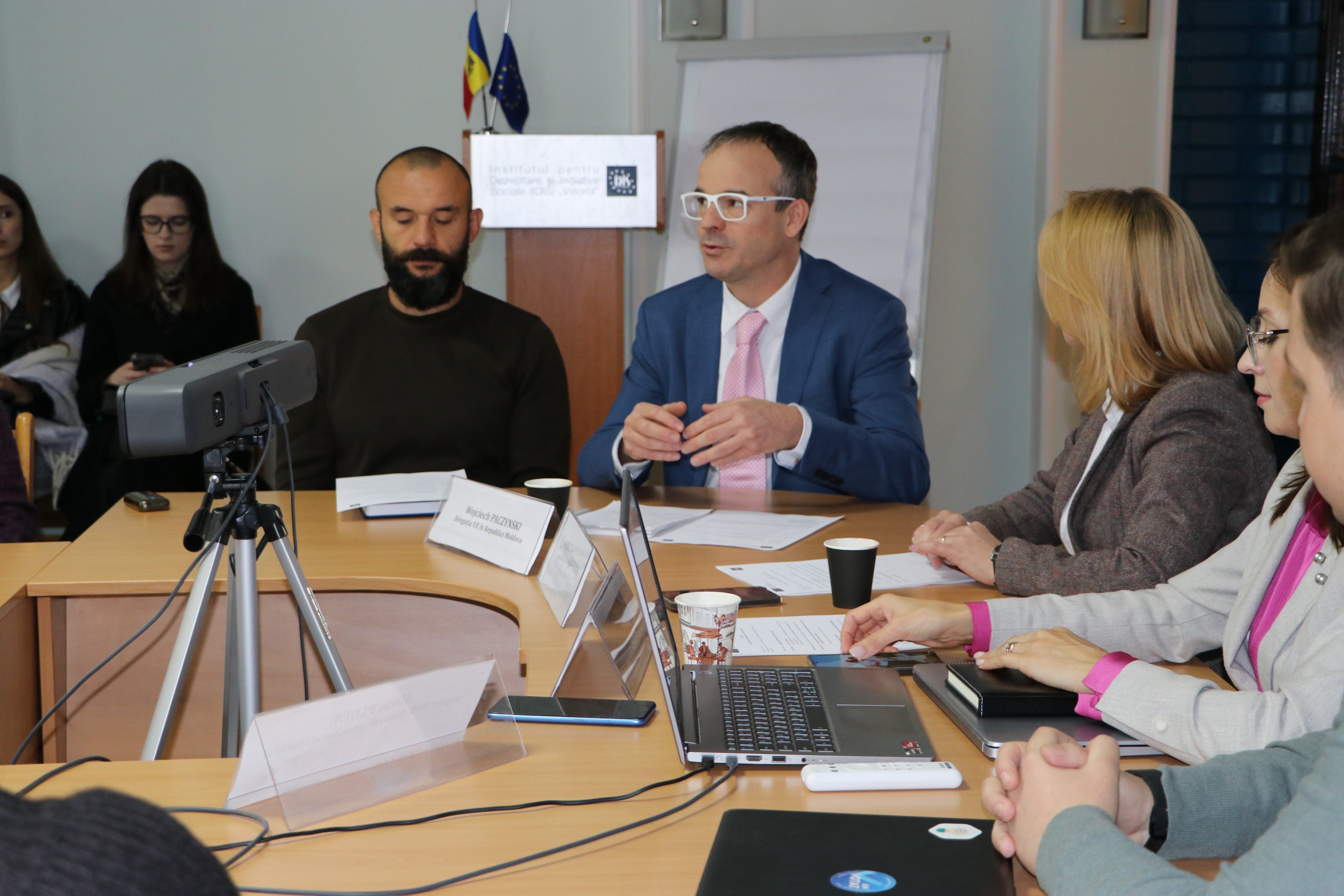
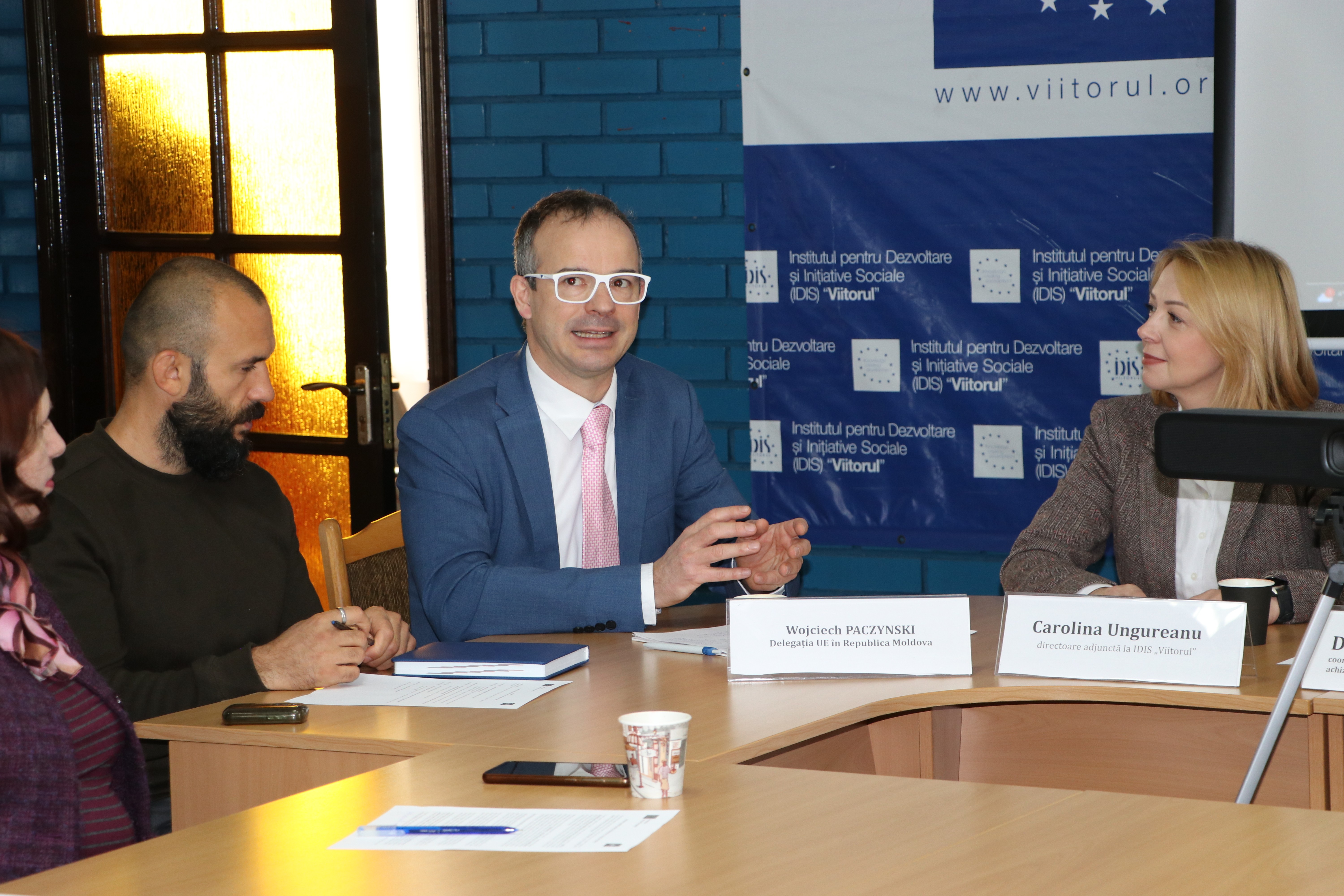
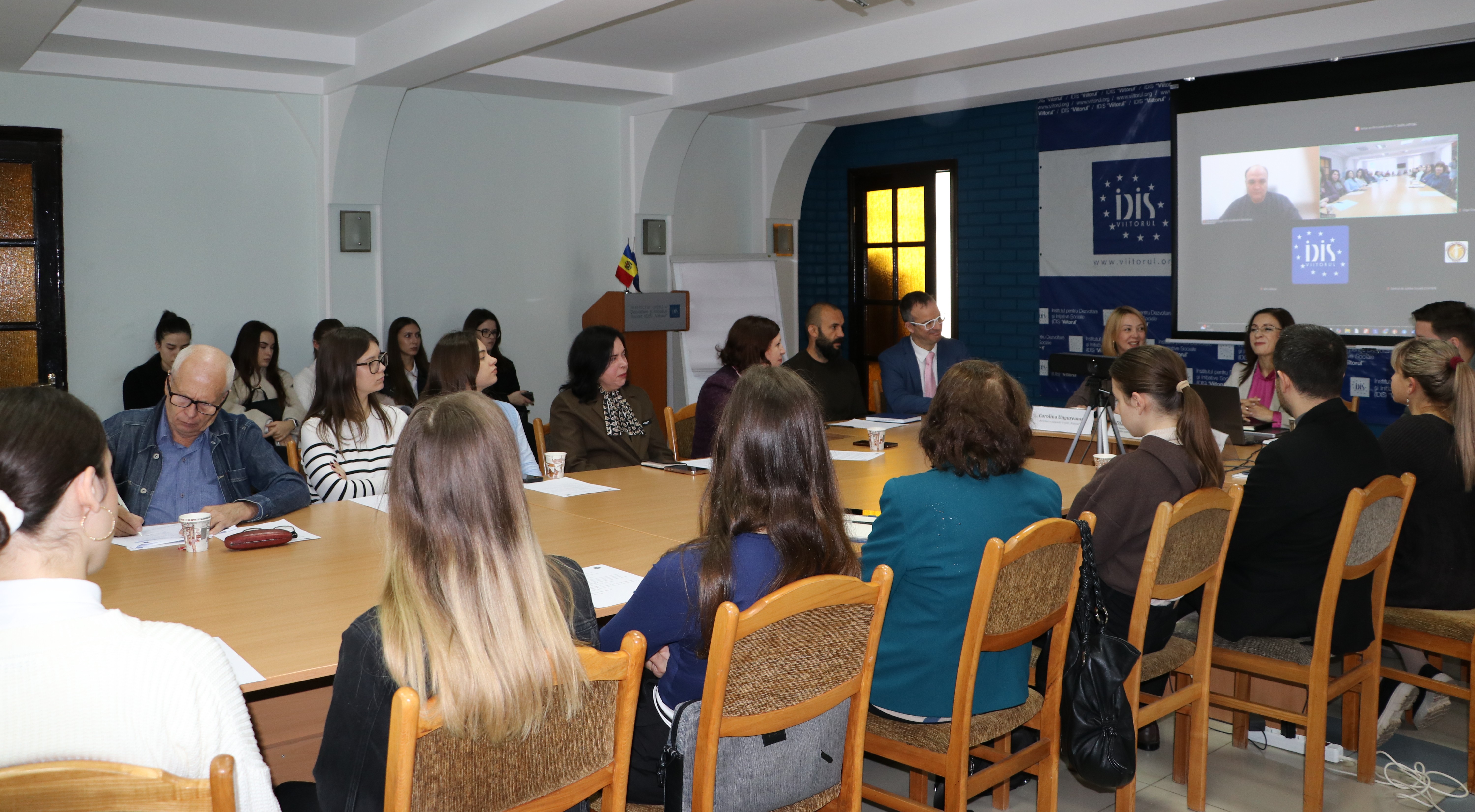
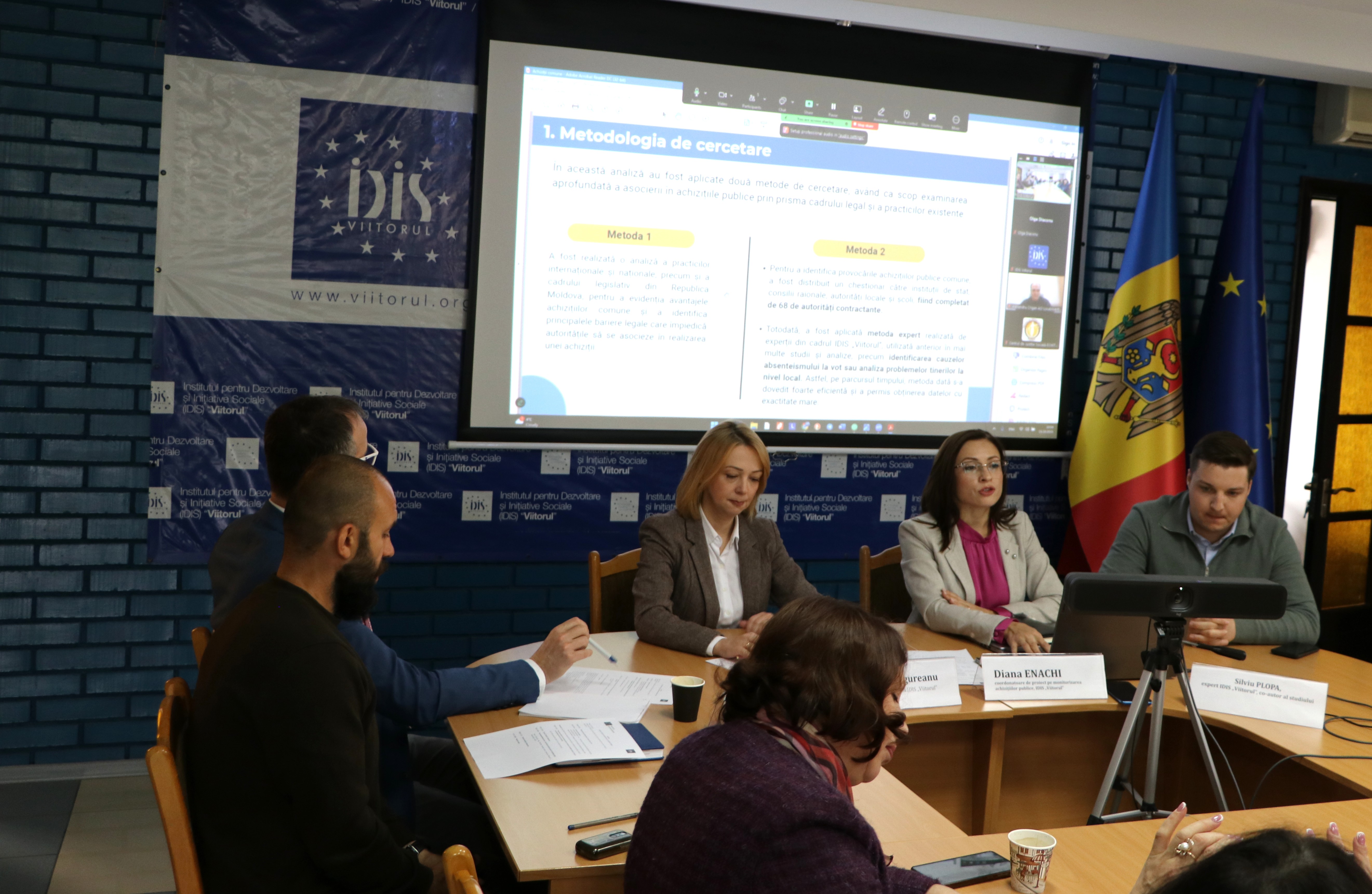
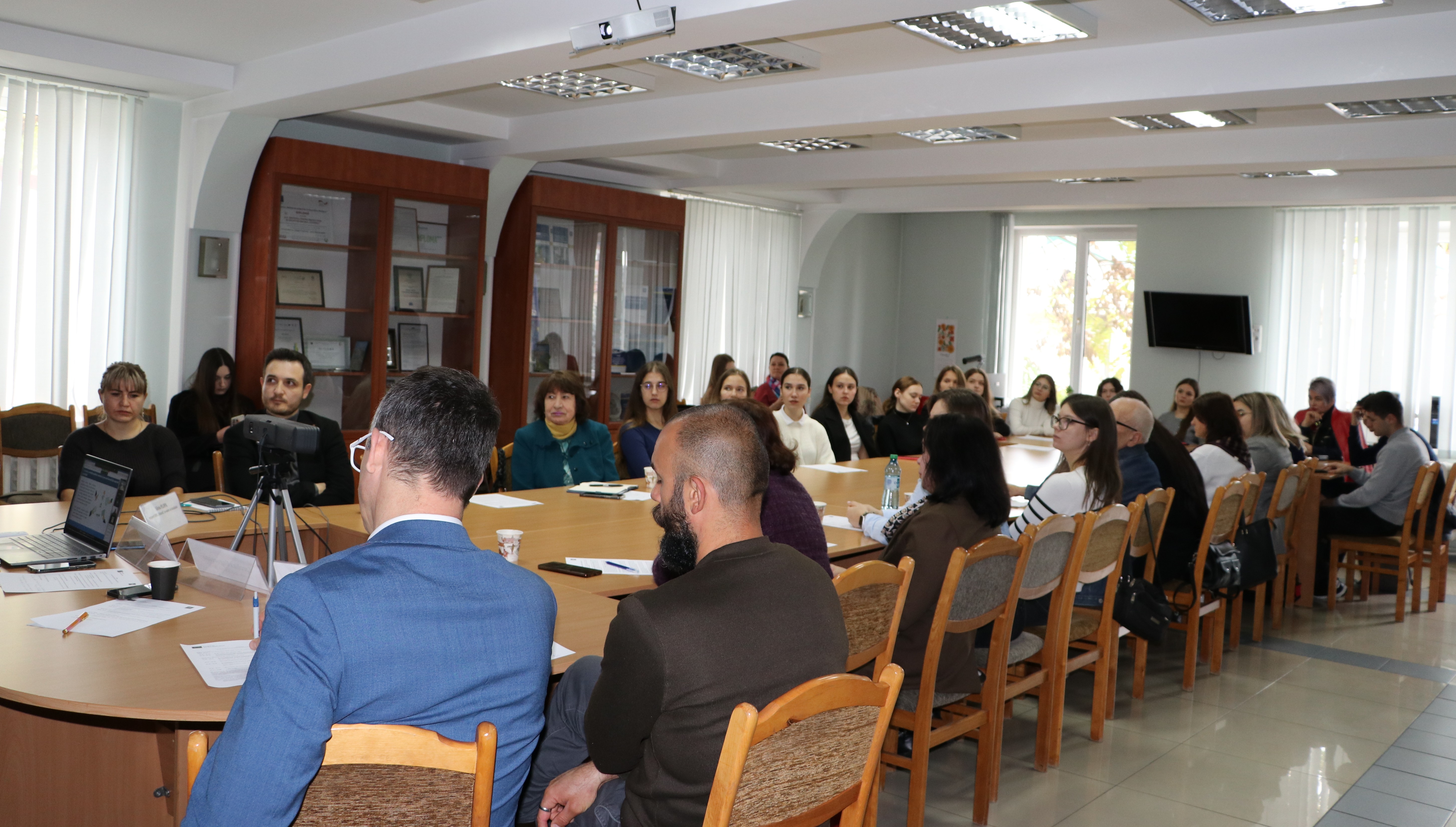
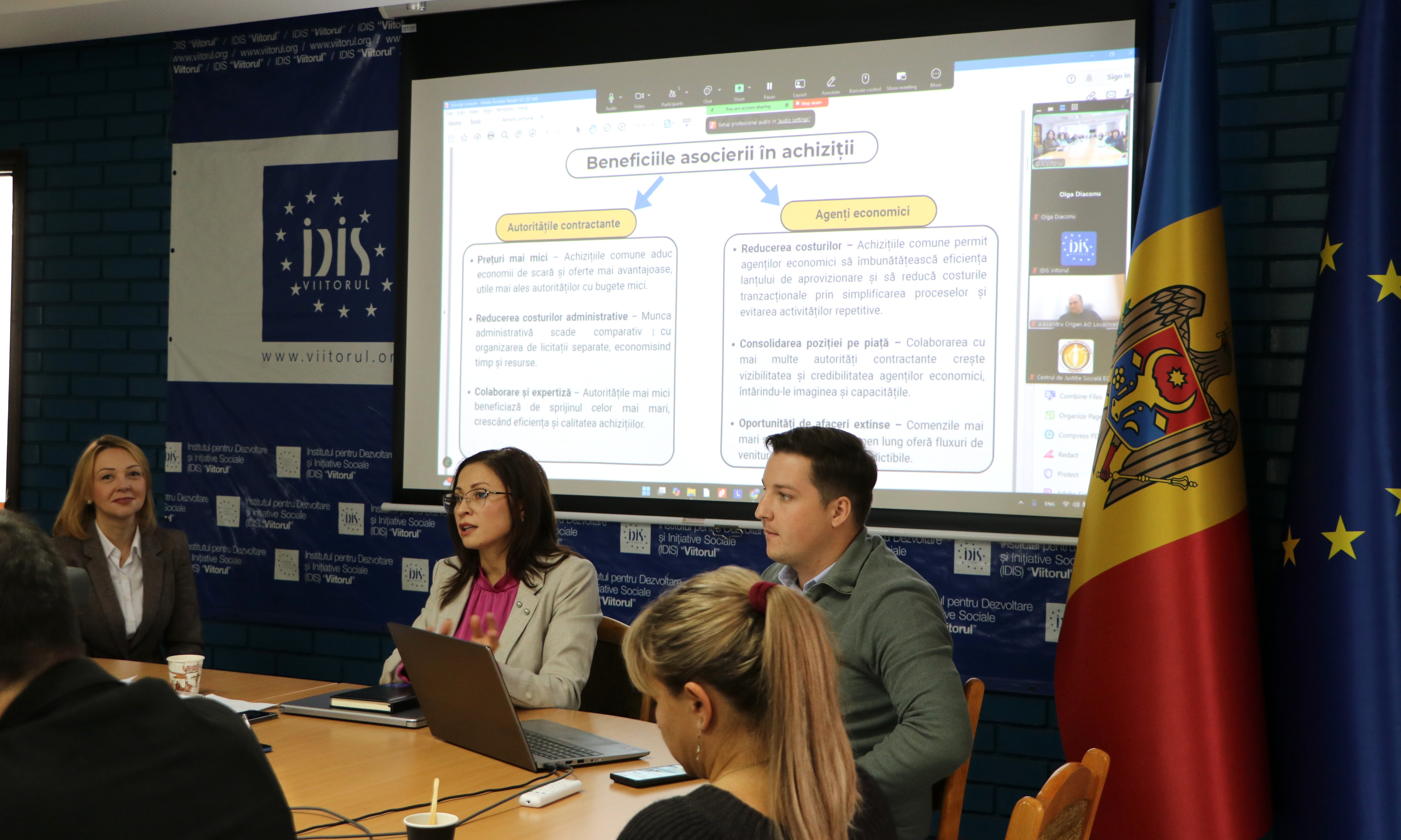
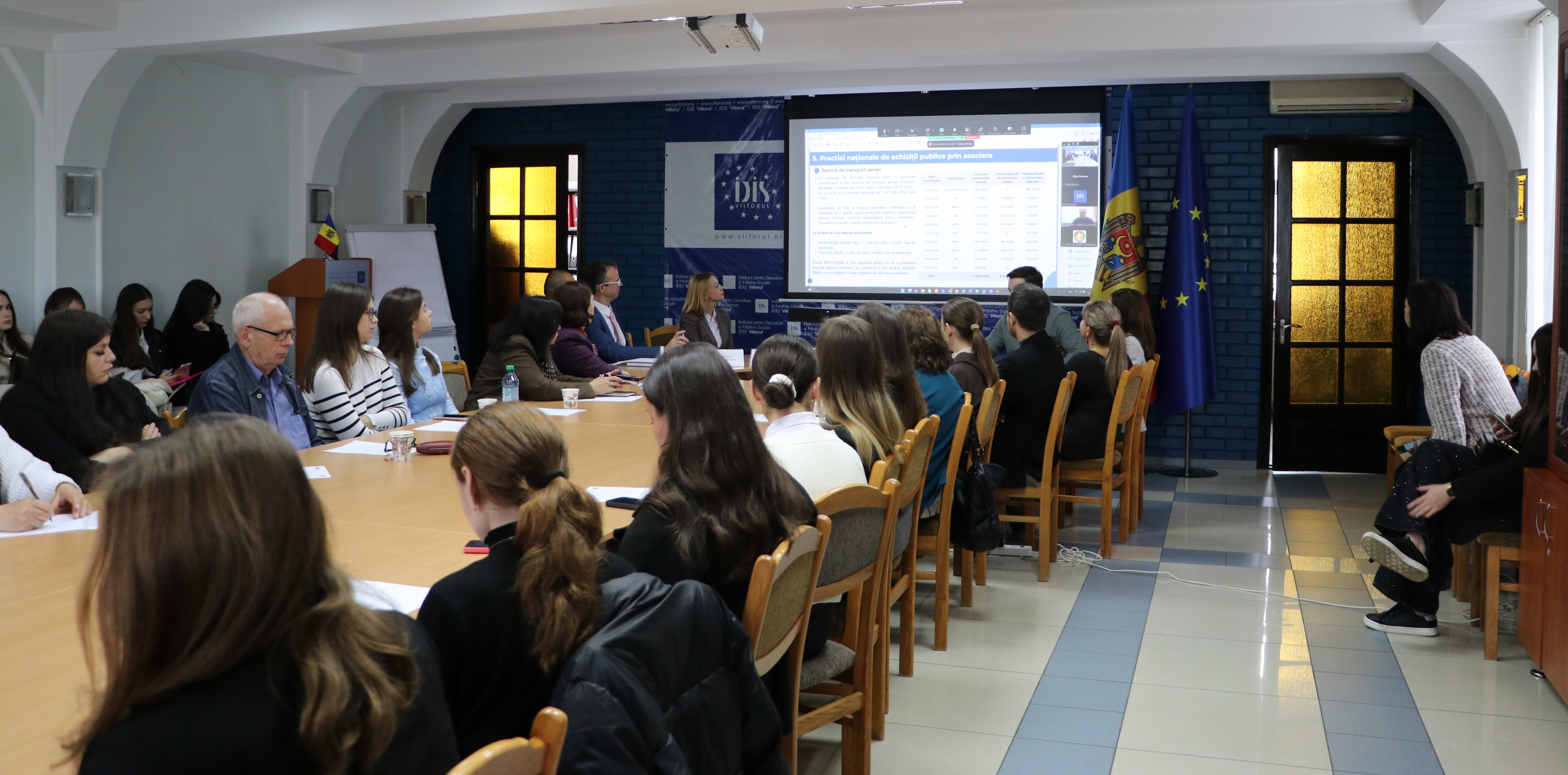
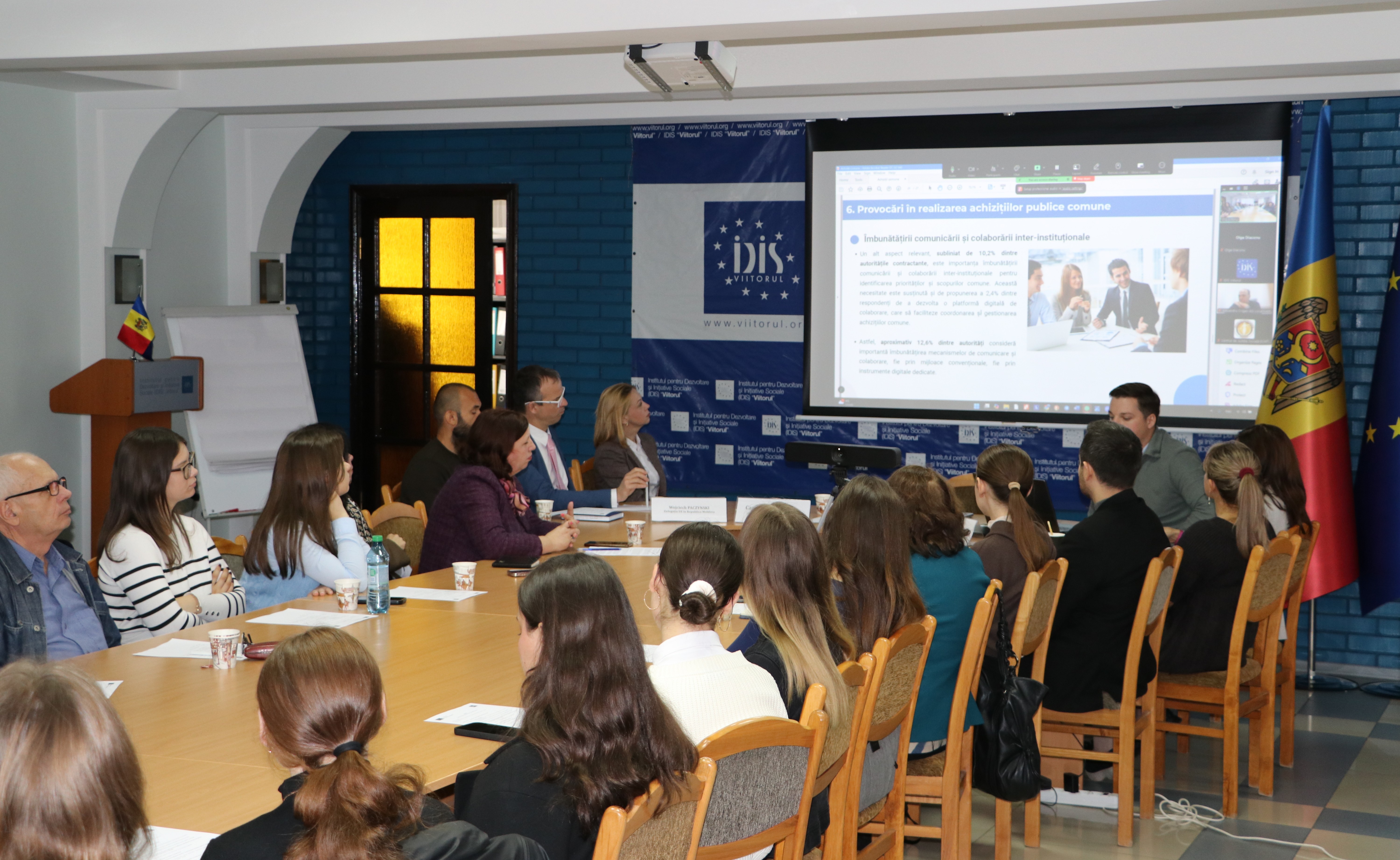
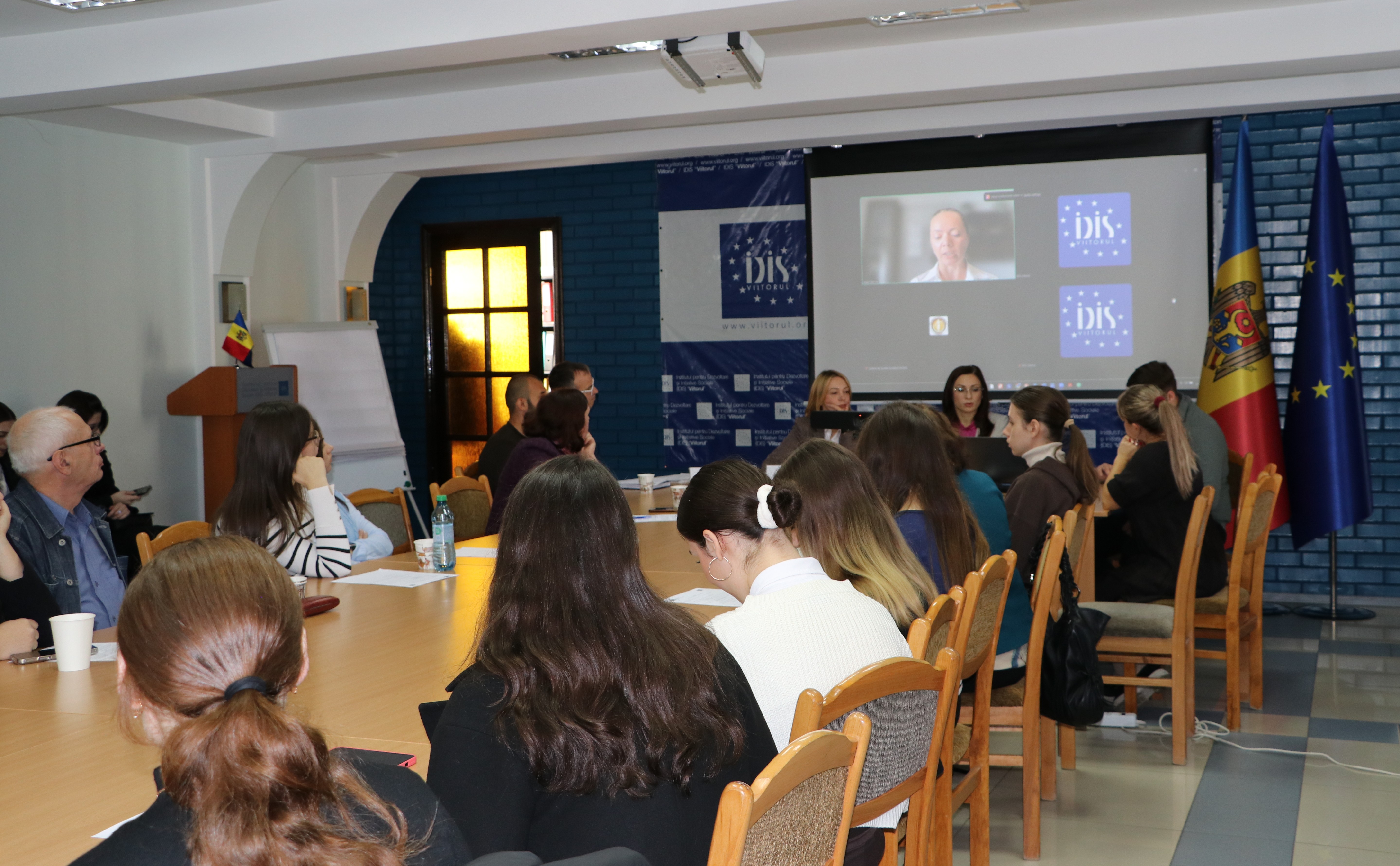
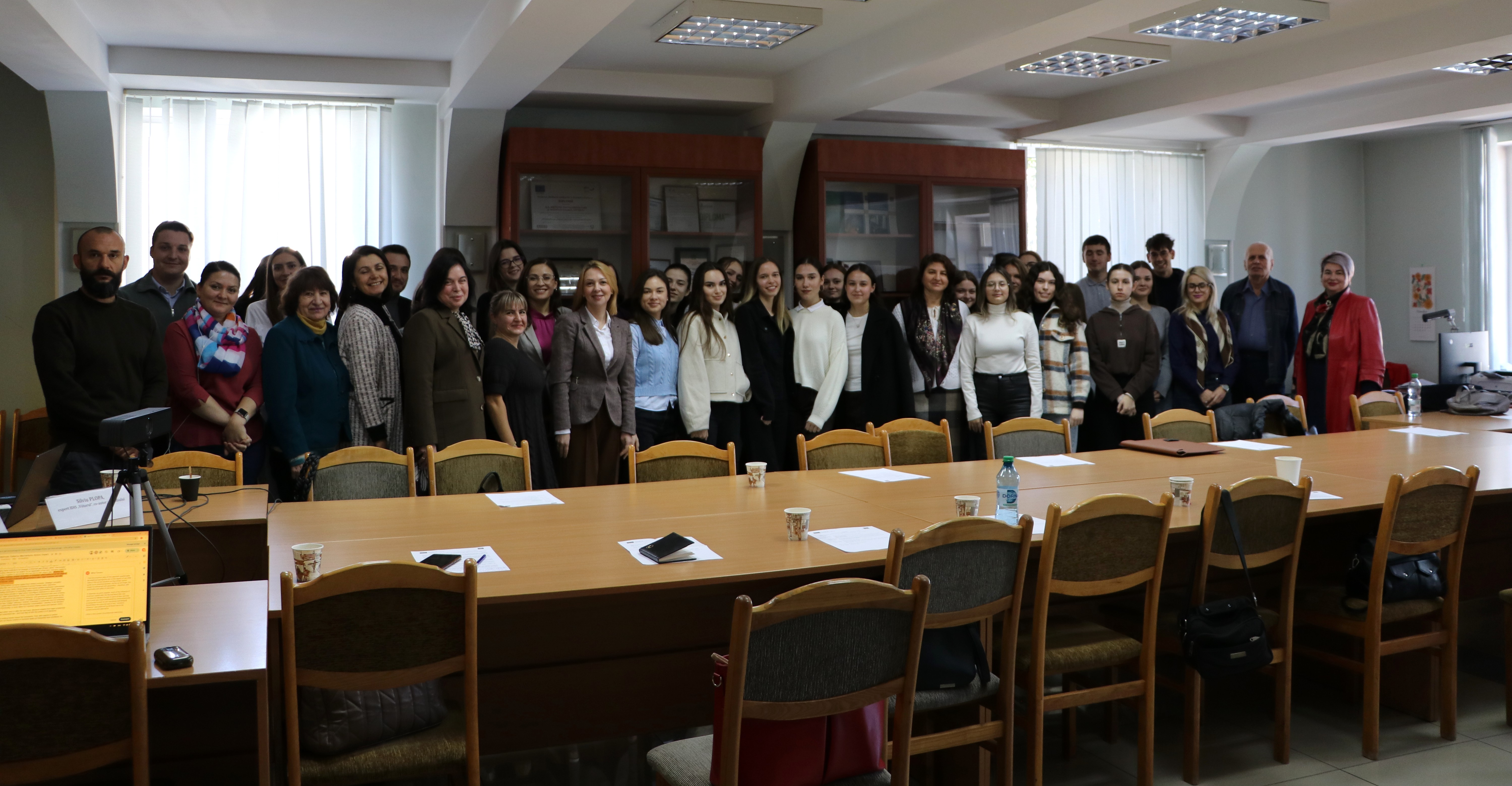
Members of the National Platform for Public Procurement (NPPP) discussed several key topics during the meeting held on Monday, June 29, 2026, including the draft Regulation on the Activity of Procurement Service Providers, sustainable public procurement, the relationship between public policies and practical implementation, and civil society recommendations regarding the implementation of sustainable public procurement in the Republic of Moldova. The event took place within the project "Supporting Moldova’s public procurement reform in the EU accession context”, implemented by IDIS “Viitorul” with the support of the European Union.
The State Secretary of the Ministry of Finance, Elena Grumeza, stated that the topics discussed aim to modernize and reform the public procurement system of the Republic of Moldova. According to her, the Regulation on the Activity of Procurement Service Providers will contribute to the professionalization of the field by involving certified specialists in procurement procedures, thereby increasing process quality and reducing errors and administrative burden. At the same time, integrating sustainability criteria into public procurement will direct state investments toward products and services with a lower environmental impact, generating long-term savings and supporting climate objectives.
Carolina Ungureanu, Deputy Director of IDIS “Viitorul” and Program Manager, stated that until recently, sustainable public procurement had received limited attention in the Republic of Moldova. The lowest price criterion was often prioritized without considering that other procurement evaluation criteria can generate greater benefits, including in the long term. “When purchasing goods, services, or works, the analysis should focus not only on the immediate cost, but also on long-term benefits and expenses, in order to ensure the efficient use of public funds,” said Carolina Ungureanu.
Lucia Matăsaru, Senior Consultant within the Public Procurement Policy Directorate of the Ministry of Finance, presented the draft Regulation on the Activity of Procurement Service Providers, developed to clarify the institutional and functional framework governing this type of service. “This draft Regulation aims to regulate, for the first time in our legislation, the category of actors operating on the public procurement market, an area that has so far lacked a clear regulatory framework,” said Lucia Matăsaru.
Olga Morari, Senior Consultant within the Public Procurement Policy Directorate of the Ministry of Finance, spoke about the implementation of sustainable public procurement in the Republic of Moldova, including verifiable criteria, sustainability indicators, and the adaptation of standard documentation. “Public procurement is no longer merely a process through which contracting authorities acquire works, goods, and services; it is becoming a strategic tool for economic development, environmental protection, and the promotion of social objectives,” noted Olga Morari.
Associate expert at IDIS “Viitorul”, Vadim Țurcan, co-author of the analytical paper “Sustainable Public Procurement: Between Public Policies and Practical Implementation”, stated that the document highlights the need to accelerate the adoption of the secondary regulatory framework on sustainable public procurement and to update the related legal infrastructure. At the same time, the document recommends that the Public Procurement Agency develop and publish guidelines and standard documentation in Romanian, expand dedicated training programs, and transform pilot experiences into practical tools for contracting authorities. The expert also advocated integrating sustainability criteria into award documentation, using the “best value for money” criterion, establishing priority categories for sustainable procurement, and monitoring contract outcomes.
Diana Enachi, co-author of the analytical paper, highlighted models and best practices from European countries with advanced regulations on sustainable public procurement. Italy was mentioned as one of the first states to regulate the mandatory inclusion of environmental requirements for certain goods, services, and works, including furniture, paper, IT equipment, cleaning services, catering, construction works, and street lighting. Another example is the Netherlands, which has adopted a strategy with a clear vision for achieving sustainable procurement objectives in the environmental, social, and economic fields, supported by clearly defined goals and targets.
Additionally, as Diana Enachi noted, the Dutch electronic procurement system, TenderNed, contains standardized sustainability criteria developed at the national level and made available to contracting authorities. Both regulatory bodies and contracting authorities in Moldova could adopt similar practices to advance sustainable public procurement, including by establishing mandatory minimum requirements for specific procurement categories.
During the discussion session, NPPP members emphasized the importance of accelerating public procurement reforms through the professionalization of procurement services and the integration of sustainability criteria into public procedures. They also highlighted the need to strengthen the regulatory framework and implement the recommendations put forward by civil society and contracting authorities in order to ensure a more efficient, transparent, and European standards-aligned procurement system.
The activities of the NPPP are carried out within the project "Supporting Moldova’s public procurement reform in the EU accession context”, implemented by IDIS “Viitorul” with the support of the European Union between September 2025 and September 2026.
This press release was produced with the financial support of the European Union. Its content is the sole responsibility of the project "Supporting Moldova’s public procurement reform in the EU accession context”, financed by the European Union. The content of the press release belongs to the authors and does not necessarily reflect the views of the European Union.
For additional information about the project, please contact the project’s communication specialist, Maria Procopciuc, at +373 600 88 544 or via email at maria.procopciuc@viitorul.org.
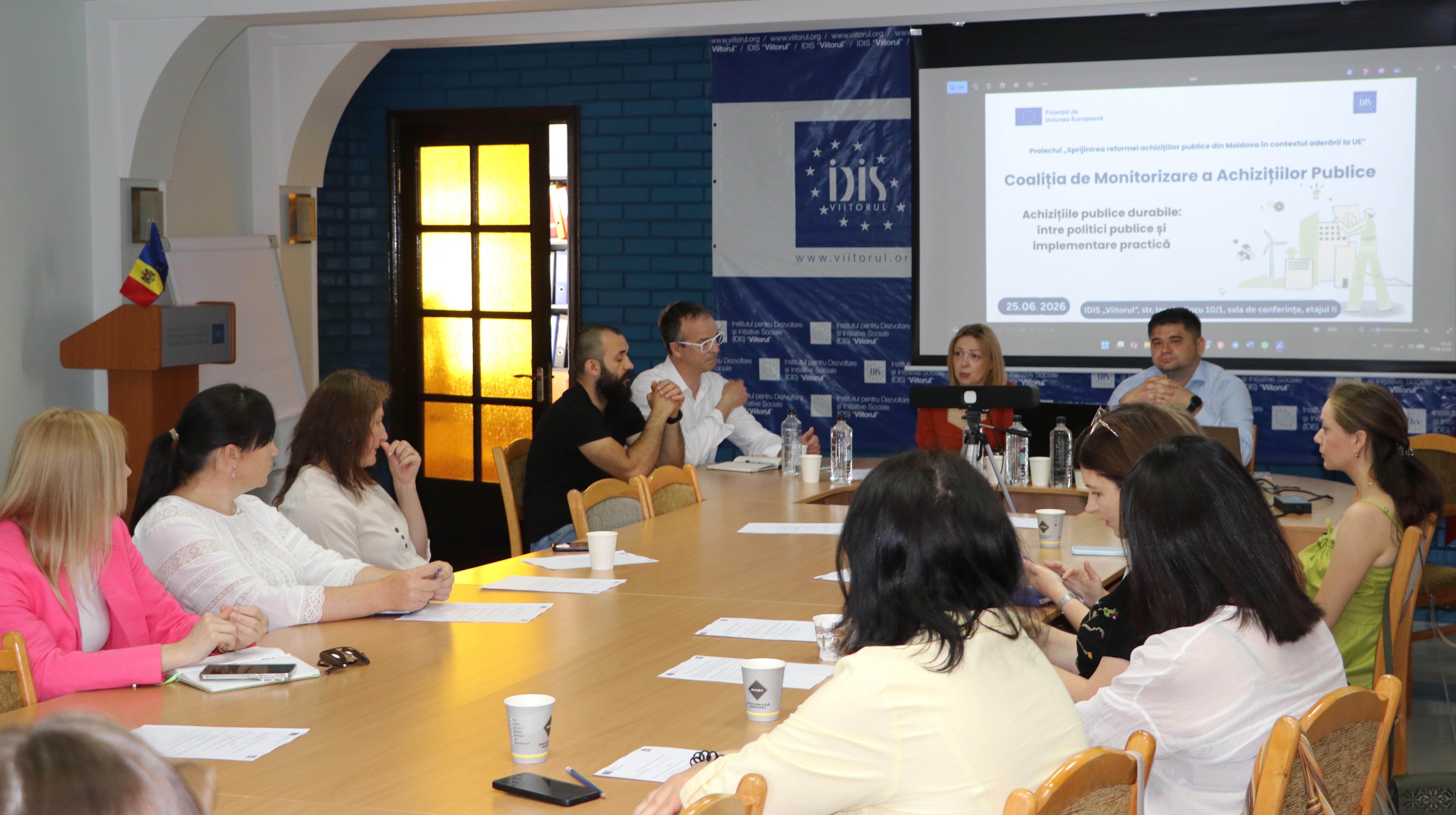
Members of the Public Procurement Monitoring Coalition addressed the topic of sustainable public procurement, bridging public policy and practical implementation, at the meeting on Thursday, June 25, 2026. During the meeting, IDIS "Viitorul" presented an analytical note with recommendations for implementing sustainable public procurement in the Republic of Moldova.
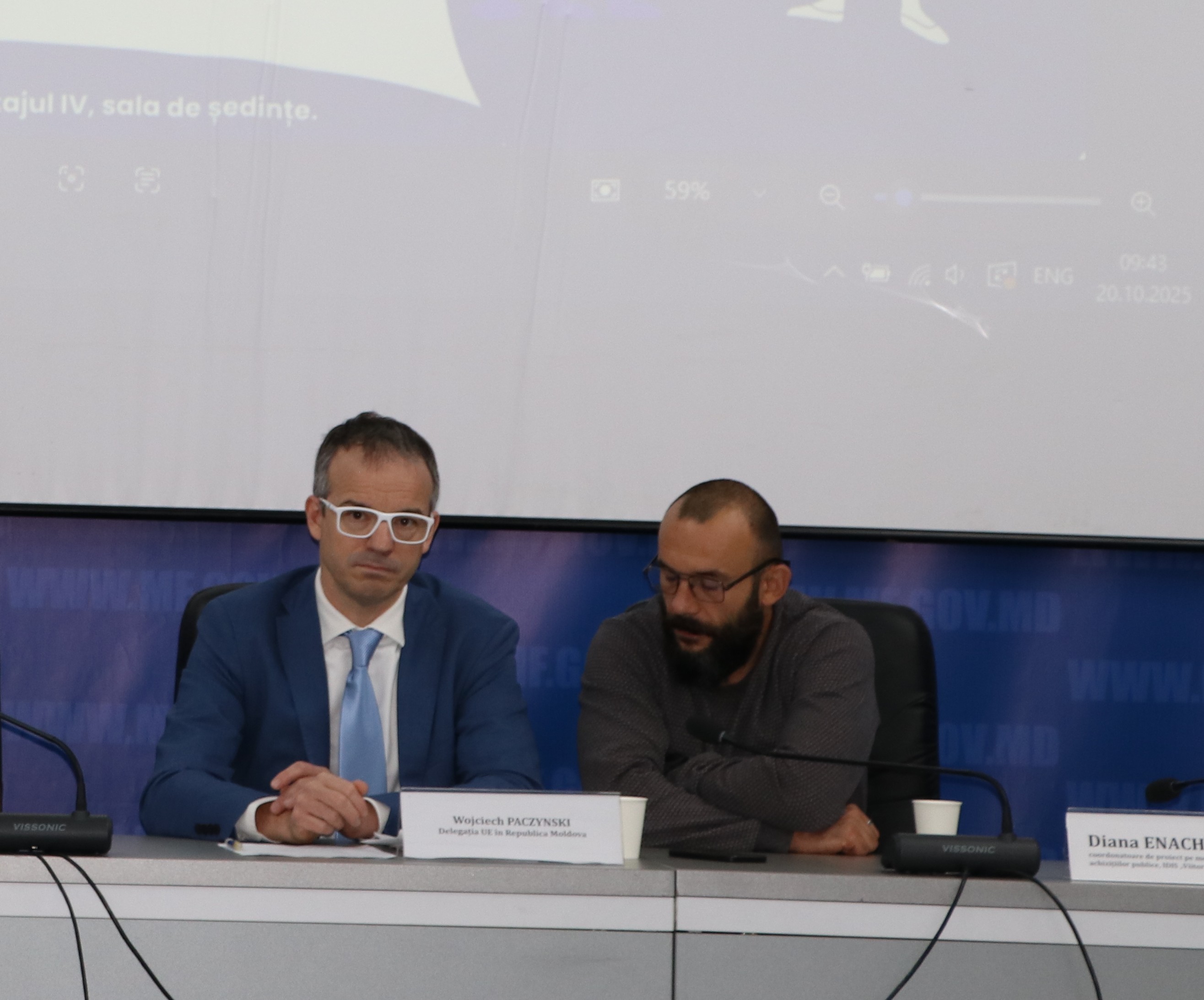
Present at the meeting, Wojciech Paczynski, program manager at the EU Delegation to the Republic of Moldova, said that an important element in the field of procurement is the clarity of the criteria applied in the procedures for awarding procurement contracts, the focus on the longevity of the purchased product/service/works, and not just on the immediate cost. Equally important is the conducting an objective market assessment of the market by public authorities, the understanding of what can realistically be procured on the market, and the ability to engage in dialogue with economic agents in order to formulate an appropriate tender, but also the implementation of contracts, to ensure that what is purchased through an procurement contract is delivered and not something else.
In turn, Carolina Ungureanu, deputy director at IDIS "Viitorul" and program manager, stated that if previously it was traditionally said that the success of a public procurement is associated with obtaining the lowest price, now this approach tends to be changed to a more mature, more strategic one, with the inclusion of the criterion of the best quality-price ratio for winning a public procurement, but also the life-cycle cost of the good, service or work performed. "This means that when purchasing a good, a service, or a work, we must analyze not only the cost at the time of purchase, but in the long term, so that we can talk about the value for money," said Carolina Ungureanu.
IDIS "Viitorul" associate expert Vadim Țurcan presented the analytical note titled "Sustainable Public Procurement: Between Public Policies and Practical Implementation". The document highlights essential recommendations, such as the rapid adoption and publication by the Government of the secondary regulatory framework for sustainable public procurement and the complete updating of the legal framework.
The Public Procurement Agency is recommended to publish, in Romanian, updated versions of the guides, to develop standard documentation and model clauses by relevant product and service categories, to increase the share of training dedicated to sustainable procurement, and to transform pilot lessons into simple working tools for contracting authorities. Contracting authorities are advised to gradually and strategically integrate sustainable procurement provisions and business community to adapt to new requirements as an investment in competitiveness.
The expert also recommends, in general, integrating sustainability criteria into the award documentation; using the "best value for money" or "quality-to-cost" criterion; developing standard models and practical guides; establishing priority categories of sustainable procurement; and monitoring contract outcomes.
During the discussion session, participants noted that sustainable public procurement requires not only regulatory changes but also strengthening institutional capacities, training specialists involved in the procurement process, and developing clear monitoring and evaluation mechanisms. The importance of adopting good European practices and adapting them to the administrative and economic realities of the Republic of Moldova was also discussed, so that sustainable public procurement becomes applicable and efficient in the practice of contracting authorities.
The activities of the Public Procurement Monitoring Coalition take place within the "Supporting Moldova’s public procurement reform in the EU accession context” project, implemented by IDIS "Viitorul" with EU support, between September 2025 and September 2026.
This press release was produced with the financial support of the European Union. Its content represents the sole responsibility of the "Supporting Moldova’s public procurement reform in the EU accession context” project, financed by the European Union. The content of the press release is the responsibility of the authors and does not necessarily reflect the vision of the European Union.
For additional information about the project, please get in touch with the project's communication specialist, Maria Procopciuc, at +37360088544 or at the e-mail address: maria.procopciuc@viitorul.org.
Members of the National Platform for Public Procurement (NPPP) met in session on Wednesday, March 18, 2026, during which the Ministry of Finance (MF) presented the concept for the new Public Procurement Information System - e-Achizitii, as well as the draft law on electronic invoicing in the procurement field. At the same time, IDIS "Viitorul" experts, Diana Enachi and Vadim Țurcan, presented an analysis of the system's provisions, including proposals for improvement.
At the meeting's start, Elena Grumeza, Secretary of State at the Ministry of Finance, said the topics discussed are essential to align with EU public procurement standards, increase transparency, ensure responsible public fund management, and improve current system data quality. She noted that digitalization helps reduce bureaucracy and corruption risks, increase transparency, and improve process quality. She added that these changes also bring challenges, requiring careful management and suitable solutions.
Wojciech Paczynski, program manager at the EU Delegation, emphasized that the new electronic system will improve efficiency and ensure better use of public money. Digital tools, he said, support simpler procurement and save time. These electronic systems are business-friendly, encouraging more economic operators to participate, thereby increasing competition and streamlining procedures.
Carolina Ungureanu, deputy director at IDIS "Viitorul", stated that the Republic of Moldova is at a crucial stage of reform in public procurement, marked by the transition from a fragmented system with multiple deficiencies to a more complex and functional one. According to Caroline Ungureanu, the development of the new system is an essential step in modernizing public administration, and success depends not only on the technical component but also on its implementation, use, and monitoring.
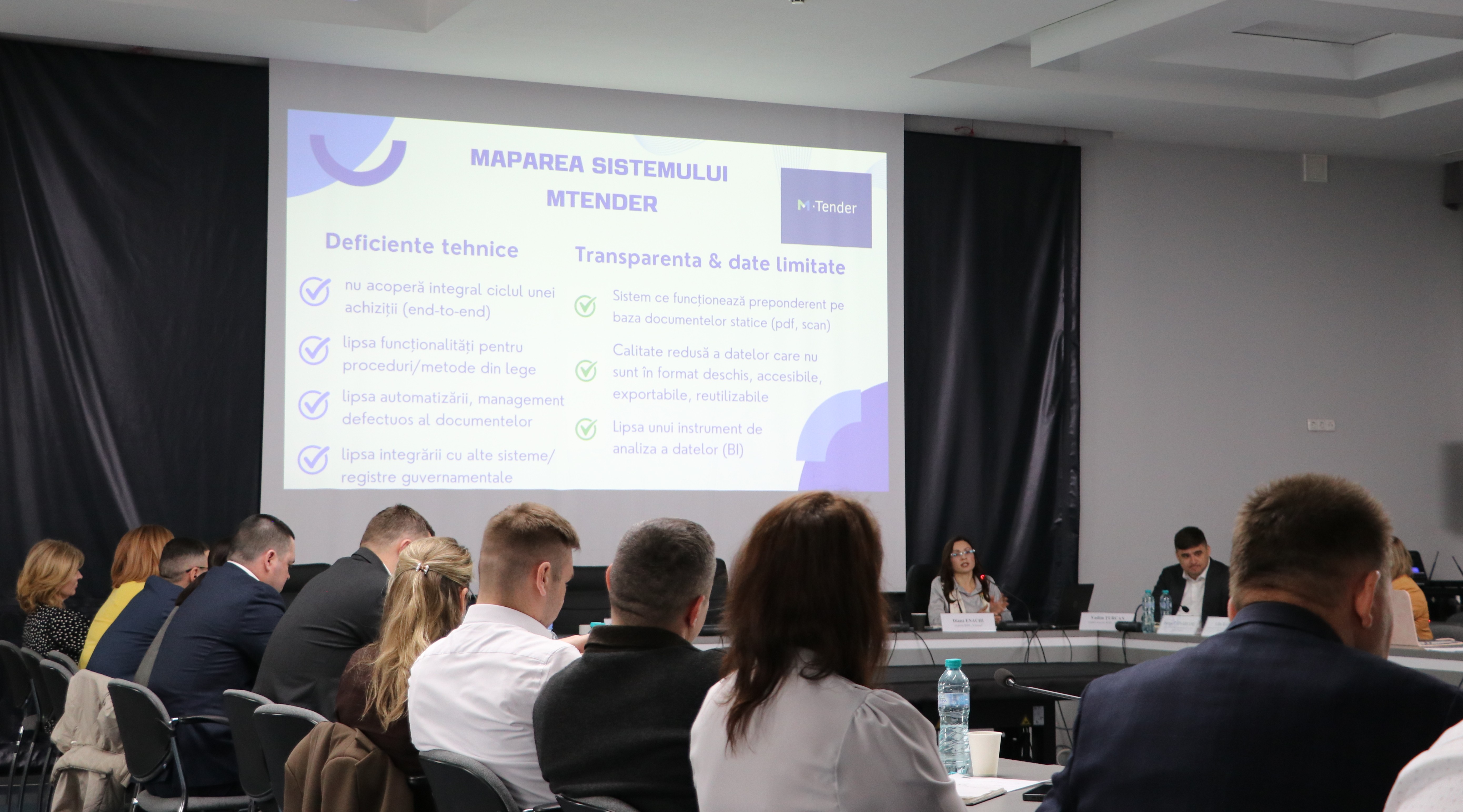
Sergiu Căinăreanu, head of the Public Procurement Policy Department at the Ministry of Finance, shared that eight years with the MTender system have brought progress in digitalizing public procurement. However, there are still issues, including incomplete coverage of procurement stages, limited integration with other systems, and limited automation. As a result, the new system was designed to meet international standards and improve public procurement management.
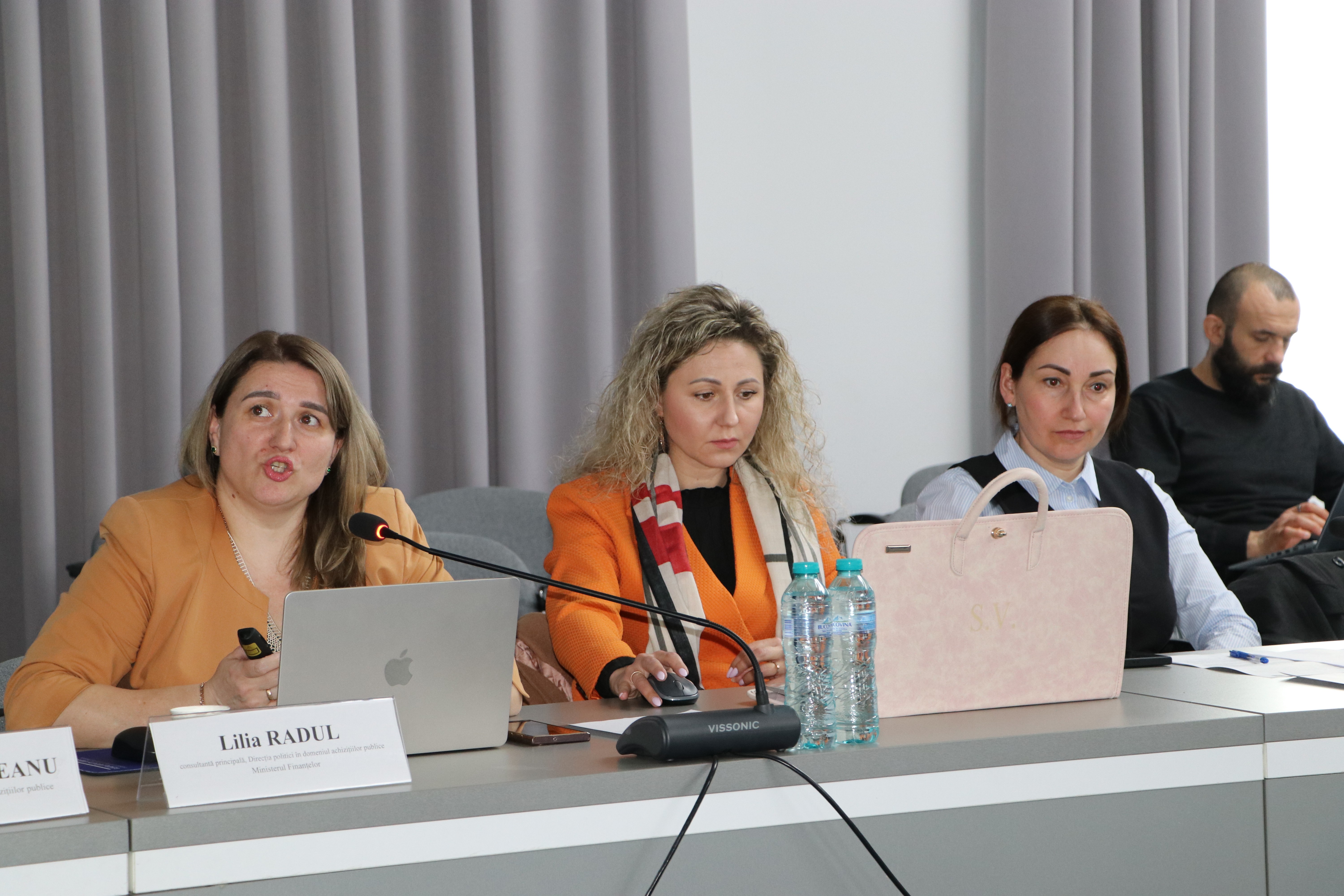
According to Lilia Radul, a senior consultant in the Public Procurement Policy Directorate of the Ministry of Finance, the draft law on electronic invoicing in the procurement field aims to address gaps in the existing tax regulations. "The new law regulates the use of electronic invoices in procurement contracts, covering invoices issued by both VAT payers and non-payers, and requires the adoption of the model according to the European standard," said Lilia Radu.
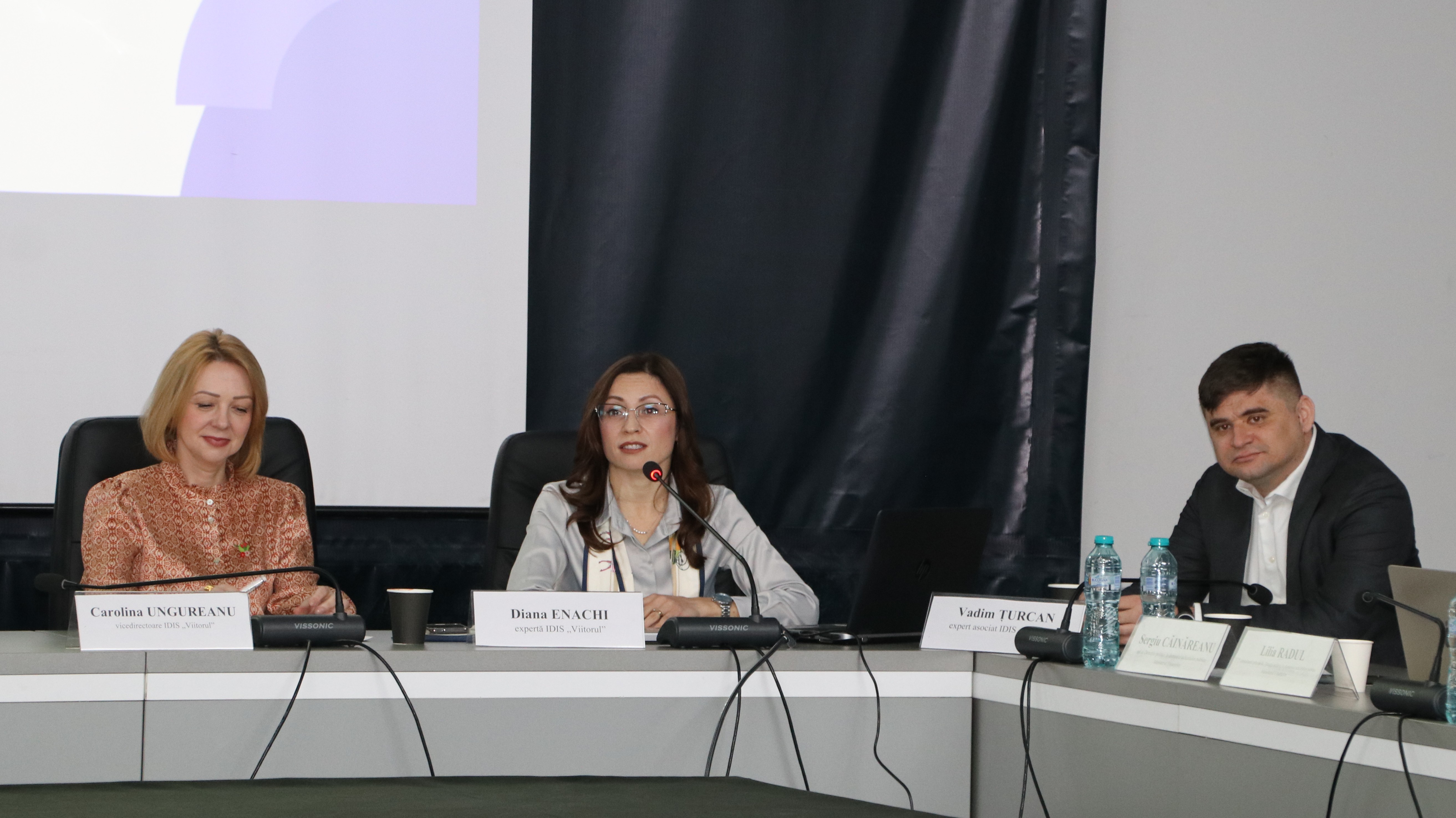
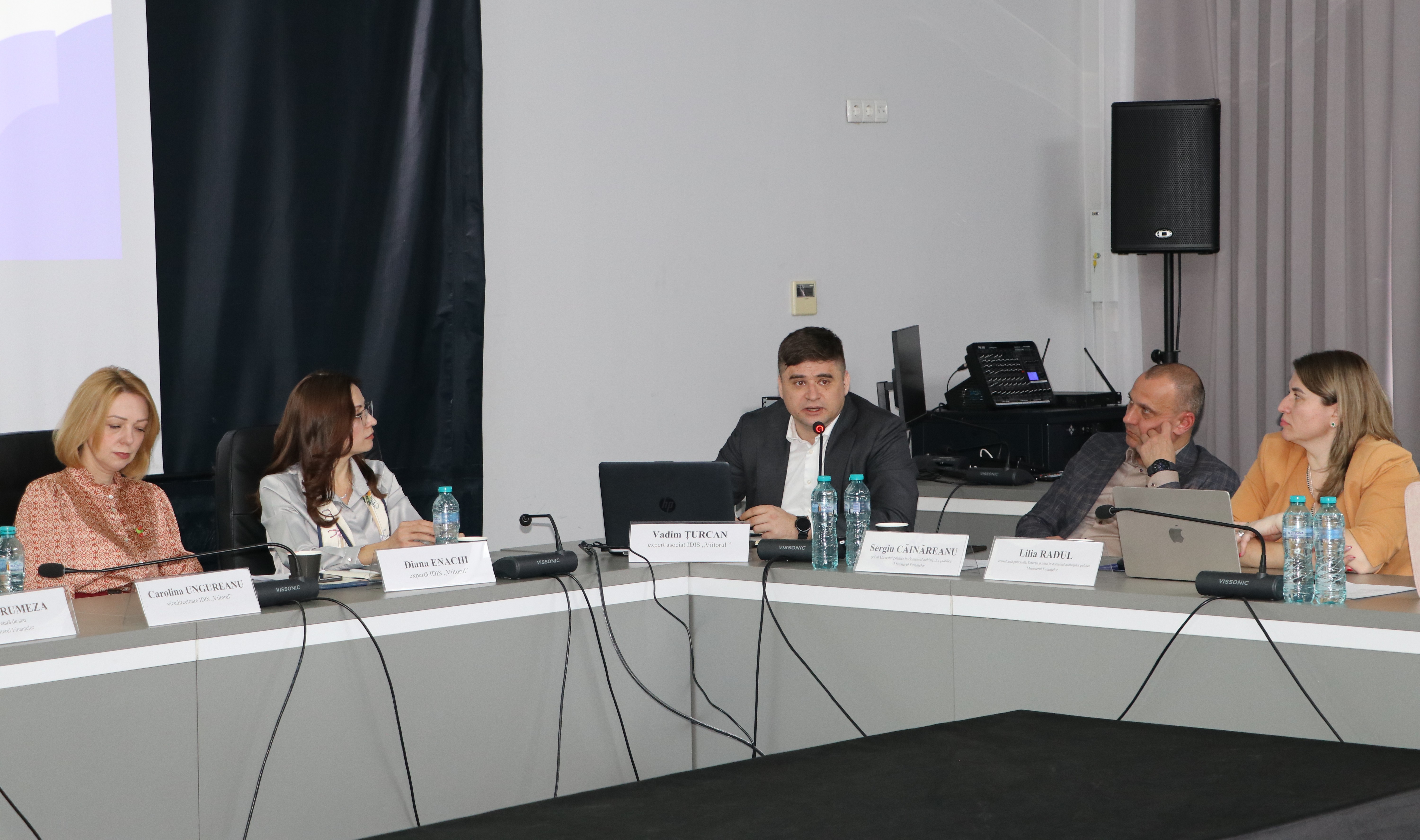
The analytical note on the concept of the new system, prepared by Diana Enachi and Vadim Țurcan, experts from IDIS "Viitorul", includes findings, data, and recommendations for creating a functional, transparent, and efficient system.
"The analysis highlights key deficiencies of Mtender. These include incomplete coverage of the procurement cycle, a lack of legally compliant features, excessive reliance on static documents, limited integration with government registers, poor data quality, and the absence of an analysis tool. These gaps increase the risk of fraud, favoritism, and non-transparent practices. They also reduce monitoring access and undermine trust in institutions," said Diana Enachi.
"The analytical note recommends digitizing the entire procurement cycle, from budgeting and planning, publication, evaluation, award, contracting, invoicing, and payments, to monitoring and analysis, as well as the correlation between budget, procurement, and financial execution. It emphasizes the need for access to the complete electronic file of a procurement and the publication of open data according to the Open Contracting Data Standard, to ensure interoperability and data reuse," said Vadim Țurcan.
Members of the NPPP welcomed the new public procurement information system. They said modernizing and digitizing processes will make public spending more transparent and efficient. They also stressed that civil society and the business community must be consulted at every stage to ensure the platform meets users’ needs and follows European best practices.
The activities of the NPPP take place within the "Supporting Moldova’s public procurement reform in the EU accession context” project, implemented by IDIS "Viitorul" with EU support, between September 2025 and September 2026.
This press release was produced with the financial support of the European Union. Its content represents the sole responsibility of the "Supporting Moldova’s public procurement reform in the EU accession context” project, financed by the European Union. The content of the press release belongs to the authors and does not necessarily reflect the vision of the European Union.
For additional information about the project, please get in touch with the project's communication specialist, Maria Procopciuc, at +37360088544 or at the e-mail address: maria.procopciuc@viitorul.org.
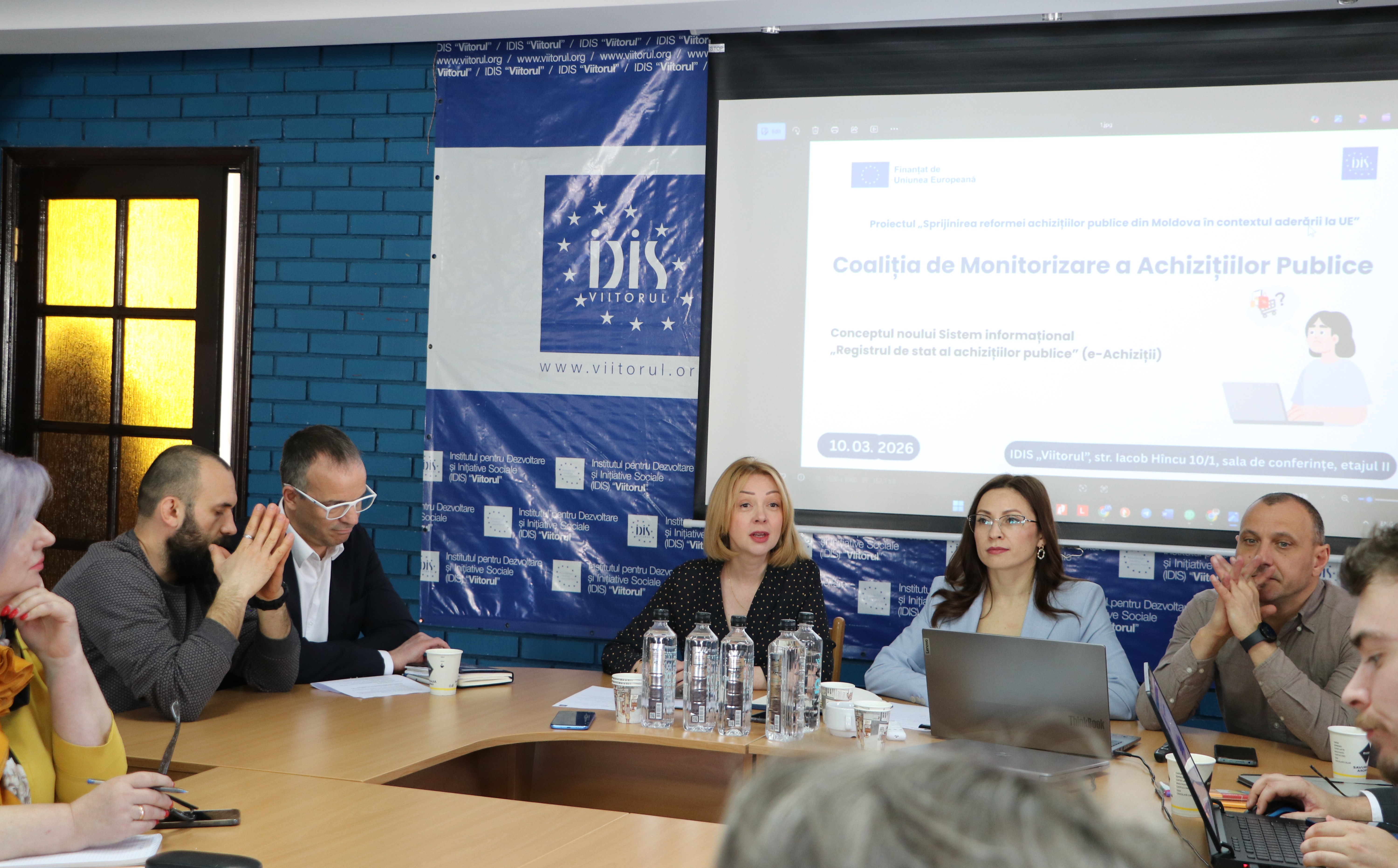
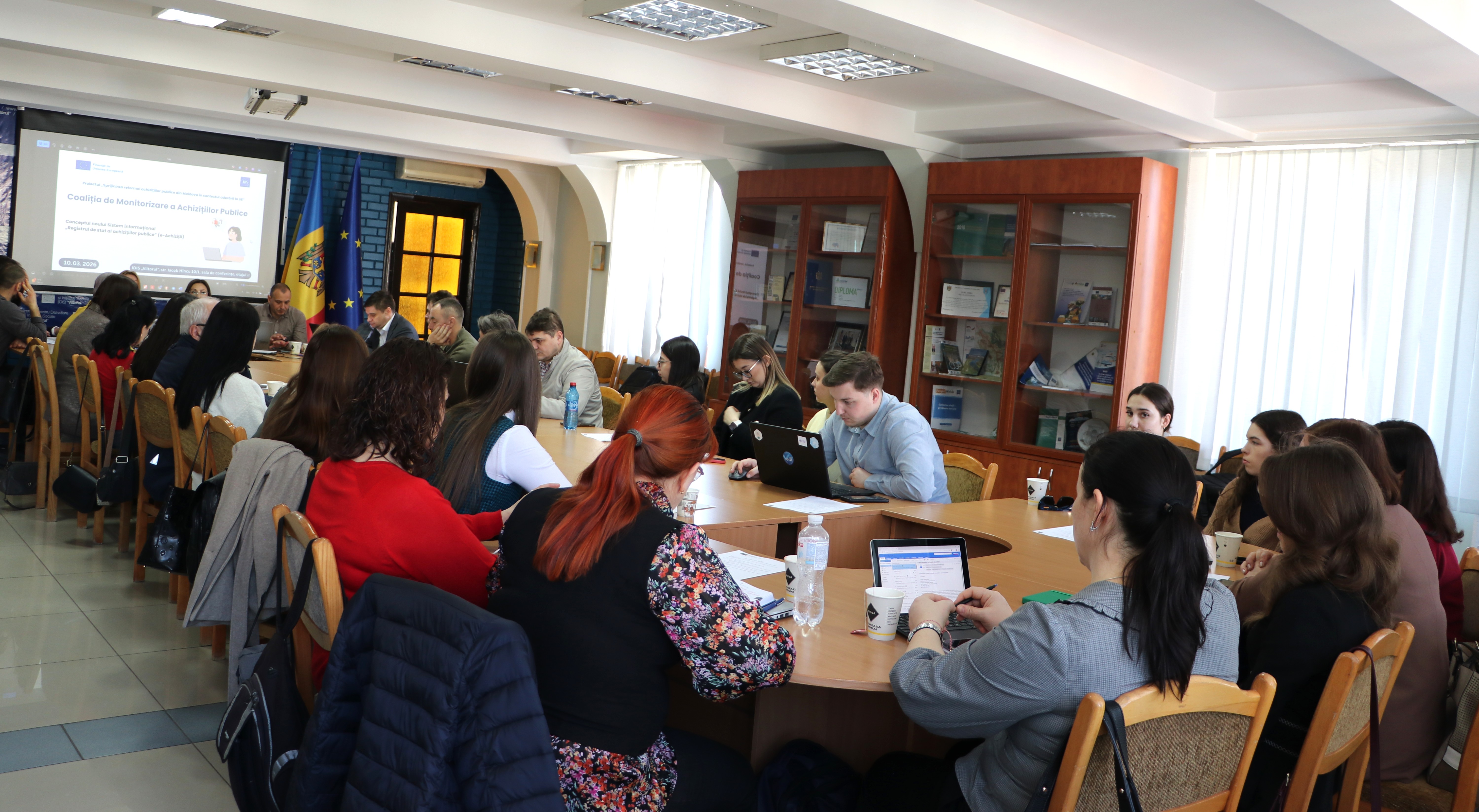
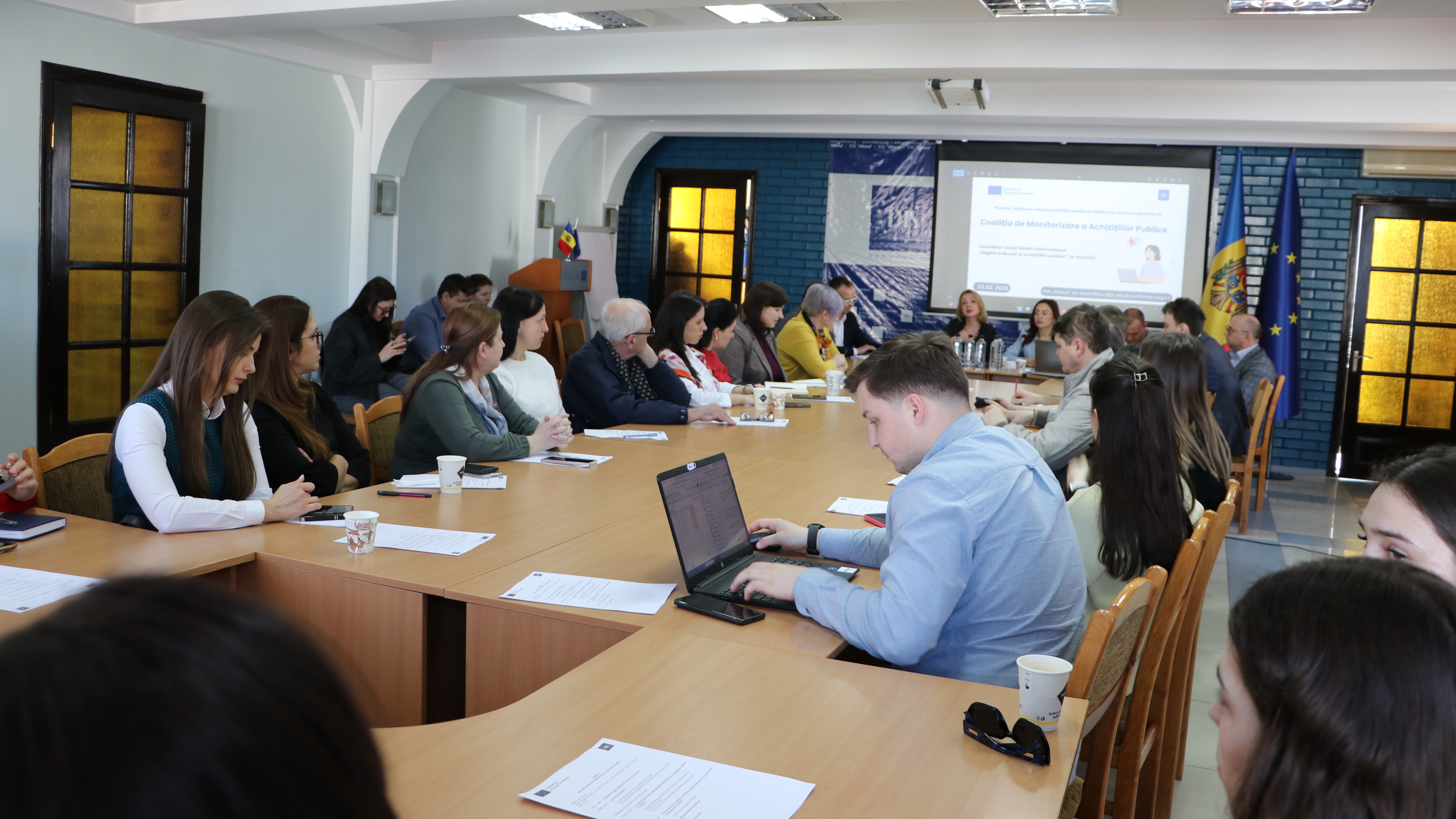
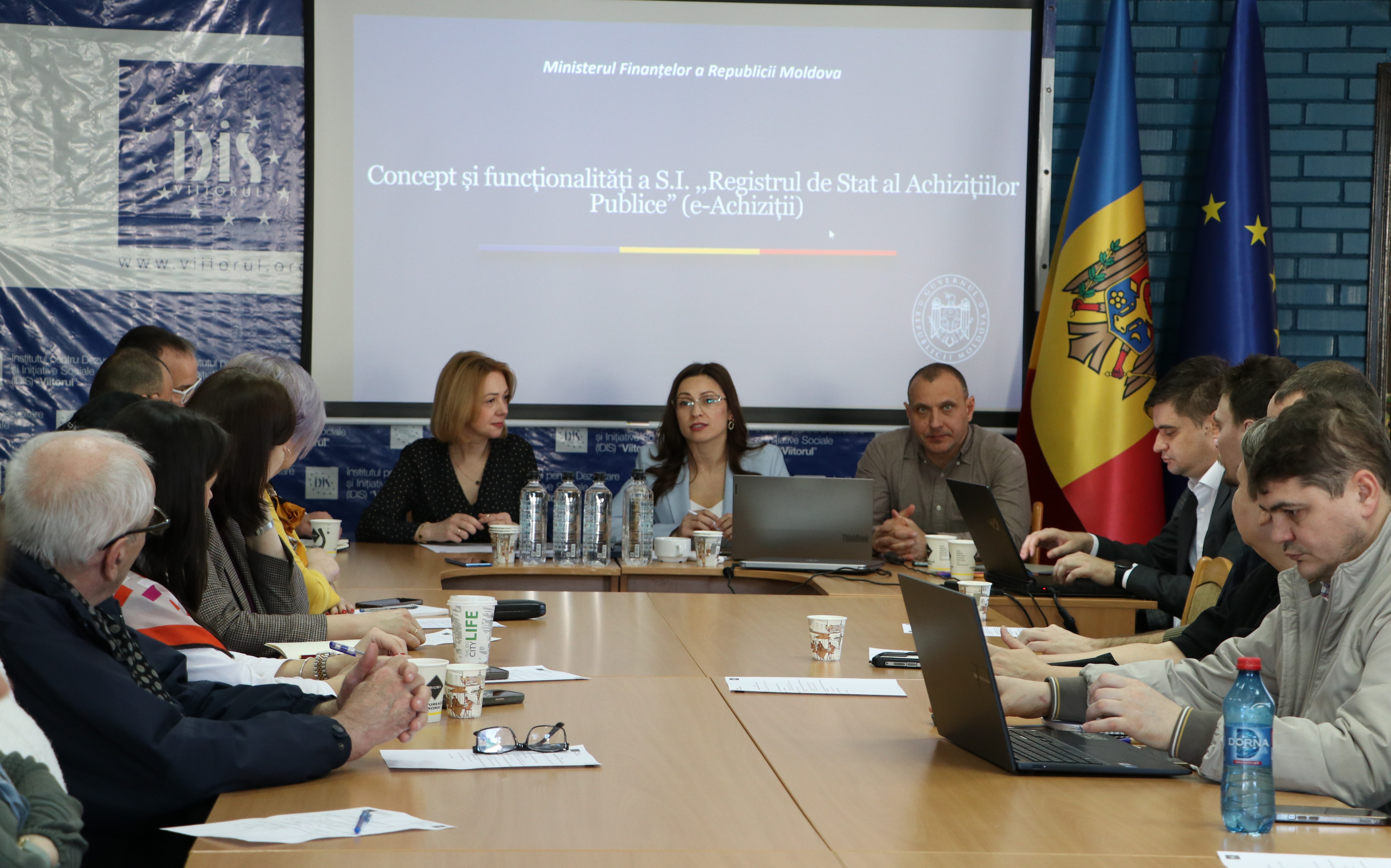
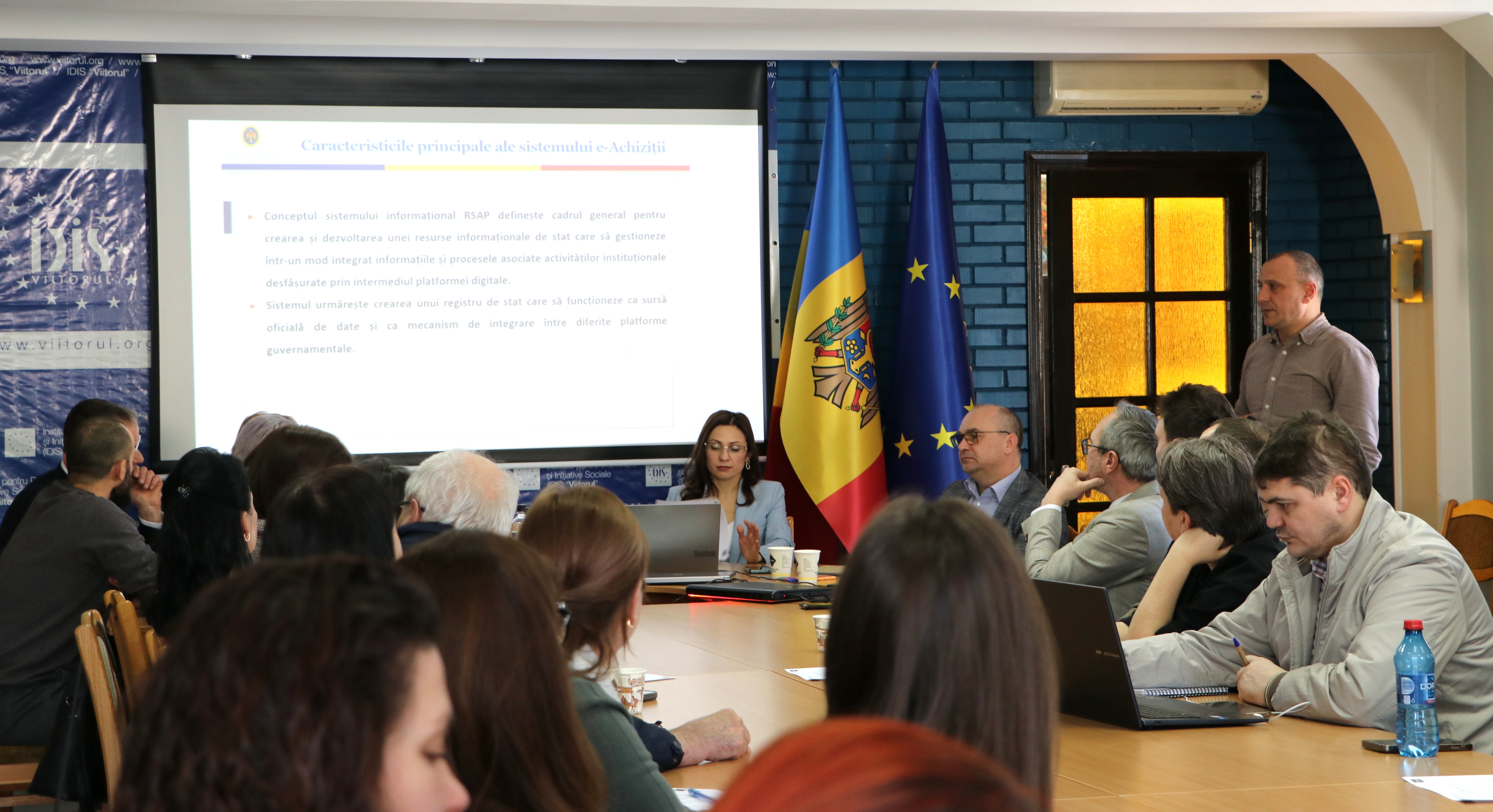
Members of the Public Procurement Monitoring Coalition met on Tuesday, March 10, 2026. During the meeting, the Ministry of Finance presented the concept of the new public procurement information system — e-Achizitii, developed to modernize and digitize procurement processes. IDIS "Viitorul" experts Diana Enachi and Vadim Țurcan also presented an analytical note on the concept.
At the beginning of the meeting, Carolina Ungureanu, deputy director at IDIS "Viitorul" and project manager, emphasized that the modernization of the public procurement system represents not only a technological change but also a structural governance reform, essential to increasing transparency and efficiency in the use of public funds. According to her, the new e-Procurement information system should help fully digitalize the procurement cycle, ensure open access to data, and strengthen citizens’ trust in the management of public resources.
At the meeting, Wojciech Paczynski, program manager at the EU Delegation to the Republic of Moldova, emphasized that digitizing and automating public procurement can reduce the administrative burdens and enable more informed public procurement choices. Such changes could generate resource savings and other efficiency gains. Paczynski noted that open data access can strengthen trust in the procurement system. The new system should also be designed to be accessible and business-friendly, thereby stimulating competition. As a result, more bids and better-quality goods, works, and services are expected.
“The correct implementation of such a system can have positive effects on the field of public procurement but also may make it easier to use public procurement to pursue other policy objectives. If the system works properly, procurement procedures can be accelerated, thus reducing delays and associated costs”, said Wojciech Paczynski.
Sergiu Căinăreanu, head of the Public Procurement Policy Department within the Ministry of Finance, mentioned that the new public procurement information system, e-Procurement, was developed to modernize and digitize procurement processes. According to Sergiu Căinăreanu, the new system is intended to electronically manage the entire procurement cycle, from planning to contract execution, to ensure interoperability with other government systems, as well as the monitoring, reporting, and audit mechanisms that are to be integrated.
IDIS "Viitorul" experts, Diana Enachi and Vadim Țurcan, presented an Analytical Note on the concept and technical functionality of the new system. They analyzed how it will integrate all stages of a public procurement cycle. The system aims to ensure a high level of transparency, efficiency, and open data access, in line with OCDS standards. The analysis highlighted risks and challenges related to technical implementation, data security, and the institutional capacity of contracting authorities. The experts also formulated recommendations for implementing the new system. These recommendations address deficiencies in the current electronic system and seek alignment with the new procurement law, which will take effect in January 2027. The goal is to optimize the conceptual framework, improve access to relevant data, and streamline system use for all actors involved in public procurement.
Members of the Public Procurement Monitoring Coalition welcomed the new public procurement information system. They said modernizing and digitizing processes will make public spending more transparent and efficient. They also stressed that civil society and the business community must be consulted at every stage to ensure the platform meets users’ needs and follows European best practices.
The activities of the Public Procurement Monitoring Coalition take place within the "Supporting Moldova’s public procurement reform in the EU accession context” project, implemented by IDIS "Viitorul" with EU support, between September 2025 and September 2026.
This press release was produced with the financial support of the European Union. Its content represents the sole responsibility of the "Supporting Moldova’s public procurement reform in the EU accession context” project, financed by the European Union. The content of the press release belongs to the authors and does not necessarily reflect the vision of the European Union.
For additional information about the project, please get in touch with the project's communication specialist, Maria Procopciuc, at +37360088544 or at the e-mail address: maria.procopciuc@viitorul.org.
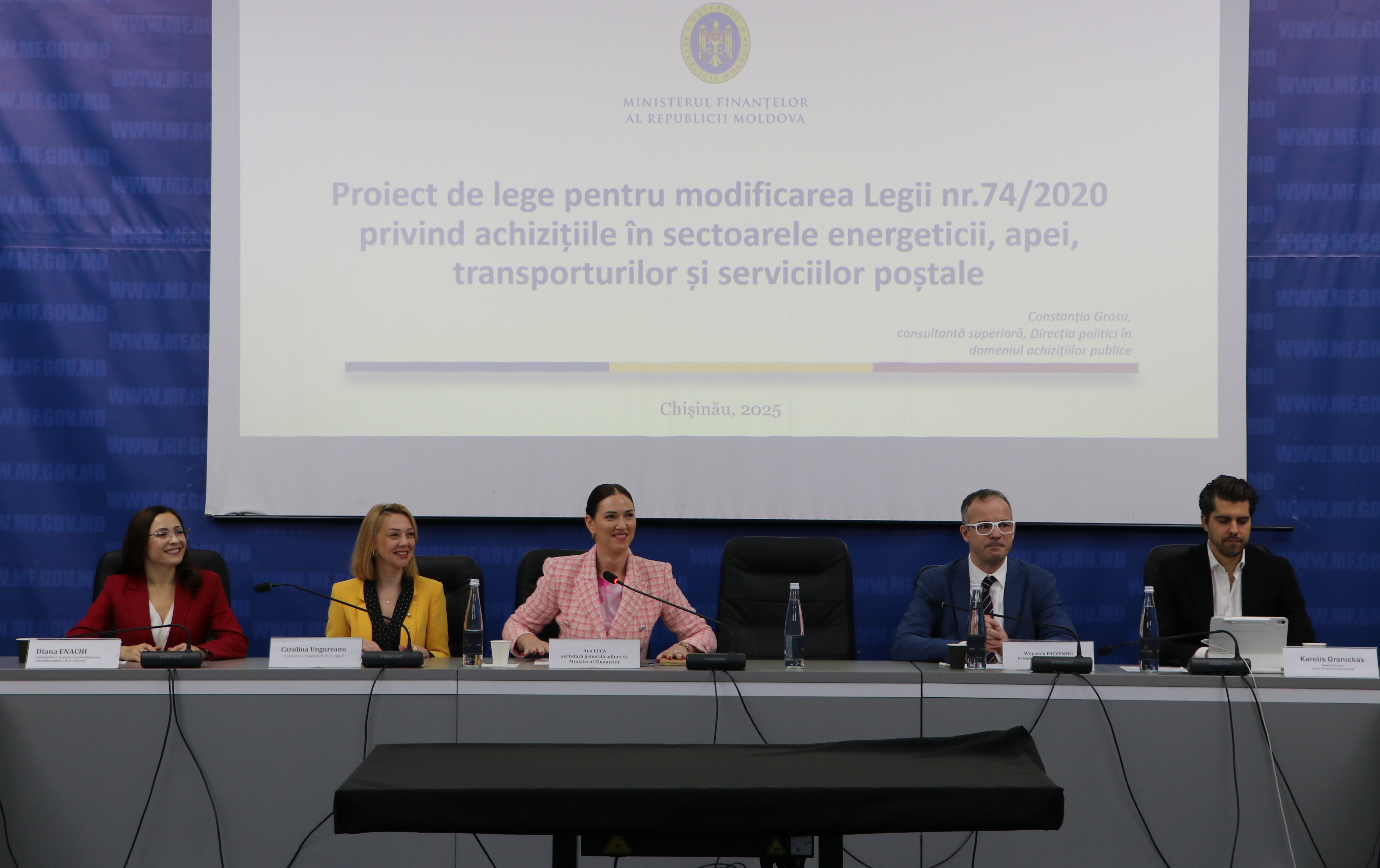
Members of the National Platform for Public Procurement (NPPP) met in session on Wednesday, 3 December 2025. The Ministry of Finance presented the Draft Law amending the Law on sectoral procurement. Also, the expert at the Association for Efficient and Responsible Governance (AGER), Olga Diaconu, presented an analysis of the trade-off between transparency and efficiency in sectoral procurement. The event took place in partnership with the Ministry of Finance, within the project "Supporting Moldova’s public procurement reform in the EU accession context", implemented by IDIS "Viitorul", with EU support.
At the beginning of the meeting, Wojciech Paczynski, program manager at the EU Delegation to the Republic of Moldova, noted that transposing EU directives into national legislation would be more difficult than transposing ordinary public procurement directives. "Recently, there was an evaluation of the whole package of three directives on public procurement issued beginning in 2014, including the one on utilities sector. While it revealed many positives, it also highlighted challenges and difficulties within the system. It is a good opportunity for Moldova to take some lessons that could be learned and used in the process of legal reform of the system,” said Wojciech Paczynski.
Constanția Grosu, senior consultant within the Public Procurement Policy Directorate of the Ministry of Finance, said that the amendment to Law No. 74/2020 on procurement in the energy, water, transport and postal services sectors aims to ensure the complete and compliant transposition of the EU Directive, given the commitments undertaken by the Republic of Moldova in the European integration process and within the bilateral screening exercise for Chapter 5 – "Public Procurement".
"The draft law proposes a broad revision of existing rules by harmonizing terminology and procedures with European standards, eliminating gaps found in the current application of the Law, and introducing mechanisms aimed at strengthening transparency, competitiveness, and efficiency of procurement in regulated sectors. Thus, sectoral legislation will be modernized and adapted to current market needs, creating the premises for a more open competitive environment, uniform application of rules, and more efficient governance in the field of sectoral procurement," said Constanția Grosu.
The analysis of sectoral procurement carried out by Olga Diaconu, an expert of the Association for Efficient and Responsible Governance (AGER), a member organization of the Public Procurement Monitoring Coalition, showed that some recommendations previously formulated by civil society in the process of working on Law No. 74/2020 were taken into account. However, the monitoring results show that errors and violations persist at all stages, from planning and publication to execution of sectoral procurement contracts.
"This analytical note aims to identify the most common problems and analyze their causes. At the same time, we have formulated solutions and recommendations to achieve clearer policies, greater transparency, and greater efficiency. Being regulated relatively recently, sectoral procurements still pose difficulties for the actors involved in these processes," said Olga Diaconu.
At the same time, during the meeting, Karolis Granickas, director of the Open Contracting Partnership (OCP) for Europe, mentioned that the financial volume of public procurement has been increasing for more than 10 years. At the same time, greater transparency in public procurement is a positive trend. However, the negative side of this development is that there is currently a very high level of legislative uncertainty and flexibility. "The field is regulated vertically and horizontally. There are many sectoral sub-regulations, and how to reduce this legislative uncertainty, in such a regulatory framework, horizontally and simultaneously vertically, is a problem we are facing today," said Karolis Granickas.
This press release was produced with the financial support of the European Union. Its content represents the sole responsibility of the "Supporting Moldova’s public procurement reform in the EU accession context” project, financed by the European Union. The content of the press release belongs to the authors and does not necessarily reflect the vision of the European Union.
For additional information about the project, please get in touch with the project's communication specialist, Maria Procopciuc, at +37360088544 or at the e-mail address: maria.procopciuc@viitorul.org.
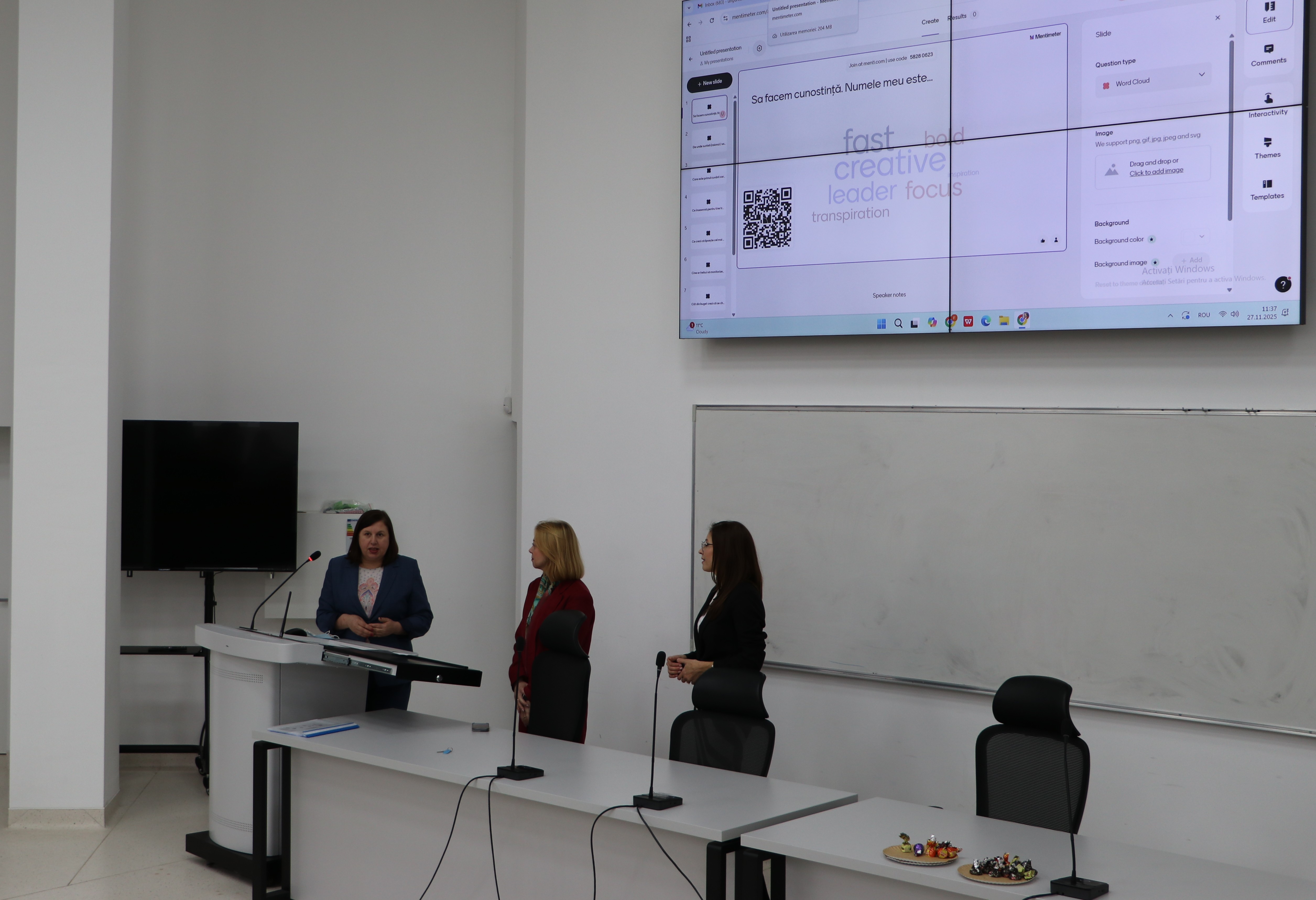
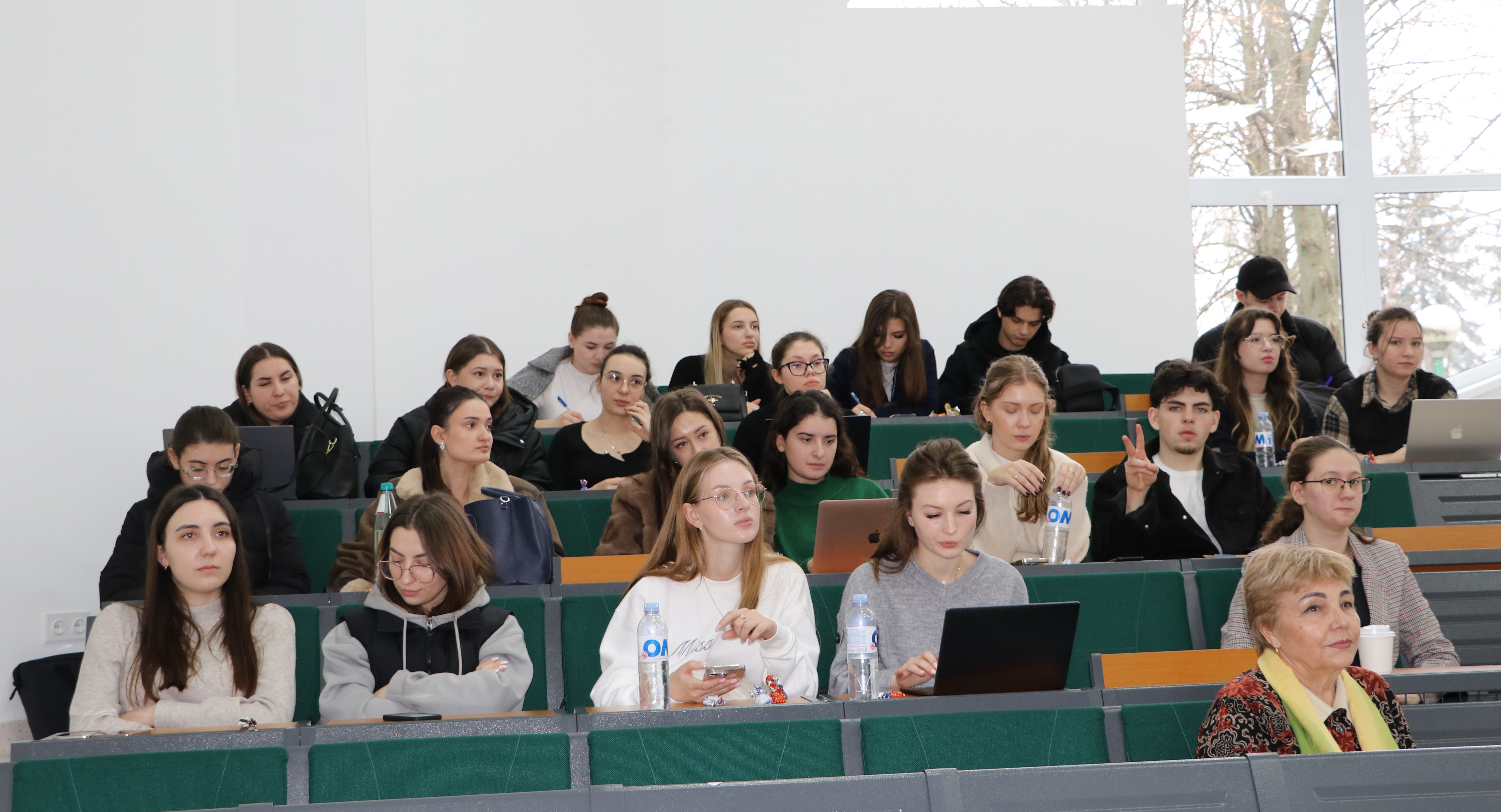
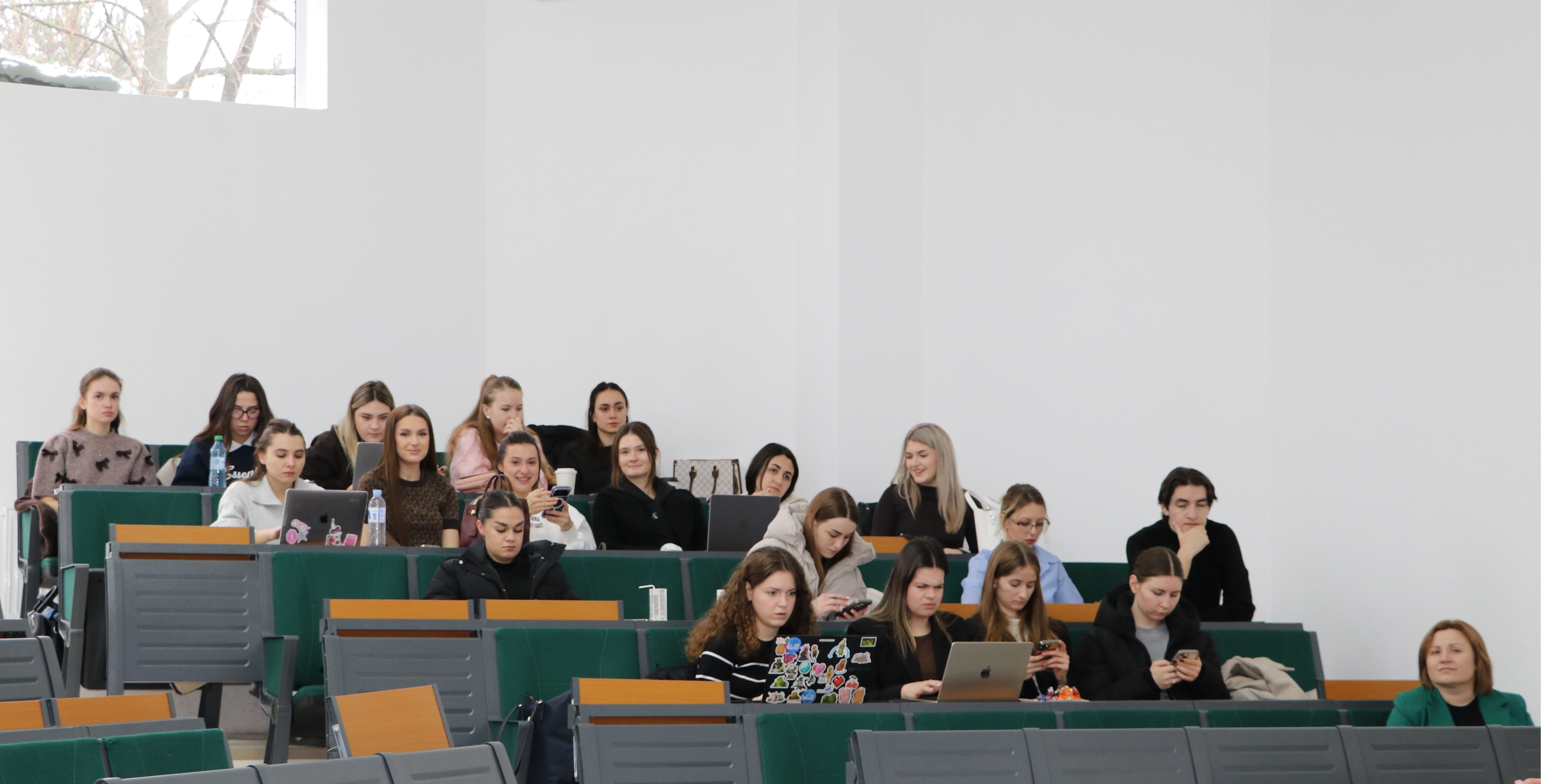
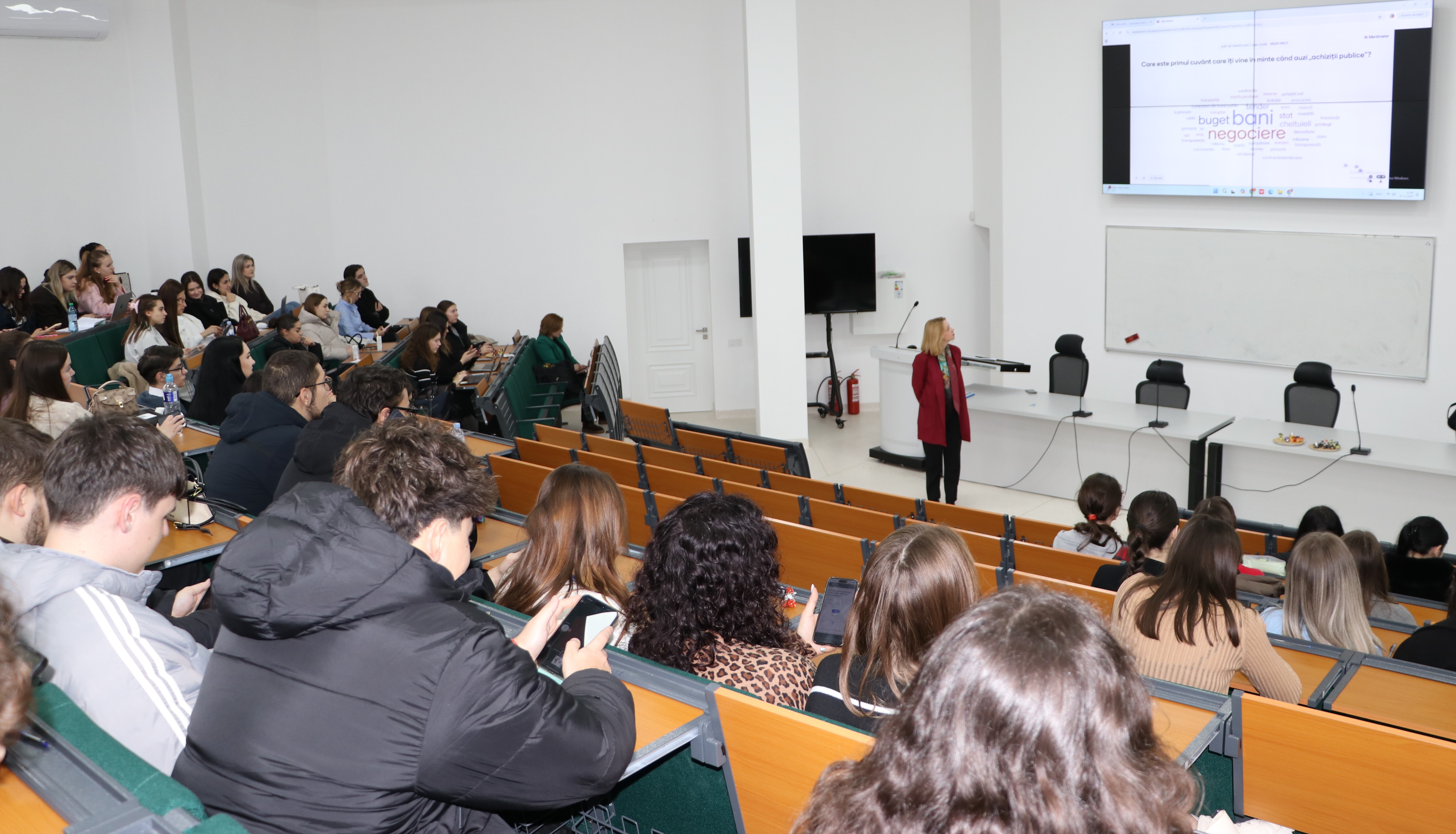
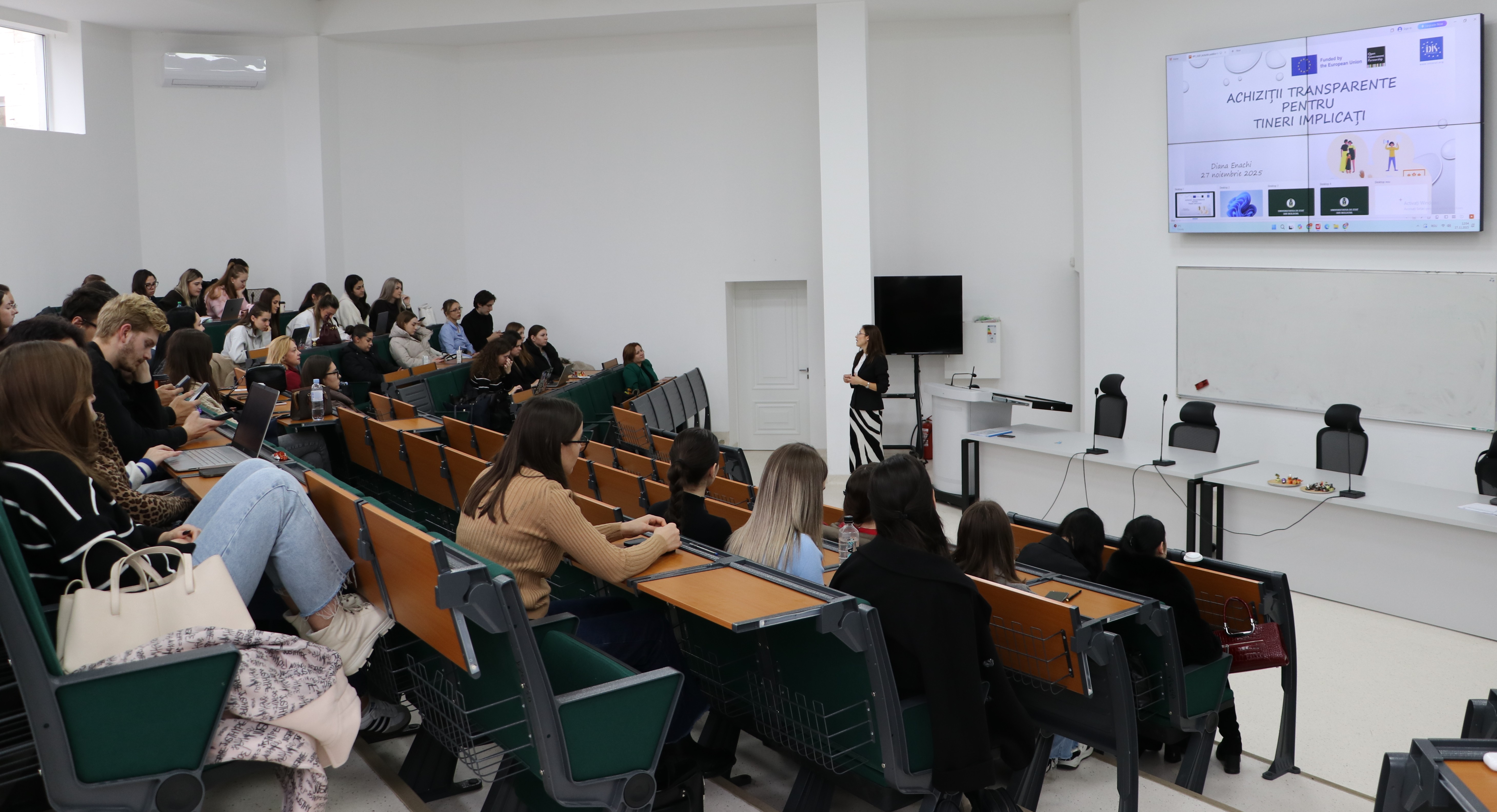
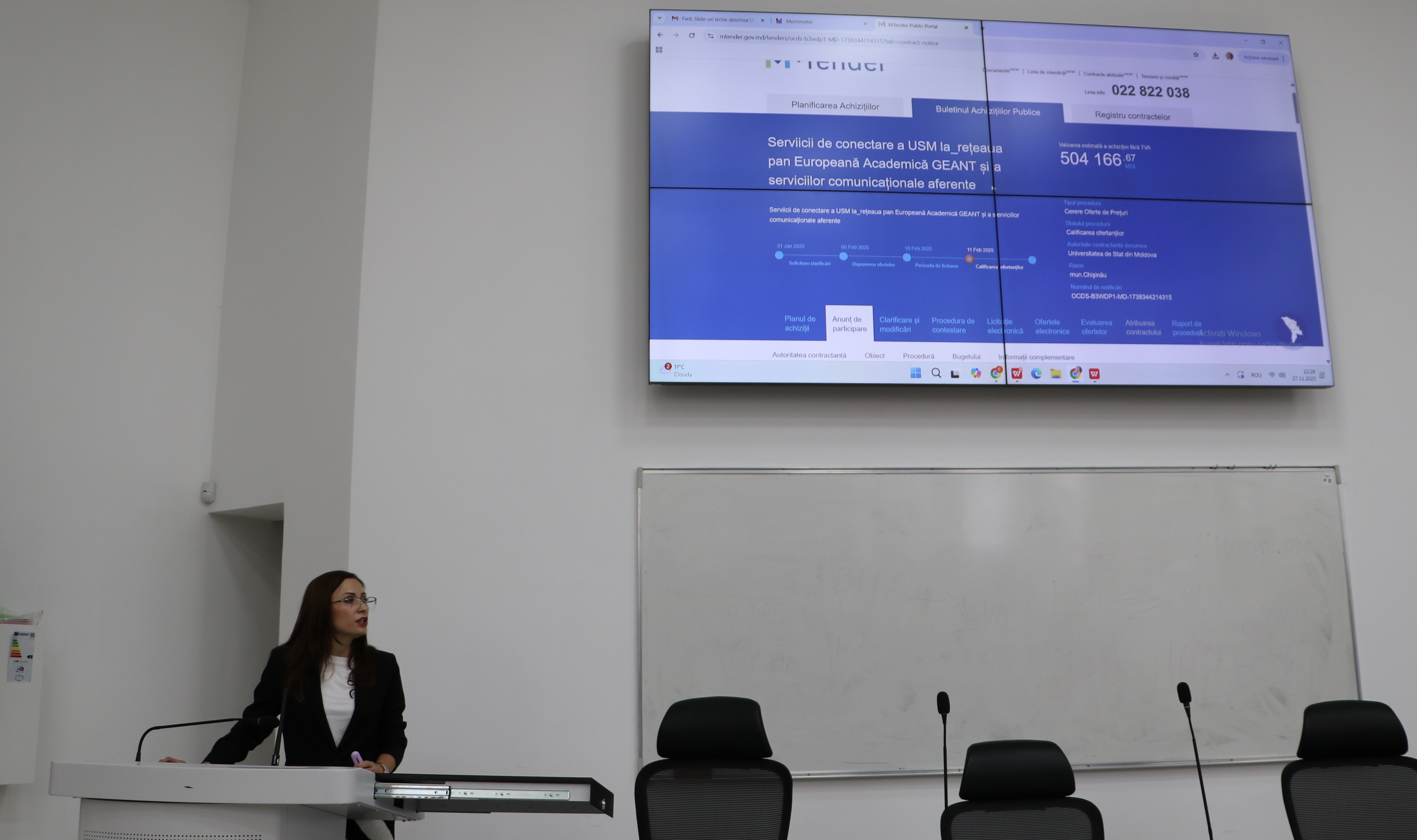
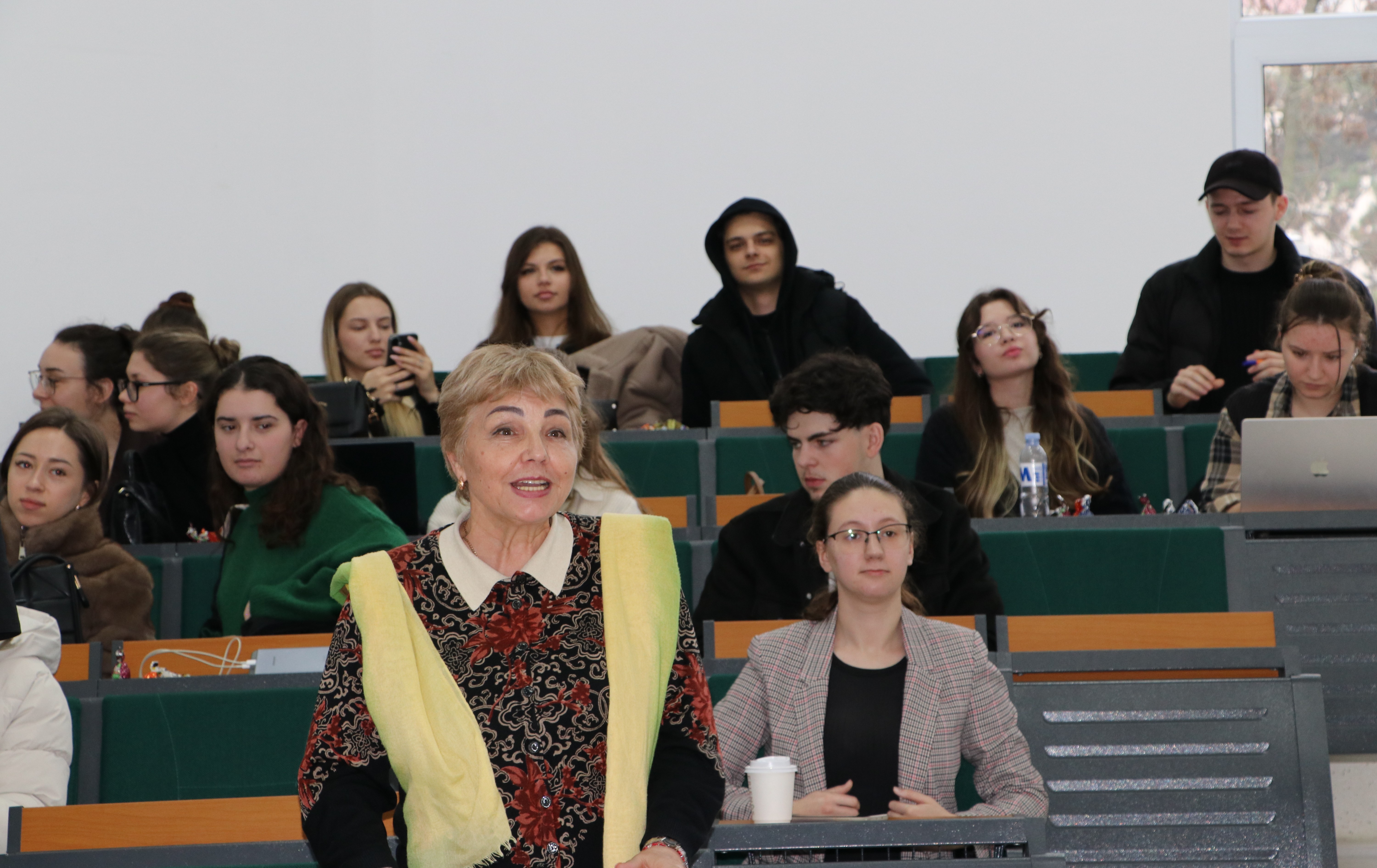
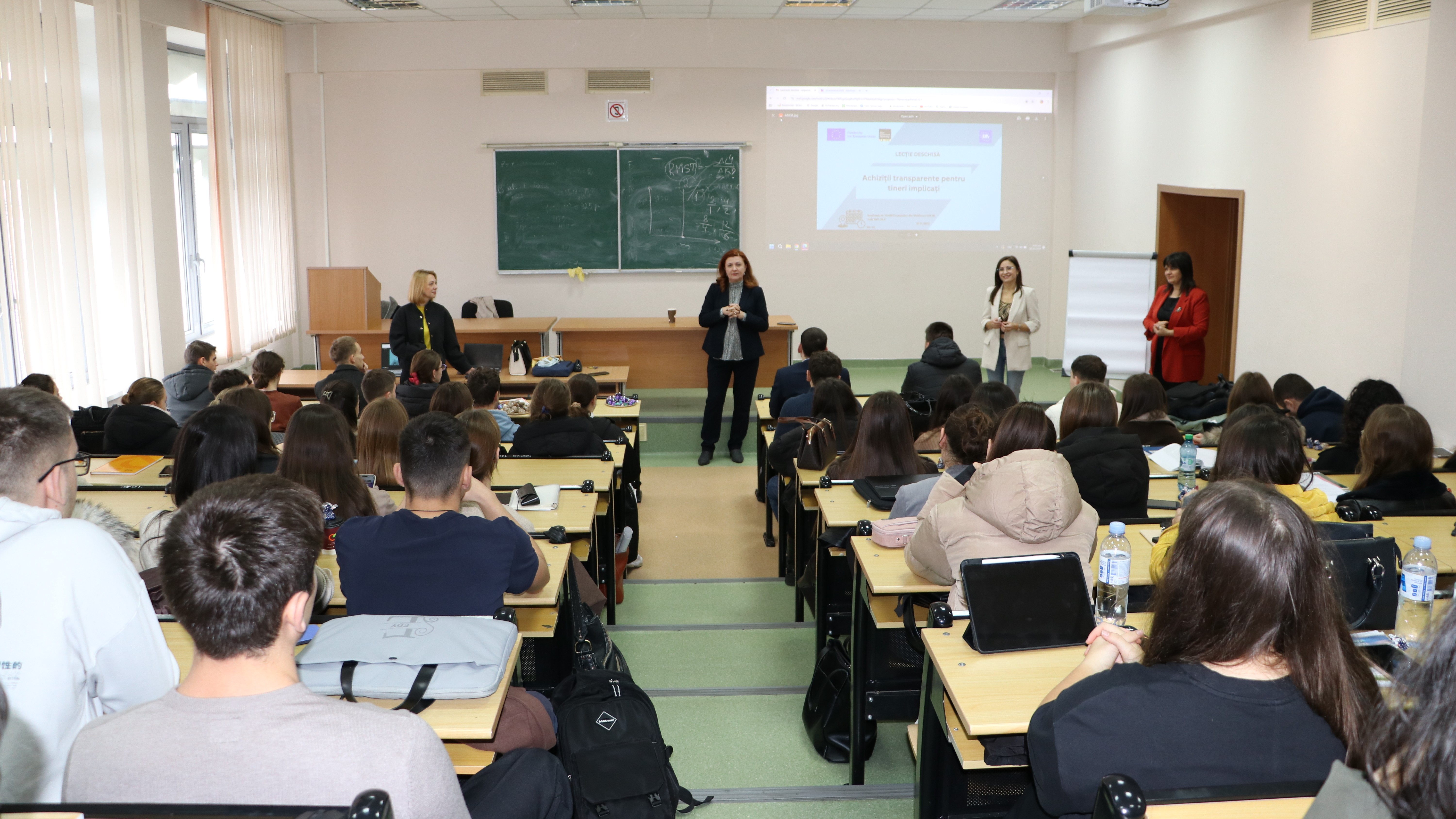
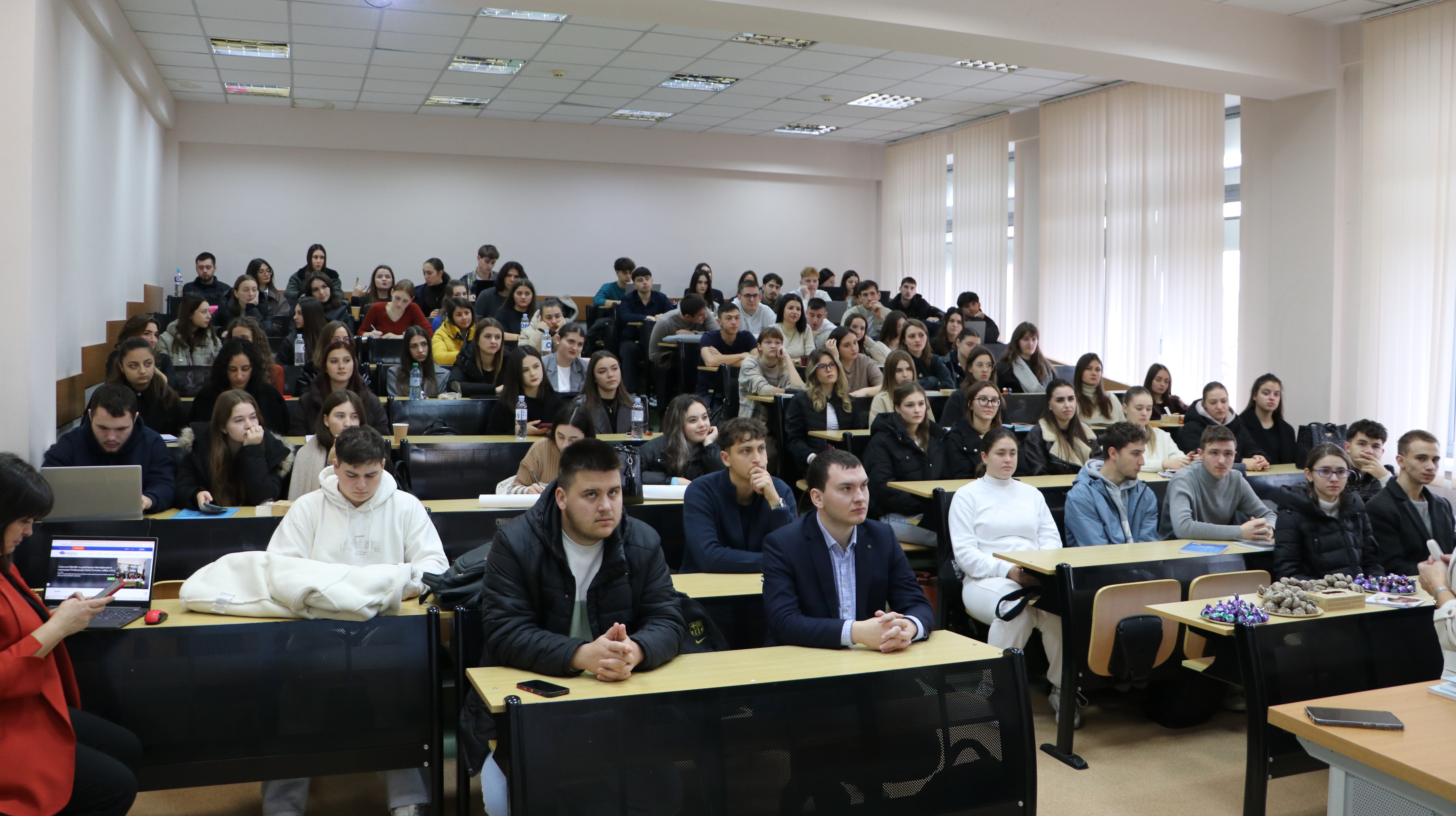
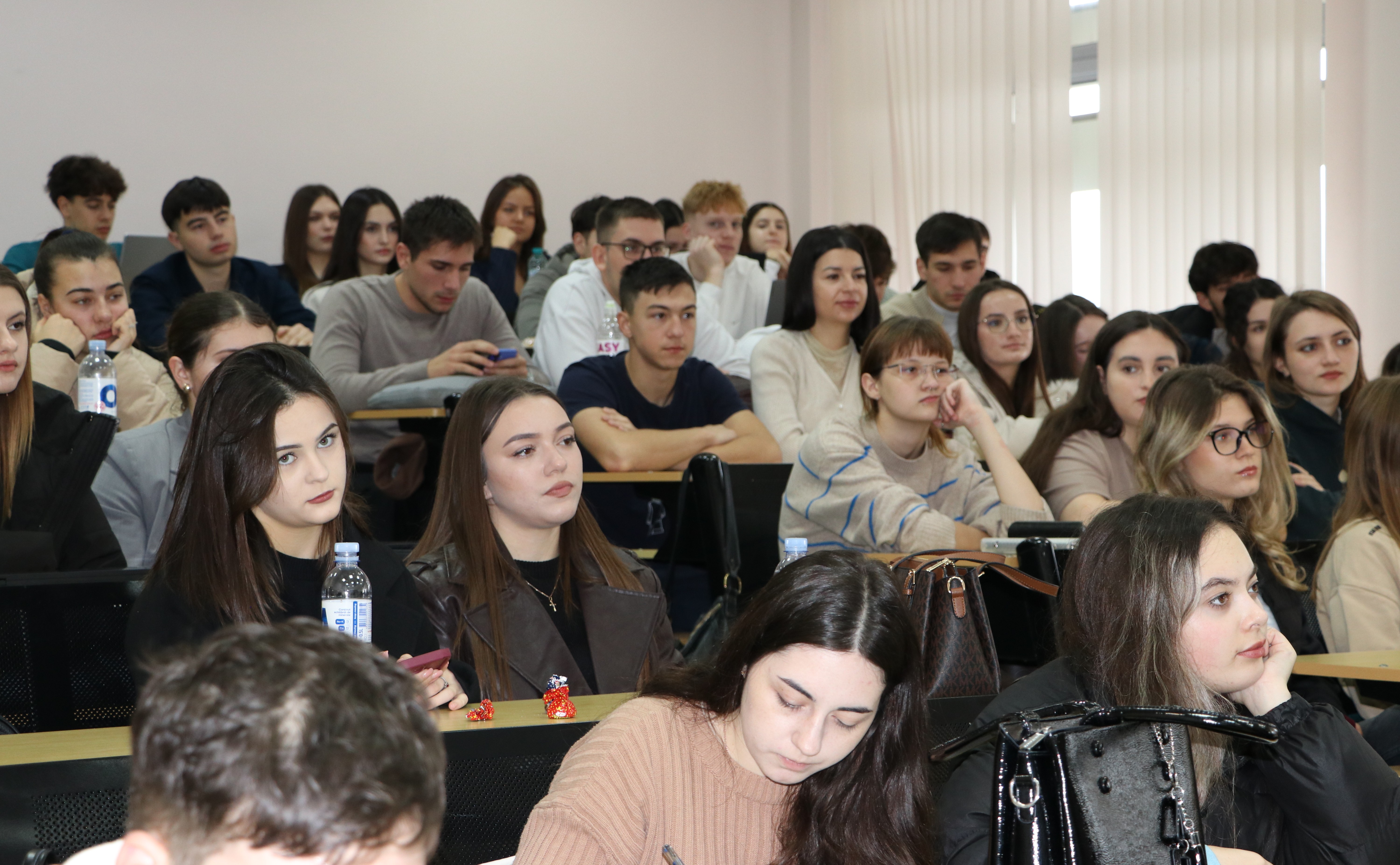
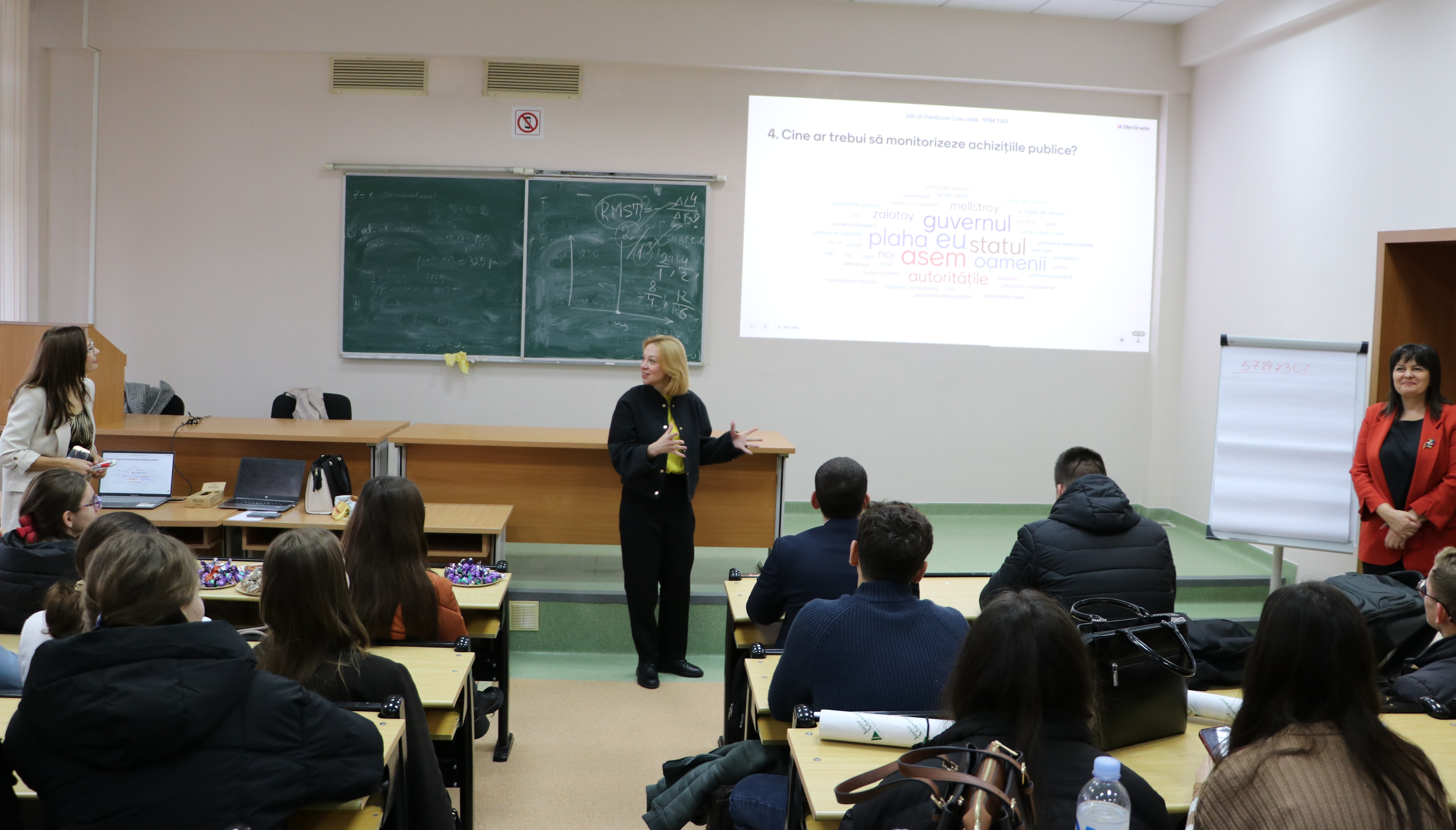
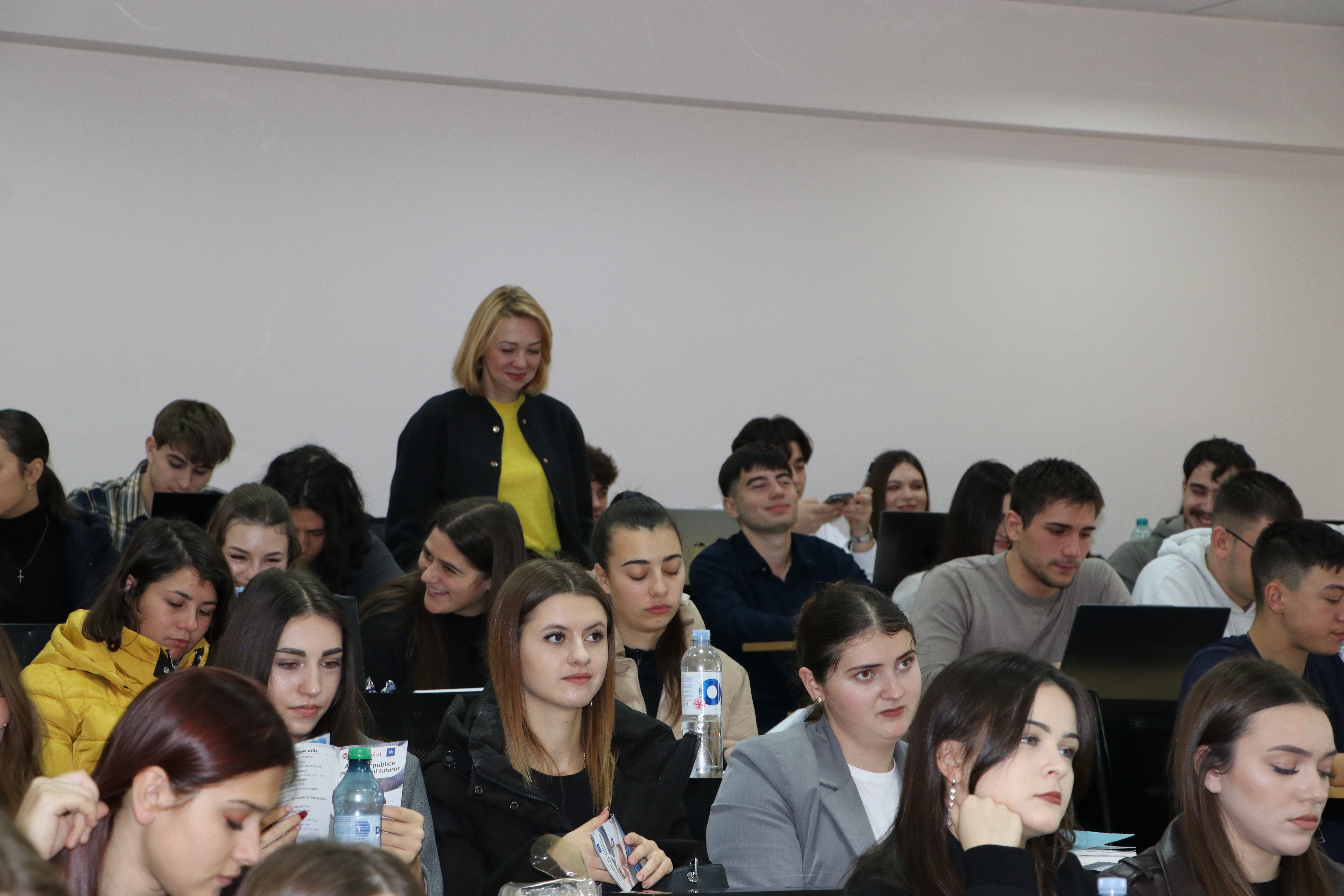
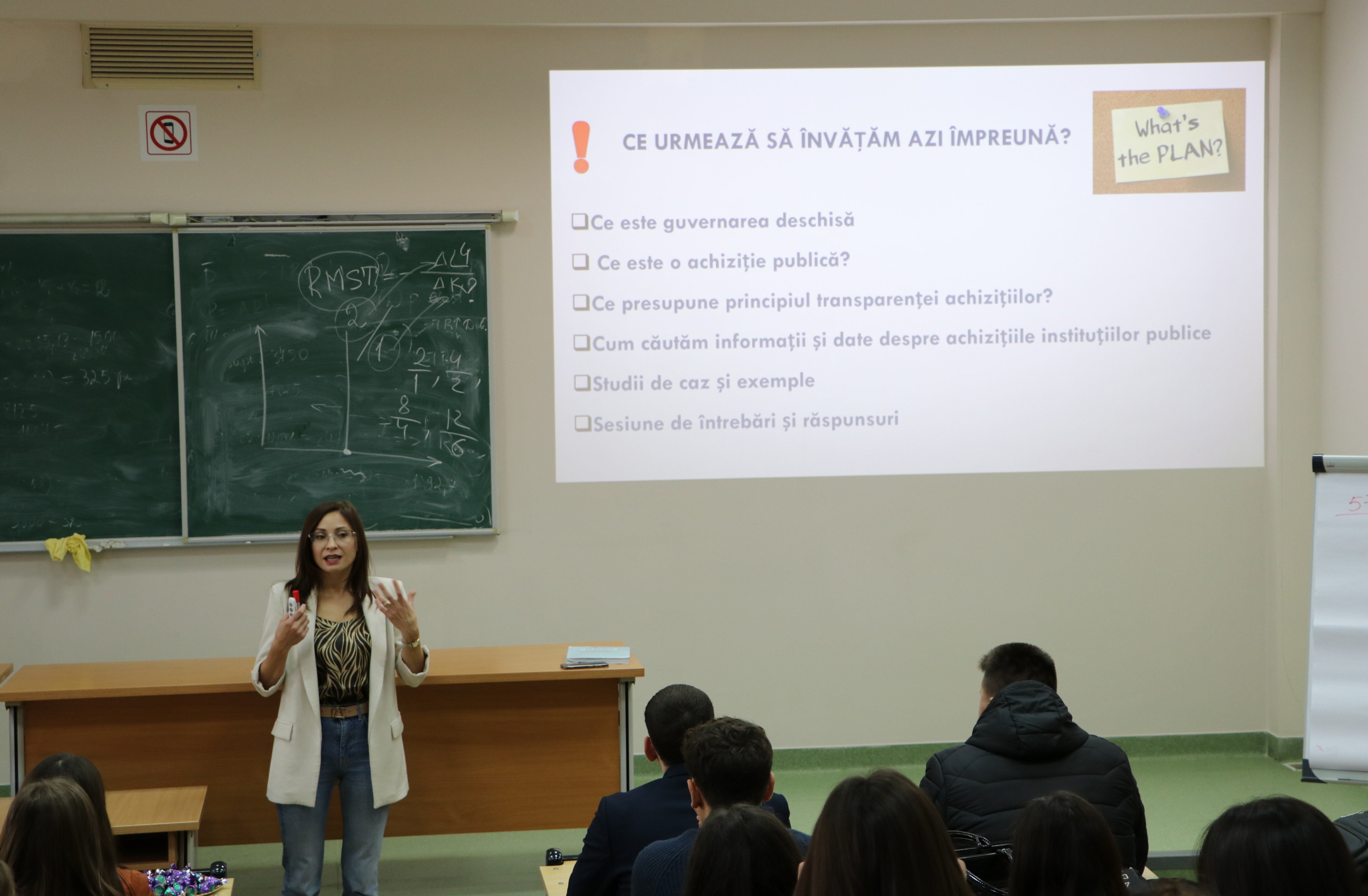
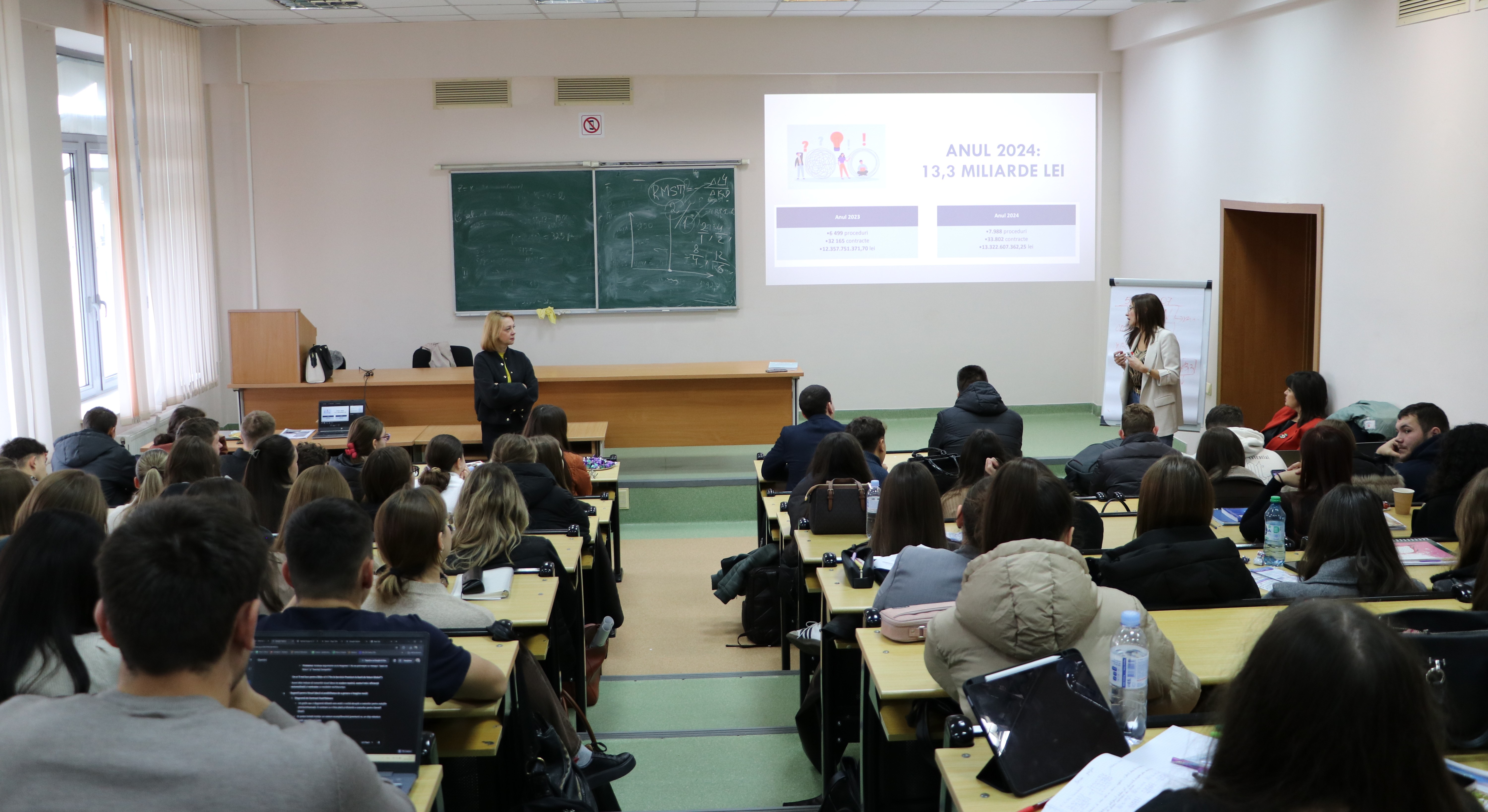
Over 90 second and third year students of the Faculty of Economic Sciences at the State University of Moldova (USM) participated on Thursday, November 27, 2025, in an open lesson where the topic "Transparent Procurement for Involved Youth" was addressed. The event was organized within the "Open Governance for Engaged Citizens" project, implemented by IDIS "Viitorul" with the support of the European Open Government Partnership (OGP EU) through the "EU for Integrity" Programme under the Eastern Partnership initiative, financed by the European Union (EU).
"You, the young people, are the generation that can change the way integrity, accountability, and good governance are viewed. Understanding public procurement is no longer just for civil servants and specialists; it is also for citizens who want to actively participate in community life and improve the way public money is spent," said Maria Cojocaru, PhD, associate professor at the Faculty of Economic Sciences, at the beginning of the open lesson.
"I proposed that during this open lesson, we talk about how you, the students, can contribute, through knowledge and involvement, to a fair and open procurement system. I came not only with a presentation, but also with practical applications that will make you better understand what public procurement is, what public institutions procure, and where you can find data about these procurements," said Diana Enachi, the public procurement expert at IDIS "Viitorul".
Carolina Ungureanu, deputy director at IDIS "Viitorul", told the students that public procurement is essential for the effective management of public funds and for the development of a responsible society. "Thank you for agreeing to come and learn how a culture of transparency can be built," said Carolina Ungureanu.
The young people mentioned that, following the open lesson, they understood that public procurement influences the quality of public services, and that transparency in procurement procedures is a principle that must be respected. The young people appreciated that the discussion was not only about laws and procedures, but also about the role of citizens in monitoring public money. The young people also said that they better understood how corruption risks arise in procurement and what society can do to prevent them.
This press release has been produced within the "Open Governance for Engaged Citizens" project, implemented by the Institute for Development and Social Initiatives "Viitorul" (IDIS), with the support of the Open Government Partnership Europe (OGP EU) through the "EU for Integrity Programme for the Eastern Partnership", funded by the European Union. The contents of this press release are the sole responsibility of IDIS "Viitorul" and do not necessarily reflect the views of OGP EU or the EU.
Almost 90 first-year students of the Academy of Economic Studies (ASEM) participated on Tuesday, November 18, 2025, in an open lesson titled "Transparent Procurement for Involved Youth". The event was organized within the "Open Governance for Engaged Citizens" project, implemented by IDIS "Viitorul" with the support of the European Open Government Partnership (OGP EU) through the "EU for Integrity" Programme under the Eastern Partnership initiative, financed by the European Union (EU).
At the beginning of the open lesson, Angela Casian, First Vice-Rector, Vice-Rector for Teaching, Doctor, Associate Professor, congratulated the students on the occasion of International Students' Day, marked annually on November 17, wishing them always to be open and full of energy, because today's students are the most valuable resource of tomorrow's society. "I urge you to be active, ask questions, and view this open lesson as an opportunity to delve deeper into a topic relevant to any professional field," said Angela Casian.
Carolina Ungureanu, deputy director at IDIS "Viitorul," told the students that the open lesson is dedicated to public procurement - a critical topic for the proper functioning of public institutions, but also a field that directly influences the transparency, efficiency, and integrity of administrative processes. "Public procurement is a social responsibility. By correctly understanding the rules and practices in the field, you are better prepared to contribute, in the future, to the development of responsible institutions oriented towards the public interest," mentioned Carolina Ungureanu.
The public procurement expert from IDIS "Viitorul", Diana Enachi, spoke to young people about what public procurement is, what the principle of procurement transparency entails, and how to search for information and data on procurements carried out by public institutions. "Public procurement has a profound impact on the functioning of the state and the quality of our daily lives. Procurement shows how public money is spent, how communities are developed, and how transparently and fairly the administration operates," said Diana Enachi.
The young people expressed their gratitude for the opportunity to participate in the open lesson, noting that, for some of them involved in public activities, this session was not only informative but also motivating. They also said that they understood how important it is for public money to be managed responsibly and that they discovered how they can better contribute to promoting integrity and efficiency in public administration.
This press release has been produced within the "Open Governance for Engaged Citizens" project, implemented by the Institute for Development and Social Initiatives "Viitorul" (IDIS), with the support of the Open Government Partnership Europe (OGP EU) through the "EU for Integrity Programme for the Eastern Partnership", funded by the European Union. The contents of this press release are the sole responsibility of IDIS "Viitorul" and do not necessarily reflect the views of OGP EU or the EU.
The members of the National Platform for Public Procurement (NPPP) met in session on Monday, 20 October 2025. During the meeting, the Ministry of Finance presented the Government decision on the approval of standard forms for publishing announcements in the field of public, sectoral, defense, and security procurement, as well as concessions, and the experts of IDIS "Viitorul" – an analysis of the mechanism for carrying out a joint procurement and the factors that hinder the association. The event took place in partnership with the Ministry of Finance, within the project “Supporting Moldova’s public procurement reform in the EU accession context”, implemented by IDIS "Viitorul", with the financial support of the European Union, between September 2025 and September 2026.
At the beginning of the meeting, Ana Luca, Deputy Secretary General of the Ministry of Finance, stated that discussion sessions on public procurement are increasingly in demand and that more and more people are requesting to participate in such initiatives where recommendations are made. Important decisions are taken regarding the public procurement reform undertaken by the Ministry of Finance. Ana Luca emphasized that PNAP meetings contribute to increasing the degree of transparency in public procurement, standardized electronic forms (or eForms) increase the degree of digitalization of public procurement in the Republic of Moldova, and procurement through association, even if they present risks in addition to the multiple benefits they have, need additional measures to be used by the authorities.
Present at the meeting, Wojciech Paczynski, program manager at the EU Delegation to the Republic of Moldova, appreciated the platform's activities as an efficient mechanism for promoting transparency, efficiency, and integrity in public procurement. Referring to the introduction of the eForms system, the EU representative noted that it represents the basis of the digitalization process of the national public procurement system and is an essential tool for the business environment, facilitating the participation of economic agents in procurement procedures, especially small enterprises, which do not have resources comparable to those of large companies. Regarding procurement association, Wojciech Paczynski acknowledged that this mechanism is "interesting, but also complex", opening up a promising field that offers numerous benefits - from financial savings and streamlining time resources, to a more judicious use of public funds. However, he stated that these procurement associations cannot be applied in all cases, requiring a careful assessment of the context and specifics of each procedure.
Carolina Ungureanu, deputy director at IDIS "Viitorul" and project manager, said that this dialogue is essential for civil society, as all those interested in public procurement can openly discuss the reform in this field. In the context of European integration, adjustment to the acquis communautaire, implementation of the national program on public procurement, and the economic growth program, civil society must directly address the critical topics that need to be advanced.
In the first part of the meeting, Lilia Radul, a senior consultant within the Public Procurement Policy Directorate of the Ministry of Finance, presented the Government decision approving standard forms for publishing announcements in the fields of public procurement, sectoral procurement, defense and security, and concessions. According to Lilia Radul, the obligation to use electronic forms by contracting authorities and entities will enter into force on 1 January 2027, and by then, the necessary technical preparations will have been completed. Among the benefits of eForms, Lilia Radul explained, are: digitalising the procurement process; increasing data transparency; reducing the administrative burden through automatic completion; strengthening fair competition and public trust; and promoting sustainable procurement. "The implementation of eForms will contribute to the modernization, transparency, and efficiency of the public procurement system and to the European integration of the Republic of Moldova. The implementation of the system aims to harmonize the national framework with European legislation on electronic forms," said Lilia Radul.
With reference to eForms, PNAP members expressed hope that the system will be operational from 1 January 2027, to avoid the risk of using outdated forms and delay the promised digitalization. Likewise, they appreciated that centralizing this data would improve the quality of statistics in the field. They also recommended organizing training on completing the new forms, clearly explaining EU public procurement rules to ensure smooth procedures, and translating documents into English using artificial intelligence to ensure transparency.
In the second part of the meeting, IDIS "Viitorul" experts Silviu Plopa and Diana Enachi presented an analysis of the mechanism for conducting joint procurements and the barriers to the association process. The experts analyzed the legislative framework and national and international practices to highlight the advantages of joint procurement and identify legal obstacles that prevent contracting authorities from joining forces in procurement procedures. To determine the extent to which authorities are aware of the regulations and mechanisms of association, the benefits of joint procurement, and the barriers to using association, at the initiative of IDIS „Viitorul”, a questionnaire was filled 68 public authorities at the central and local levels.
"The purpose of joint procurement is to carry out procedures that bring value to public money. We find that attention is focused more on procedure than on performance and efficiency. Sometimes we need to focus on performance and efficiency rather than compliance with the law, which is very important. Still, some indicators allow us to avoid breaking the law while remaining efficient. Association in procurement allows us to procure more, more qualitatively, to cover more needs to gain authority, the public budget, and communities," said Diana Enachi.
According to Silviu Plopa, the legal framework allows contracting authorities to associate to procure certain types of goods and services. This type of association is less characteristic of works procurement. The basic finding is that the authorities do not have a secondary framework, any guides, instructions, or other forms of support that would guide them in practically applying this association. If the rules are not very clear, the authorities do not risk using them, to avoid them being later interpreted inappropriately.
"Joint procurement brings financial savings, offers more advantageous prices to authorities with small budgets. Likewise, administrative work decreases compared to organizing separate tenders, saving time and resources, increasing procurement efficiency and quality, and thus reducing the number of acts of corruption. For economic agents, joint procurements improve the efficiency of their supply chains. They also allow them to consolidate their position on the market, increase their visibility and credibility, benefit from larger orders, long-term contracts, and constant income," said Silviu Plopa.
Regarding the procurement association, PNAP members mentioned that more effort and involvement would be needed to explain and disseminate information on the benefits of this practice. Local authorities implementing the association say that there are certain advantages, such as lower prices for some larger purchases.
Gheorghe Ghidora, advisor at the National Agency for Settlement of Complaints, stated that he does not recall any appeal in a procurement procedure conducted through an association. "Of course, association is not a perfect solution, even if it offers numerous advantages. The authorities should make the decision. In the case of the Balti municipality, the use of this mechanism is logical given the authority's size and capacity. Otherwise, association limits the flexibility of the authorities and is avoided," said Gheorghe Ghidora.
Gheorghe Movileanu, director of the Public Procurement Agency (AAP), states that a problem with the association is that local or central public administrations do not want to give up their absolute independence in managing their budgets.
NPPP was established at the initiative of IDIS "Viitorul" on 19 December 2023, in collaboration with the Partnership for Transparency (PTF) from the USA, as part of the project "Increasing the integrity of public procurement”, which finished in June 2025. NPPP's activities continue within the project "Supporting Moldova’s public procurement reform in the EU accession context", implemented by IDIS "Viitorul" with the support of the European Union.
NPPP members represent authorities and organizations with an interest in the functioning and sustainability of the national public procurement system. The mission of the NPPP is to improve the efficiency, transparency, and integrity of the national public procurement system by addressing problems in the system, identifying solutions and proposing them as recommendations to be incorporated into policy by decision-makers.
Funded by the European Union with a budget of EUR 60000, the “Supporting Moldova’s Public Procurement Reform in the EU Accession Context” project is implemented by IDIS "Viitorul" between September 2025 and September 2026. Its goal is to build a transparent, efficient, and European standards–compliant public procurement system.
This press release was produced with the financial support of the European Union. Its content represents the sole responsibility of the “Supporting Moldova’s public procurement reform in the EU accession context” project, financed by the European Union. The content of the press release belongs to the authors and does not necessarily reflect the vision of the European Union.
For additional information about the project, please get in touch with the project's communication specialist, Maria Procopciuc, at +37360088544 or at the e-mail address: maria.procopciuc@viitorul.org.
Members of the Public Procurement Monitoring Coalition met in session on Wednesday, 15 October 2025. The Coalition's activity continues within the project “Supporting Moldova’s public procurement reform in the EU accession context”, implemented by IDIS "Viitorul", with the support of the European Union, between September 2025 and September 2026. The project aims to develop a transparent, efficient, and aligned with the European standards public procurement system, thereby strengthening good governance, public accountability, and citizens' trust in state institutions, as well as promoting Moldova's accession to the EU.
At the beginning of the meeting, Carolina Ungureanu, Deputy Director at IDIS "Viitorul" and Project Manager, emphasized that, thanks to the EU-funded project, the Coalition, formed by organizations monitoring public procurement, is consolidating its activities and becoming stronger. "The EU accession process offers the Republic of Moldova the chance to transform the public procurement system based on European standards of transparency, efficiency, and fair competition. This reform requires the active involvement of civil society, which can help modernize legislation, monitor procurement, and ensure the proper use of public money. IDIS "Viitorul" supports the strengthening of civil society's capacities and aims to amplify its voice in this process. Through the Coalition, we have demonstrated that civil society can be a real partner in reforms, contributing to integrity, accountability, and trust in the way public resources are used, and with the support of the EU, we aim to continue this effort", said Carolina Ungureanu.
Present at the meeting, Wojciech Paczynski, program manager at the European Union Delegation to the Republic of Moldova, emphasized the importance of these coalitions for the proper functioning of a democratic and transparent society. He added that the EU supports such initiatives because they increase transparency, strengthen trust between citizens and institutions, and align the Republic of Moldova with European standards in public procurement. He also mentioned that initiatives of this type, which bring together representatives of civil society, public authorities, and the private sector, are essential for fostering constructive dialogue and promoting good governance, even if their organization can be complex and require considerable effort.
During the meeting, IDIS "Viitorul" experts, Silviu Plopa and Diana Enachi, presented an analysis of the mechanism for conducting joint procurements and the barriers to the association process. The experts analyzed the legislative framework and national and international practices to highlight the advantages of joint procurement and identify legal obstacles that prevent contracting authorities from joining forces in procurement procedures. To determine the extent to which authorities are aware of the regulations and mechanisms of association, the benefits of joint procurement, and the barriers to using association, at the initiative of IDIS „Viitorul”, a questionnaire was filled in by over 60 public authorities at the central and local levels.
Diana Enachi explained that joint procurement is a procedure carried out by several public authorities to jointly procure certain goods or services, thereby streamlining the process and obtaining benefits such as more competitive prices and conditions. For example, three city halls with the exact same needs can procure computer equipment through joint procurement. The expert claims that in many countries, joint procurement has proven effective for certain types of procurement. However, in the Republic of Moldova, although the legal framework allows associations to carry out joint procurement, there is no secondary framework, guidelines, or instructions that outline, step by step, what authorities must do if they decide to associate for a specific procurement.
Silviu Plopa emphasized that both contracting authorities and economic agents benefit from the association. For example, contracting authorities with limited budgets can benefit from lower prices, as joint tenders deliver savings by attracting more favorable offers. At the same time, administrative work is reduced compared to organizing separate tenders, saving time and resources. Smaller authorities can also benefit from support from larger ones, thereby increasing the efficiency and quality of procurement.
For economic agents, the advantages include cost reduction, as joint procurement improves supply chain efficiency and reduces transaction costs by simplifying processes and eliminating repetitive activities. They also allow economic agents to consolidate their position on the market, increase their visibility and credibility, collaborate with more contracting authorities, and benefit from larger orders, longer-term contracts, and consistent, predictable income.
"Association in procurement is becoming a current topic. There are more and more activities where this mechanism can be applied. This would solve the problem faced by many city halls and other contracting authorities, which lack sufficient trained personnel to carry out public procurement procedures. This would widely reduce costs, which are the first to be analyzed in a procurement process," said Maria Cojocaru, professor at Moldova State University.
Viorel Pîrvan, an expert at the Center for Analysis and Prevention of Corruption, believes that contracting authorities should consider procedures that can be carried out through association starting at the stage of drawing up the annual procurement plans, so to assess the degree of alignment of priorities with other authorities. He also argues that the process of association in procurement would reduce corruption practices in the field. "It is harder to get along when there are more actors involved," commented Viorel Pîrvan.
Tatiana Melnic, a public procurement expert and monitor, opined that the joint procurement mechanism is a tool that adds value to procurement and has considerable potential to streamline public spending. However, a more strategic approach, supported by training, clear guidelines, and institutional incentives, is needed to make joint procurement a viable and efficient practice in the Republic of Moldova.
Olga Diaconu, project coordinator at the Association for Efficient and Responsible Governance – AGER, presented the Guide on How to Use the Framework Agreement in Public Procurement. This guide is intended for public authorities who conduct procurement and economic operators who wish to participate in framework agreement award procedures, which should be interpreted in accordance with public procurement regulations. It also aims to assist contracting authorities in planning, awarding, and implementing framework agreements. The guide provides recommendations to avoid common mistakes and helps authorities determine whether a framework agreement is suitable for a specific procurement, which type of agreement to establish, and the method for awarding subsequent contracts.
The Public Procurement Monitoring Coalition was established at the initiative of IDIS "Viitorul" on 29 June 2023, in collaboration with the Partnership for Transparency (PTF) from the USA, as part of the "Strengthening Integrity in Public Procurement" project, finished in June 2025. The activity of the Public Procurement Monitoring Coalition continues within the project "Supporting Moldova’s public procurement reform in the EU accession context", implemented by IDIS "Viitorul", with the support of the European Union.
The Public Procurement Monitoring Coalition brings together 20 civil society organizations, investigative journalists, experts, and independent monitors from the Republic of Moldova. The Coalition's mission is to consolidate and coordinate the efforts of civil society organizations engaged in public procurement monitoring, and to foster constructive dialogue with public authorities.
Funded by the European Union with a budget of EUR 60000, the “Supporting Moldova’s Public Procurement Reform in the EU Accession Context” project is implemented by IDIS "Viitorul" between September 2025 and September 2026. Its goal is to build a transparent, efficient, and European standards–compliant public procurement system.
This press release was produced with the financial support of the European Union. Its content represents the sole responsibility of the “Supporting Moldova’s public procurement reform in the EU accession context” project, financed by the European Union. The content of the press release belongs to the authors and does not necessarily reflect the vision of the European Union.
For additional information about the project, please get in touch with the project's communication specialist, Maria Procopciuc, at +37360088544 or at the e-mail address: maria.procopciuc@viitorul.org .
The Institute for Development and Social Initiatives "Viitorul" (IDIS), with the financial support of the European Union (EU), has started implementing the project “Supporting Moldova’s public procurement reform in the EU accession context”, which will run from September 2025 to September 2026. The project aims to develop a transparent, efficient, and aligned public procurement system in line with European standards, thereby strengthening good governance, public accountability, and citizens' trust in state institutions, and promoting Moldova's accession to the EU.
The project is aligned with the Republic of Moldova’s Growth Plan for 2025–2027 and with the commitments undertaken by our country in the process of accession to the European Union. Through the planned activities, IDIS “Viitorul” will support the Ministry of Finance, the Public Procurement Agency, the Center for Information Technologies in Finance, as well as other relevant stakeholders in the modernization and implementation of public procurement reform.
The project provides support for the development of secondary legislation and the implementation of the National Program for the Development of the Public Procurement System and the Reform Agenda related to the Growth Plan of the Republic of Moldova for 2025-2027 by developing analytical documents and policy proposals, including for centralization, certification and training of professionals in the field, as well as formulating recommendations for the modernization of the electronic public procurement system (MTender). At the same time, the project will facilitate political dialogue and inclusive consultations through roundtables and meetings of the Public Procurement Monitoring Coalition and the National Platform for Public Procurement (NPPP), a participatory mechanism that brings together government institutions, civil society, and the business environment, where ongoing reforms will be widely discussed.
A significant emphasis is placed on increasing the level of information for the general public, through explanatory notes, infographics, newsletters, and regular updates on the PulsAchizitii.md portal, so that citizens and small and medium-sized enterprises have access to clear and easy-to-understand information on public procurement reform in the context of the Republic of Moldova's accession to the EU.
"For several years, IDIS ”Viitorul” has been actively involved in the field of public procurement, monitoring the transparency and efficiency of processes, promoting legislative reform, and identifying practical solutions to improve the system. We are grateful that the European Union is providing us with the necessary support to ensure the sustainability of our actions, promote reforms, and adjust the national framework to the European Union acquis, at a crucial moment in the European path of the Republic of Moldova. It is an opportunity to strengthen institutions, support the business environment, and give citizens more confidence in how public resources is used," said Carolina Ungureanu, deputy director of IDIS "Viitorul".
Funded by the European Union with a budget of 60000 euros, the project “Supporting Moldova’s Public Procurement Reform in the EU Accession Context” is implemented by IDIS "Viitorul" between September 2025 and September 2026. Its goal is to build a transparent, efficient, and European standards–compliant public procurement system.
This press release was produced with the financial support of the European Union. Its content represents the sole responsibility of the “Supporting Moldova’s public procurement reform in the EU accession context” project, financed by the European Union. The content of the press release belongs to the authors and does not necessarily reflect the vision of the European Union.
For additional information about the project, please get in touch with the project's communication specialist, Maria Procopciuc, at +37360088544 or at the e-mail address: maria.procopciuc@viitorul.org.